
Flowers
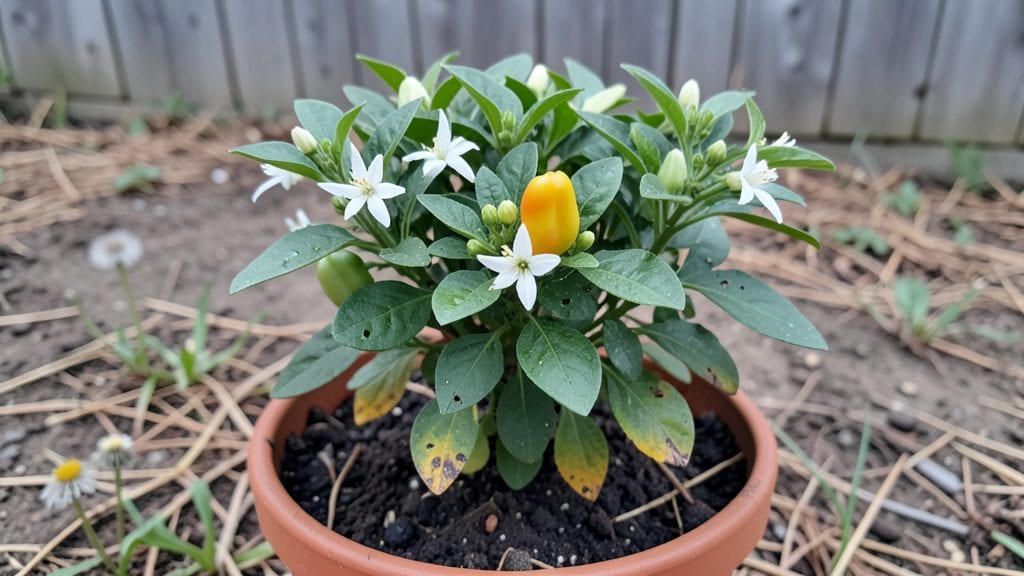
Growing Chinese lantern peppers means you get both striking flowers and mild peppers with almost no effort. 🌿 These plants thrive in containers or garden beds, offering year-round harvests if you keep them happy indoors during winter.
My first batch last summer produced enough peppers to share with neighbors—and the orange lanterns made my patio the talk of the block.
The secret to their success is simple: they love full sun (6+ hours daily), well-draining soil, and moderate watering—never soggy roots. You can grow them from seed in just 6-8 weeks, or buy starter plants to skip the wait.
They’re compact (2-3 feet tall), so they fit perfectly in 5-gallon containers or small garden plots.
By midsummer, you’ll have clusters of bright orange lanterns that double as edible peppers—mild, sweet, and perfect for salads or garnishes. The flowers attract pollinators, and the plants stay productive for months. Even if you forget to water occasionally, they bounce back like weeds.
They handle pests better than most peppers, but watch for aphids and spider mites—spray with neem oil if needed. In colder climates, bring pots indoors before frost, and they’ll keep producing through winter. Your neighbors will ask how you do it—here’s the secret.
📚 In This Guide
- What you need
- Instructions
- Tips and common mistakes
- Wrapping up and next steps
What you need
- ● Seeds or seedlings: 3–5 Capsicum annuum (flower pepper) seeds or young plants (check for heirloom or ornamental varieties like 'Lunchbox' or 'Jalapeño' for milder heat).
- ● Potting mix: 1–2 bags (10–20 lbs) of well-draining, sterile potting soil (avoid garden soil—it can compact and suffocate roots!).
- ○ Containers (optional but recommended): 3–5 5–7 inch pots (for seedlings) or
- ● 1–2 12–18 inch pots/gallon containers (for mature plants).
- ● Grow lights or sunny spot: A 6–8 hour daily light source (south-facing window or LED grow lights for indoors).
- ● Basic gardening tools: 1 small trowel or transplanting knife
- ● 1 pair of pruning shears (for trimming)
- ● 1 spray bottle (for misting seedlings)
- ● Fertilizer: Balanced 10-10-10 or organic options like compost tea or worm castings (apply every 4–6 weeks).
- ○ Support (optional): 1–2 small stakes or cages (for taller varieties).
- ● Prerequisites: Warmth: 70–85°F (21–29°C) (flower peppers hate cold drafts!).
- ● Patience: Germination takes 7–21 days—stay consistent with moisture!
- ● Soil test: Aim for a pH of 6.0–6.8 (use a kit if unsure).
- ● Drainage: Add perlite or vermiculite (10% of potting mix) to prevent root rot.
- ● Indoor growers: Supplement with a grow light 12–14 hours/day if natural light is limited.
Step-by-Step instructions for cultivating Chinese flower pepper plants
Here's the straightforward method I've used to grow these vibrant peppers indoors and outdoors year-round.
🌱 Step 1: Select the Right Containers and Soil Mix
Chinese flower peppers thrive in well-draining containers with 5-6 inch depth. I use terracotta pots because they wick away excess moisture, which these plants despise. Fill each with a blend of 50% potting mix and 50% perlite—this ensures roots get plenty of oxygen and never sit in soggy conditions.
Sterilize your containers first by soaking them in a 10% bleach solution for 10 minutes, then rinsing thoroughly. The reason? Flower peppers are susceptible to fungal diseases, and clean pots prevent issues before they start. Fill pots to within 1 inch of the rim—this leaves room for watering without spilling.
☀️ Step 2: Plant Seeds at the Right Depth and Temperature
Sow seeds ¼ inch deep, pressing them gently into the soil but not burying them too deeply—this ensures they won't struggle to reach the surface. Space seeds 12 inches apart if planting directly outdoors, or 3-4 inches apart in containers. Cover lightly with a thin layer of soil, then mist the surface with water until evenly moist.
Place containers in a warm spot with 75-85°F soil temperature. I use a seedling heat mat for the first two weeks, which dramatically speeds up germination. You'll see tiny sprouts in 7-14 days—patience here is key, as cooler conditions can delay emergence by weeks.
💧 Step 3: Provide Consistent Light and Water
Once seedlings emerge, move them to a location with 6-8 hours of direct sunlight daily. A south-facing window works, but supplement with a grow light if natural light is insufficient. You'll know your plants are getting enough light when they develop deep green leaves and grow upright rather than stretching toward the light.
Water when the top inch of soil feels dry to the touch. I use the finger test—stick your index finger into the soil, and if it comes out dry, it's time to water. Avoid wetting the leaves, as this can lead to fungal issues. Mulch with 1 inch of organic mulch to retain moisture and keep roots cool.
✂️ Step 4: Prune and Harvest for Continuous Production
Pinch off the first few flower buds to encourage bushier growth. This might seem counterintuitive, but it redirects the plant's energy into stronger stems and more abundant fruiting later. Once flowers appear, harvest peppers when they reach 1-2 inches in length—this keeps the plant producing continuously rather than putting all its energy into a single harvest.
Use clean pruning shears to snip stems just above a leaf node. This encourages new growth and prevents disease from entering the plant through jagged cuts. I harvest every 2-3 days during peak production—this keeps the plant focused on making more peppers instead of letting them overripe and fall off.
🌿 Step 5: Overwintering and Year-Round Care
Chinese flower peppers are tender perennials in warm climates but can be overwintered indoors with minimal effort. Move potted plants to a cool, bright spot with 50-60°F temperatures and reduce watering to every 10-14 days. Prune back any dead or yellowing leaves to redirect energy to the plant's core.
In late winter, repot if roots are circling the container. I use the "root check" method—gently remove the plant and examine the roots. If they're densely packed, upgrade to a pot 2-3 inches larger in diameter. Fertilize lightly with a balanced 10-10-10 fertilizer in early spring to kickstart new growth.
Tips & tricks for perfect Chinese flower pepper cultivation
A few key insights that'll help you avoid common pitfalls and maximize your harvest with minimal effort.
Soil Mix Precision: The 50/50 blend of potting mix and perlite in Step 1 is non-negotiable for these peppers. I've learned the hard way that even a slight deviation—like using more potting mix—can lead to root rot. For best results, sift the perlite to remove any fine particles that could clog drainage. After mixing, give the soil blend a quick spray with a fungicide as an extra precaution against those pesky fungal diseases mentioned in the instructions.
Temperature Control: Maintaining that 75-85°F soil temperature range during germination (Step 2) is crucial, but don't rely solely on ambient room temperature. I use a small infrared thermometer to monitor soil temps—especially in cooler climates where indoor temps might dip below 70°F. If you notice slower germination than the 7-14 day window, consider using a heat mat for an extra week or moving containers to a warmer spot like near a sunny window with a clear plastic cover to create a mini greenhouse effect.
Light Optimization: The 6-8 hours of direct sunlight requirement in Step 3 can be tricky in urban environments. If your south-facing window doesn't provide enough light, supplement with a full-spectrum LED grow light placed 6-12 inches above the plants. I've found that positioning the light on a timer for 12-14 hours daily mimics natural daylight extensions and prevents that classic "leggy" growth where plants stretch toward the light source. Rotate your pots weekly to ensure even growth.
Harvest Timing Strategy: When harvesting those 1-2 inch peppers in Step 4, I've developed a simple color-coded system: harvest when peppers are bright green with just a hint of yellow at the base. This indicates they're at peak flavor and texture. For continuous production, I harvest the largest peppers first—this encourages the plant to focus energy on developing new buds rather than letting existing peppers mature fully. Use sharp pruning shears and always cut just above a leaf node to prevent disease entry points.
Pro Tips for Flower Pepper Chinese
- A few key insights that'll help you avoid common pitfalls and maximize your harvest with minimal effort.
- Soil Mix Precision: The 50/50 blend of potting mix and perlite in Step 1 is non-negotiable for these peppers.
- Temperature Control: Maintaining that 75-85°F soil temperature range during germination (Step 2) is crucial, but don't rely solely on ambient room temperature.
Frequently asked questions
Got questions about growing flower peppers (Chinese lantern peppers)? You’re not alone! Here are some of the most common queries—and their easy answers—to help you cultivate a thriving harvest with confidence.
How long does it take for flower peppers to produce fruit?
With proper care, flower peppers typically start flowering 60–90 days after transplanting (or 100–120 days from seed). The first peppers may appear as early as 8–10 weeks after flowering, but consistent harvests take a few more weeks. Patience pays off—these beauties reward you with year-round color if grown in warm climates!
Can flower peppers survive winter? What’s the best way to protect them?
Flower peppers are tender perennials and won’t survive hard freezes (<32°F/0°C). In colder zones, grow them as annuals or overwinter indoors near a sunny window. For outdoor plants, use row covers, mulch, or containers you can move to a sheltered spot. A greenhouse or cold frame also works wonders!
Are flower peppers hard to grow? What’s the trickiest part?
The biggest challenge is consistent moisture—they hate soggy roots but also dry spells. Drip irrigation or self-watering pots help. Another tip: prune leggy stems to encourage bushier growth and more flowers. With the right balance of sun (6+ hours/day), well-draining soil, and occasional fertilizer, they’re surprisingly low-maintenance!
Can I substitute flower peppers for other peppers in recipes?
Their mild, slightly sweet flavor makes them a great swap for bell peppers, shishito, or Thai bird’s eye peppers in stir-fries, salads, or pickling. Pro tip: Use them whole for garnish (they’re edible!) or remove seeds for a milder kick. Just note—they’re not as spicy as jalapeños or serranos, so adjust seasoning accordingly.
What should I do if my flower pepper plant gets pests or diseases?
Common issues include aphids, spider mites, or powdery mildew. For pests, spray with neem oil or insecticidal soap. Improve airflow to prevent mildew, and remove affected leaves. Overwatering causes root rot—ensure pots have drainage holes! If leaves yellow, check for nutrient deficiencies (add a balanced fertilizer like 10-10-10).
Do flower peppers grow well in containers? What’s the ideal pot size?
Yes! They thrive in containers as long as the pot is at least 12–18 inches wide/deep (bigger = more peppers). Use a lightweight potting mix with perlite for drainage. Place pots in full sun and water when the top inch of soil feels dry. Bonus: Container-growing makes them easy to move indoors in winter!
Wrapping up and next steps
Growing flower peppers (Chinese lantern peppers) is a rewarding journey that brings vibrant colors and bold flavors to your garden—with minimal fuss! Whether you’re a beginner or a seasoned gardener, their low-maintenance nature and year-round potential make them a standout choice.
With the right soil, sunlight, and a little patience, you’ll soon be harvesting clusters of edible, ornamental peppers that double as a kitchen staple and a garden showstopper.
Ready to take the next step? Start small with a single plant, experiment with varieties, or even share your harvest with friends! 🌱 Your garden—and your taste buds—will thank you.