
Shrubs
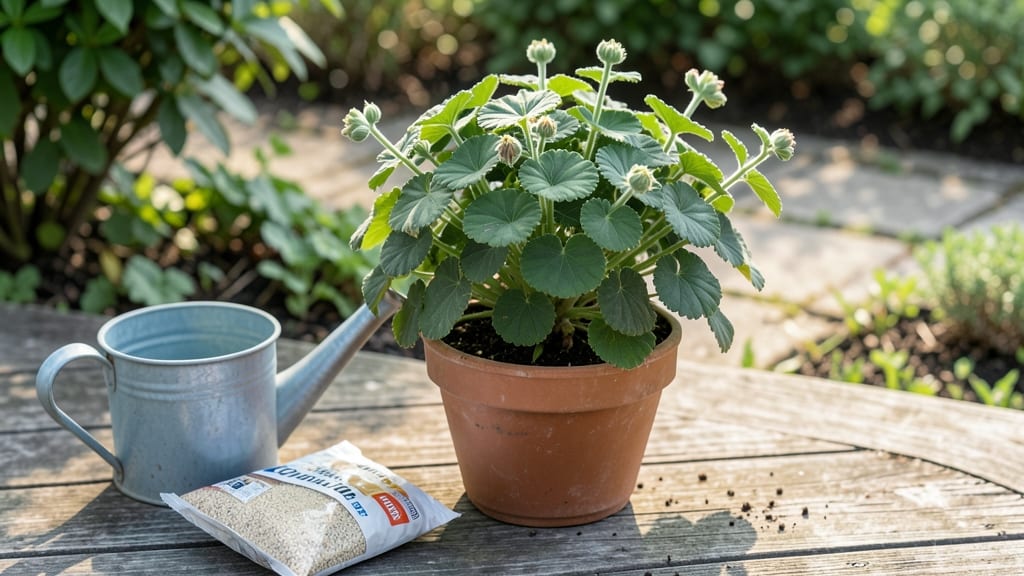
If you’re wondering why aren’t my geraniums flowering, they might be drowning in their own roots—literally. Overwatering is the silent thief of blooms, turning lush foliage into a leafy green wall while flowers stay stubbornly absent.
I’ve seen it happen more times than I can count: pots that never dry out, roots suffocating in soggy soil, and plants that refuse to shift energy from leaves to flowers.
The fix starts with drier soil and a watering schedule that mimics their natural Mediterranean roots. Let the top inch dry between waterings—yes, even in summer—and use pots with drainage holes to prevent root rot.
Geraniums hate wet feet, and once you adjust, you’ll notice new buds forming within 2-3 weeks.
Pair that with morning sun (they need 6+ hours daily) and a balanced fertilizer low in nitrogen—too much greens up plants at the expense of blooms.
Prune leggy stems in early spring to encourage fresh growth, and watch as your plants finally reward you with those classic red, pink, or white clusters.
This works for both container geraniums and in-ground plants, though containers dry faster. If your soil stays damp for days, it’s time to repot into lighter, gritty mix. Trust the process—your geraniums will thank you with a floral explosion by midsummer.
The Hidden Triggers Blocking Blooms
Geraniums are known for their vibrant, long-lasting flowers—but when they refuse to bloom, it’s usually a sign that something fundamental is off. Understanding the root causes (literally!) behind your geraniums’ lack of flowers helps you fix the issue before it’s too late.
Below, we break down the science-backed reasons why your plants might be sitting pretty but not putting on a show.
Geraniums (Pelargonium spp.) are sun-worshippers—they need 6 to 8+ hours of direct sunlight daily to trigger photosynthesis and flowering. When deprived of light, they prioritize leaf growth over blooms.
Why it happens:
- Photosynthesis slowdown: Low light reduces chlorophyll production, limiting energy for flower development.
- Daylength sensitivity: Many geraniums are short-day or long-day plants, meaning they need specific light exposure to bloom. Too little light confuses their internal clock.
- Leggy growth: Stretching stems (etiolation) signal poor light, and the plant diverts resources to reach for sunlight instead of forming buds.
Actionable fix:
- Move potted geraniums to a south- or west-facing window or use grow lights (12–16 hours/day).
- Prune leggy stems to encourage bushier growth, which captures more light.
Geraniums are drought-tolerant and thrive in well-draining soil. Overwatering leads to root suffocation, nutrient dilution, and a lack of stress signals that trigger flowering.
Why it happens:
- Oxygen deprivation: Waterlogged roots can’t absorb oxygen, stunting growth hormones like ethylene (which promotes flowering).
- Nutrient leaching: Excess water washes away phosphorus and potassium, critical for bloom development.
- Fungal infections: Soggy soil breeds pathogens like Phytophthora, weakening the plant’s ability to produce flowers.
Actionable fix:
- Water only when the top 1–2 inches of soil are dry (stick your finger in—if it’s damp, wait).
- Use containers with drainage holes and a sandy, gritty potting mix (like 60% peat/40% perlite).
- Avoid saucers unless emptied after watering to prevent root rot.
Geraniums prefer moderate temperatures (60–75°F / 15–24°C). Too hot or too cold disrupts their metabolic processes, including flower bud formation.
Why it happens:
- Heat stress (above 85°F / 30°C): High temperatures inhibit pollinator activity (like bees) and cause buds to drop before opening.
- Cold shock (below 50°F / 10°C): Chilly nights slow auxin hormone production, which is essential for stem elongation and flower initiation.
- Frost damage: Geraniums are tender perennials—even light frost can kill buds and new growth.
Actionable fix:
- Move potted geraniums indoors (or to a sheltered spot) if temperatures drop below 50°F (10°C).
- Mulch garden beds with straw or bark to regulate soil temperature.
- Avoid late-season fertilizing if frost is forecast—new growth is more vulnerable.
Geraniums need balanced nutrients, but too much nitrogen (or too little phosphorus/potassium) forces them to grow leaves instead of flowers.
Why it happens:
- Nitrogen overload: Excess N (from lawn clippings or high-N fertilizers) promotes leafy, lush growth at the expense of blooms.
- Phosphorus deficiency: P is the "flower power" nutrient—it helps roots absorb energy for bud formation. Yellowing leaves or purple stems signal a lack of P.
- Potassium shortage: K supports stress resistance and flower development. Weak stems or brown leaf edges indicate a deficiency.
Actionable fix:
- Switch to a bloom-boosting fertilizer (e.g., 5-10-10 or 10-20-20 ratio) every 4–6 weeks during growing season.
- Side-dress with compost or bone meal (for phosphorus) in early spring.
- Avoid organic amendments high in nitrogen (like fresh manure) near flowering time.
Geraniums in crowded pots or compacted soil struggle to absorb water and nutrients efficiently, leading to stunted growth and no flowers.
Why it happens:
- Circular root growth: Roots growing in tight circles compete for resources, reducing energy for blooms.
- Anaerobic conditions: Compacted soil lacks oxygen, slowing root activity and hormone production.
- Transplant shock: If recently repotted, roots may still be adjusting, delaying flowering.
Actionable fix:
- Repot every 1–2 years into a container 2–3 inches larger than the current one.
- Loosen roots before repotting to encourage outward growth.
- Use air-pruning pots (with holes on the sides) to prevent root circling.
Geraniums rely on bees, butterflies, and wind to pollinate flowers. Without pollinators, buds may form but fail to open or produce seeds.
Why it happens:
- Pesticide use: Chemicals like neonicotinoids kill pollinators, leaving flowers unpollinated.
- Isolated plants: If your geranium is the only one in the yard, cross-pollination is unlikely.
- Poor weather: Rain or windless days prevent pollen transfer.
Actionable fix:
- Plant pollinator-friendly companions nearby (e.g., marigolds, lavender, or basil).
- Avoid systemic pesticides—opt for neem oil or insecticidal soap instead.
- Gently shake plants on calm days to aid wind pollination (for self-pollinating varieties).
Geraniums bloom on new wood, meaning they produce flowers on current season’s growth. Heavy pruning too late removes potential flower buds.
Why it happens:
- Late-season cuts: Pruning after mid-summer removes next year’s flower buds.
- Over-pruning young plants: Geraniums need 6–8 weeks of growth before flowering to develop strong stems.
Actionable fix:
- Prune lightly in early spring to encourage bushiness.
- Deadhead spent blooms (remove faded flowers) to redirect energy to new buds—but stop by August to allow for fall blooms.
- Avoid shearing—use thumb-pruning to shape selectively.
Quick Fixes for Blooming Geraniums
Now that you know why your geraniums are holding back their flowers, let’s roll up our sleeves and get them back on track! 🌸 The good news? Many of these issues have simple, actionable solutions—some you can tackle in a single afternoon.
Below, we’ve matched common causes to their fixes, plus pro tips to keep those blooms coming year after year.
Problem: Soggy soil starves roots of oxygen, forcing geraniums to focus on survival instead of flowering. Fix:
- 🔥 Let the Soil Dry Out – Stick your finger 1–2 inches into the soil. If it’s damp, wait 2–3 days before watering again. Geraniums hate wet feet!
- 🍳 Upgrade Your Pots – Ensure containers have drainage holes. If repotting, choose terracotta (it breathes better than plastic).
- ⏰ Water Deeply, Less Often – Give them a thorough soak until water runs out the bottom, then let excess drain away. Aim for once every 5–7 days (adjust for heat/wind).
💡 Prevention Tip: Mulch with gravel or coarse sand to improve drainage and reduce evaporation.
Problem: Geraniums need 6–8 hours of direct sunlight daily to trigger flowering. Shade = no blooms. Fix:
- 👨🍳 Move Them to the Light – Place pots in the sunniest spot (south or west-facing windowsills or a sunny patio).
- 🌡️ Heat Check – If temps hit 90°F+, provide afternoon shade to prevent stress (but keep morning sun).
- 🎯 Extend the Season – Use a grow light (12–14 hours/day) in winter if natural light is scarce.
✨ Pro Tip: If relocating, do it gradually over 3–5 days to avoid shocking the plant.
Problem: Geraniums are heavy feeders, and weak soil = weak blooms. Fix:
- 📊 Fertilize Right – Use a balanced, water-soluble fertilizer (10-10-10 or 20-20-20) every 2–4 weeks during growing season (spring–fall).
- 🥗 Boost Phosphorus – For extra blooms, switch to a high-phosphorus fertilizer (like 5-10-5) when buds form.
- 🍎 Avoid Over-Fertilizing – Too much nitrogen = leafy monsters, no flowers. Follow label instructions!
💡 Prevention Tip: Mix compost into soil in spring to build long-term fertility.
Problem: Geraniums thrive in 60–75°F but bolt or stop flowering if shocked by cold drafts or heatwaves. Fix:
- 🌡️ Protect from Drafts – Keep them away from AC vents, open windows, or garages.
- 🔥 Shield from Scorching Sun – Use shade cloth (30–50%) if temps exceed 85°F for extended periods.
- ⏰ Bring Indoors in Winter – If growing as annuals, move pots to a bright, cool (50–60°F) spot until spring.
💡 Prevention Tip: Harden off potted geraniums before moving them outside in spring/fall.
Problem: Root-bound geraniums divert energy to growth instead of blooming. Fix:
- 🔪 Repot If Needed – If roots circle the pot or spill out, upgrade to a slightly larger container (just 1–2 inches bigger).
- 🍳 Refresh the Soil – Mix in fresh potting soil with perlite for better aeration.
- ✂️ Prune Crowded Foliage – Trim back leggy stems to encourage bushier growth (and more flower sites!).
💡 Prevention Tip: Deadhead spent blooms regularly to redirect energy to new flowers.
🎯 Final Checklist for Happy Geraniums:
- Water: Less often, but deeply.
- Sun: 6+ hours daily (no excuses!).
- Food: Feed with bloom-boosting fertilizer.
- Space: Roots and stems need room to stretch.
- Climate: Shield from extremes.
With these tweaks, your geraniums should perk up and start showering you with color in weeks! 🌺 For stubborn cases, combine fixes (e.g., repot and fertilize) for faster results. Happy gardening!
Frequently asked questions
Why do my geraniums have so many leaves but no flowers?
Too much nitrogen in your fertilizer is likely the culprit. Geraniums prioritize leaf growth when they get excess nitrogen, which is common in lawn fertilizers or high-N organic amendments. Switch to a balanced or phosphorus-rich fertilizer (like 5-10-5) and reduce applications to every 4-6 weeks during growing season.
Can I revive my geraniums if I’ve been overwatering them?
Yes! Start by letting the soil dry out completely between waterings. Repot into fresh, well-draining soil with perlite or sand, and ensure the container has drainage holes. Prune any mushy roots and give them bright light. With proper care, you should see new growth and buds within 2-3 weeks.
Will pruning my geraniums too late in the season stop them from flowering next year?
Absolutely—geraniums bloom on new wood, so heavy pruning after mid-summer removes next year’s flower buds. Only prune lightly in early spring to shape the plant. Deadhead spent blooms during the season, but stop by August to allow for fall blooms and preserve next year’s potential.
How do I know if my geraniums need more sunlight?
Check for leggy stems and small, widely spaced leaves—these are classic signs of light deprivation. Move your plants to a south- or west-facing spot where they get 6+ hours of direct sunlight daily. If indoors, place them near a sunny window or supplement with grow lights for 12-14 hours/day.
Are my geraniums perennials or annuals?
Most geraniums grown as potted plants (like Pelargonium varieties) are treated as annuals in cold climates, but they’re actually tender perennials. In warm zones (USDA 10+), they’ll regrow year after year. Overwinter them indoors in a cool, bright spot (50–60°F) if you want to keep them long-term.