
Shrubs
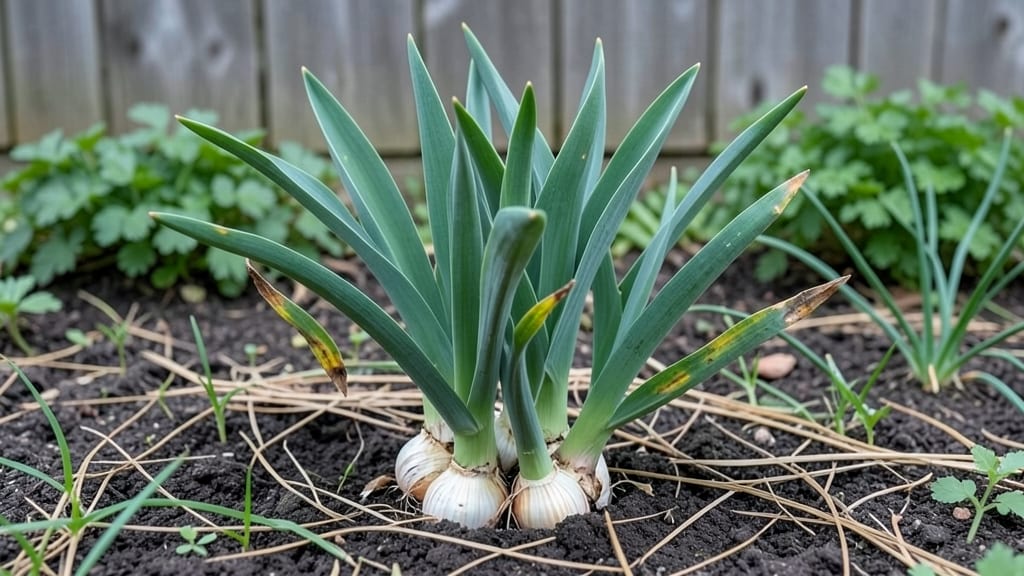
Alliums not flowering can feel like a cruel joke—your plants look healthy but refuse to put on that dramatic show of purple spikes. 🌿 I’ve wrestled with this myself, and the fix is simpler than you’d think.
Most of the time, it’s not about the alliums themselves, but what’s missing in their care: light, nutrients, or just a little patience.
The biggest culprits? Too much shade or overcrowded roots. Alliums need at least 6 hours of direct sun daily, and if they’re competing for space, they’ll focus on foliage instead of blooms.
I once had a clump of alliums that looked like they’d given up—until I thinned them out and moved them to a sunnier spot. Within weeks, they shot up with bold, globe-like flowers.
Boosting nutrients helps too. A balanced 10-10-10 fertilizer in early spring gives them the push they need. And here’s the secret: wait until the second year—many alliums need time to build roots before they’ll flower. Once you adjust these, you’ll see those iconic blooms within a season.
Works for garden borders, containers, or even as cut flowers. Let’s get those alliums back in the spotlight!
Root Causes of Missing Blooms
When your alliums refuse to flower, it’s often a sign that something fundamental isn’t quite right—whether it’s their environment, care routine, or even their biological needs. Understanding these triggers can help you diagnose and fix the issue before it’s too late.
Let’s break down the most common reasons why alliums skip their floral show, so you can get them back on track.
Alliums are sun-loving plants, and lack of light is one of the top reasons they fail to produce flowers. These bulbs need at least 6 to 8 hours of direct sunlight daily to trigger flowering.
When light levels drop—whether due to shade from trees, nearby structures, or simply being planted in a low-light spot—the plant conserves energy for survival instead of blooming.
💡 Why it matters: Insufficient light disrupts the plant’s photoperiod (light cycle), delaying or preventing the formation of flower buds. Without enough sunlight, the bulb may produce only foliage, storing energy for next year’s growth instead.
Alliums are cool-season plants, and their flowering cycle is tightly linked to temperature fluctuations. If planted in too warm a climate or exposed to unseasonal heat spikes (like early spring warmth), they may skip flowering altogether. Some varieties also require vernalization—a period of cold exposure—to initiate blooming.
📊 Key temperature triggers:
- Ideal planting time: Fall (for spring blooms) or early spring (for summer varieties).
- Cold requirement: Many alliums need 4–8 weeks below 50°F (10°C) to break dormancy and set flower buds.
- Avoid heat stress: Temperatures consistently above 80°F (27°C) can halt bud development.
🔥 Pro tip: If you live in a warm climate, try planting alliums in partial shade or use shade cloth during peak summer to mimic cooler conditions.
Alliums need consistent moisture—especially during bulb establishment and early growth—but they hate soggy soil. Both underwatering and overwatering can prevent flowering:
- Drought stress: Dry conditions force the plant to prioritize root growth over flower production. Without enough water, buds may wither before opening.
- Overwatering: Poor drainage or excessive moisture can lead to rot, weakening the bulb and preventing it from allocating energy to flowers.
- Timing matters: Withhold water slightly as buds form (about 2–3 weeks before expected blooming) to encourage stronger stems.
🌡️ Best practice: Water deeply 1–2 times per week, ensuring soil drains well. Use a moisture meter if your soil is heavy clay.
Alliums need a balanced diet, but too much (or too little) of certain nutrients can derail flowering. Here’s what to watch for:
| Nutrient Issue | Effect on Flowering | Solution |
|---|---|---|
| Low phosphorus (P) | Weakens root and flower development; buds may fail to form. | Apply a balanced fertilizer (10-10-10) in early spring or use bone meal (high in P). |
| Excess nitrogen (N) | Promotes leafy growth at the expense of flowers—think "grass" instead of blooms. | Switch to a low-nitrogen, high-phosphorus fertilizer (e.g., 5-10-10) once foliage is established. |
| Potassium (K) deficiency | Leads to weak stems and poor bud formation. | Add wood ash or greensand to the soil in early spring. |
✨ Pro tip: Conduct a soil test before fertilizing—alliums thrive in slightly alkaline soil (pH 6.5–7.5). Adjust pH if needed with lime (to raise) or sulfur (to lower).
Even the hardiest alliums need time to mature. Young bulbs (1–2 years old) may produce foliage but no flowers, as they’re still building energy reserves. Additionally, diseased or damaged bulbs (from pests, rot, or poor storage) may lack the vigor to bloom.
🔍 Signs of bulb stress:
- Stunted or yellowing leaves.
- Soft, mushy bulbs when dug up.
- No visible flower stalk after 6+ weeks of growth.
💡 Fix it:
- Replace old bulbs every 3–5 years for optimal blooming.
- Inspect stored bulbs for rot or pests before replanting.
- Plant larger bulbs (1.5–2 inches in diameter) for faster, more reliable flowering.
Hidden threats like bulb mites, thrips, or fungal infections can drain an allium’s energy, leaving it too weak to flower. Common culprits include:
- Bulb mites: Tiny pests that burrow into bulbs, causing stunted growth and no flowers.
- Thrips: Sap-sucking insects that distort buds and prevent blooming.
- Fungal diseases (e.g., botrytis, fusarium): Rot bulbs or leaves, starving the plant of nutrients.
🛡️ Prevention tips:
- Rotate planting locations to break disease cycles.
- Apply neem oil or insecticidal soap early in the season.
- Plant in well-draining soil to prevent fungal growth.
Alliums have specific depth and spacing needs. Planting too shallow or too deep (or crowding bulbs) can disrupt their natural growth cycle:
- Too shallow: Bulbs may dry out or heave in winter, weakening them.
- Too deep: Delays emergence and reduces sunlight to foliage, stunting flower production.
- Overcrowding: Competes for nutrients, leading to smaller or no blooms.
📏 Correct planting:
- Depth: 2–3 times the bulb’s height (e.g., 6–8 inches for large alliums).
- Spacing: 6–1
Reviving Your Alliums Blooming Magic
If your alliums are putting on a show with lush green leaves but skipping the star turn—those dramatic, globe-shaped blooms—don’t despair! With a few targeted tweaks, you can coax them back into flowering glory.
Below, we’ve mapped out practical fixes for the most common culprits, along with prevention tips to keep your alliums blooming like champions year after year.
Problem: Alliums need room to grow strong bulbs. When they’re packed too tightly, they divert energy to foliage instead of flowers.
How to Fix It: 🔥 🌱 Divide and Conquer
- Dig up bulbs in late summer or early fall (after foliage dies back).
- Separate offsets (smaller bulbs) from the main bulb, discarding any that are soft or moldy.
- Replant offsets 6–12 inches apart, depending on the variety (larger alliums like Allium giganteum need more space).
👨🍳 🌱 Mulch Like a Pro
- Apply 2–3 inches of organic mulch (straw, shredded bark, or compost) around the base to retain moisture and regulate soil temperature.
- Keep mulch away from the bulb crown to prevent rot.
💡 Prevention Tip:
- Plant alliums in clusters of 3–5 bulbs for a natural, fuller look—this reduces competition while encouraging stronger blooms.
Problem: Nutrient-deficient or heavy clay soil starves alliums of the energy they need for blooming.
How to Fix It: 🔥 🥗 Soil Doctor Visit
- Test your soil’s pH (aim for 6.0–7.0) and drainage. Alliums hate soggy feet!
- Amend heavy soil with compost, perlite, or coarse sand to improve aeration.
- For sandy soil, mix in well-rotted manure or peat moss to retain moisture.
🍳 🌱 Fertilize Strategically
- Spring boost: Apply a balanced, low-nitrogen fertilizer (like 5-10-10) when shoots emerge.
- Avoid high-nitrogen feeds (e.g., lawn fertilizers)—they promote leafy growth at the expense of flowers.
- Organic option: Sprinkle bone meal (high in phosphorus) around bulbs in early spring to encourage blooming.
💡 Prevention Tip:
- Top-dress annually with compost in early spring to replenish nutrients without overfeeding.
Problem: Too little or too much water stresses alliums, halting flower development.
How to Fix It: 🔥 💧 The Right Amount
- Water deeply but infrequently: Aim for 1–1.5 inches per week, including rainfall. Let soil dry slightly between waterings.
- Drought stress? Give bulbs a deep soak when the top 2 inches of soil are dry.
- Overwatering? Ensure containers have drainage holes and plant in well-draining soil.
⏰ 🌱 Timing Matters
- Reduce watering once flower stalks appear—they’re sensitive to excess moisture at this stage.
- Stop watering entirely after foliage yellows and dies back to signal bulbs to rest.
💡 Prevention Tip:
- Mulch heavily in summer to lock in moisture and protect bulbs from heat stress.
Problem: Alliums need full sun (6+ hours daily) to bloom. Too much shade = sad, flowerless stems.
How to Fix It: 🔥 🌞 Move to the Sun
- Transplant bulbs to a sunnier spot in early spring or fall. Avoid deep shade under trees or tall perennials.
- Container growers: Place pots in the brightest, most sheltered location (south- or west-facing is ideal).
🌡️ 🌱 Heat Tolerance Hack
- If your climate is hot and dry, provide afternoon shade in peak summer to prevent bulb stress.
- Reflective surfaces? Use light-colored mulch or gravel to bounce extra light onto bulbs.
💡 Prevention Tip:
- Group alliums with other sun-lovers (lavender, salvia, or ornamental grasses) to ensure they get enough light.
Problem: Neglecting post-bloom care or aggressive pruning can weaken bulbs for next season.
How to Fix It: 🔥 🌼 Deadhead Correctly
- Snip off spent flower stalks (but leave foliage!) to redirect energy to bulb storage.
- Never cut foliage until it yellows naturally—this is how bulbs store nutrients for next year’s blooms.
🔪 🌱 Prune with Purpose
- Remove only the flower stalks after blooms fade. Let the leaves stay until they brown and crisp.
- Tie tall stems (like Allium cristophii) to stakes if they flop—this prevents damage but doesn’t harm the bulb.
💡 Prevention Tip:
- Mark bulb locations with flags or pebbles to avoid accidentally digging them up during maintenance.
Problem: Rodents, slugs, or fungal issues can weaken alliums, preventing them from flowering.
How to Fix It: 🔥 🐭 Rodent Repellent
- Plant bulbs deep (8+ inches) or use chicken wire cages to deter squirrels and voles.
- Natural deterrents: Sprinkle castor oil-based repellent or plant daffodils nearby (their toxin deters pests).
🌡️ 🐌 Slug & Snail Defense
- Beer traps (bury a shallow dish filled with beer) or copper tape around pots.
- Handpick slugs at dusk and drop them in soapy water.
💡 🌱 Fungal Foes?
- Avoid overhead watering to prevent bulb rot.
- Dry out soil if you notice mold—reduce watering and improve drainage.
💡 Prevention Tip:
- Rotate planting locations every few years to prevent soil-borne diseases from building up.
With these fixes, your alliums should be bouncing back with bold, dramatic blooms in no time. The key is patience—alliums often take 2–3 years to fully establish and flower reliably. Stick with it, and you’ll be rewarded with stunning vertical interest that brightens gardens from spring to summer!
Frequently asked questions
Why are my alliums putting out leaves but no flowers?
Alliums often prioritize leaf growth over blooms when they’re too young (under 2 years old) or stressed. Check for low sunlight (they need 6+ hours daily) or excess nitrogen in fertilizer, which fuels foliage at the expense of flowers. Start with a balanced 5-10-10 fertilizer in spring and move them to a sunnier spot if needed.
Can I force alliums to flower faster?
No, but you can optimize conditions! Alliums need 2–3 years to mature. Boost blooms by ensuring proper spacing (6–12 inches apart), well-draining soil, and full sun. Avoid cutting foliage until it yellows naturally—this stores energy for next year’s flowers. Patience pays off!
What’s the best fertilizer for flowering alliums?
Use a low-nitrogen, high-phosphorus fertilizer (like 5-10-10) in early spring to encourage blooms. Avoid lawn fertilizers—they’re too heavy on nitrogen, which makes plants leafy but flowerless. Organic options like bone meal (high in phosphorus) work well too. Apply lightly and water in after.
How do I know if my allium bulbs are diseased or just slow to flower?
Check for soft, mushy bulbs (sign of rot) or yellowing leaves with no flower stalk after 6+ weeks of growth. Healthy bulbs should feel firm and have strong, upright foliage. If bulbs are diseased, replace them—alliums rarely recover from rot or pest damage.
Will dividing my alliums help them flower better?
Yes! Overcrowded bulbs compete for nutrients and often skip flowering. Dig up clumps in late summer/fall, separate healthy offsets, and replant them 6–12 inches apart. Larger bulbs (1.5–2 inches wide) flower more reliably. Just avoid dividing in spring when they’re actively growing.