
Shrubs
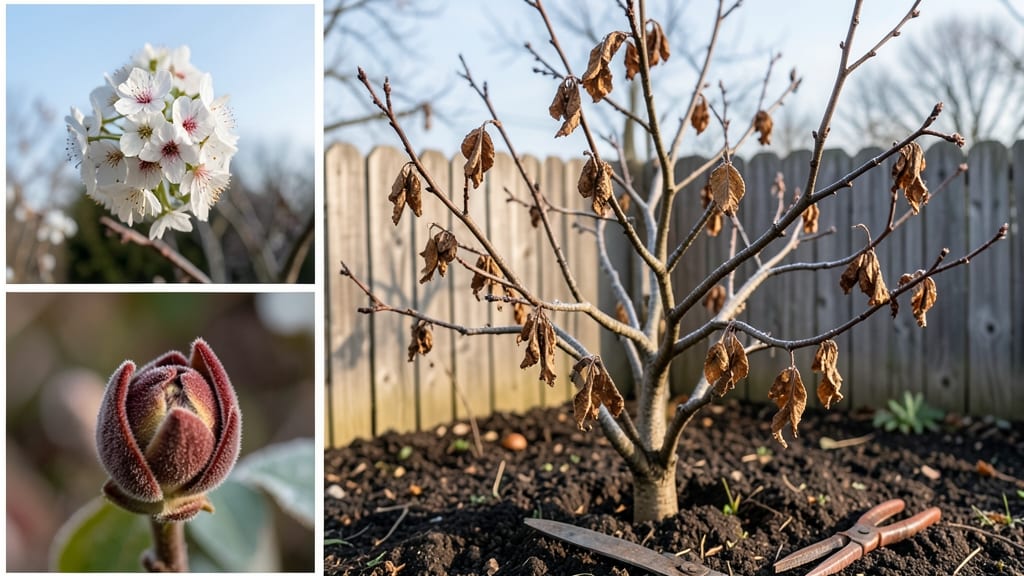
Your viburnum not flowering this spring might just need a little elbow room. Overcrowded shrubs redirect energy into leaves instead of blooms, and that’s an easy fix with the right approach.
I’ve revived multiple viburnums by addressing this exact issue—once you prune back competing growth, those showstopping clusters return every year.
The problem usually starts with dense inner branches blocking light and air flow. Viburnums need sunlight to reach their wood, and when branches tangle together, they prioritize survival over flowers.
Start by removing any crossing stems at the base, then thin out 20-30% of the oldest, thickest branches to open up the center. This isn’t just about looks—it’s about giving your plant the space to focus on what matters.
Within weeks, new shoots will push from the base, and by next spring, you’ll see those signature clusters appear earlier and more abundantly. The key is patience: viburnums reward proper pruning with 3-5 years of reliable blooming.
Even if this year’s flowers are missing, the structural work you do now sets up a decade of stunning displays.
This method works for all viburnum varieties, from the fragrant Viburnum carlesii to the bold Viburnum plicatum. The same principles apply whether your plant is young or mature—just adjust the scale. Let’s get those blooms back where they belong.
Root Causes Behind Missing Blooms
If your Viburnum shrub is refusing to put on a floral show, the issue likely stems from one (or more) of these key factors. Understanding the science behind why your plant is skipping its spring blooms is the first step toward reviving its flowering potential.
Let’s dig into the most common culprits—each with actionable insights to help you troubleshoot.
Viburnums are light-loving shrubs, and many species—like Viburnum bodnantense (Winter Beauty) or Viburnum plicatum (Japanese Snowball)—require 6 to 8 hours of direct sunlight daily to trigger flowering. When deprived of adequate light, the plant shifts its energy toward leaf growth rather than bud formation.
Why it happens: Light exposure regulates photoperiodism, a biological response where plants detect day length to initiate flowering. Short-day viburnums (e.g., Viburnum dentatum) need 12–14 hours of darkness to bloom, while long-day types (like Viburnum opulus) thrive with extended daylight. Shade from trees, buildings, or overcrowded neighbors can disrupt this cycle.
🔍 Quick check: Observe your viburnum’s location. If nearby structures cast deep shade (especially in winter), blooms may fail. Solution: Prune encroaching branches or relocate the shrub to a sunnier spot.
Many viburnums need 600–1,500 hours of temperatures between 32–45°F (0–7°C) to set flower buds the previous fall. Without adequate winter chilling, the plant may produce leaves but no flowers—a phenomenon called bud dormancy failure.
Why it happens: Flower buds form in late summer/early fall, but they require a cold stratification period to break dormancy. Mild winters (common in zones 7–9) or urban heat islands can prevent this process. For example, Viburnum trilobum (American Cranberrybush) may skip blooms if winter temps stay above 40°F (4°C) for too long.
💡 Pro tip: If you’re in a warm climate, choose heat-tolerant varieties like Viburnum suspensum (Chinese Snowball), which have lower chilling needs. Alternatively, use artificial chilling by storing cuttings in a refrigerator for 6–8 weeks before replanting (though this is advanced).
When viburnums grow too close to other plants, competition for nutrients, water, and sunlight intensifies. Dense foliage also traps humidity, creating ideal conditions for powdery mildew or leaf spot diseases, which weaken the plant’s energy reserves—diverting resources away from flower production.
Why it happens: Root competition restricts nitrogen and phosphorus uptake, critical for bud development. A study in HortScience found that viburnums in crowded conditions produced 30% fewer flowers due to stress. Additionally, poor airflow encourages fungal pathogens that stunt growth and reduce flowering.
👨🍳 Action steps:
- 🔪 Prune aggressively: Remove 20–30% of the oldest, thickest stems at the base to improve airflow. Aim for an open vase shape.
- 🌡️ Space properly: Viburnums need 3–6 feet of clearance from other shrubs (depending on the species). Dig up and relocate competing plants if necessary.
- ✨ Mulch strategically: Apply 2–3 inches of organic mulch (e.g., wood chips) to retain moisture and regulate soil temp, but keep it 6 inches away from the stem to prevent rot.
Flowering is a metabolic luxury—your viburnum prioritizes survival over blooms when stressed by drought or waterlogged soil. Both extremes disrupt photosynthesis and nutrient absorption, leading to weak or absent flower buds.
Why it happens:
- Drought stress: Viburnums have shallow roots and wilt quickly in dry soil. Underwatering reduces carbohydrate production in leaves, starving flower buds.
- Overwatering: Soggy soil leads to root rot (Phytophthora species), cutting off oxygen and nutrients. A 2018 study in Journal of Plant Diseases linked waterlogged conditions to a 50% reduction in viburnum flowering.
- Poor drainage: Clay-heavy soils trap excess moisture, while sandy soils dry out too fast. Both scenarios create nutrient imbalances.
📊 Soil test tip: Use a DIY soil test kit ($10–$15) to check pH (ideal: 5.0–7.0) and nutrient levels. Amend soil with compost or peat moss for sandy soils, or perlite for clay.
Flowering relies on a balanced diet of macronutrients (nitrogen, phosphorus, potassium) and micronutrients (magnesium, zinc). Too much nitrogen (N) promotes lush foliage but fewer flowers, while deficiencies in phosphorus (P) or potassium (K) stunt bud development.
Why it happens:
- Nitrogen overload: Fast-release fertilizers (e.g., lawn-grade 30-0-4) push vegetative growth, delaying or preventing flowering. Viburnums need a lower N ratio (e.g., 10-10-10 or 5-10-5).
- Phosphorus deficiency: Critical for energy transfer in plants, P deficiency (yellow/purple leaves) halts flower bud formation. Test soil—most viburnums need 30–50 ppm available P.
- Potassium shortage: Weakens cell walls, leading to bud drop before opening. Symptoms: Yellowing leaf edges or weak stems.
🎯 Fertilizer fix: Apply a slow-release, bloom-boosting fertilizer (e.g., Espoma Holly Tone or Miracle-Gro Shake ‘n Feed for blooming shrubs) in early spring (before buds swell) and again after flowering. Avoid high-N fertilizers in summer.
Insects like spider mites, scale insects, or Japanese beetles sap sap and distort leaves, reducing the plant’s ability to photosynthesize. Diseases such as anthracnose or viburnum leaf beetle defoliate shrubs, leaving them too weak to produce flowers.
Why it happens:
- Sap-sucking pests: Mites and scale create sticky honeydew, fostering sooty mold, which blocks sunlight. A 2020 study found that m
Revive Your Viburnum’s Blooms
Now that you understand why your vibrant viburnum shrub might be skipping its spring floral show, let’s tackle the fixes—step by step. The good news? Most issues are reversible with a little patience and care.
Below, we’ve mapped out practical solutions tailored to the root cause, plus prevention tips to keep your shrub thriving for years.
If your viburnum’s roots are tangled in competition (from other plants, weeds, or even its own suckers), it’s struggling to send energy upward to produce flowers. Here’s how to free it up:
🔪 Prune Aggressively (But Smartly)
- Remove competing plants within 3–4 feet of the viburnum’s drip line (the edge of its canopy). Use a spade or garden fork to loosen roots if needed.
- Cut back old wood (stems older than 3–5 years) at the base.
These suck up nutrients that could fuel blooms. Aim to keep 3–5 of the healthiest, youngest stems—these are your future flower producers! 3. Thin out dense foliage inside the shrub to improve airflow. Use clean, sharp pruners (dip in rubbing alcohol between cuts to prevent disease).
> 💡 Pro Tip: If your viburnum is a spring bloomer (like Viburnum bodnantense or V. carlesii), prune right after flowering to avoid cutting off next year’s buds. Fall bloomers (like V. plicatum) can handle pruning in late winter or early spring.
🌿 Loosen the Soil (Gently!)
- Use a garden fork to aerate the soil around the base, about 6–12 inches deep. This breaks up compacted layers where roots can’t expand.
- Mix in 2–3 inches of compost or well-aged manure into the top 6 inches of soil.
Avoid fresh manure—it can burn roots!
💧 Water Deeply (But Not Too Often)
- Drought-stressed roots can’t support blooms. Water deeply 1–2 times per week (depending on your climate) during dry spells.
Aim for 1–1.5 inches of water per session. - Mulch heavily (3–4 inches of shredded bark or wood chips) to retain moisture and regulate soil temperature. Keep mulch 6 inches away from the trunk to prevent rot.
If your viburnum is tucked in the shade, it’s likely starving for light—and flowers need sunlight to develop. Try these fixes:
🌳 Trim Nearby Trees or Structures
- Identify the shadiest hours of the day (usually morning or late afternoon).
If a tree or building is blocking 6+ hours of direct sun, consider: - Thinning tree branches (never remove more than 25% of a tree’s canopy at once). - Relocating the viburnum (if possible) to a sunnier spot with at least 4–6 hours of morning sun.
🎯 Choose the Right Viburnum for Your Space
Not all viburnums are shade-tolerant. If you love the location, swap out your current shrub for a partial-shade-friendly variety like:
- Viburnum dentatum (Arrowwood)
- Viburnum opulus (Guelder Rose)
- Viburnum rhytidophyllum (Leatherleaf)
> ✨ Prevention Tip: When planting new viburnums, face the shrub toward the east (for morning sun) or south (for afternoon sun) to maximize light exposure.
Even if your viburnum has space and sun, poor soil nutrition can stunt blooms. Here’s how to feed it right:
📊 Soil Test First (Skip the Guesswork!)
- Grab a DIY soil test kit (or send a sample to your local extension office) to check pH and nutrient levels.
- Viburnums prefer slightly acidic to neutral soil (pH 5.0–7.0).
If your soil is too alkaline (pH >7.5), amend with elemental sulfur or pine needles.
💪 Fertilize Strategically
- Spring (March–April): Apply a balanced, slow-release fertilizer (10-10-10 or 20-20-20).
Follow package rates—over-fertilizing causes leafy growth at the expense of flowers. - Fall (September–October): Switch to a low-nitrogen, high-phosphorus fertilizer (like 5-10-10) to encourage root and flower bud development. - Organic option: Mix bone meal (for phosphorus) into the soil in early spring to boost blooming.
> 🌡️ Warning: Avoid high-nitrogen fertilizers (like lawn fertilizers) in summer—they promote lush foliage but delay or reduce flowering.
Hidden pests or fungal infections can sap energy from your viburnum, leaving it too weak to bloom. Act fast with these fixes:
🔍 Identify the Culprit
Common viburnum pests/diseases and their fixes:
| Problem | Signs | Fix |
|---|---|---|
| Scale insects | Sticky residue, white/brown bumps | Spray with horticultural oil or neem oil in early spring. |
| Spider mites | Yellowing leaves, fine webbing | Blast off with water spray, then treat with insecticidal soap. |
| Powdery mildew | White powdery coating on leaves | Apply baking soda spray (1 tsp baking soda + 1 quart water + drop of soap) or fungicide. |
| Root rot | Wilting, yellow leaves, mushy roots | Stop overwatering, improve drainage, and treat with fungicide. |
🛡️ Prevent Future Outbreaks
- Prune diseased branches immediately and dispose of them (don’t compost!).
- Water in the morning to let foliage dry quickly (reduces mildew).
- Encourage beneficial insects (like ladybugs) by planting marigolds or dill nearby.
If your viburnum is too young or recently transplanted, it may not have the energy to flower yet. Patience is key!
🌱 Best Planting Practices
- When to plant: Fall (September–October) is ideal—cooler temps reduce stress, and roots establish before winter.
- How to plant: 1. Dig a hole twice as wide as the root ball but no deeper. 2.
Loosen roots if pot-bound, then place the shrub so the top of the root ball is level with the ground. 3. Backfill with native soil (no amendments!) and water deeply. 4. Stake only if necessary (young, top-heavy viburnums may need support).
> 🎯 Pro Tip: If you planted in spring or summer, give it 1–2 years to adjust before expecting blooms. Focus on strong root growth first!
Once your viburnum is back on track, maintain these habits to keep it flowering year after year:
✅ Prune annually (timing depends on your variety—see earlier tips). ✅ Mulch every spring to protect roots and retain moisture. ✅ Monitor for pests and treat early. ✅ Fertilize lightly in spring and fall (no summer feeding!). ✅ Water deeply during droughts (but avoid soggy soil).
Your viburnum’s comeback starts now! With these targeted fixes, you’ll likely see more abundant blooms next spring—and maybe even a few surprise flowers this season if you act fast. 🌸💐
Frequently asked questions
Why does my viburnum suddenly stop flowering after years of blooms?
Sudden flowering failures often stem from stress triggers like root competition or nutrient imbalances. Check for overcrowded roots or nearby plants stealing resources. Also verify your fertilizer mix—too much nitrogen promotes leaves over flowers. A soil test can reveal deficiencies in phosphorus or potassium, which are critical for bud formation.
Can I prune my viburnum to encourage more flowers next year?
Yes, but timing matters! For spring-blooming varieties (like Viburnum carlesii), prune right after flowering to avoid cutting next year's buds. For fall-bloomers (like Viburnum plicatum), prune in late winter. Remove 20-30% of oldest stems at the base to improve airflow and redirect energy to new growth.
How do I know if my viburnum needs more sunlight?
Look for leggy growth or small, sparse leaves—clear signs of light deprivation. Most viburnums need 6-8 hours of direct sun. Test your spot by observing shadows: if your viburnum gets less than 4 hours of morning sun, consider relocating it or thinning nearby trees. East-facing locations work well for gradual sun exposure.
Will fertilizer help my viburnum bloom this year?
Not if applied incorrectly! Use a low-nitrogen, bloom-boosting formula (like 5-10-10) in early spring before buds swell. Avoid high-nitrogen fertilizers—they encourage leafy growth at the expense of flowers. For organic options, try bone meal (for phosphorus) mixed into the soil. Fall applications of phosphorus-rich fertilizers also help set next year's buds.
Could pests be why my viburnum isn't flowering?
Sap-sucking insects (like spider mites or scale) and fungal diseases (such as powdery mildew) drain energy from your plant. Check for sticky residue (honeydew), yellowing leaves, or white powdery coatings. Treat with neem oil or insecticidal soap for pests, and baking soda spray for mildew. Early intervention restores your viburnum's energy for blooming.