
Blooming
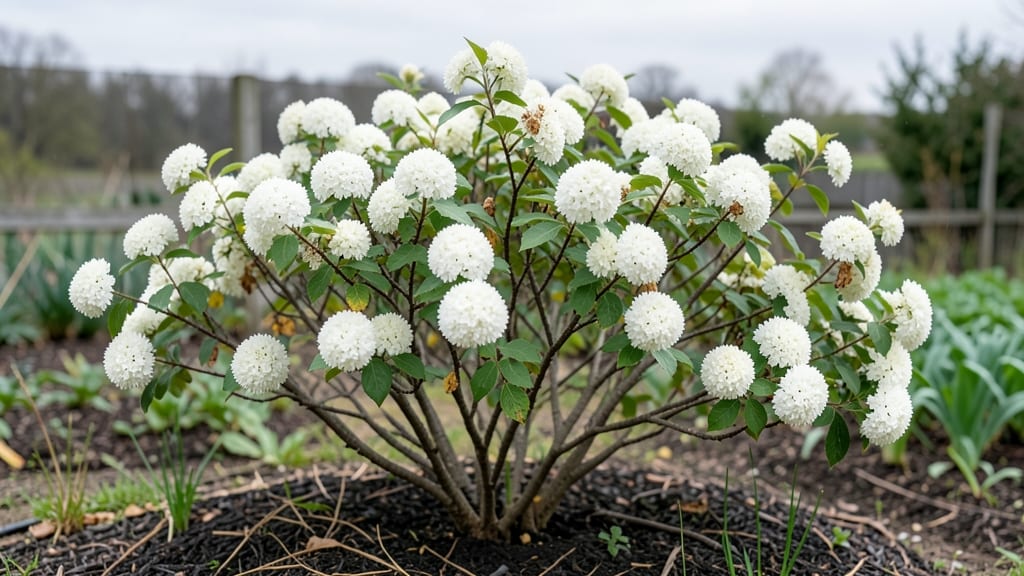
Your viburnum flowering time depends on the variety and your climate zone, but most burst into bloom between late April and early May 🌸 — a few weeks after your last frost.
Wondering when your viburnum bushes will burst into stunning blooms? The exact flowering time depends on your hardiness zone—and knowing this can mean the difference between a showstopper garden and missed beauty.
In USDA Zone 6a, like much of the Midwest, expect fragrant clusters of white or pink flowers in early spring, while southern varieties may bloom as late as June. The key to timing is understanding your local frost dates and plant maturity.
Below, I’ll break down the best months for each type, how to encourage longer blooms, and the simple pruning tricks that keep your viburnum flowering year after year.
Viburnum flowering time by hardiness Zone: exact months to expect
Timing your garden's viburnum blooms isn't just about aesthetics—it's about strategic planting and seasonal planning. Different viburnum varieties bloom at specific times, and your USDA hardiness zone shifts those windows by weeks.
For example, Viburnum bodnantense (Winter Viburnum) often blooms in late winter, while Viburnum plicatum (Japanese Snowball) peaks in mid-spring. Understanding these patterns helps you time pruning and enhance pollinator visits.
Climate plays a critical role in bloom timing. Warmer zones like USDA Zone 9 may see earlier blooms by 3-4 weeks compared to Zone 3. Even within a zone, microclimates—like urban heat islands or coastal breezes—can shift flowering by 10 days or more.
That's why I've broken down the exact months for three key viburnum types across zones, plus pro tips for adjusting to your local conditions.
Notice how Viburnum bodnantense in Zone 3 blooms in late February, while the same variety in Zone 9 starts as early as January. This 2-month shift shows why gardeners in warmer climates can plant earlier-blooming varieties like Viburnum 'Dawn' for a longer display.
In colder zones, consider heat-loving varieties such as Viburnum 'Annabelle', which thrives in Zone 4-8 and blooms reliably in May-June.
If you're in Zone 5 or 6, pay attention to late spring frosts. A Viburnum plicatum budding in April could get damaged if temperatures drop below 28°F.
To protect your blooms, I recommend covering young plants with frost cloth or choosing hardier cultivars like 'Shasta', which tolerates Zone 3-7 and blooms 1-2 weeks later than standard varieties.
For gardeners in Zone 7-9, the real magic happens with double-blooming varieties. Viburnum 'Withemii', for example, produces two flushes of flowers: once in spring and again in late summer. In Zone 9, this means you might see March blooms followed by September flowers
How to extend Viburnum blooming season with pruning and variety selection
If you love the sight of viburnum blooms but wish they lasted longer, you’re not alone! Many gardeners struggle with short-lived spring flowers on their viburnum shrubs.
The good news is that with the right pruning techniques and variety selection, you can turn a single burst of color into a season-long display. Start by choosing double-blooming varieties like Viburnum 'Withemii', which reward you with flowers in both spring and fall.
Another game-changer is strategic pruning. Unlike many shrubs, viburnums bloom on old wood, meaning last year’s growth produces this year’s flowers. Cutting back too aggressively can reduce blooms—but timing matters. Prune right after flowering to shape your shrub without sacrificing next year’s blooms.
For extended flowering, focus on microclimate adjustments, like planting near a south-facing wall to capture extra warmth for earlier blooms.
🌸 Key Takeaway: Extend Viburnum Blooms
For double-blooming viburnums, the secret lies in their genetics. Varieties like Viburnum 'Withemii' (also called Japanese Snowball) produce white spring blooms followed by red berries that turn into fall flowers.
Another top pick is Viburnum 'Burkwood', which blooms in late winter to early spring and often reblooms lightly in fall. If you’re in a cooler climate, these varieties thrive better than single-blooming types.
Timing your pruning cuts is critical. After your viburnum finishes flowering, grab your pruners and remove any dead or crossing branches. Avoid heavy pruning—stick to light shaping to maintain the shrub’s natural form.
For older viburnums, you can rejuvenate them by cutting back one-third of the oldest stems to the ground every few years, but do this gradually over 3 years to avoid shock.
Don’t overlook the power of microclimates in your garden. A south-facing wall or a sheltered spot can warm the air enough to trigger earlier blooming. In cooler zones (USDA 3-5), this can mean the difference between May flowers and April blooms.
Pair this with mulching around the base of your viburnum to insulate roots and encourage stronger growth.
Finally, feed your viburnum at the right time. Apply a balanced fertilizer (like 10-10-10) in early spring as new growth emerges. Avoid fertilizing in late summer or fall, as this can stimulate tender growth that won’t survive winter.
For container-grown viburnums, use a slow-release fertilizer to keep nutrients steady without overfeeding.
With these simple strategies, your viburnum can go from a one-season spectacle to a year-round star. Start with the right variety, prune smartly, and give it a favorable microclimate—your garden will thank you with longer, brighter blooms every season. 🌷