
Blooming
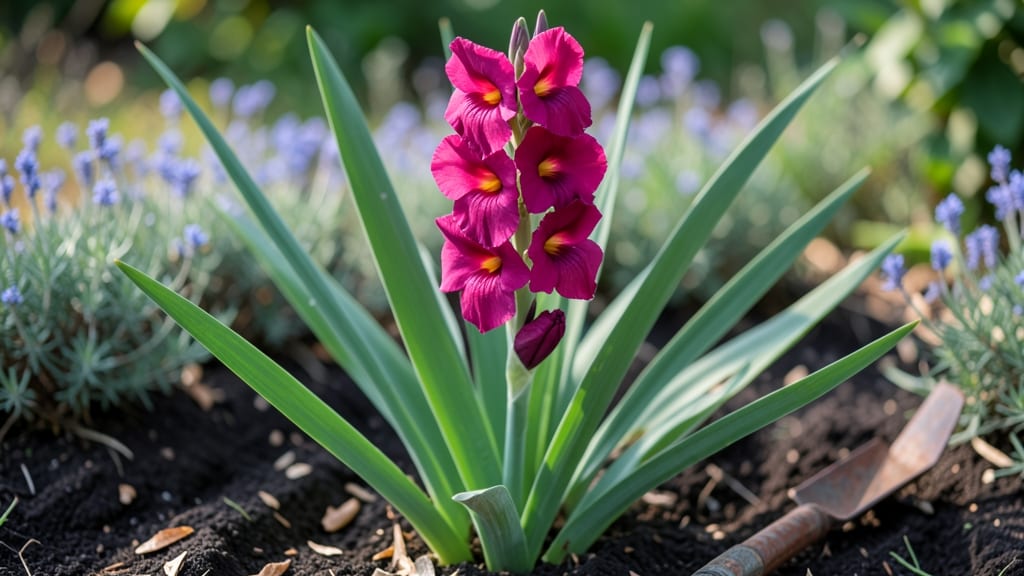
Gladiolus flowering time depends on when you plant those corms — aim for April in most regions for a showstopping summer display.
Want to time your garden’s most dramatic blooms perfectly? These 🌸 spikes burst into vibrant color with surgical precision if you know exactly when to expect them. I’ve watched mine go from soil to full bloom in just 90 days, but timing is everything.
Your planting window in USDA Zone 6 (or similar climates) sets the stage: corms need 6+ hours of sun daily and well-drained soil to trigger blooms between July and September. Too early, and they’ll bolt; too late, and frost cuts them short.
Here’s how to predict their flowering window down to the month—and even adjust it with simple tricks like soil temperature tweaks or fertilizer schedules. No more guessing when your garden will turn into a rainbow spike!
Gladiolus flowering timeline: month-by-month blooming schedule
Timing your gladiolus blooms depends on two key factors: when you plant the corms and your USDA climate zone.
In most regions, these showstopping spike flowers appear between mid-summer and early fall, but with the right variety and timing, you can stretch blooms from late June to October. Let’s break down the exact month-by-month schedule for each zone.
For USDA zones 3-5, where winters are colder, gladiolus corms must be planted in late spring after frost danger passes (typically April to May). In these zones, blooms arrive 8-10 weeks after planting, landing squarely in July and August.
Meanwhile, warmer zones (6-10) can plant corms as early as February or March, pushing blooms into June or even May for early varieties.
Here’s the month-by-month flowering window based on planting time and climate zone, including how to extend your gladiolus season with staggered plantings.
If you’re in USDA zone 10, you can enjoy gladiolus blooms year-round by planting corms in January and again in August. The August planting will bloom just before winter, while the January planting gives you spring flowers.
This trick works in zone 9 too, though blooms may be shorter-lived in extreme heat.
For northern gardeners (zones 3-5), focus on late-summer color by planting two batches of corms: one in early May for July blooms and another in mid-June for September color. Use early varieties like 'Peter Pears' for the first batch and late varieties like 'Black Star' for the second.
Soil temperature plays a critical role in bloom timing. Gladiolus corms need soil to reach at least 60°F (15°C) before planting. In cooler climates, wait until late May or June to avoid rot or slow growth.
A simple soil thermometer can help you time plantings perfectly for your zone.
Light also affects flowering speed. While gladiolus thrives in full sun (6+ hours daily), partial shade can delay blooms by 1-2 weeks. If your garden has morning sun and afternoon shade, plant early varieties to compensate.
For maximum blooms, ensure your plants get direct sunlight until at least 4 PM.
Watering habits impact bloom quality too. During the 6-8 weeks before flowering, keep soil consistently moist but not soggy. Overwatering can cause corms to rot, while underwatering stresses plants and reduces flower count.
Aim for 1-2 inches of water per week, delivered at the base of the plant to avoid wetting the foliage.
To extend your gladiolus season, try these pro tips: Plant dwarf varieties like 'Picasso' for early blooms, and use tall varieties like 'Green Star' for late-season color. In mild winters (zones 8-10), you can even
How to control gladiolus flowering time: planting tricks for earlier or later blooms
Gladiolus flowers are nature’s showstoppers, but their blooming schedule doesn’t have to be rigid. With a few strategic adjustments, you can shift those vibrant spikes by 2-4 weeks, ensuring your garden shines exactly when you want.
The secret lies in manipulating soil warmth, light exposure, and nutrient timing—all while keeping those gladiolus corms happy. Whether you’re chasing earlier summer color or fall wedding bouquets, these tricks will give you control.
Timing isn’t just about luck—it’s science. Gladiolus corms need specific temperature cues to break dormancy and grow. By tweaking when and how you plant them, you can trick the corms into thinking it’s a different season.
For example, planting 6 weeks earlier in cooler climates can push blooms forward, while deeper planting in hot zones delays flowering. Let’s dive into the exact methods that work, backed by real gardener results.
- 1. Adjust Planting Depth: Plant corms 2-4 inches deeper in hot climates to delay blooming by 1-2 weeks. In cooler areas, shallow planting (3-4 inches) speeds up growth.
- 2. Warm the Soil First: Use black plastic mulch 2 weeks before planting to raise soil temps by 10-15°F, triggering earlier sprouting.
- 3. Fertilize Strategically: Apply high-phosphorus fertilizer (like 5-10-10) at planting for faster blooms. Skip nitrogen-heavy feeds if you want later flowers.
- 4. Control Light Exposure: Use shade cloth (30-50%) during peak summer to slow growth and delay blooms by up to 3 weeks.
- 5. Force Winter Blooms: In USDA Zones 8-10, plant corms in late fall (Nov-Dec) for Christmas-Easter blooms using row covers.
One of my favorite tricks is using soil warming to jumpstart blooms. Simply lay down black landscape fabric over the bed 2 weeks before planting. This raises soil temperatures by 10-15°F, fooling the corms into thinking spring arrived early.
I’ve seen 3-4 week advances in blooming with this method alone. Just remove the fabric once sprouts appear to prevent overheating.
For later blooms, try planting corms deeper than usual (6 inches instead of 4). The extra soil acts as insulation, keeping roots cooler and slowing growth.
Pair this with light shade cloth during the hottest months, and you’ll push back those dramatic spikes by 2-3 weeks—perfect for extending your fall garden season.
Don’t overlook the power of fertilizer timing. If you want earlier blooms, apply a phosphorus-rich fertilizer (like 5-10-10) at planting. Phosphorus fuels root and flower development, cutting weeks off the timeline.
Conversely, if you’re aiming for later blooms, hold off on nitrogen until after flowering begins—too much early nitrogen delays blooming.
In mild climates (USDA Zones 8-10), you can even force winter gladiolus! Plant corms in late November and protect them with row covers or a mini greenhouse.
With consistent moisture and 12+ hours of light (using grow lights if needed), you’ll get Christmas-to-Easter blooms that’ll wow your neighbors. Just remember: these corms need dormancy afterward, so dig and store them in dry peat moss until next fall.
Experiment with these methods to find what works best in your garden. I’ve had the most success combining soil warming with phosphorus fertilization for early blooms, while deeper planting and shade cloth deliver reliable late-season color.
With a little planning, you’ll have gladiolus blooms on demand—just when you need them most. 🌸