
How To
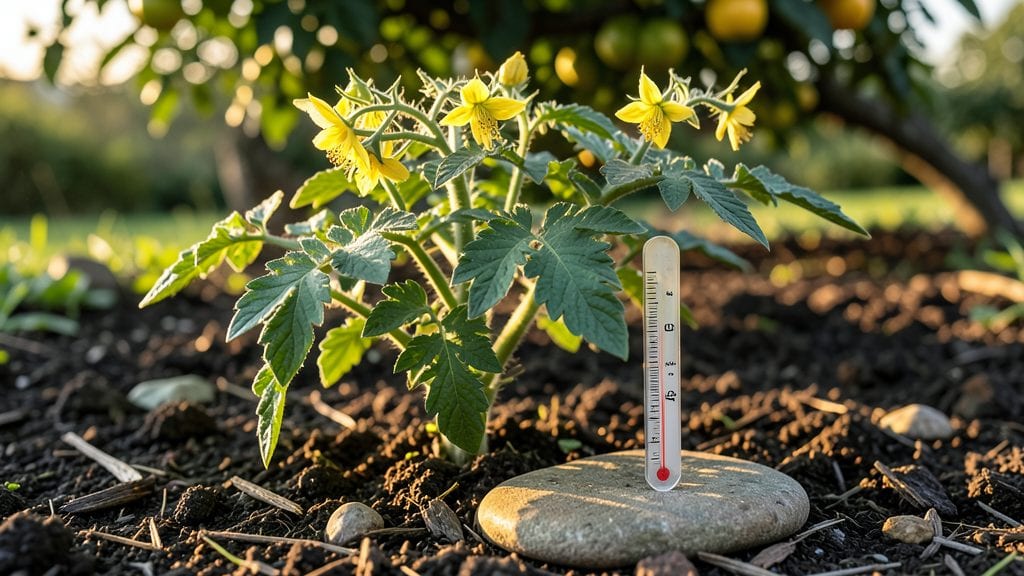
When tomatoes start flowering too early, you’re basically racing against time to save your harvest. 🌱 I’ve seen it happen in my own garden—plants bursting into bloom before they’re ready, leaving tiny, bitter fruit that never ripens properly.
The key isn’t just to stop the flowers but to give your plants the right conditions so they focus on growth instead.
The main culprits are heat stress, inconsistent watering, or over-fertilizing with nitrogen. Early blooms often mean the plant is trying to reproduce before it’s strong enough, usually because it’s been pushed too hard.
The fix starts with adjusting light, water, and nutrients to slow things down—think of it like hitting the pause button on nature’s timeline.
By pruning suckers, shading plants from intense afternoon sun, and cutting back on water and fertilizer, you’ll encourage the plant to redirect energy into leaf and stem growth. Within a few weeks, you’ll see stronger vines and delayed flowering—meaning bigger, sweeter tomatoes when harvest time finally arrives.
This works for both container and in-ground plants, and it’s especially helpful in warm climates where early blooms are common. The goal is to give your tomatoes the time they need to mature properly, so you don’t end up with a season of tiny, underripe fruit.
Let’s get those plants back on track!
What Triggers Early Blooms
When your tomato plants decide to throw a party a little too soon, it’s usually because they’re reacting to environmental or cultural cues that signal it’s time to reproduce—even if you’re not ready for the harvest.
Understanding these triggers helps you adjust conditions to delay flowering and give your plants the best chance to grow strong, productive vines before setting fruit. Here’s what’s likely pushing those blooms too early:
Tomatoes are tropical plants at heart, and they love warmth—but not too much too soon. When daytime temperatures climb above 85°F (29°C) before the plants are fully established, they can trigger early flowering as a survival mechanism.
This is especially common in: - Greenhouse-grown tomatoes exposed to sudden heat spikes. - Early spring plantings where warm days arrive before the soil and roots are ready. - Regions with unpredictable weather, like deserts or coastal areas with hot afternoons.
Why it happens: Tomatoes perceive heat stress as a signal that conditions might worsen (e.g., drought or extreme heat), prompting them to reproduce quickly. The plant’s hormonal response—specifically, an increase in ethylene gas and florigen (a flowering hormone)—kicks into overdrive, leading to premature blooms.
Actionable fix:
- Use shade cloth (30-50% coverage) to protect young plants from intense midday sun.
- Water deeply to keep soil temperatures stable (cool roots = delayed flowering).
- Choose heat-tolerant varieties like ‘Solar Fire’ or ‘Heatmaster’ if you’re in a hot climate.
Too much water—especially inconsistent moisture—can send mixed signals to your tomato plants. While they need hydration, excessive watering (or waterlogged soil) stresses the roots, forcing the plant to prioritize reproduction over vegetative growth.
This is common in: - Containers with no drainage holes, where roots sit in soggy soil. - Heavy clay soils that retain moisture but suffocate roots. - Drip irrigation systems running on a timer without soil checks.
Why it happens: When roots can’t access oxygen (a condition called hypoxia), the plant’s abscisic acid (ABA) levels spike—a stress hormone that triggers flowering. Additionally, overwatering can leach out nutrients like nitrogen, which tomatoes need for leafy growth instead of fruit production.
Actionable fix:
- Let the top 1-2 inches of soil dry out between waterings (stick your finger in to check!).
- Amend heavy soils with compost or perlite to improve drainage.
- Use mulch (straw or grass clippings) to regulate soil moisture and temperature.
Tomatoes need 12-16 hours of sunlight daily, but too much light too early can shock young plants into flowering.
This often happens when: - Seedlings are moved outside too soon (e.g., before last frost but with long daylight hours). - Greenhouse lights are on for extended periods, tricking plants into thinking it’s summer. - Plants are crowded, causing competition for light and stress responses.
Why it happens: Light exposure regulates the plant’s circadian rhythm and photoperiod. When young tomatoes receive long daylight periods (like 14+ hours) before they’re mature, their phytochrome pigments detect this as a signal to flower. This is why early spring plantings in northern latitudes often bolt prematurely.
Actionable fix:
- Gradually acclimate seedlings to outdoor conditions (harden off slowly over 7-10 days).
- Use blackout cloth at night in greenhouses to reduce daylight hours to 10-12 hours for the first 2-3 weeks.
- Space plants properly (18-24 inches apart for indeterminates) to avoid light competition.
Tomatoes are heavy feeders, and their nutrient needs shift as they grow. If they’re not getting the right balance—especially nitrogen (N) vs. phosphorus (P)—they’ll prioritize flowering over foliage.
Common culprits: - Over-fertilizing with phosphorus-heavy feeds (e.g., bone meal or high-P fertilizers like 5-10-10). - Under-fertilizing with nitrogen (e.g., using only compost tea without a balanced fertilizer). - Soil deficiencies in potassium (K) or micronutrients like calcium or magnesium.
Why it happens:
- High phosphorus triggers flowering hormones (like florigen) before the plant is ready.
- Low nitrogen stunts leaf growth, causing the plant to redirect energy to reproductive stages.
- Calcium deficiencies (common in acidic soils) lead to blossom end rot, but also send stress signals that mimic flowering cues.
Actionable fix:
- Use a balanced fertilizer (like 10-10-10 or 5-5-5) and side-dress with nitrogen-rich amendments (e.g., blood meal or fish emulsion) when plants are young.
- Avoid phosphorus-heavy fertilizers until plants are at least 4-6 weeks old and have 4-5 true leaves.
- Test your soil (pH should be 6.0-6.8) and amend with lime if it’s too acidic.
Not all tomatoes are created equal—and some varieties are genetically programmed to flower early, especially if they’re:
- Determinate (bush) varieties like ‘Roma’ or ‘Celebrity’, which set fruit all at once and may bolt faster.
- Day-neutral or short-day plants that flower based on temperature rather than daylight (e.g., ‘Stupice’ or ‘Cherokee Purple’).
- Heirloom or open-pollinated seeds from regions with shorter growing seasons (they’ve evolved to flower quickly).
Why it happens: Some varieties have shorter juvenile phases (the time between seedling and flowering). If you’re growing a fast-maturing type, it might bolt before you expect—especially in warm climates.
Actionable fix:
- Choose slow-bolting, indeterminate varieties like ‘Sungold’ or ‘Better Boy’ for extended harvests.
- Start seeds indoors 6-8 weeks before the last frost to give plants a head start.
- Select heat-tolerant, long-season varieties if you’re in a hot climate (e.g., ‘Heatmaster’ or ‘Arkansas Traveler’).
Fix Early Blooms Naturally
Now that you understand why your tomatoes are flowering too early, let’s roll up our sleeves and get to work! The good news is that most of these issues can be resolved—or even prevented—with simple, garden-friendly adjustments.
Below, we’ve mapped out practical solutions for each common cause, along with prevention tips to keep your plants on track for a bountiful harvest.
Fix: Adjust growing conditions to stabilize temperatures.
- 🌞 Shield from extreme heat: If daytime temps soar above 90°F (32°C), provide afternoon shade with floating row covers, shade cloth (30-50%), or temporary shade structures.
Even a white sheet draped over a trellis can work in a pinch. - ❄️ Protect from cold snaps: If nights dip below 55°F (13°C), cover plants with lightweight row covers or old blankets secured with bricks or clips.
Avoid plastic—it traps moisture and can cause rot. - 💧 Boost root health: Water deeply early in the morning to keep soil cool. Mulch with straw or grass clippings to insulate roots and retain moisture.
💡 Pro Tip: If your plants are already flowering early, prune back some of the blossoms (gently twist them off) to redirect energy to root and stem growth. This won’t waste your effort—those early flowers often fall off anyway!
Fix: Rebalance soil nutrients and feeding schedule.
- 🚫 Stop the nitrogen binge: If your plants are lush but leggy with few flowers, cut back on high-nitrogen fertilizers (like fresh manure or blood meal).
Switch to a balanced or phosphorus-heavy formula (5-10-10 or 3-4-6 ratio) to encourage blooming. - 🍅 Feed the right way: Apply fertilizer only when soil is moist (never on dry soil) to prevent root burn.
For container-grown tomatoes, dilute liquid fertilizer to half-strength and feed every 2-3 weeks during fruiting. - 🌿 Boost organic matter: Amend soil with compost, worm castings, or well-rotted manure to improve overall health. Avoid synthetic fertilizers late in the season—they can spur late growth that won’t harden off before frost.
✨ Prevention Tip: Test your soil before planting! A simple DIY soil test kit (or send a sample to your local extension office) will tell you if you’re overdoing it on nitrogen or lacking key minerals like potassium.
Fix: Establish a consistent watering routine.
- 💦 Water deeply and infrequently: Tomatoes thrive on 1-2 inches of water per week, delivered at the base of the plant (not overhead).
Use drip irrigation or soaker hoses to keep foliage dry and prevent disease. - 🌱 Avoid soggy soil: If your soil drains poorly, raise beds or add compost to improve aeration. Yellowing leaves or wilting despite water?
You might be overwatering—let the top inch of soil dry out between waterings. - 🌅 Time it right: Water early in the morning to reduce evaporation and fungal risks. If you must water in the evening, avoid wetting leaves to prevent blight.
🎯 Quick Fix: If your plants are already stressed, flush the soil with water to leach out excess salts (common with tap water or over-fertilizing), then adjust your routine.
Fix: Support recovery and root growth.
- 🌱 Harden off properly: If you transplanted seedlings too soon, gradually acclimate them to outdoor conditions over 7-10 days before planting.
Start with 2-3 hours of sun per day, increasing daily. - 🔄 Improve root environment: If roots are bound or circling (common with container-grown plants), loosen roots gently before transplanting.
Mix in perlite or vermiculite to improve drainage. - 🍅 Prune for recovery: If your plant looks shocked, trim back any yellow or damaged leaves to redirect energy. Avoid heavy pruning—just remove the worst offenders.
💡 Pro Tip: After transplanting, water thoroughly and apply a root stimulator (like seaweed extract) to encourage growth.
Fix: Choose the right tomatoes for your climate.
- 🍅 Pick heat-tolerant varieties: If you live in a hot climate, opt for heat-resistant tomatoes like ‘Solar Fire,’ ‘Heatmaster,’ or ‘Arkansas Traveler.’
These are bred to handle high temps without early flowering. - 🌱 Adjust planting time: If your season is short, start seeds indoors 6-8 weeks before the last frost and plant out after soil warms to 60°F (15°C).
For warm climates, plant in late spring or early summer to avoid summer heat stress. - 🌿 Succession plant: If space allows, plant a second crop 4-6 weeks after the first to stagger flowering and fruiting times.
🔥 Prevention Tip: Always check seed packets or plant tags for days to maturity and temperature requirements before buying!
To keep your tomatoes flowering at the right time, follow this year-round prep guide:
| Task | When to Do It | How to Do It |
|---|---|---|
| Soil prep | Fall or early spring | Add compost, test pH (aim for 6.0-6.8) |
| Seed starting | 6-8 weeks before last frost | Use sterile soil, keep warm (70°F) |
| Hardening off | 1-2 weeks before transplant | Gradually expose to sun/wind |
| Transplanting | After soil warms to 60°F | Water deeply, mulch, avoid over-fertilizing |
| Fertilizing | Every 2-3 weeks (spring-fall) | Use balanced fertilizer, reduce nitrogen later |
| Pruning | Regularly (remove suckers) | Pinch off early flowers if needed |
| Pest/disease watch | All season | Monitor leaves, treat early with neem oil |
Final Thought: 🍅 Patience is key! If your tomatoes are already flowering early, don’t panic—focus on supporting root health, stabilizing temperatures, and adjusting care. With these fixes, your plants will bounce back and deliver juicy, vine-ripened tomatoes just in time for harvest!
Frequently asked questions
Why do my tomato plants keep flowering before they're big enough?
Tomatoes often bolt early due to heat stress (above 85°F/29°C), inconsistent watering, or too much nitrogen fertilizer. These conditions trick the plant into thinking it's time to reproduce. The key is stabilizing temperatures with shade cloth and adjusting water/nutrients to encourage leafy growth first.
Can I safely remove early tomato flowers to delay fruiting?
Yes! Gently twist off early flowers to redirect the plant's energy toward stem and leaf growth. Focus on removing flowers from the lower third of the plant first. This won't waste your effort - those early blooms often wouldn't produce quality fruit anyway. Just be patient and monitor for new growth.
What's the best fertilizer ratio to prevent early blooming?
Use a balanced fertilizer like 10-10-10 or 5-5-5 during early growth stages. Avoid high-phosphorus fertilizers (like bone meal) until plants are established. For container tomatoes, dilute liquid fertilizer to half-strength to prevent overfeeding.
Will pruning help stop early flowering?
Yes, but focus on removing suckers (side shoots) rather than flowers. Prune aggressively to redirect energy to the main stem. Remove any flowers that appear below the first 6-8 inches of the plant. This gives your tomato more time to develop a strong root system before setting fruit.
Can I still get a good harvest if my tomatoes flowered early?
While early flowers may produce small fruit, your plant will redirect energy to later blooms. Focus on supporting the main stem, providing consistent care, and removing any remaining early flowers. With proper conditions, you'll still get a bountiful harvest just later in the season.