
Planting
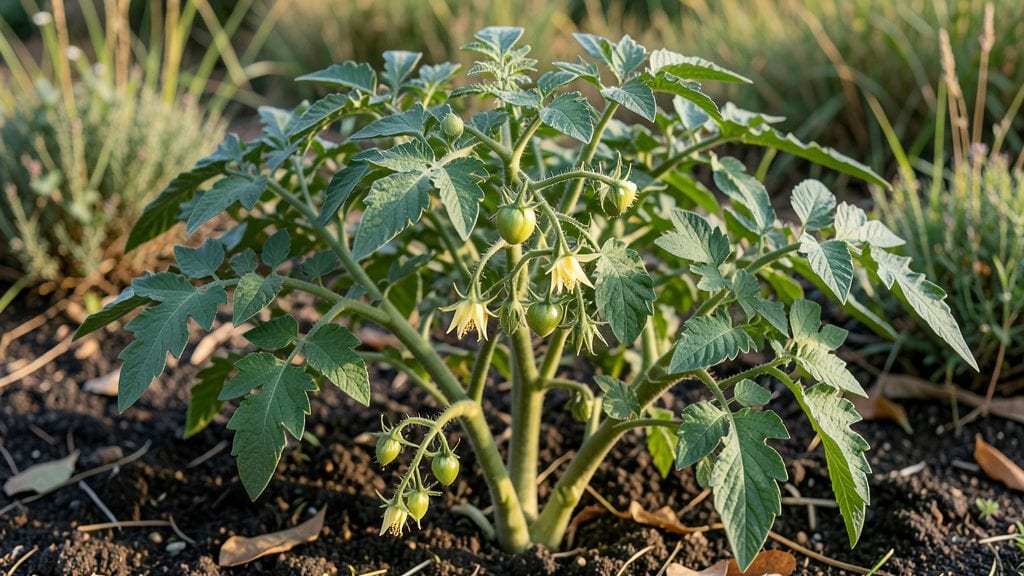
When tomato plants flowering early derail your harvest plans, it’s usually a temperature or light mix-up—and the fix is simpler than you’d think. 🌱 I’ve seen seedlings bolt in May because they got too much sun or not enough chill, and the result was a handful of tiny tomatoes before the real growing season even started.
The good news? A few targeted tweaks can reset your plants and give them a second chance at a productive season.
Most early flowering stems from sudden warmth or long daylight hours tricking the plant into thinking it’s late summer.
Your best moves are shading young plants from intense afternoon sun, holding off on heavy nitrogen fertilizer (which pushes leaves over fruit), and giving them cooler nights by moving containers to shaded spots or using row covers.
Prune those first flower clusters if they’re tiny—it sounds counterintuitive, but it forces the plant to focus on stronger growth before setting fruit.
Within 10-14 days of adjusting care, you’ll see new, sturdier stems with bigger flower clusters forming. The key is consistency: keep soil moist but not soggy, and avoid letting temps spike above 85°F during the day.
By mid-June, you’ll have a plant that’s finally ready to produce the pound-sized tomatoes you planted for—no more premature blooms wasting energy.
This works for both determinate (bush) and indeterminate (vining) varieties, though vining types need extra support once they’re growing right. The same tricks apply whether you’re dealing with seedlings in flats or established plants in the ground. Let’s get those tomatoes back on track!
Triggers Behind Early Blooms
When your tomato plants start flowering earlier than expected, it’s often a response to specific environmental or genetic signals. Understanding these triggers helps you adjust care strategies to maximize fruit production. Here’s why it happens—and how to work with (or against) nature’s cues.
Tomatoes are sensitive to temperature fluctuations, and sudden warmth can accelerate their life cycle. Here’s how it plays out:
- Daytime heat: When daytime temps consistently hit 70–85°F (21–29°C), tomato plants detect this as an ideal growing window and rush into flowering. This is especially true for determinate varieties, which bolt (flower early) faster in heat.
- Nighttime warmth: Nights above 60°F (15°C) prevent pollen from setting properly (a phenomenon called heat stress), but the plant still triggers blooms. If nights stay warm but days are hotter, flowers may appear but fail to fruit.
- Cold snaps followed by heat: A sudden warm-up after cooler weather can shock the plant into flowering. For example, if your region dips into the 50s°F (10–15°C) at night and then jumps to 80°F (27°C) during the day, the plant may interpret this as a signal to "hurry up and reproduce."
💡 Pro Tip: If you’re growing in a cooler climate, use row covers or black plastic mulch to warm the soil gradually. This helps delay flowering until nighttime temps are consistently above 60°F (15°C), improving fruit set.
Tomatoes thrive on 12–16 hours of sunlight daily, but too much light—or sudden changes in exposure—can push them into early flowering. Here’s why:
- Longer daylight hours: As summer solstice approaches, days lengthen, and tomato plants (especially photoperiod-sensitive varieties like some heirlooms) may interpret this as a signal to flower faster. This is more common in northern latitudes.
- Transplant shock from full sun: If seedlings were grown in partial shade and then moved to a bright, sunny spot, the abrupt light increase can trigger a growth spurt and early blooming.
- Greenhouse or container heat buildup: Glass or plastic traps heat, raising soil temps and accelerating flowering. Even if outdoor temps are mild, indoor containers can hit 90°F (32°C)+, confusing the plant’s internal clock.
🌡️ Actionable Fix: If your plants are flowering too soon due to light, provide afternoon shade (especially in hot climates) with shade cloth (30–50% coverage). For greenhouse growers, use ventilation fans or shade paint on walls to moderate heat.
Tomatoes are water-sensitive, and fluctuations in moisture levels can send mixed signals about when to flower. Here’s how:
- Drought stress: When soil dries out, tomato plants may bolt (send up flower stems) as a survival tactic, assuming they need to reproduce quickly. This is common in sandy or well-draining soils where water evaporates fast.
- Overwatering: While too little water causes stress, excessive moisture (especially in cool weather) can also trigger early flowering. Roots in soggy soil may struggle to absorb nutrients, prompting the plant to focus on reproduction.
- Irregular watering: Skipping water for a few days and then drowning the plants sends erratic signals. The plant may interpret this as a "dry spell," prompting a rush to flower before another drought.
💧 Best Practice: Aim for 1–1.5 inches (2.5–4 cm) of water per week, delivered deeply at the base (not overhead). Use drip irrigation or soaker hoses to maintain consistent moisture. Mulch with straw or grass clippings to retain soil humidity.
Not all tomato varieties are created equal—some are hardwired to flower early under certain conditions. Here’s what to watch for:
- Determinate varieties: These bush tomatoes (e.g., Roma, Celebrity, Better Boy) are bred to flower early and produce a single harvest. They often bolt faster in heat, making them less ideal for long growing seasons.
- Heirloom and photoperiod-sensitive types: Some heirlooms (like Brandywine or Cherokee Purple) are sensitive to daylight length. If they experience 14+ hours of daylight, they may flower prematurely, even in cooler temps.
- Cold-tolerant hybrids: Varieties like Stupice or Siberian tomatoes are bred to handle cooler climates but may flower early if nighttime temps rise above 50°F (10°C).
🌱 Smart Swap: If you’re in a short-season climate, opt for indeterminate varieties (e.g., Sungold, Beefsteak) or heat-tolerant hybrids like Heatmaster. These delay flowering and continue producing over a longer period.
Tomato plants release ethylene gas and other hormones in response to stress or fertility changes, which can trigger early flowering. Key culprits:
- Nutrient deficiencies: Low phosphorus (P) or potassium (K) can cause plants to flower early as a survival mechanism. A quick soil test reveals imbalances—look for yellowing leaves or weak stems.
- Over-fertilization with nitrogen (N): Too much N promotes leafy growth but can delay flowering. However, if you suddenly reduce N (e.g., switching from a high-N fertilizer to a bloom booster), the plant may interpret this as a signal to reproduce.
- Physical stress: Damage from pests (e.g., hornworms), pruning, or transplant shock can release stress hormones like abscisic acid (ABA), prompting early blooms.
💡 Fix It Fast: Balance your fertilizer with a 5-10-10 or 10-20-20 ratio (lower N, higher P/K) to encourage flowering. Avoid sudden changes—transition fertilizers gradually over 2–3 weeks.
Your location plays a surprising role in early flowering. Here’s how:
- High-altitude growing: Cooler temps at elevations above 3,000 ft (914 m) can delay flowering, but if a sudden heatwave hits, plants may bolt rapidly to take advantage of the warm spell.
- Equatorial or tropical climates: In regions near the equator (e.g., Florida, Southeast Asia), tomatoes may flower year-round due to consistent warmth. However, if you’re in a subtropical zone with mild winters, a warm spell in early spring can trigger premature blooms before the soil is ready.
- <
Quick fixes for early blooming tomatoes
Early flowering in tomato plants can be frustrating, but with the right adjustments, you can still maximize fruit production. Below are practical, cause-specific solutions to help your plants redirect energy toward stronger growth and better fruit set.
Whether your tomatoes are blooming too soon due to environmental stress, poor nutrition, or genetic quirks, these fixes will get you back on track—fast!
If your plants are flowering early because of heat stress or inconsistent light, they’ll struggle to produce quality fruit. Tomatoes thrive in warm days (70–85°F) and cool nights (55–65°F)—anything hotter or colder throws off their growth cycle.
How to Adjust:
- 🌿 Move or shade plants if daytime temps exceed 90°F. Use shade cloth (30–50%) or relocate containers to a spot with morning sun and afternoon shade.
- 🌙 Extend daylight gradually if nights are too short (common in early spring).
Use a grow light for 12–14 hours/day to delay flowering until plants are stronger. - 💧 Water deeply in the evening to lower soil temps and reduce heat stress. Avoid wetting leaves to prevent fungal issues.
💡 Prevention Tip:
Plant heat-tolerant varieties like ‘Solar Fire’ or ‘Heatmaster’ if you live in a hot climate. These breeds handle early heat better than standard tomatoes.
Early flowering often means your plant is starving for nutrients, forcing it to reproduce before it’s ready. Tomatoes need more nitrogen (N) early on to build foliage, then a shift to phosphorus (P) and potassium (K) for flowering and fruiting.
How to Adjust:
- 🔥 Pause flowering boosters (like 5-10-5 or bloom-specific fertilizers) if you see early flowers. Switch to a high-nitrogen fertilizer (e.g., 10-5-5 or fish emulsion) for 2–3 weeks.
- 🥗 Feed with compost or worm castings for slow-release nutrients.
Mix 1–2 cups per plant into the soil at transplanting. - 💧 Flush soil monthly with water to prevent salt buildup from fertilizers, which can stress roots.
💡 Prevention Tip:
Use a soil test kit before planting. If your soil is low in organic matter, amend it with compost or aged manure 4–6 weeks before transplanting.
Inconsistent watering or low humidity can trick tomato plants into flowering early. They need steady moisture (1–1.5 inches per week) and moderate humidity (40–70%) to grow strong stems and leaves.
How to Adjust:
- 💧 Water at the base daily (especially in containers) to keep soil evenly moist. Drip irrigation is ideal—it avoids leaf wetness and evaporation.
- 🌬️ Increase humidity if your climate is dry.
Place a shallow tray of water near plants or mist leaves early in the morning (avoid evening misting to prevent disease). - ⏰ Avoid overwatering—soggy soil leads to root rot, which weakens plants. Check soil moisture 1 inch below the surface before watering.
💡 Prevention Tip:
Mulch with straw or grass clippings to retain soil moisture and regulate temperature. This reduces stress and delays premature flowering.
If your tomato plant is overloaded with flowers, it’s diverting energy away from leaf growth. Pruning helps balance the plant’s focus back to vegetative (leaf) growth before flowering.
How to Adjust:
- 🔪 Remove early flowers (especially on indeterminate varieties). Pinch off clusters until the plant has 5–7 strong leaves above the first flower set.
- 🍃 Prune suckers aggressively. Suckers (shoots in the leaf axils) compete for energy.
Remove them weekly to encourage upward growth. - 🌿 Limit fruit load if the plant is small. Leave 1–2 main stems and remove weaker branches to focus energy on fewer, larger tomatoes.
💡 Prevention Tip:
For determinate (bush) tomatoes, prune only to improve airflow. Avoid heavy pruning—they’re bred to fruit early, so focus on support (caging) instead.
Some tomato varieties are genetically prone to early flowering, especially if bred for short seasons. If you’re dealing with repeat offenders, it’s time to switch strains.
How to Adjust:
- 🍅 Pick slow-to-mature varieties like:
- ‘Brandywine’ (heirloom, needs warm weather)
- ‘Cherokee Purple’ (large, late-blooming)
- ‘Mountain Merit’ (disease-resistant, steady grower)
- 🌱 Start seeds indoors 6–8 weeks before the last frost.
This gives you control over light and temperature before transplanting. - 🌿 Avoid "early girl" varieties if you’re in a warm climate—they’ll bolt (go to seed) faster.
💡 Prevention Tip:
If you love fast-growing tomatoes, try ‘Early Girl’ or ‘Stupice’, but supplement with shade cloth in hot regions to delay flowering.
If your plant is already heavily laden with flowers, don’t panic—some fruit is better than none! Focus on: ✅ Supporting vines with stakes or cages. ✅ Hand-pollinating flowers (gentle shake in the morning). ✅ Thinning fruit to 6 inches apart for larger tomatoes.
With these fixes, your tomato plant will rebalance its energy, leading to bigger, healthier fruit—even if it started early! 🍅🔥
Frequently asked questions
Why are my tomato plants flowering so early when they're still small?
Early flowering usually happens when tomato plants detect warm daytime temps (70–85°F) or long daylight hours, signaling it's time to reproduce. If your seedlings were exposed to sudden heat or moved to full sun too soon, they may bolt (flower early) as a survival response. This is common with determinate varieties or heat-sensitive heirlooms.
Should I remove early flowers to delay fruiting?
Yes! For indeterminate varieties, pinch off early flowers until the plant has 5–7 strong leaves above the first flower cluster. This forces energy into leaf growth, creating a stronger structure for future fruit. For determinate tomatoes, you can leave some flowers since they produce all at once, but thin to 3–4 clusters per plant to avoid overloading.
How can I prevent heat stress from causing early blooms?
Provide afternoon shade with 30–50% shade cloth if daytime temps exceed 90°F. Water deeply in the evening to cool soil and avoid wetting leaves. For container plants, move them to a shaded spot or use reflective mulch to reduce heat buildup. Heat-tolerant varieties like 'Heatmaster' are also a great choice for hot climates.
Will fertilizing differently help stop early flowering?
If you see early flowers, switch to a high-nitrogen fertilizer (10-5-5) for 2–3 weeks to encourage leafy growth. Avoid bloom boosters (like 5-10-10) until the plant is established. Flush the soil monthly with water to prevent fertilizer buildup, which can stress roots and trigger more flowering.
Can I still get good tomatoes if my plants flowered early?
Yes! Even if early flowers appear, focus on supporting the plant with stakes or cages and hand-pollinating (gently shake flowers in the morning). Thin fruit to 6 inches apart for larger tomatoes. With proper care, you’ll still get a harvest—just possibly a smaller one. Prune aggressively to redirect energy to later growth.