
Shrubs
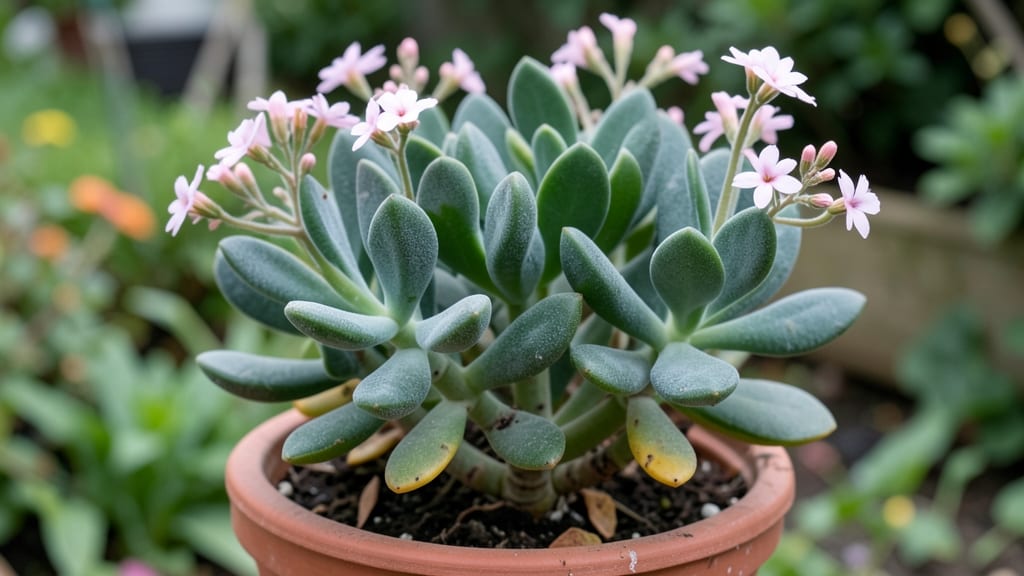
The flowering jade plant delivers pink, star-shaped blooms that last for months with almost no effort. 🌸 I’ve had mine thriving on a windowsill for years, and the secret isn’t fancy tricks—it’s understanding what this succulent actually needs to keep blooming.
Most people overwater or give it too much shade, and the plant just sulks. But once you get the balance right, you’ll have cheerful flowers year-round without the fuss.
This plant loves bright, indirect light—think east-facing windows or a few hours of morning sun. The soil should drain like a sandy desert: mix regular potting soil with perlite or coarse sand to keep roots happy.
Water only when the top inch of soil feels bone-dry, and never let it sit in saucers of water. Prune leggy stems in early spring to encourage bushier growth and more blooms.
You’ll know you’re doing it right when those pink flowers appear in late winter or early spring, lasting for weeks. The leaves stay plump and green, not wrinkled or yellow, and the plant grows steadily without drama.
Even in low light, it won’t die—it’ll just grow slower and skip the flowers. That’s the beauty of this zero-fuss plant.
Seasonal tweaks make all the difference: reduce watering in winter, fertilize lightly in spring, and give it a slightly cooler spot in summer. Troubleshoot yellow leaves by checking for overwatering, and lack of flowers usually means too much shade or not enough rest between blooms.
With these adjustments, your flowering jade will keep rewarding you with color and life.
📚 In This Guide
- What you need
- Instructions
- Tips and common mistakes
- Wrapping up and next steps
What you need
- ● Flowering Jade Plant: 1 healthy grafted Crassula ovata (ensure the graft union is intact—this is key for blooming!)
- ● Size: 4–6 inches tall (smaller pots work for propagation; larger pots for mature plants).
- ● Well-Draining Soil: 1 bag (5–10 quarts) of cactus/succulent mix (or DIY: 60% potting soil + 30% perlite + 10% coarse sand).
- ● Pot: 1–2 terracotta or ceramic pots (unglazed) with drainage holes. Size: 4–6 inches in diameter for young plants; 8–10 inches for mature Flowering Jades.
- ● Drainage Layer: ½ cup pebbles, pumice, or lava rock (for the pot’s base).
- ● Watering Can or Spray Bottle: Small spray bottle (for misting) or a watering can with a narrow spout.
- ● Pruning Shears: 1 pair of sterilized shears (for trimming leggy stems or dead leaves).
- ● 💡 Grow Lights: LED full-spectrum bulb (if natural light is limited).
- ● ✨ Slow-Release Fertilizer: Balanced 10-10-10 or succulent-specific granules (apply sparingly!).
- ● 🌡️ Heat Mat: For propagating cuttings in cooler climates.
- ● 🎯 Decorative Stones/Moss: For aesthetic pot topping (ensure they’re sterile!).
Step-by-Step instructions for growing a thriving flowering jade plant
Here's how to coax those stunning star-shaped blooms from your jade plant with minimal effort.
🪴 Step 1: Choose the Right Pot and Soil Mix
Start with a 4-6 inch diameter pot that has drainage holes—jade plants hate soggy roots. I use terracotta because it breathes and helps prevent rot. The soil should be a gritty mix: combine 50% cactus/succulent mix with 30% perlite and 20% coarse sand to mimic their arid habitat.
Fill the pot halfway with your mix, then tap it gently on the table to settle. Press down lightly with your fingers to create a stable base for the plant. The right soil mix is the foundation—too dense, and roots suffocate; too loose, and they dry out too fast.
☀️ Step 2: Position for Bright, Indirect Light
Place your jade plant in a spot with bright, indirect light—think east-facing window or a few feet from a south-facing one. Direct afternoon sun can scorch the leaves, while too little light means no flowers. You'll know it's happy when the leaves stay a vibrant green with no yellowing or stretching.
Rotate the pot a quarter turn every 2-3 weeks so all sides get even light exposure. This prevents the plant from leaning toward the window. If you notice leaves turning pale or stretching toward the light, it's time to move it closer to the window.
💧 Step 3: Master the Watering Routine
Water only when the top 2-3 inches of soil feel completely dry—this usually means every 2-3 weeks in cooler months and every 3-4 weeks in summer. Stick your finger in the soil; if it's dry past your first knuckle, it's time to water. Overwatering is the #1 killer of jade plants.
When you water, do it thoroughly until water runs out the drainage holes. Empty the saucer afterward to prevent root rot. I like to water in the morning so any excess moisture evaporates during the day. Yellowing leaves? You're probably overwatering. Brown, crispy edges? It needs more water.
✂️ Step 4: Encourage Blooming With Strategic Pruning
To trigger flowering, you need to simulate winter conditions. In late fall, move your jade to a cooler spot (50-60°F) with less light for 6-8 weeks. Reduce watering to every 4-6 weeks during this period. This dormancy period is what tells the plant it's time to bloom.
After the dormancy period, return it to normal light and watering. Prune leggy stems to encourage bushier growth and more flower clusters. Use clean, sharp scissors to cut just above a leaf node. You'll see new growth within a few weeks—and those growth points are where flowers will form.
🌱 Step 5: Maintain Year-Round Care for Continuous Blooms
Once your jade starts flowering, keep it in bright light and maintain your watering routine. Fertilize lightly every 6-8 weeks during spring and summer with a diluted succulent fertilizer (half-strength). Too much fertilizer burns the roots and can reduce flowering.
Watch for pests like mealybugs or scale. Wipe leaves with a damp cloth monthly to remove dust and check the undersides for any signs of infestation. A healthy jade plant will reward you with bright pink or white flowers that appear in clusters—sometimes multiple times a year if you maintain the right conditions.
Tips & tricks for perfect flowering jade plants
These simple yet game-changing strategies will help you coax those stunning blooms from your jade plant without the guesswork.
Soil Mix Secrets: When mixing your 50% cactus/succulent mix, 30% perlite, and 20% coarse sand, sift the ingredients together first to ensure even distribution. I like to add a handful of small pebbles to the bottom of the pot to improve drainage further. This prevents compaction over time, which can suffocate roots and lead to rot—especially important since jade plants are notoriously sensitive to soggy conditions.
Light Positioning: If you notice your jade stretching toward the window (a sign of "etiolation"), it's getting too little light. Move it closer to the window or supplement with a grow light for 12-14 hours daily. The bright, indirect light requirement is non-negotiable—direct sun can scorch leaves, while too little light prevents flowering entirely. I've seen jades bloom in east-facing windows, but south-facing spots need careful monitoring during peak afternoon hours.
Dormancy Timing: The 6-8 week dormancy period at 50-60°F with reduced watering is what triggers those beautiful flowers. Start this in late fall—around October or November—when daylight naturally shortens. If you miss this window, you can still try, but the plant may not respond as enthusiastically. I like to set a reminder on my phone to move the plant and adjust care in early fall to stay on track.
Pruning Strategy: When pruning leggy stems in Step 4, look for stems that are at least 3-4 inches long with multiple leaf nodes. Cut just above a leaf node at a slight angle to prevent water from pooling. These cuts encourage bushier growth and more flower clusters. Save your cuttings—root them in water or soil for free new plants! This is also a great time to propagate any accidental breakages from handling.
Pro Tips for The Flowering Jade
- These simple yet game-changing strategies will help you coax those stunning blooms from your jade plant without the guesswork.
- Soil Mix Secrets: When mixing your 50% cactus/succulent mix, 30% perlite, and 20% coarse sand, sift the ingredients together first to ensure even distribution.
- Light Positioning: If you notice your jade stretching toward the window (a sign of "etiolation"), it's getting too little light.
Frequently asked questions
How often should I water my Flowering Jade?
The key is drought tolerance—water only when the top 1-2 inches of soil are completely dry. Overwatering is the #1 killer! Aim for every 2-3 weeks in warm months, and even less in winter. Pro tip: Stick your finger in the soil—if it’s damp, wait!
Why isn’t my Flowering Jade blooming?
Patience is key! These beauties need 4+ years of maturity and cool nights (50-60°F) to trigger blooms. Place it near a window (south-facing is ideal) and avoid fertilizing heavily—too much food = fewer flowers. If it’s still stubborn, check for pests or root-bound stress.
Can I grow Flowering Jade indoors year-round?
They thrive indoors with bright, indirect light (a sunny windowsill or grow light works). Just avoid drafts (like AC vents) and rotate the pot monthly for even growth. Warning: If leaves turn red or stretch, it’s begging for more light!
What pests should I watch for?
Mealybugs and spider mites love Jade plants. Act fast: Wipe leaves with soapy water or spray with neem oil. For severe infestations, isolate the plant and repeat every 3-5 days. Prevention tip: Mist leaves occasionally to deter pests!
How do I propagate my Flowering Jade?
It’s easier than you think! Snip a healthy stem (3-4 inches), let it callus for 1-2 days, then place it in dry soil or water. Roots form in 2-4 weeks. Bonus: Propagating keeps your plant bushy and shares the love!
| Quick Fix | Issue |
|---|---|
| Move to brighter light | Leggy growth |
| Reduce watering | Yellowing leaves |
| Repot in spring | Root-bound |
Wrapping up and next steps
The flowering jade plant proves that stunning blooms and easy care go hand in hand! With its drought-tolerant nature, striking foliage, and occasional bursts of vibrant flowers, this succulent is perfect for busy plant parents.
Whether you’re a beginner or a seasoned gardener, its low-maintenance charm makes it a standout addition to any space.
Ready to bring home your own? Start small—grab a cutting or a nursery plant, and give it a sunny spot. Watch it thrive, and soon, you’ll be rewarded with year-round beauty that’s as rewarding as it is effortless! 🌸💚