
Trees
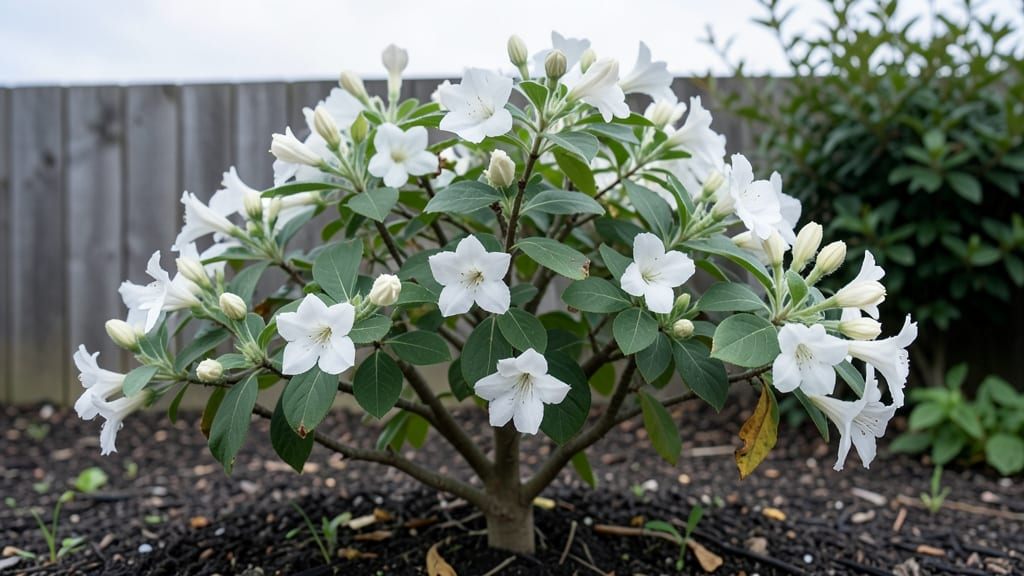
Growing a white flowering weigela 🌸 means adding a showstopper to your garden that blooms twice a year with almost no effort.
Imagine a shrub that bursts into clouds of pristine white blooms twice a year—then thrives effortlessly between seasons. The white flowering weigela isn’t just beautiful; it’s a gardener’s secret weapon for year-round interest with minimal fuss.
In USDA Zone 6a, planting yours between March and April sets it up for full sun and well-draining soil—key to those reliable reblooms you’ll love. I’ll walk you through the exact steps to get yours thriving, from pruning secrets to seasonal care tweaks that keep it blooming like clockwork.
Ready to turn your yard into a white-bloom paraday? Here’s how to make it happen—no green thumb required.
How to choose and plant white flowering weigela for maximum blooms
The white flowering weigela (Weigela florida 'Alba') is one of the most rewarding shrubs for gardeners seeking low-maintenance beauty with reblooming potential.
Native to Asia, this deciduous shrub thrives in USDA zones 4-8 and offers two flushes of fragrant white blooms each year—spring and early summer—followed by vibrant foliage that turns golden in fall.
To unlock its full potential, you’ll need to pay attention to soil drainage, sunlight exposure, and planting timing. Unlike fussy annuals, weigela rewards patience with decades of blooms once established.
Whether you’re planting in containers or in-ground, these expert tips will ensure your weigela grows lush and blooms abundantly.
| Category | Requirement | Specification |
|---|---|---|
| Plant Type | Variety | Weigela florida 'Alba' (white blooms) |
| Sunlight | Daily Needs | 6+ hours full sun |
| Soil | Type | Well-draining, slightly acidic (pH 6.0-7.0) |
| Water | Frequency | Deep watering 1-2x weekly (adjust for climate) |
| Mature Size | Height | 6-10 feet tall, 4-6 feet wide |
| Planting Window | Best Time | Early spring (after last frost) or fall |
| Container Needs | Pot Size | 15+ gallon pot (dwarf varieties need 10+ gallons) |
When selecting your white flowering weigela, prioritize healthy root systems and vigorous stems. Look for nursery-grown plants with multiple buds along the branches—these indicate strong reblooming potential. Avoid leggy or overly tall specimens, as they may struggle to establish in your garden.
For in-ground planting, choose a location with well-draining soil and morning sunlight. Weigela tolerates partial shade, but full sun produces the most abundant blooms. Amend heavy clay soil with compost or sand to improve drainage, as soggy roots lead to root rot and stunted growth.
If you’re planting in containers, select a large pot with drainage holes to accommodate the spreading root system. Use a lightweight potting mix blended with perlite or orchid bark for optimal aeration.
Dwarf varieties like 'Wine and Roses' thrive in 10-gallon containers, while standard types need 15+ gallons.
Timing is critical for seasonal planting. In USDA zones 4-6, plant in early spring (after the last frost) to allow roots to establish before summer heat. In warmer zones (7-8), fall planting is ideal—cool temperatures reduce transplant shock.
Dig a hole twice as wide as the root ball but only as deep, ensuring the top of the root ball sits 1 inch above ground level.
After planting, water deeply to eliminate air pockets and encourage root spread. Apply a 2-inch layer of mulch around the base (but not touching the stem) to retain moisture and suppress weeds.
For container-grown weigela, water when the top inch of soil feels dry, as pots dry out faster than in-ground beds.
To boost first-year blooms, feed your weigela with a balanced fertilizer (10-10-10) in early spring. Avoid high-nitrogen fertilizers, which promote leafy growth at the expense of flowers. Instead, opt for a low-nitrogen, high-phosphorus blend to encourage bloom production. Repeat feeding in mid-summer to support reblooming.
For container gardeners, choose a lightweight potting mix with added slow-release fertilizer. Weigela in pots benefit from monthly liquid feedings
Pruning and fertilizing secrets for continuous white blooms all season
The white flowering weigela rewards careful pruning with prolonged blooming seasons—sometimes even three times a year if done right. Many gardeners make the mistake of pruning at the wrong time, which can stunt new growth and reduce flowers.
The key? Timing, technique, and fertilization work together to keep your shrub thriving.
Let’s debunk the biggest pruning myth: cutting back too hard in early spring. This can remove next year’s flower buds before they form. Instead, we’ll focus on a two-phase pruning system that encourages reblooming while keeping your weigela compact and healthy.
Pair that with the right fertilizer strategy, and you’ll have a white-blooming powerhouse year after year.
Step-by-Step Pruning & Fertilizing Guide
-
Step 1: Late Winter Pruning (February)
Remove dead, diseased, or crossing branches to improve airflow. Use clean, sharp pruners to make cuts just above a bud or leaf node. Avoid heavy pruning—stick to 10-15% of the plant’s structure.
-
Step 2: Post-Bloom Pruning (June-July)
After the first flush of white blooms, trim back 1/3 of the oldest stems to encourage reblooming. Focus on stems that are 3-4 years old—these produce the most flowers. Cut just above a leaf bud to stimulate new growth.
-
Step 3: Light Summer Pruning (August)
Shape the shrub by trimming overly long or leggy branches. Avoid heavy pruning now—it can delay fall blooms. Instead, focus on maintaining the plant’s natural form and removing any sparse or weak growth.
-
Step 4: Fertilizing Schedule
Early Spring (March): Apply a balanced 10-10-10 fertilizer (1 tbsp per plant) to kickstart growth. Use organic options like compost or fish emulsion for slower-release nutrients.
Late Spring (May): Switch to a low-nitrogen, high-phosphorus fertilizer (e.g., 5-10-10) to boost flowering. Avoid synthetic fertilizers in summer and fall—they can encourage tender new growth vulnerable to frost. -
Step 5: Fall Cleanup (October)
Remove any remaining dead flowers or damaged branches to keep the plant tidy. Avoid heavy pruning—let the weigela enter dormancy naturally. Apply a 2-3 inch layer of mulch around the base to protect roots over winter.
One of the most common mistakes is over-fertilizing in late summer. This can delay dormancy and leave your weigela vulnerable to winter damage. Instead, focus on root-feeding fertilizers like compost or slow-release granules in spring.
For container-grown weigelas, use a water-soluble fertilizer every 4-6 weeks during the growing season but reduce amounts by half.
If your weigela isn’t reblooming as expected, check your pruning timing. Many gardeners accidentally prune too late in the season, which can remove next year’s flower buds. Always prune after the first bloom cycle to encourage a second flush.
For extra-long blooming, try a light pruning in late summer to stimulate fall flowers—just don’t go overboard!
For organic gardeners, consider using worm castings or seaweed extract as a foliar feed during bloom time. These provide micronutrients that synthetic fertilizers often lack, leading to healthier foliage and more vibrant blooms. Pair this with regular mulching to retain moisture and cool roots during hot spells.
With these pruning secrets and fertilizer strategies, your white flowering weigela will reward you with continuous blooms from spring to fall. The key is patience and consistency—don’t rush the process, and always prune with intentionality. Happy gardening! 🌸