
Shrubs
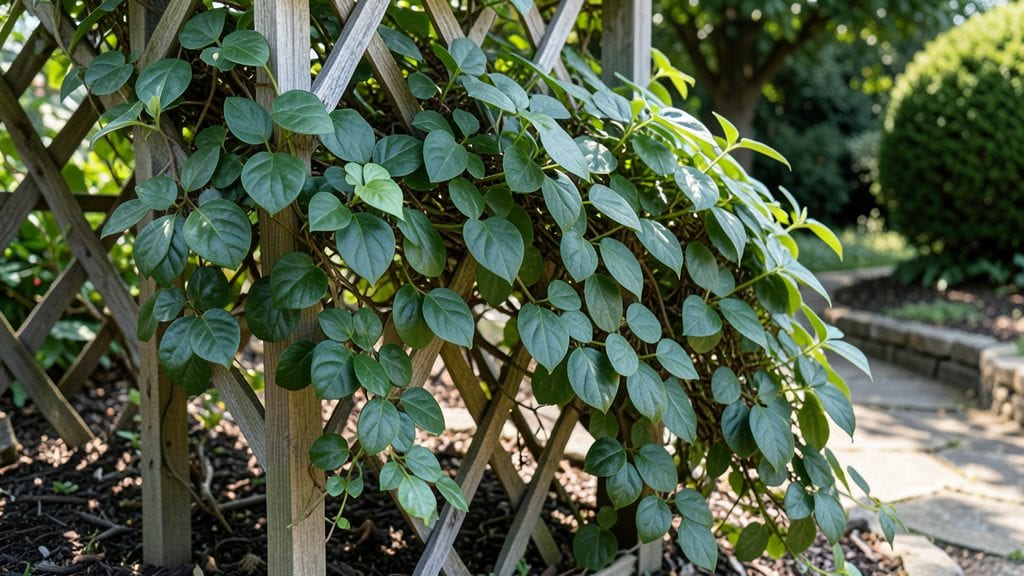
Growing non-flowering jasmine shrubs lets you enjoy lush, fragrant foliage year-round without waiting for blooms. ✨ I’ve learned that these varieties—like ‘Argentea’ with its silvery leaves or ‘Variegata’ with cream edges—bring just as much charm to gardens, just in different ways.
The key is understanding their unique care needs, from sunlight preferences to pruning timing, so they stay vibrant all season.
These shrubs thrive in partial shade, making them perfect for spots where traditional jasmines would struggle. They’re also more forgiving with soil—just avoid soggy roots—and their dense growth naturally crowds out weeds.
The trick is keeping them pruned to encourage bushier, more compact forms, which also helps prevent those leggy stems that can look a little sad.
You’ll end up with glossy, aromatic leaves that smell amazing when brushed against, and their varied colors—deep greens, silvers, or creamy variegation—add texture to any landscape. They’re ideal for hedges, ground cover, or even small topiary shapes, and they rarely need fertilizers beyond what’s in well-draining soil.
Fair warning: some gardeners assume non-flowering jasmines are less valuable, but their foliage is the star here. They’re also more disease-resistant than flowering types, which means less fuss and more enjoyment. Let’s get yours growing strong!
Why Your Jasmine Stays Bare
If your jasmine shrub is sporting lush green leaves but stubbornly refuses to bloom, don’t panic—there are clear reasons behind this foliage-only behavior. Understanding these causes is the first step to coaxing those fragrant flowers into action. Let’s break down the science and practical triggers behind non-flowering jasmine.
Jasmine plants, especially fragrant varieties like Jasminum officinale or Jasminum sambac, are light-lovers. When they don’t get enough sunlight, their energy shifts entirely to leaf growth, skipping the flower-producing phase.
- Scientific reason: Photosynthesis fuels both foliage and blooms, but low light reduces sugar production. Without adequate energy, the plant prioritizes survival (leaves) over reproduction (flowers).
- Actionable fix:
- Move potted jasmine to a spot with 6–8 hours of direct sunlight daily (south- or west-facing windows or outdoor locations).
- For shade-tolerant varieties (like Jasminum polyanthum), ensure they still get 4+ hours of bright, indirect light.
- 💡 Pro tip: If indoors, supplement with a grow light (12–14 hours/day) during winter when daylight wanes.
Jasmine is a tropical plant at heart, and it needs warmth to trigger flowering. Cold drafts, sudden temperature drops, or early-season planting can halt bloom production entirely.
- Scientific reason: Flowering in jasmine is often temperature-dependent. Many varieties bloom best when nights stay above 60°F (15°C) and days reach 75–85°F (24–29°C). Below these thresholds, the plant conserves energy, delaying or skipping flowers.
- Actionable fix:
- 🌡️ Hardiness zones: Plant in zones 7–10 where winters stay mild. In colder areas, grow jasmine in containers and bring it indoors before frost.
- 🔥 Warmth boost: If indoors, place near a heat source (but avoid hot air vents that dry out leaves).
- ⏰ Timing matters: Prune in early spring (after last frost) to encourage new growth when temperatures rise.
Too much moisture (or soggy roots) stresses jasmine, diverting its focus away from blooms. Conversely, underwatering can stunt growth, but overwatering is the bigger culprit for non-flowering plants.
- Scientific reason: Excess water drowns roots, limiting oxygen uptake and nutrient absorption. This triggers a stress response, where the plant redirects energy to basic functions (like leaf production) rather than energy-intensive flowers.
- Actionable fix:
- 💧 Watering rules:
- Water when the top 1–2 inches of soil are dry (stick your finger in to check!).
- Avoid weekly watering—jasmine prefers moderate moisture, not soggy soil.
- 🚰 Drainage check: Ensure pots have drainage holes and use a well-draining mix (60% potting soil, 30% perlite, 10% sand).
- 🌱 Mulch help: Add 2–3 inches of mulch (like bark or straw) to retain moisture without suffocating roots.
- 💧 Watering rules:
If your jasmine is all leaves and no flowers, it might be getting too much nitrogen—the nutrient responsible for leafy growth but not blooms.
- Scientific reason: Nitrogen-heavy fertilizers (like lawn fertilizers or high-NP-K ratios like 30-10-10) promote vegetative growth at the expense of flowers. Jasmine needs a balanced or phosphorus-rich fertilizer (like 10-20-10) to encourage blooming.
- Actionable fix:
- 📊 Fertilizer swap: Use a low-nitrogen, high-phosphorus fertilizer (e.g., 5-10-5 or 7-9-5) in early spring to kickstart blooms.
- 🍽️ Feed lightly: Apply fertilizer every 4–6 weeks during growing season (spring–fall). Avoid fertilizing in winter.
- 🌿 Organic options: Try compost tea, fish emulsion, or bone meal (for phosphorus) to boost flowers naturally.
Pruning can stimulate or stop flowering, depending on when and how you do it. Aggressive cuts at the wrong time send mixed signals to the plant.
- Scientific reason: Jasmine flowers form on new wood (current year’s growth) or old wood (last year’s stems), depending on the variety. Pruning after flowering or too late in the season removes potential bloom sites.
- Actionable fix:
- ⏰ Prune timing:
- For spring bloomers (e.g., Jasminum nudiflorum), prune right after flowers fade.
- For summer/fall bloomers, prune in early spring (before buds form).
- ✂️ Cut correctly: Trim just above a leaf node (where leaves meet the stem) to encourage new growth. Avoid shearing (which can remove flower buds).
- 🌿 Shape gently: Remove only dead, crossing, or overcrowded branches—never more than 1/3 of the plant at once.
- ⏰ Prune timing:
Hidden pests (like aphids, spider mites, or scale) or fungal issues (e.g., powdery mildew) weaken jasmine, making it too busy fighting for survival to produce flowers.
- Scientific reason: Pests sap nutrients from leaves, while diseases clog stomata (leaf pores), reducing photosynthesis
Revive Your Non-Blooming Jasmine
If your jasmine shrub is thriving with lush foliage but stubbornly refuses to flower, don’t despair—there are practical ways to coax those fragrant blooms into action. Below, we break down the most common causes and step-by-step solutions, plus prevention tips to keep your jasmine in peak blooming condition.
Jasmine needs 6+ hours of sunlight daily to trigger flowering. If it’s shaded too much, it’ll focus on leaf growth instead of blooms.
How to Fix It: 🔥 🌿 Relocate or Prune for Sunlight
- Move your jasmine to a sunnier spot (south or west-facing is ideal).
- If relocating isn’t possible, prune nearby trees or structures blocking sunlight.
- For container jasmine, rotate pots weekly to ensure even light exposure.
🌡️ 🌱 Gradual Sun Acclimation (If Moving from Shade)
- Start with 2–3 hours of morning sun, then gradually increase exposure over 2 weeks.
Prevention Tip: ✨ Choose the right planting spot—avoid deep shade or reflected heat (like black pavement), which can stress the plant.
Jasmine hates soggy roots! Overwatering or compacted soil can stunt flowering by diverting energy to root health instead of blooms.
How to Fix It: 💦 👨🍳 Adjust Your Watering Routine
- Water only when the top 1–2 inches of soil are dry (stick your finger in to check!).
- Ensure pots have drainage holes—if not, repot or add a layer of gravel at the bottom.
🔪 ⏰ Improve Soil Drainage
- Amend heavy or clay soil with perlite, sand, or compost (50/50 mix).
- For container plants, use a well-draining potting mix (like cactus/succulent blend).
Prevention Tip: 💡 Mulch around the base (2–3 inches of bark or straw) to regulate moisture and prevent evaporation.
Jasmine needs balanced nutrients, but too much nitrogen (common in lawn fertilizers) promotes leafy growth at the expense of flowers.
How to Fix It: 📊 🥗 Switch to a Bloom-Boosting Fertilizer
- Use a low-nitrogen, high-phosphorus fertilizer (look for a 5-10-10 or 10-20-20 ratio).
- Apply every 4–6 weeks during spring and summer (avoid fall feeding).
🍎 🌱 Organic Alternatives for Slow Release
- Bone meal (for phosphorus) or composted manure (balanced nutrients).
- Fish emulsion (diluted to half-strength) for a gentle nutrient boost.
Prevention Tip: ✨ Avoid fast-release fertilizers—they can burn roots and disrupt flowering.
Jasmine flowers best when lightly pruned to encourage new growth. Over-pruning or waiting too long can delay blooms.
How to Fix It: ⏰ 🌿 Prune at the Right Time
- After flowering season (late winter/early spring) is ideal.
- Trim back 1/3 of the oldest stems to stimulate fresh growth.
🔪 👨🍳 Shape for Airflow & Light
- Remove dead, crossing, or overcrowded branches.
- Avoid "shearing" (cutting randomly)—instead, prune selectively to open the plant’s center.
Prevention Tip: 💡 Deadhead spent blooms (snip flowers after they fade) to encourage more flowers and prevent seed formation.
Jasmine thrives in moderate climates (USDA Zones 7–10). Extreme heat, cold snaps, or transplant shock can delay flowering.
How to Fix It: 🌡️ 🌿 Protect from Temperature Shocks
- Mulch heavily in winter (4–6 inches) to insulate roots.
- Use shade cloth (30–50%) in scorching summers if in hot climates.
🌱 🍳 Gradual Transplanting (If Recently Moved)
- If you repotted or transplanted, wait 4–6 weeks before expecting new blooms—let the plant recover first.
Prevention Tip: ✨ Acclimate young plants to outdoor conditions over 1–2 weeks before planting.
Jasmine can take 6–12 months to rebound after stress. Stick with your care routine—light, balanced nutrients, and proper pruning will reward you with fragrant blooms!
Need a Quick Checklist? ✅ Sunlight: 6+ hours daily ✅ Water: Dry topsoil before watering ✅ Fertilizer: Low-nitrogen, high-phosphorus ✅ Pruning: Light cuts after flowering ✅ Soil: Well-draining, amended if needed
Frequently asked questions
What are the most popular varieties of non-flowering jasmine?
The 'Variegatum' variety stands out with its striking cream-and-green variegated leaves, while 'Argentea' offers silvery foliage that shines in partial shade. 'Fortunium' is another favorite, prized for its glossy, deep green leaves that create lush ground cover. These varieties thrive without blooms but deliver year-round visual interest.
Can non-flowering jasmine still be fragrant?
Yes! While they don't produce flowers, many non-flowering varieties like 'Variegatum' and 'Argentea' retain the classic jasmine scent in their leaves. The fragrance intensifies when leaves are crushed or brushed against, making them perfect for sensory gardens or aromatic hedges. It's one of their most charming features!
How do I prune non-flowering jasmine for maximum foliage?
Prune in early spring before new growth begins, cutting back about one-third of the oldest stems to encourage bushier growth. For climbing varieties, trim leggy stems to maintain shape. Avoid heavy pruning in fall, as this can reduce winter hardiness. Regular light pruning keeps plants dense and vibrant all season.
Is non-flowering jasmine more disease-resistant than flowering types?
Generally yes! Non-flowering varieties often have stronger disease resistance because they focus energy on foliage rather than blooms. They're less attractive to pests that target flowering plants, and their dense growth naturally crowds out weeds. This makes them ideal for low-maintenance gardens and urban spaces where care is limited.
Can I grow non-flowering jasmine indoors?
Varieties like 'Variegatum' thrive indoors near bright windows with 4-6 hours of sunlight daily. Use well-draining pots and maintain moderate humidity (mist leaves occasionally). For winter care, keep away from cold drafts and supplement with grow lights if natural light is insufficient. They make excellent houseplants with their striking foliage.