Blooming
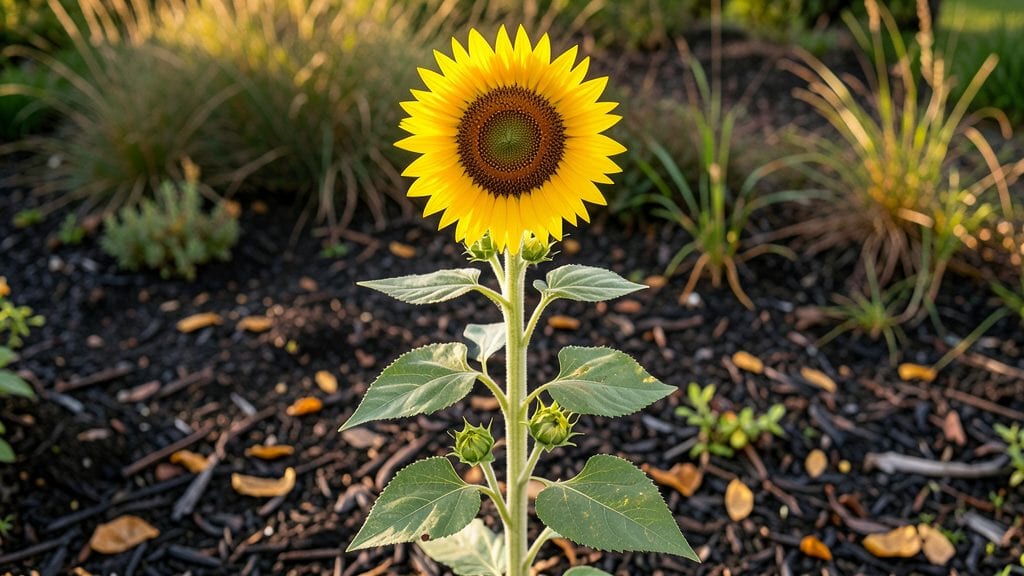
The sunflower season begins when the soil warms and the last frost has passed — usually late spring in most of the U.S.
Watching sunflowers reach their towering, golden heights is a breathtaking experience—but timing and location make all the difference. Whether you're a gardener, photographer, or nature lover, knowing the best sunflower season can turn a casual stroll into a once-in-a-lifetime spectacle.
In USDA Zone 6a, like much of the Midwest, planting after April 15 ensures strong growth before summer heat sets in. But in warmer climates, like the Southwest, you can start as early as March, while coastal areas might wait until May to avoid frost.
Below, I’ll break down the ideal planting windows, peak bloom times by region, and seasonal care tips to help you grow sunflowers that reach their full, 10-foot-plus potential.

Sunflower blooming seasons by U.s. region: peak months and climates
Sunflowers are nature’s golden giants, but their blooming seasons vary dramatically across the U.S. depending on climate zones, daylight hours, and temperature ranges.
In the Pacific Northwest, for example, sunflowers may bloom as early as July, while in Florida, they can stretch their season from May to October. Understanding these patterns helps you choose the right varieties and timing for your garden.
Sunflowers thrive on long, sunny days and warm soil temperatures above 50°F (10°C). Regions with shorter growing seasons, like the Northern Plains, benefit from early-maturing varieties, while Southern states can grow both early and late bloomers.
Let’s break down the peak blooming months by region and the climate factors that influence them.
🌻 Key Factors for Blooming:
- Daylight hours: Sunflowers need 12–14 hours of daylight to trigger flowering.
- Temperature: Ideal range is 70–85°F (21–29°C) during growth.
- Rainfall: Too much moisture can cause rot or fungal diseases, while drought stress delays blooming.
Here’s how these factors play out across the U.S., including peak blooming months, climate considerations, and recommended varieties for each region.
summary-table
| Region | Peak Blooming Months | Climate Factors | Recommended Varieties |
|---|---|---|---|
| Pacific (West Coast) | July–September | Cool summers, moderate rainfall, long daylight | 'Autumn Beauty', 'Moulin Rouge' |
| Mountain (Rockies) | August–October | Short growing season, lower humidity, high elevation | 'Teddy Bear', 'Russian Giant' |
| Central (Midwest) | August–September | Hot summers, variable rainfall, long daylight | 'ProCut Hybrid', 'Mammoth' |
| Southern (Southeast) | May–October | Long, hot summers, high humidity, early frost risk | 'Sunspot', 'Autumn Beauty' |
The Pacific Northwest enjoys a cooler, wetter climate, which can delay blooming until July but extends the season into September thanks to long daylight hours. Varieties like 'Autumn Beauty' thrive here, offering deep red and yellow blooms that last well into fall.
If you’re in Seattle or Portland, start seeds indoors in March for a head start.
In the Mountain West, such as Colorado or Utah, sunflowers face shorter growing seasons and cooler nights. This region benefits from early-maturing varieties like 'Teddy Bear', which bloom in August and can handle high-elevation conditions.
Plant seeds directly in late May after the last frost to avoid cold soil delays.
Gardeners in the Central U.S., including Iowa or Kansas, experience hot summers with ample daylight, making August and September the peak blooming months. 'Mammoth' sunflowers can reach 12+ feet tall here, but they need well-draining soil to prevent root rot from heavy rainfall.
Succession planting every 2 weeks ensures continuous blooms.
The Southern U.S., like Florida or Georgia, offers the longest sunflower season, stretching from May to October. The humid climate and long daylight allow for both early and late varieties.
Choose disease-resistant types like 'Sunspot' to combat fungal risks. Plant in early spring for summer blooms or late summer for fall displays.
For gardeners in transition zones, like Texas or the Carolinas, timing is critical. Plant early varieties in March for summer blooms and late varieties in July to extend the season. Mulching helps retain soil moisture and regulate temperature, which is especially important in high-heat regions.
No matter your location, soil preparation is key. Sunflowers prefer loamy, well-draining soil with a pH of 6.0–7.5. Amend heavy clay with compost and avoid over-fertilizing with nitrogen, which promotes foliage over flowers. A balanced 5-10-10 fertilizer applied at
How to extend your sunflower season: gardening tips for year-round blooms
Sunflowers are nature's golden giants, but their blooming season can feel fleeting if you're not strategic. With the right gardening techniques, you can stretch their beauty from early summer well into fall—or even coax them into unexpected seasons.
The key lies in understanding fast-maturing varieties, succession planting, and seasonal adjustments that keep your garden buzzing with life.
Most gardeners associate sunflowers with summer blooms, but with careful planning, you can enjoy their cheerful faces for months. Whether you're dealing with short growing seasons in cooler climates or simply want to maximize your harvest, these proven strategies will help you extend your sunflower season like a pro.
Let’s dive into the secrets of year-round sunflower success!
- Choose fast-maturing varieties like 'Early Bird' or 'Teddy Bear' (50-60 days to bloom) for early spring or late summer plantings.
- Succession plant every 2-3 weeks from late spring to early summer for continuous blooms.
- Prepare soil with compost in fall for early spring planting—sunflowers thrive in well-draining, nutrient-rich soil.
- Use row covers in late fall to protect tender seedlings from early frost and extend the growing window.
- Water deeply in morning to prevent fungal diseases and keep roots cool during peak summer heat.
If you're in a cooler climate, focus on early varieties that mature in 60-70 days. Plant them as soon as the soil is workable in early spring, even if frost is still a risk.
Use black plastic mulch to warm the soil faster and give your sunflowers a head start. For extended fall blooms, opt for late-season varieties like 'Moulin Rouge' (90-100 days) and sow seeds in mid-summer.
Don’t overlook the power of succession planting—this is the easiest way to keep your garden in continuous bloom. Instead of planting all your seeds at once, stagger them every 2-3 weeks.
This ensures you’ll have sunflowers at different stages of growth, from towering giants to budding beauties, throughout the season. It’s also a great way to attract pollinators like bees and butterflies for a longer period.
For gardeners in warmer climates, sunflowers can often be grown as perennials if you choose the right varieties. While most sunflowers are annuals, some like Helianthus annuus can regrow from the base if cut back after blooming.
This means you might get a second flush of flowers in late summer or even early fall with minimal effort. Just be sure to provide consistent water and balanced fertilizer to encourage regrowth.
Finally, pay attention to your seasonal care. Sunflowers need full sun (6+ hours daily) and moderate watering, but their needs shift with the seasons. In spring, focus on soil prep and light feeding to encourage strong root growth.
During summer, prioritize deep watering to combat heat stress, and in fall, harvest seeds before the first frost to save for next year’s garden. With these tips, your sunflower season won’t just be a summer highlight—it’ll be a year-round celebration.