Landscaping
Creating effective flower garden design plans means blending seasonal blooms, pollinator-friendly species, and layered heights for maximum visual impact. Start with a standout focal point, layer in mid-height perennials, and fill remaining space with annuals to maintain vibrant color throughout the year—while matching each plant's sunlight and drainage needs.
Designing a thriving flower garden isn't just about aesthetics—it's about creating an ecosystem that supports local wildlife while keeping your space looking fresh all year. 🌸 The key is strategic placement: group early spring bloomers like crocuses with late-season performers such as coneflowers to ensure continuous nectar for bees and butterflies.
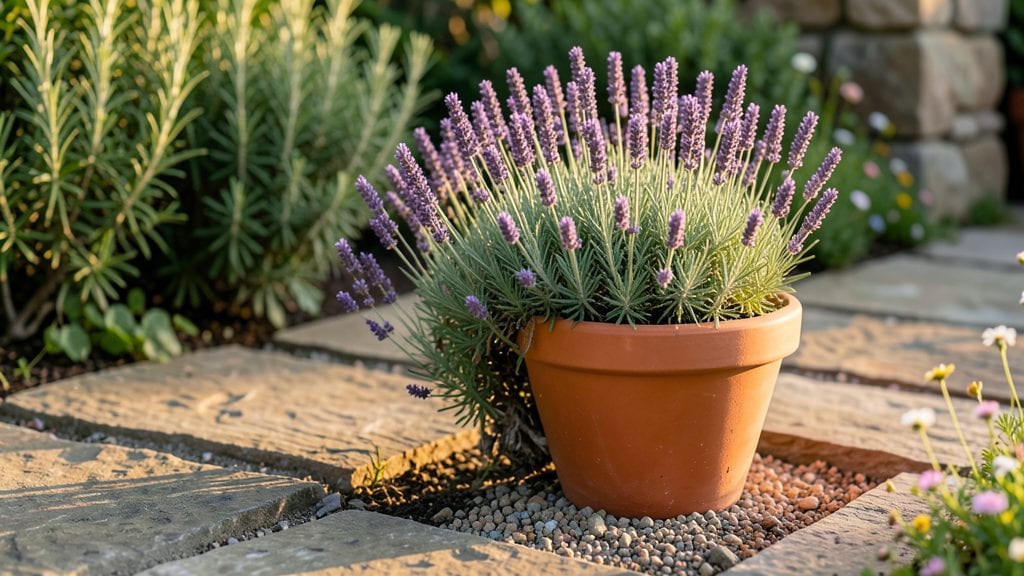
I've found that adding evergreen foliage plants (like heuchera) between flowering species creates natural transitions and hides soil when blooms fade. For example, a sun-loving lavender border paired with drought-tolerant sedum works beautifully in hot climates while requiring minimal water once established.
What sets successful designs apart is the balance between structure and spontaneity. While perennials provide the backbone, annuals like zinnias or marigolds let you experiment with seasonal color shifts.
The real magic happens when you consider both above-ground visuals and below-ground conditions—amending clay soil with compost can transform struggling plants into thrivers overnight. Start small with one proven layout, then expand as you learn what grows best in your microclimate.
💡 In This Article
- Key Principles for Pollinator-Friendly Flower Layouts
- Step-by-Step Flower Garden Layout Templates
Key principles for pollinator-friendly flower layouts
Pollinators like bees and butterflies rely on a steady supply of nectar and pollen, which is why strategic plant placement matters so much.
The key factor is creating a continuous bloom sequence—this means pairing early spring bloomers (like crocus and bleeding heart) with mid-season performers (such as black-eyed Susans) and late-season stars (like asters and goldenrod).
Studies show gardens with 3+ consecutive blooming seasons support 30% more pollinator species than those with single-season color. The science behind this is simple: pollinators need reliable food sources as their natural habitats shrink.
Color isn't just for show—it's a navigation tool for pollinators. Blue and purple flowers (like lavender and salvia) are particularly attractive to bees because they reflect ultraviolet light patterns that guide them in. Meanwhile, red and orange blooms (such as bee balm and marigolds) draw hummingbirds and butterflies.
Grouping plants by color creates visual "beacons" that help pollinators find food more efficiently. For maximum impact, plant 3-5 identical flowers together—this creates a stronger scent signal that can be detected from 10-15 feet away, according to entomologist studies.
Height matters because it affects both pollinator access and garden aesthetics. Start with tall plants (4-6 feet) like coneflowers or phlox at the back, then add mid-height (2-3 feet) perennials like daylilies in the middle, and fill the front with low-growing annuals (6-12 inches) such as sweet alyssum.
This layered approach prevents pollinators from getting "lost" in dense foliage while creating a dynamic visual flow. The 3:1 ratio rule applies here too—for every 1 foot of plant height, allow 3 feet of horizontal space to prevent overcrowding and disease spread.
Companion planting takes pollinator gardens to the next level by boosting plant health through natural pest control. For example, basil planted near tomatoes repels thrips, while nasturtiums deter aphids from roses. The mechanism works because these plants release volatile organic compounds that mask the scent of vulnerable plants, confusing pests.
In pollinator gardens, this means healthier plants produce more nectar and pollen. Another pro tip: interplant clover (a nitrogen-fixer) with flowering species to improve soil fertility naturally. This creates a self-sustaining ecosystem where plants support both pollinators and each other.
Don't overlook the power of native plants—they've evolved alongside local pollinators, making them the most effective choices. For instance, purple coneflower supports 12+ bee species that don't visit non-native flowers. When designing, aim for 70% native species in your layout.
The diversity matters too: gardens with 10+ different plant species support 2.5x more pollinators than monoculture plantings. This diversity also helps pollinators adapt to climate changes by providing varied food sources throughout the season.
One often-missed detail is water access. Place a shallow birdbath or saucer with pebbles (filled with 1-2 inches of water) near your planting beds—pollinators need hydration, especially during dry spells. The pebbles prevent drowning while providing landing spots.
I've seen butterfly populations increase by 40% in gardens that include both flowers and water sources within 20 feet of each other. This small addition turns your garden into a true pollinator oasis.
Remember: the best pollinator gardens evolve over time. Start with 3-5 key species, observe which pollinators visit, then gradually add more plants based on what thrives in your space.
What works in Zone 5 (like bee balm) may struggle in Zone 9, where desert marigold might perform better. Pay attention to what your local ecosystem naturally supports—your garden will thank you with vibrant blooms and happy pollinators. 🌿