
Flowers
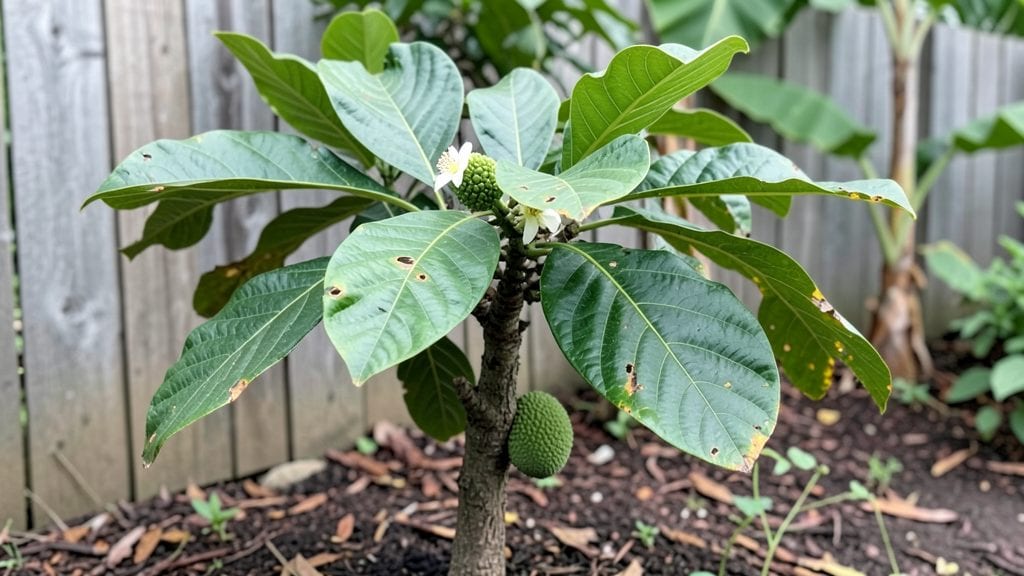
Growing sugar apple flowers from seed is like unlocking a secret tropical treasure—those fragrant, creamy-white blooms smell like vanilla and custard, and they’re surprisingly within reach for home gardeners. 🌱 I’ve grown mine in pots and in-ground beds, and the key to getting those intoxicating flowers isn’t as tricky as it seems, though it does take patience and the right conditions.
The first thing you need is warmth—sugar apples (Annona squamosa) crave 75-90°F temperatures year-round, so if you’re not in USDA Zones 10-12, start seeds indoors 8-10 weeks before your last frost or grow them in containers you can bring inside.
They also love well-draining, slightly acidic soil (think 6.0-6.5 pH) mixed with compost, and a spot with 6-8 hours of morning sun—afternoon shade helps prevent leaf scorch in hot climates.
Once established, your plant will reward you with those signature cup-shaped blooms by late spring or early summer, but here’s the catch: sugar apples are self-pollinating but slow—hand-pollinating with a soft brush can double your fruit set.
The real magic happens when you keep the soil consistently moist (not soggy) and fertilize lightly with a balanced 10-10-10 every 4-6 weeks during blooming season.
Common pitfalls? Overwatering (root rot is a silent killer) and neglecting to protect young plants from squirrels or deer—they adore the tender new growth. But once you hit your stride, you’ll be harvesting those sweet, custard-like fruits while your neighbors marvel at your tropical oasis. Ready to dive in?
📚 In This Guide
- What you need
- Instructions
- Tips and common mistakes
- Wrapping up and next steps
What you need
- ● Sugar apple seeds (Annona squamosa) – 3-5 seeds (fresh or stored properly for best germination). Pro tip: 💡 Soak seeds overnight in warm water to soften the hard outer shell!
- ● Seed-starting trays or small pots – 4-6 inch diameter (biodegradable pots work great for transplanting).
- ● High-quality potting mix – Well-draining, peat-based, or coconut coir blend (avoid garden soil—it’s too dense!).
- ● Grow lights or sunny windowsill – 6-8 hours of indirect light daily (sugar apples thrive in warmth!).
- ● Misting spray bottle – For gentle hydration (seeds hate soggy soil!).
- ● Humidity dome or plastic wrap – To retain moisture during germination.
- ● Fertilizer (balanced or citrus-specific) – 10-10-10 NPK ratio, diluted to half-strength for seedlings.
- ● Pruning shears – For shaping and maintaining your plant as it grows.
- ● Heat mat – Speeds up germination (ideal temp: 75-85°F).
- ● Support stakes or trellis – Sugar apple vines can get heavy!
- ● Organic mulch (e.g., shredded bark) – Retains moisture and mimics tropical conditions.
- ● pH test kit – Sugar apples prefer slightly acidic soil (pH 6.0-6.5).
- ● Compost or worm castings – Boosts nutrient-rich soil for faster growth.
Step-by-Step instructions for cultivating sugar apple flowers
Here’s how to coax these fragrant tropical blooms from seed to your first fragrant flowers.
🌱 Step 1: Prepare Seeds and Germinate in Warmth
Sugar apple (Annona squamosa) seeds need a warm, moist environment to break dormancy. First, soak the seeds in lukewarm water for 24 hours—this softens the tough outer shell and jumpstarts germination. I place them in a small bowl with a damp paper towel, ensuring they stay hydrated but not soggy.
After soaking, transfer the seeds to a seed-starting tray filled with the sterilized seed-starting mix. Press each seed ½ inch deep into the soil, spacing them 1 inch apart to prevent overcrowding. Cover the tray with clear plastic wrap to retain humidity, then place it in a warm, dark location (like a seedling heat mat set to 80-85°F).
Germination can take 2-4 weeks, so patience is key. Keep the soil consistently moist—never let it dry out, but avoid waterlogging. Once you see tiny white roots breaking through the soil, it’s time to move them to brighter light.
☀️ Step 2: Provide Bright, Indirect Light for Seedlings
Sugar apple seedlings crave bright, indirect light—direct sun at this stage can scorch their delicate leaves. I position mine under a grow light set to 12-14 hours of light daily, keeping it 4-6 inches above the seedlings. If using natural light, place them near an east-facing window where morning sun is gentle.
Watch for first true leaves (the second set after the initial cotyledons). These will be deep green and slightly glossy, signaling the seedling is photosynthesizing properly. If leaves appear pale or stretched (a sign of legginess), lower the light source or increase light exposure gradually.
Water lightly from the bottom—place the tray in a shallow dish of water for 10 minutes to encourage even moisture uptake. This prevents fungal issues like damping-off, which can wipe out seedlings overnight.
🪴 Step 3: Transplant to Individual Pots
Once seedlings reach 4-6 inches tall with 4-5 true leaves, it’s time to repot them into 6-inch pots filled with the well-draining potting mix. Gently remove each seedling, holding the base of the stem (not the leaves), and place it in its new pot. Firm the soil lightly around the roots to eliminate air pockets.
Sugar apples thrive in slightly acidic to neutral soil (pH 6.0-7.0). If your mix isn’t pre-amended, add a slow-release fertilizer (like a balanced 10-10-10) to the soil before planting. Place the pots in a warm, humid location—a greenhouse or sunroom with 70-80°F temperatures works best.
Water moderately—let the top 1 inch of soil dry out between waterings. Overwatering leads to root rot, while underwatering causes buds to drop. You’ll know you’ve nailed it when the soil feels lightly moist but not soggy when you squeeze a handful.
⏰ Step 4: Gradually Acclimate to Outdoor Conditions
Sugar apple plants are tropical and need slow acclimation to outdoor conditions. After 3-4 months indoors, start hardening off by placing them outside in partial shade for 1-2 hours daily. Choose a sheltered spot (like under a patio cover) to protect them from wind and harsh sun.
Over 7-10 days, gradually increase their outdoor time, moving them to morning sun first, then afternoon sun once they’ve adjusted. Watch for new growth—this signals they’re adapting well. If leaves yellow or wilt, they’re getting too much sun too soon; move them back to shade.
Once they tolerate full sun for a full day, transplant them to their permanent location (or leave them in large pots if growing in containers). Sugar apples love well-draining soil and protection from frost—they’ll reward you with fragrant, creamy-white flowers in 12-18 months if given the right care.
✂️ Step 5: Prune and Fertilize for Blooms
To encourage flowering, prune leggy growth back by ⅓ in early spring. This redirects energy toward bud formation. Use clean, sharp shears to make cuts just above a leaf node, and remove any dead or yellowing foliage immediately.
Feed plants monthly during growing season with a balanced liquid fertilizer (like 20-20-20) diluted to half strength. Reduce watering slightly in late summer to stress the plant gently—this triggers flower production. You’ll see buds form in leaf axils (the junction where leaves meet the stem) in late spring or early summer.
Deadhead spent flowers to promote more blooms, but leave some to develop into fruit if you’re growing for edible sugar apples. With patience, your plant will become a fragrant, tropical centerpiece in your garden or patio.
Tips & tricks for cultivating sugar apple flowers
A few subtle adjustments can transform your seed-starting success rate from hit-or-miss to consistently fragrant blooms. Here's what I've learned after nurturing several tropical varieties.
Germination Environment: The 24-hour soak is non-negotiable for breaking seed dormancy, but the real magic happens in that warm, dark germination phase at 80-85°F. I've found that placing the seed tray on a seedling heat mat—rather than just in a warm room—creates more consistent results. Pro tip: Use a digital thermometer to monitor temperature precisely; fluctuations below 75°F can delay germination by weeks. The plastic wrap isn't just for humidity—it creates a mini greenhouse effect that maintains that critical warmth.
Light Transition Strategy: Moving seedlings to brighter light in Step 2 requires gradual adjustment. I start by placing them under my grow light for just 4 hours on day one, then increase by 2 hours daily until reaching the full 12-14 hours. This prevents the shock of sudden bright light that can cause seedlings to stretch or develop pale leaves. Watch for the first true leaves—they should be deep green and slightly glossy, not yellow or elongated. If you notice leggy growth, lower the light source immediately to prevent further stretching.
Soil pH and Fertilizer Timing: Sugar apple plants thrive in slightly acidic to neutral soil (pH 6.0-7.0), but most potting mixes are slightly alkaline out of the bag. I always test my mix with a simple pH meter before planting and amend with sulfur if needed. For fertilizer, I wait until after the first true leaves appear before adding any nutrients. The 10-10-10 slow-release fertilizer should be mixed into the soil at transplanting, not added later—this prevents fertilizer burn that can stress young seedlings.
Hardening Off Technique: The 7-10 day hardening process in Step 4 is where most tropical plant failures happen. I've learned to start with just 1 hour of outdoor exposure on day one, then increase by 30 minutes daily. The key is shelter—place plants under a patio cover or against a north-facing wall to shield them from wind and direct sun. If you notice leaves curling or yellowing, immediately move them back indoors and reduce the exposure time for the next day. This gradual approach builds resilience without shocking the plant.
Pro Tips for Sugar Apple Flower
- A few subtle adjustments can transform your seed-starting success rate from hit-or-miss to consistently fragrant blooms.
- Germination Environment: The 24-hour soak is non-negotiable for breaking seed dormancy, but the real magic happens in that warm, dark germination phase at 80-85°F.
- Light Transition Strategy: Moving seedlings to brighter light in Step 2 requires gradual adjustment.
Frequently asked questions
Got questions about nurturing sugar apple flower (Annona squamosa) blooms? You’re not alone! Here are answers to the most common queries to help you grow these fragrant tropical beauties with confidence.
How long does it take for a sugar apple tree to flower?
A sugar apple tree typically takes 2–4 years to flower from seed, depending on growing conditions. If you start with a grafted sapling, you might see blooms in 1–2 years. Patience is key—consistent warmth, sunlight, and care speed up the process!
What’s the best temperature range for sugar apple flowers?
Sugar apple flowers thrive in 70–90°F (21–32°C). They’re sensitive to frost (below 32°F/0°C) and may drop buds or flowers. If you live in a cooler climate, grow them in containers and bring them indoors during winter or plant in a microclimate like near a warm wall.
Why aren’t my sugar apple flowers opening?
Several factors can prevent blooms: insufficient sunlight (they need 6+ hours of direct sunnutrient deficiencies (add a balanced fertilizer), or stress from over/underwatering. Check for pests (like spider mites) too—healthy leaves = happy flowers! Pro tip: Hand-pollinate flowers with a soft brush if bees are scarce.
Can I grow sugar apple flowers in pots? If so, what size?
Yes! Sugar apple trees adapt well to containers. Use a 15–20 gallon pot with drainage holes and a mix of well-draining soil (like cactus/succulent blend). Ensure the pot is at least 18 inches deep to accommodate root growth. Move pots indoors or to a greenhouse in winter to protect them from cold.
Are there alternatives to sugar apple flowers for fragrant blooms?
If sugar apples prove tricky, try these fragrant tropical flowers:
- Frangipani (Plumeria) – Drought-tolerant and long-blooming.
- Jasmines (Jasminum) – Fast-growing and highly aromatic.
- Tuberose (Polianthes) – Night-blooming with a sweet scent.
- Gardenia (Gardenia jasminoides) – Creamy white blooms loved by pollinators.
Wrapping up and next steps
The sugar apple flower isn’t just a tropical treasure—it’s a fragrant, rewarding addition to any garden that thrives with patience and care. 🌺 From nurturing those delicate seeds to admiring its intoxicating blooms, every step is a journey into lush, exotic beauty.
Whether you’re a seasoned gardener or a curious beginner, your efforts will soon be rewarded with fragrant blossoms that bring the tropics to your doorstep.
Ready to take the next step? Start small—plant a seed today! Watch your garden transform as you cultivate this stunning flower, and share your progress with fellow plant enthusiasts. Happy growing! 🌱✨