
Lawn
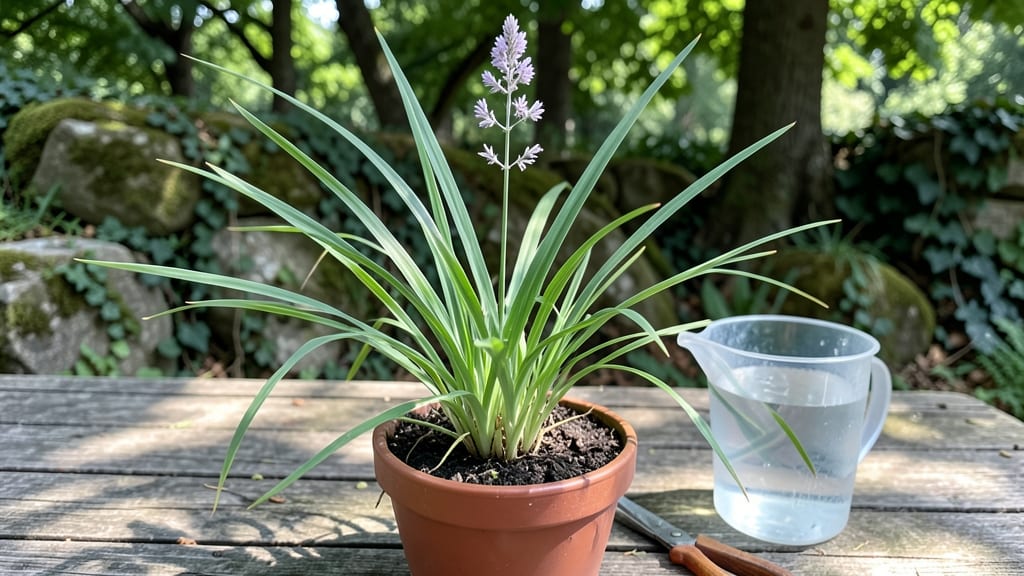
Lemon grass flower growing is easier than you think—this fragrant tropical plant actually thrives in containers and can bloom with the right care. ✨ I’ve grown it in pots for years, and its delicate plumes add unexpected beauty to my balcony while keeping pests at bay.
The key is mimicking its natural habitat: bright light, well-draining soil, and just enough water to keep the roots happy without drowning them.
The best part? You don’t need a greenhouse or fancy equipment—just a 10-12 inch pot, some potting mix, and a sunny spot. Lemon grass spreads quickly from cuttings, so you can multiply plants for free.
When it flowers, those airy plumes smell like citrus and attract beneficial insects, making your garden smell like a tropical paradise without the humidity.
By summer’s end, you’ll have lush, flowering stalks reaching 3-4 feet tall, perfect for drying or using in teas. The flowers themselves are edible and add a floral note to dishes, though most people grow it for the leaves.
If yours isn’t blooming, it might need more sunlight or a slightly drier soil mix—both are easy fixes.
Works in zones 9-11 year-round, and in cooler climates, it’ll survive as an annual or bring indoors before frost. Whether you’re growing it for the scent, the flowers, or just the striking foliage, this plant delivers—with almost no effort once established.
📚 In This Guide
- What you need
- Instructions
- Tips and common mistakes
- Wrapping up and next steps
What you need
- ● Lemon grass (Citronella) plants: 3–5 healthy nursery-grown plants (6–12 inches tall, potted or bare-root)
- ● OR seeds (if starting from scratch—germination takes 14–30 days)
- ● Containers: 3–5 large pots (12–18 inches in diameter) with drainage holes
- ● OR a raised bed (if planting directly in the ground)
- ● Potting mix: 1 part well-draining cactus/succulent mix
- ● 1 part perlite or pumice (for aeration)
- ● 1 part coconut coir or peat moss (for moisture retention)
- ● Tools: Trowel or small shovel
- ○ Garden gloves (optional but recommended!)
- ● Spray bottle (for misting)
- ● Slow-release fertilizer (balanced 10-10-10 or citrus-specific)
- ● Mulch (straw or pine bark for moisture retention)
- ● Support stakes (if your lemon grass grows tall and leggy)
- ● pH testing kit (ideal soil pH: 5.5–7.0)
- ● Misting system or automatic watering timer (for tropical humidity lovers!)
Step-by-step guide to growing lemon grass flower in containers
Here's how to cultivate this fragrant tropical beauty—even if you only have a sunny windowsill.
🌱 Step 1: Select the Right Container and Soil Mix
Choose a container with drainage holes that's at least 12 inches deep—lemon grass has long rhizomes that need room to spread. I use terracotta pots because they wick away excess moisture, which is critical for this tropical plant. Fill the bottom third with 3 inches of small gravel or perlite to improve drainage and prevent root rot.
Use a well-draining potting mix that mimics the plant's native sandy soil. A blend of 50% premium potting mix and 50% coarse sand or perlite works perfectly. This combination ensures water flows through the roots quickly while still retaining enough moisture. Avoid garden soil—it compacts and suffocates the roots.
🌿 Step 2: Plant the Rhizomes Properly
Lemon grass flowers grow from rhizomes, not seeds. Plant 1-2 rhizome sections per 12-inch pot, spacing them 3-4 inches apart. Place them horizontally, about 1 inch below the soil surface, with the buds facing upward. Cover them lightly with soil—just enough to hold them in place without burying them too deep.
Press the soil gently around the rhizomes to eliminate air pockets. The goal is firm but not compacted soil. Water immediately after planting until moisture seeps from the drainage holes. This ensures the rhizomes make contact with the soil and begin rooting quickly. I like to use warm water for planting—it mimics the tropical environment and encourages faster growth.
☀️ Step 3: Position for Maximum Sunlight
Lemon grass flowers thrive in full sun to partial shade, but they need at least 6 hours of direct sunlight daily to produce those stunning fragrant blooms. Place your container in the brightest spot you have—south-facing windows or a sheltered patio work best. If you're growing indoors, supplement with a grow light for 12-14 hours per day during winter months.
Watch for signs of insufficient light: if the leaves turn pale or the plant stretches unnaturally toward the window, it's time to move it closer to the light source. Over time, rotate the pot a quarter turn weekly so the plant grows evenly. You'll notice the stems grow straighter and the foliage stays fuller when you do this.
💧 Step 4: Water and Fertilize for Optimal Growth
Water your lemon grass flowers when the top 2 inches of soil feel dry to the touch. This plant hates soggy roots, so always check before watering. During the growing season (spring and summer), water every 2-3 days, while in fall and winter, reduce to once a week. Empty the saucer under the pot after watering to prevent root rot from standing water.
Feed your plant with a balanced liquid fertilizer (10-10-10) every 4-6 weeks during the growing season. Dilute it to half-strength to avoid burning the roots. You'll see new growth within a few weeks of fertilizing—that's your signal the plant is thriving. In late summer, reduce fertilization to prepare the plant for its dormant period.
✂️ Step 5: Prune and Encourage Blooming
Deadhead spent flowers regularly to encourage more blooms. Simply pinch or cut off the faded flower stalks at the base with clean scissors. This redirects the plant's energy toward producing new flowers instead of seeding. I also trim any yellow or brown leaves immediately—they can attract pests and diseases.
If your lemon grass flowers become too leggy, prune the stems back by one-third in early spring. This promotes bushier growth and more abundant flowering. After pruning, give the plant a light feeding to support its recovery. With proper care, your plant will reward you with fragrant, tropical blooms all season long.
Tips & tricks for perfect lemon grass flower cultivation
A few simple strategies will help your lemon grass flowers thrive in containers and reward you with stunning blooms.
Container Selection: While terracotta works beautifully, you can also use fiberglass or plastic containers with drainage holes. The key is depth—anything less than 12 inches risks restricting those long rhizomes. I've had great success with window boxes that are at least 10 inches deep, though you'll need to monitor watering more carefully. For extra stability in windy spots, choose containers that weigh at least 10 pounds when filled.
Rhizome Preparation: Before planting, soak your rhizome sections in warm water for 10-15 minutes to encourage faster rooting. This mimics the tropical environment they thrive in. When planting your 1-2 rhizome sections, make sure the buds are facing upward—this is where new growth emerges. If you're unsure which end is up, plant horizontally and the buds will naturally orient themselves upward as they grow.
Light Optimization: For indoor growers, position your plant within 12-18 inches of the brightest window. South-facing windows get the most light, but west-facing windows can work well too. If you notice your plant stretching toward the light (a condition called etiolation), it's time to move it closer or supplement with a grow light. Remember to rotate your pot weekly to prevent lopsided growth—this ensures even exposure on all sides.
Watering Wisdom: The "top 2 inches dry" rule works perfectly, but here's a pro tip: use your finger to check moisture at the 2-inch level rather than just the surface. Lemon grass roots need consistent moisture but hate soggy conditions. In winter, reduce watering to every 7-10 days as growth slows. Always empty saucers after watering to prevent root rot—this is non-negotiable for container-grown tropical plants.
Pro Tips for Lemon Grass Flower
- A few simple strategies will help your lemon grass flowers thrive in containers and reward you with stunning blooms.
- Container Selection: While terracotta works beautifully, you can also use fiberglass or plastic containers with drainage holes.
- Rhizome Preparation: Before planting, soak your rhizome sections in warm water for 10-15 minutes to encourage faster rooting.
Frequently asked questions
Got questions about growing lemon grass flowers (like Citronella or Siam Tulip)? You’re not alone!
Here are answers to the most common queries—from timing to troubleshooting—to help your tropical beauty thrive in containers.
Can lemon grass flowers bloom indoors?
Yes, but with careful conditions! These tropical plants need bright, indirect light (like a south-facing window) and high humidity. If your home is dry, use a pebble tray or humidifier. Expect blooms in late summer/fall if given 6+ hours of sunlight daily and well-draining soil. Pro tip: Rotate the pot weekly for even growth!
How long does it take for lemon grass flowers to bloom?
Patience is key! Mature plants (1–2 years old) typically bloom 6–12 months after planting, depending on care. Young plants may take longer. Boost growth by fertilizing monthly with a balanced liquid fertilizer (10-10-10) during spring/summer. Fun fact: Some varieties, like Siam Tulip, may surprise you with flowers in their first year if conditions are ideal!
What if my lemon grass flower isn’t blooming?
No flowers? Check these fixes:
- Light: Move to a sunnier spot (they need full sun for blooms).
- Age: Young plants may not bloom until year 2.
- Fertilizer: Switch to a phosphorus-rich fertilizer (like 5-10-5) to encourage blooming.
- Stress: Overwatering or root-bound pots can delay flowers.
Are there non-flowering lemon grass alternatives for containers?
If you love lemon grass’s fragrance but not the flowers, try:
- Citronella grass (Cymbopogon nardus) – Classic for repelling mosquitoes.
- Lemongrass (common variety) (Cymbopogon citratus) – Edible stems, no flowers.
- Palmarosa (Cymbopogon martinii) – Floral-scented, drought-tolerant.
Why are my lemon grass flower leaves turning yellow?
Yellow leaves usually signal one of these issues:
Cause
Fix
Overwatering
Let soil dry 1–2 inches deep between waterings.
Underwatering
Water deeply until it drains from the bottom.
Nutrient deficiency
Fertilize with a balanced liquid fertilizer monthly.
Pests (like aphids)
Spray with neem oil or rinse leaves gently.
Wrapping up and next steps
Growing lemon grass flower in containers is a rewarding way to bring tropical beauty to your space—even if you don’t have a sprawling garden! 🌿 With the right soil, sunlight, and care, you’ll enjoy fragrant blooms and lush foliage that’s perfect for adding a touch of the tropics to patios, balconies, or cozy corners.
Whether you’re a beginner or a seasoned plant parent, this guide makes it simple to nurture your own slice of paradise.
Ready to dive in? Start by gathering your supplies and give your lemon grass flower the love it deserves. Happy planting—your future tropical oasis awaits! 🌺✨