
Shrubs
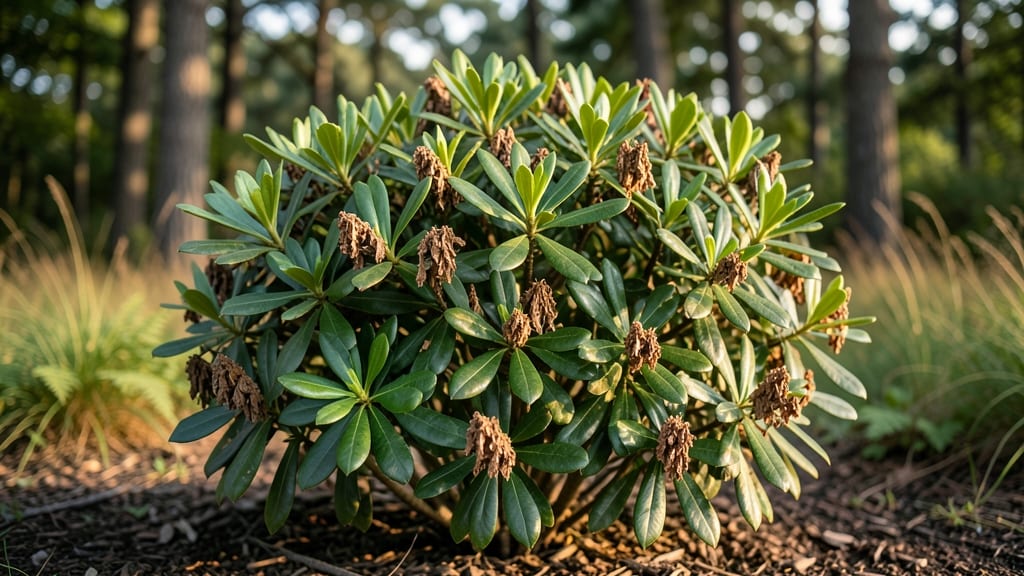
Azaleas after flowering need precise care to guarantee next year’s showstopping blooms—skip this step, and you’ll end up with sparse, weak flowers. I’ve learned the hard way that timing is everything: prune too early, and you cut off next season’s buds; wait too long, and the plant loses its shape.
The key is acting right after the flowers fade but before new growth hardens—usually late May to early June in most climates.
Start with clean, sharp pruners and focus on shaping rather than drastic cuts. Remove only the spent blooms and any crossing or dead branches—never trim more than one-third of the plant at once.
Azaleas bloom on old wood, so avoid heavy pruning that removes next year’s flower buds hidden in the leaf axils. Afterward, give them a light feeding with acid-loving fertilizer (like a 10-10-10 with sulfur) to replenish nutrients lost during flowering.
The payoff comes in late spring, when your azaleas burst into vibrant color again. Proper pruning keeps them compact, encourages bushier growth, and prevents those leggy, overgrown shapes.
Pair this with 2-3 inches of mulch to retain moisture and cool roots—just watch for powdery mildew on humid days by ensuring good airflow. A little extra attention now means a fuller, more dramatic display next season.
Don’t forget to monitor for pests like lace bugs or spider mites, which love stressed azaleas. If you spot yellowing leaves or sticky residue, treat with neem oil or insecticidal soap early.
The goal is to keep your azaleas thriving, not just surviving—so stay consistent with watering (deep but infrequent) and avoid over-fertilizing, which burns roots. Next season’s blooms start with this summer’s care.
📚 In This Guide
- What you need
- Instructions
- Tips and common mistakes
- Wrapping up and next steps
What you need
- ● Pruning shears: Bypass pruners (sharp, clean, and 3-5 inch blades for precision cuts). 1 pair required.
- ○ Loppers: For thicker branches (½–1½ inch diameter). 1 pair (optional but helpful for larger shrubs).
- ● Garden gloves: Cut-resistant, breathable fabric (e.g., 100% cotton or leather). 1 pair recommended.
- ● Disinfectant (70% isopropyl alcohol or bleach solution): 1 small spray bottle to sterilize tools between cuts.
- ○ Pruning sealant (optional): Pruning wax (for large cuts > ½ inch) to prevent disease. 1 small tub.
- ● Trash bags or bucket: For collecting pruned branches. 1–2 bags/bucket.
- ○ Safety glasses: Protects eyes from debris (optional but wise if working near your face).
- ● Workwear: Long sleeves/pants to avoid scratches from thorns.
- ● Weather check: Overcast day or early morning (azaleas hate midday sun while pruning!).
- ○ Notepad & pen: To sketch your shrub’s shape before cutting (optional but highly recommended for beginners!).
Azaleas after flowering: pruning guide for next season’s abundant blooms
Here’s how to revive your azaleas after their spring showstopper—so they’ll bloom even bigger next year.
Wait Until Flowers Fade Completely
Don’t rush to prune—wait until all the blooms have dropped and new growth appears. This usually happens 4-6 weeks after flowering, when you see fresh leaves emerging from the stems. Pruning too early removes next year’s flower buds, which form on last year’s wood. I know it’s tempting to tidy up right away, but patience here pays off with a fuller display.
Check the branches for small, green buds along the stems—these are the future blooms. If you see them, hold off on cutting. Even if some flowers linger, let them fade naturally. The goal is to avoid disturbing the buds while still shaping the plant for better airflow and sunlight penetration.
Remove Dead, Weak, or Crossing Branches
Start by inspecting the shrub for branches that are dead, diseased, or rubbing against others. Dead wood is easy to spot—it’s brown, brittle, and won’t bend. Cut these out first, making clean cuts just above a bud or leaf node (the bump where new growth appears). Use sharp pruning shears to avoid tearing the bark, which can invite pests.
Next, look for branches growing inward or crossing others. These compete for sunlight and nutrients, weakening the plant. Remove up to one-third of the shrub’s total volume in this step, but never take more than 25% in a single season. Thin out crowded areas so light reaches the center—this prevents future fungal issues and encourages stronger new growth.
Shape the Shrub for Better Form and Airflow
Azaleas naturally grow in a rounded shape, so aim to maintain that silhouette. Step back and visualize the plant’s natural form—remove any branches that disrupt this shape or grow straight up instead of outward. Cut just above an outward-facing bud to encourage bushier growth. Avoid heavy pruning at the top; focus on opening up the center for airflow.
For larger shrubs, avoid cutting back more than one-third of any branch’s length in one season. Over-pruning stresses the plant and can reduce next year’s blooms. If your azalea is overgrown, spread the pruning over 2-3 years to avoid shock. Always prune just above a bud angled away from the center to direct growth outward.
Clean Up and Fertilize for Recovery
After pruning, remove all fallen leaves and debris from the base of the plant. This prevents fungal diseases from overwintering. Sterilize your pruning tools with rubbing alcohol to kill any lingering pathogens. A quick wipe-down between cuts keeps your tools clean and your azalea healthy.
Once pruned, apply a slow-release, acid-loving fertilizer (like one formulated for rhododendrons or azaleas) to replenish nutrients. Water deeply after fertilizing to help the roots absorb the nutrients. Mulch the base with 2-3 inches of pine bark or wood chips, keeping it 3 inches away from the trunk to prevent rot. This keeps the roots cool and moist, which azaleas love.
Monitor and Adjust for Next Season
Keep an eye on your azalea over the next few months. If you notice new growth slowing or leaves yellowing, it might need more acid fertilizer or better drainage. Azaleas thrive in slightly acidic soil (pH 4.5-6.0), so test your soil if blooms seem sparse. A simple soil test kit from a garden center will tell you if adjustments are needed.
In late winter or early spring, just before buds swell, do a light pruning to remove any water sprouts or misplaced growth. This keeps the shrub tidy and ensures energy goes toward next year’s flowers. With proper care, your azalea will reward you with even more vibrant blooms next season—sometimes double what you had before!
Tips & tricks for perfect azalea pruning
Pruning azaleas after flowering might seem intimidating, but these key strategies will help you avoid common mistakes and ensure your shrubs thrive for years to come.
Timing is Everything: The 4-6 week window after flowering is critical because azaleas form next year's flower buds on last year's wood. I've seen too many gardeners prune too early and end up with sparse blooms the following spring. If you're unsure when to prune, wait until you see those small green buds forming on the stems—this is your cue that it's safe to cut. Don't be fooled by lingering flowers; let them fade completely before touching your pruners.
Precision Cuts for Future Blooms: When you're ready to prune, always cut just above a bud or leaf node, and make sure it's angled away from the center of the plant. This simple technique directs new growth outward, creating a fuller shrub. I learned this the hard way after pruning too close to the center and ending up with a leggy azalea that never recovered its shape. For larger shrubs, remember the one-third rule: never remove more than one-third of any branch's length in a single season to avoid shocking the plant.
Healthy Tools Prevent Problems: Sterilizing your pruning tools between cuts with rubbing alcohol is one of the most important steps many gardeners skip. I've seen fungal diseases spread rapidly through contaminated tools, leading to dead branches and poor recovery. Take 30 seconds to wipe down your shears with rubbing alcohol before each cut—it's a small effort that makes a big difference in your azalea's health. Also, always use sharp pruning shears; dull blades tear the bark and create entry points for pests and diseases.
Post-Pruning Care Boosts Recovery: After you've finished pruning, don't just walk away. Apply a 2-3 inch layer of pine bark or wood chips mulch around the base of your azalea, keeping it 3 inches away from the trunk. This mulch layer helps maintain moisture and cool root temperatures, which azaleas love. Water deeply after fertilizing to help the roots absorb nutrients, and keep an eye out for any signs of stress like yellowing leaves or slow new growth. If you notice these signs, your azalea might need more acid fertilizer or better soil drainage.
Pro Tips for Azaleas After Flowering
- Pruning azaleas after flowering might seem intimidating, but these key strategies will help you avoid common mistakes...
- Timing is Everything: The 4-6 week window after flowering is critical because azaleas form next year's flower buds on...
- Precision Cuts for Future Blooms: When you're ready to prune, always cut just above a bud or leaf node, and make sure...
Frequently asked questions
Got questions about caring for your azaleas after their stunning blooms fade?
You’re not alone! Here are the most common concerns—and straightforward answers—to keep your shrubs thriving for next season.
When is the best time to prune azaleas after flowering?
Prune azaleas right after flowering (late spring to early summer) to avoid cutting off next year’s bloom buds, which form on old wood. Wait until new growth appears to ensure you’re trimming the right branches. Pro tip: Never prune in fall or winter—this can damage tender new buds!
How much should I trim back my azaleas?
Aim to remove no more than 1/3 of the plant’s total growth per year. Focus on shaping, thinning out crowded branches, and deadheading spent blooms. Avoid heavy pruning—azaleas bloom on last year’s wood, so drastic cuts can reduce next season’s flowers. For overgrown shrubs, lightly trim over 2-3 years instead of all at once.
Why are my azaleas not blooming after pruning?
If your azaleas skip blooms post-pruning, you may have cut too late (after buds formed) or too aggressively. Check these fixes:
- Ensure you pruned after flowering (not before).
- Fertilize with acid-loving plant food in early spring.
- Test soil pH—azaleas thrive in acidic soil (pH 4.5–6.0).
- Avoid over-fertilizing with high-nitrogen feeds, which promote foliage over flowers.
Can I fertilize azaleas after flowering?
Yes! Fertilize 4–6 weeks after flowering with a balanced, acidic fertilizer (e.g., 10-10-10 or 8-3-9 with sulfur). Avoid heavy nitrogen—it encourages leafy growth at the expense of blooms. Water deeply after applying to prevent root burn. For organic options, try pine bark fines or composted leaves.
What should I do if my azaleas get fungal issues after pruning?
Pruning opens wounds, making azaleas vulnerable to powdery mildew or leaf spot. Prevent it with these steps:
- Space plants for good airflow (3–5 feet apart).
- Water at the base (not overhead) to keep foliage dry.
- Clean up fallen leaves and debris regularly.
- Apply neem oil or fungicide if spots appear (follow label instructions).
Wrapping up and next steps
Caring for your azaleas after flowering doesn’t have to be overwhelming—just a little timing, technique, and tender love!
By pruning in late spring or early summer, fertilizing wisely, and protecting them from pests, you’ll set the stage for stunning blooms next season. 🌸 With these steps, your azaleas will thrive and reward you with vibrant color year after year.
Now that you’re ready to take action, grab those shears and get pruning! Start small if you’re new, and soon your azaleas will be the showstopper of your garden. Happy gardening! 🌿✨