
Shrubs
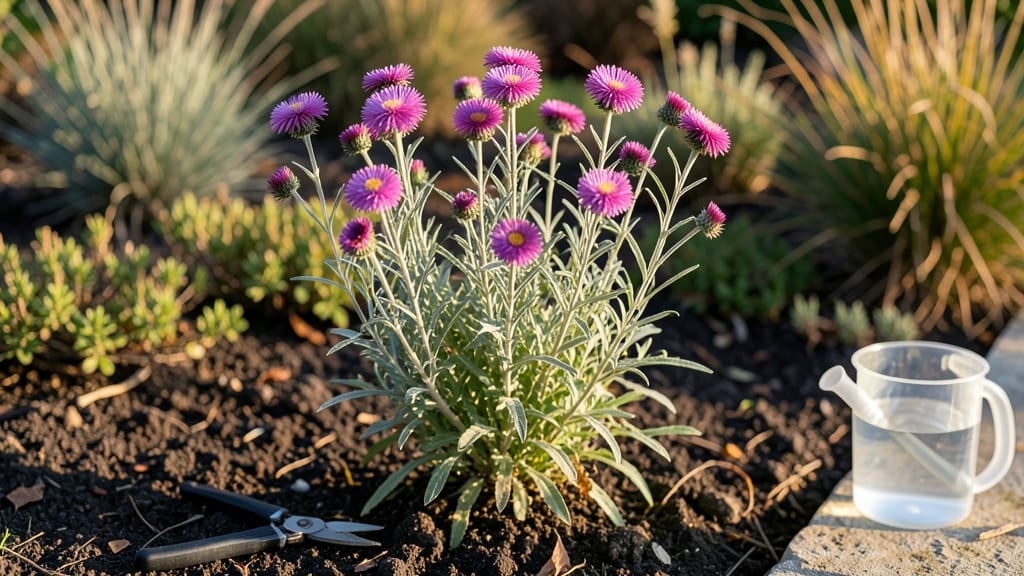
Late flowering asters keep your garden vibrant when most plants have already faded. ✨ These hardy perennials thrive in cooler weather, offering bold purple, pink, and white blooms from late summer through frost—making them essential for extending your seasonal color palette.
The key to maximizing their late-season performance lies in strategic pruning and planting timing, tailored to your climate zone.
In USDA zones 4 through 9, asters naturally bloom later than most perennials because they prefer cooler temperatures. To encourage this behavior, I prune them back by half in early spring, right after the first flush of new growth appears.
This removes old foliage while preserving the plant’s energy for robust late-season flowering. Pair them with ornamental grasses or goldenrod for a striking fall display that lasts until winter’s first frost.
With proper care, your asters will reward you with weeks of vibrant blooms that attract bees and butterflies when few other flowers remain.
The secret is balancing pruning, watering, and companion planting—all of which I’ll break down step by step to ensure your asters shine until the very end of the season. Let’s get started with the pruning blueprint that transforms them into your garden’s late-season stars.
This method works equally well in full sun or partial shade, making it adaptable to different garden layouts. Whether you’re in the South’s mild winters or the North’s crisp autumns, these tips will help you keep your asters thriving until the first hard freeze.
The payoff? A garden that stays stunning long after most plants have called it quits for the year.
📚 In This Guide
- What you need
- Instructions
- Tips and common mistakes
- Wrapping up and next steps
What you need
- ● Late-flowering aster plants: Choose varieties like 'Profusion', 'Wood’s Purple', or 'Alma Potschke' (3-5 plants per 100 sq. ft. for full coverage).
- ● Pruning shears: Bypass pruners (sharp, 6-8" blades) for clean cuts—avoid dull tools that crush stems!
- ● Garden gloves: Heavy-duty, cut-resistant (e.g., Fellex or Warrior brands) to protect hands from thorns.
- ● Disinfectant (70% isopropyl alcohol or bleach solution): 1 part bleach to 9 parts water—to sterilize tools between cuts.
- ● Compost or mulch: 2-3 inches of aged compost or shredded bark to replenish soil post-pruning.
- ● Hand pruners: For smaller stems or tight spaces.
- ● Loppers: 18-24" for thicker stems (if your asters are mature).
- ● Garden kneeler: To reduce strain while working close to the ground.
- ● Plant food (balanced 10-10-10 or slow-release granules): 1 lb per 10 sq. ft. after pruning to boost regrowth.
- ● Rain gauge or moisture meter: To monitor soil hydration post-pruning (asters love consistent moisture!).
- ● Timing: Prune after the first frost (late fall/early winter) or in early spring (before new growth).
- ● Weather: Choose a dry, overcast day to minimize stress on plants.
- ● Healthy plants: Avoid pruning if asters show signs of disease (e.g., powdery mildew) or severe pest damage.
Step-by-Step guide to pruning late flowering asters for prolonged blooms
Here's how I keep my asters flowering until frost—simple cuts that make all the difference.
🌱 Step 1: Identify and Remove Spent Blooms Early
Wait until 2-3 days after a flower head wilts completely—don't cut too soon, or you'll remove buds still forming. Use clean, sharp pruners to snip the stem just above the next set of leaves or where new growth appears. This prevents the plant from wasting energy on seed production.
I always work on a dry morning when stems are firm. If you cut when dew is present, the wound stays damp longer and invites fungal infections. Remove only the dead flowers—never cut into healthy stems, as this stresses the plant.
✂️ Step 2: Thin Overcrowded Stems for Better Airflow
In late spring or early summer, examine your aster clumps. If stems grow too close together, select 3-5 of the strongest, healthiest stems and cut the rest at the base. This gives remaining stems room to breathe and reduces competition for nutrients.
I look for stems with thick, dark green leaves and no signs of yellowing or spots. Thin stems often produce larger, more vibrant blooms later in the season. Never remove more than a third of the plant at once—this ensures it doesn't go into shock.
☀️ Step 3: Deadhead Regularly for Continuous Flowering
Once buds begin forming, I switch to weekly deadheading during peak bloom. Cut back stems to just below the first healthy set of leaves after the flower fades. This encourages the plant to produce new side shoots that will bloom later.
I always deadhead in the morning so any cuts have time to dry before evening. If you notice small buds forming below dead flowers, leave those stems alone—they'll open soon. The key is consistency: 10-15 minutes every Saturday morning keeps my asters going strong.
⏰ Step 4: Light Pruning Before Winter to Encourage Spring Growth
After the first hard frost when all blooms are gone, cut back stems to 2-3 inches above the ground. This removes dead foliage that could harbor pests or diseases over winter. I never cut into the crown—the thick, woody base where new growth emerges in spring.
Leave the cut stems in place until spring. The old stems provide some insulation for the crown, and the pruned look is much tidier than a messy winter garden. In early spring, I do one final trim to remove any remaining dead growth before new shoots appear.
🌿 Step 5: Fertilize Strategically After Each Major Pruning
After thinning in spring and after deadheading in summer, I apply a balanced 10-10-10 fertilizer at half-strength. This gives the plant a gentle boost without encouraging too much leafy growth at the expense of flowers. Water thoroughly after applying.
I avoid fertilizing in late summer—this encourages tender new growth that won't survive fall frosts. Instead, I focus on keeping the soil moist and removing spent blooms. The plant's natural cycle does most of the work for me after that.
Tips & tricks for perfect late flowering asters pruning
Here's what I've learned after years of keeping my asters blooming until frost—simple tricks that make all the difference.
Timing is Everything: In Step 1, those 2-3 days after wilting are crucial. I've learned the hard way that cutting too soon removes buds still forming. Look for flowers that are completely brown and crispy—not just drooping. If you're unsure, wait another day. The plant will thank you with more blooms later in the season.
Tool Prep Matters: Before you start pruning in Step 2, take 5 minutes to clean and sharpen your pruners. Dull blades crush stems instead of making clean cuts, which stresses the plant. I dip my pruners in rubbing alcohol between cuts during thinning to prevent spreading any potential diseases between stems.
Morning Maintenance Routine: That weekly deadheading in Step 3 works best if you make it a quick morning habit. I set a timer for 10-15 minutes every Saturday while my coffee brews. The morning dew has dried but hasn't gotten too hot yet—perfect cutting conditions. This consistency is what keeps my asters producing until the first frost.
Winter Prep Strategy: When you do the winter pruning in Step 4, leave those cut stems standing until spring. They act like little umbrellas protecting the crown from harsh winter winds. I mark the location with a small stake so I don't accidentally dig there in spring when new growth appears.
Pro Tips for Late Flowering Asters
- Here's what I've learned after years of keeping my asters blooming until frost—simple tricks that make all the differ...
- Timing is Everything: In Step 1, those 2-3 days after wilting are crucial. I've learned the hard way that cutting too...
- Tool Prep Matters: Before you start pruning in Step 2, take 5 minutes to clean and sharpen your pruners. Dull blades ...
Frequently asked questions
Got questions about keeping your late flowering asters vibrant until frost? We’ve got answers!
Here are the most common queries gardeners ask—and the straightforward solutions to keep your blooms thriving.
When is the best time to prune late flowering asters for extended blooms?
Prune your late asters after the first flush of flowers fades (late summer to early fall). This encourages a second wave of blooms before frost. Avoid heavy pruning too late—focus on light trimming to remove spent stems while leaving foliage intact for energy production. Pro tip: Use clean, sharp shears to prevent disease!
Why aren’t my late asters flowering as late as they should?
Late blooming can stem from over-fertilizing (too much nitrogen = leafy growth, fewer flowers), poor sunlight, or crowded roots. Ensure they get full sun (6+ hours/day) and well-draining soil. If roots are bound, gently loosen them or divide clumps every 3–4 years. Deadhead spent blooms to redirect energy to new flowers!
Can I still prune late asters if they’re already in bloom?
Yes! Light pruning (removing only 1/3 of the plant) during bloom won’t harm late asters. Focus on cutting back leggy stems or those with faded flowers to maintain shape and encourage more buds. Avoid heavy cuts—save aggressive pruning for after the first frost. This keeps your garden looking fresh until winter!
What’s a good alternative if my late asters refuse to rebloom?
Try New England asters or ‘Patriot’ asters—both are late-season performers with similar care needs. For a different look, consider goldenrod or Russian sage, which thrive in similar conditions and add late-season color. All three handle fall pruning well!
How do I prevent pests or diseases in late-season asters?
Late asters are tough, but aphids, powdery mildew, and Japanese beetles can still strike. Boost airflow by spacing plants 18–24 inches apart, and water at the base (not overhead). For pests, spray with neem oil or introduce ladybugs. Remove diseased leaves immediately to stop spread!
Wrapping up and next steps
Late flowering asters bring a burst of color to your garden long after summer fades—and with the right pruning strategy, you can extend their beauty even further! 🌸 Whether you're a seasoned gardener or just starting, these hardy plants reward patience with vibrant blooms and minimal fuss.
Now that you’ve got the pruning blueprint, grab those shears and get ready to transform your late-season garden into a showstopper!
🔹 Next step: Mark your calendar for early fall—that’s when asters often need their final trim. Observe your plants, experiment with timing, and watch your garden thrive with season-long color!