
Companion Plants
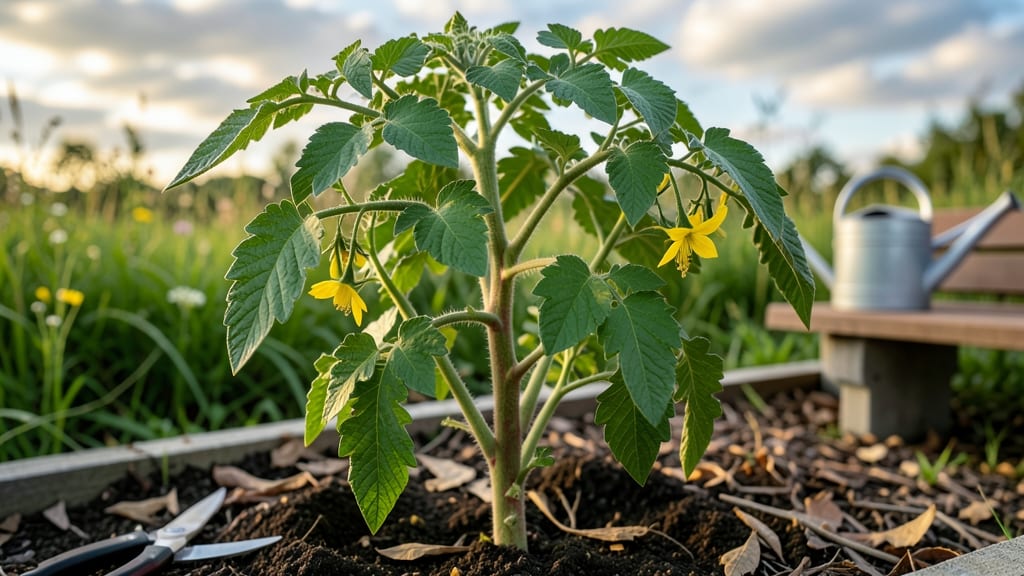
When your small tomato plants start flowering, pinching suckers transforms those scraggly stems into fruit-loaded powerhouses. 🌱 I’ve watched tiny tomato seedlings go from struggling to producing bushels of ripe tomatoes just by focusing on the right pruning and care during this critical stage.
The key is balancing growth and fruit production—too many suckers drain energy from blooms, while aggressive pruning stunts the plant. You’ll need clean pruners, a steady hand, and a schedule: pinch suckers when they’re 1-2 inches long, and always leave the top leaves intact.
This simple habit turns weak stems into sturdy producers.
Within weeks, you’ll see thicker vines, more flowers, and heavier fruit loads. The plants stay compact, shade their own fruit, and resist disease better. Even indoor growers can master this—just adjust light and humidity to match outdoor conditions.
Works for cherry tomatoes, slicers, and heirlooms alike. Here’s how to keep your plants flowering—and fruiting—like they’re in a greenhouse, not a backyard.
Understanding Plant Stress Triggers
When your small tomato plants start flowering but fail to thrive, it’s often a sign that they’re dealing with stress—whether from the environment, their care routine, or even their own biology. Let’s break down the most common reasons why this happens, so you can troubleshoot like a pro. 🌱🔍
Tomatoes are sun-worshippers, and if they don’t get enough light—typically 6–8 hours of direct sunlight daily—their energy shifts from leaf growth to flowering too early. This premature blooming drains their resources, leaving them stunted and weak.
- Why it happens: Low light triggers ethylene production, a plant hormone that accelerates flowering at the expense of vegetative growth.
- Signs: Leggy stems, small yellowing leaves, and flowers appearing before the plant has a strong root system.
- Actionable fix:
- Move plants to a sunnier spot immediately—even partial shade can stunt growth.
- Use reflective surfaces (like white walls or mirrors) to bounce light onto plants.
- Supplement with a grow light (12–16 hours/day) if outdoor light is limited.
Tomatoes are heavy feeders, and if their soil lacks the right nutrients—or has too much of one—they’ll prioritize reproduction over growth. Common culprits include:
| Nutrient Issue | Effect on Plant | How to Fix |
|---|---|---|
| Low nitrogen (N) | Plants flower early but stay small, with pale leaves. | Add balanced fertilizer (10-10-10) or compost-rich soil. |
| Excess phosphorus (P) | Encourages too many flowers at once, overwhelming the plant. | Flush soil with water to dilute excess P; avoid bone meal. |
| Potassium or magnesium deficiency | Weak stems, yellowing between leaf veins, and poor fruit set. | Use Epsom salt (1 tbsp/gallon water) or a potassium-rich fertilizer. |
Pro tip: Test your soil’s pH (ideal: 6.0–6.8)—locks out nutrients if too acidic or alkaline! 🌡️
Tomatoes are sensitive to temperature extremes. If nights dip below 55°F (13°C) or days exceed 90°F (32°C), they’ll bolt (flower prematurely) to reproduce before conditions become lethal.
- Why it happens: Cold stress triggers abscisic acid, a hormone that signals flowering. Heat stress, meanwhile, causes ethylene buildup, stunting growth.
- Signs: Flowers appear on young plants, leaves curl or wilt, or growth slows dramatically.
- Actionable fix:
- Use row covers for early-season protection from cold snaps.
- Provide afternoon shade (e.g., shade cloth) in hot climates.
- Mulch heavily to regulate soil temperature and retain moisture.
When tomato plants compete for space, they stress out—leading to weak stems, disease susceptibility, and early flowering. Poor airflow also traps humidity, promoting fungal issues like blight, which further stresses the plant.
- Why it happens: Crowded plants compete for water and nutrients, triggering survival-mode flowering. Ethylene gas (released in confined spaces) accelerates blooming.
- Signs: Stunted growth, yellow lower leaves, and flowers appearing before the plant is established.
- Actionable fix:
- Space plants 18–24 inches apart (or 2–3 feet for indeterminate varieties).
- Prune lower leaves to improve airflow and reduce humidity near the soil.
- Thin seedlings early to avoid root competition.
If tomato seedlings experience root disturbance (e.g., rough handling, overcrowded trays, or improper transplanting), their energy shifts to recovery—often resulting in early flowering at the cost of growth.
- Why it happens: Damaged roots reduce water and nutrient uptake, forcing the plant to prioritize reproduction over leaf/fruit development.
- Signs: Wilting, slow regrowth, and flowers appearing within 2–3 weeks of transplanting.
- Actionable fix:
- Hardening off seedlings gradually (7–10 days) before transplanting.
- Use root stimulants (like mycorrhizal fungi) to encourage root regrowth.
- Avoid transplanting in direct sunlight—do it in the early morning or evening.
Not all tomato stress is avoidable! Determinate varieties (like ‘Roma’ or ‘Celebrity’) are bred to flower and fruit early, often producing a single flush of blooms before stopping. This isn’t a problem—it’s their design.
- Why it happens: Determinate tomatoes have a built-in growth limit; they focus energy on fruit production rather than endless vine growth.
- Signs: Bushy shape, compact height, and a one-time harvest window.
- Actionable fix:
- Embrace their early productivity—they’re perfect for sauces and canning!
- Pair with indeterminate varieties (like ‘Sungold’) for a prolonged harvest.
- Use succession planting to stagger blooms if you want continuous tomatoes.
Revitalize Your Tomato Plants Now
When your tomato plants are flowering but staying small, it’s time to roll up your sleeves and take action! The good news? Most issues have simple, effective fixes. Below, we’ve mapped out the most common causes—from nutrient deficiencies to environmental stressors—and paired them with step-by-step solutions.
Think of this as your tomato plant first aid kit, designed to get those vines thriving (and fruiting!) in no time.
Cause: Too many suckers or poor structural support diverts energy from fruit production. Solution:
- 🔪 Prune aggressively but strategically. Remove all suckers (those little shoots in the leaf axils) up to the first flower cluster. Use clean, sharp pruners to avoid damaging the main stem.
- 🌿 Support your plants. Install sturdy cages or stakes (3–4 feet tall) and gently tie the main stem to the support. This encourages vertical growth and better air circulation.
- 🌡️ Thin out foliage. If leaves are dense, trim excess leaves below the first flower cluster to redirect energy to fruit development.
💡 Prevention Tip:
- Pinch suckers early! Check plants weekly and remove suckers when they’re no bigger than a pencil eraser. This keeps energy flowing to the main stem and existing flowers.
Cause: Lack of key nutrients (like nitrogen, phosphorus, or potassium) stunts growth and delays flowering. Solution:
- 📊 Test your soil. Grab a soil test kit (or send a sample to your local extension office) to check pH and nutrient levels. Ideal pH for tomatoes is 6.0–6.8.
- 💪 Fertilize smartly.
- Early growth (leafy stage): Use a balanced fertilizer (10-10-10) or compost tea to boost nitrogen.
- Flowering/fruiting stage: Switch to a phosphorus-heavy fertilizer (like 5-10-10) or a tomato-specific feed to encourage blooms and fruit set.
- 🥗 Organic option: Mix in well-rotted manure, banana peels (for potassium), or crushed eggshells (for calcium) into the soil.
- 🚫 Avoid over-fertilizing. Too much nitrogen = lush leaves, few tomatoes. Follow package instructions carefully!
💡 Prevention Tip:
- Feed in stages. Split fertilizer applications into 3–4 doses over the growing season, starting when plants are 6–8 inches tall.
Cause: Insufficient sunlight or extreme heat stress can halt growth and cause flowers to drop. Solution:
- 🌞 Move plants to sunnier spots. Tomatoes need 6–8+ hours of direct sunlight daily. If space is limited, use reflective mulch (like white plastic) to bounce light onto plants.
- 🌡️ Beat the heat.
- Shade cloth: Use 30–50% shade cloth during peak afternoon sun (especially in hot climates).
- Drip irrigation: Water deeply at the base in the morning to keep roots cool. Avoid wetting leaves to prevent sunburn.
- Mulch: Apply 2–3 inches of straw or wood chips to retain moisture and regulate soil temperature.
- 🌬️ Improve airflow. Space plants 18–24 inches apart to reduce humidity and fungal risks (like blight), which can stress plants.
💡 Prevention Tip:
- Choose heat-tolerant varieties. If you live in a hot climate, opt for determinate tomatoes (like ‘Celebrity’ or ‘Roma’) or heat-resistant hybrids (e.g., ‘Solar Fire’).
Cause: Underwatering or inconsistent moisture stresses plants, while overwatering leads to root rot and poor nutrient uptake. Solution:
- 💦 Water deeply and consistently. Aim for 1–1.5 inches of water per week, delivered at the soil level (not the leaves). Use a moisture meter or the “finger test” (stick your finger 2 inches into the soil—if it’s dry, water).
- ⏰ Stick to a schedule. Water in the early morning to reduce evaporation and fungal risks. Avoid evening watering, which can promote disease.
- 🌱 Fix root-bound plants. If your tomatoes are in containers, check for roots circling the pot. Repot into a larger container (at least 5 gallons) with fresh potting mix if needed.
💡 Prevention Tip:
- Mulch like a pro. Mulch retains moisture and reduces temperature fluctuations, cutting down on your watering chores.
Cause: Bugs (like aphids, whiteflies, or spider mites) or diseases (early blight, fusarium wilt) sap energy from your plants. Solution:
- 🔍 Inspect plants regularly. Look for chewed leaves, sticky residue (honeydew), or yellowing spots. Act fast!
- 🍳 Natural pest control.
- Soap spray: Mix 1 tbsp mild dish soap with 1 quart water and spray affected areas (test on a small leaf first).
- Neem oil: Apply neem oil spray (follow label instructions) to deter pests and prevent fungal spores.
- Beneficial insects: Release ladybugs or lacewings to eat aphids naturally.
- 🏥 Treat diseases promptly.
- Fungal issues (blight, powdery mildew): Remove infected leaves and apply copper fungicide or baking soda spray (1 tbsp baking soda + 1 quart water + a drop of dish soap).
- Viral/bacterial issues: Isolate affected plants and destroy them to prevent spread.
💡 Prevention Tip:
- Rotate crops. If you’ve grown tomatoes in the same spot before, move them to a new location next year to break disease cycles.
With these fixes in your toolkit, your small-but-flowering tomato plants should start putting on growth and producing the juicy harvest you’re craving. Remember: consistency is key—whether it’s pruning, watering, or feeding. Happy gardening! 🍅✨
Frequently asked questions about small tomato plants flowering
Why are my tomato seedlings flowering but staying so small?
This happens when plants prioritize reproduction over growth due to stress. Common triggers include low light (less than 6 hours of sun daily), nutrient imbalances (especially low nitrogen), or temperature swings. The plant's survival instinct kicks in, causing early blooms while stunting stems.
Should I remove flowers from small tomato plants?
Only if the plant is less than 12 inches tall or showing signs of stress (yellowing leaves, weak stems). Removing flowers redirects energy to leaf and stem growth. For healthy plants, let the first few flowers set fruit—just monitor for pests or disease that could drain resources.
How can I encourage bigger tomato plants after flowering starts?
Focus on three key fixes: prune suckers (remove shoots in leaf axils), support stems with stakes/cages, and feed with phosphorus-rich fertilizer (like 5-10-10). Thin crowded foliage to improve airflow and reduce humidity, which prevents fungal stress.
What's the difference between determinate and indeterminate tomato flowering?
Determinate varieties (like 'Roma') produce a single flush of flowers and stop growing after fruiting, staying compact. Indeterminate types (like 'Sungold') flower continuously all season, requiring pruning to manage growth. Choose determinate for early harvests or indeterminate for prolonged yields.
Can I still save my small flowering tomato plants if they're leggy?
Yes! Bury the main stem deeper (up to the first leaves) to encourage root growth, and prune back leggy growth by one-third. Add balanced fertilizer (10-10-10) and move to a sunnier spot. Most plants recover within 2-3 weeks with proper care.