Shrubs
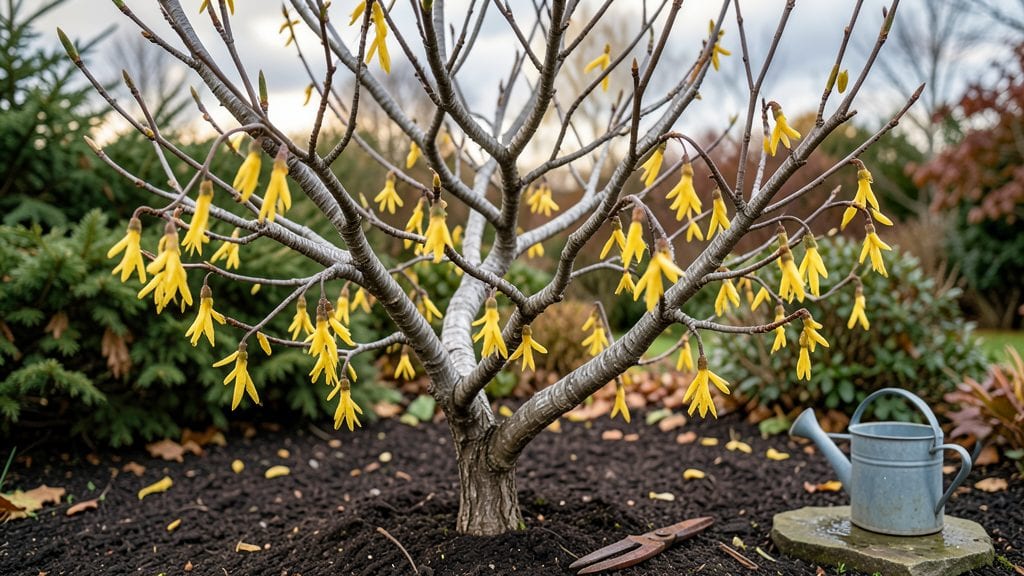
Early flowering shrubs bring instant color to gardens before most plants even think about waking up. 🌸 I’ve learned that the secret to beating winter’s dullness isn’t luck—it’s choosing the right shrubs and giving them what they need to bloom early.
Some, like forsythia or azaleas, burst into life as soon as the ground thaws, while others, like witch hazel, even flower in late winter.
The key is matching shrubs to your climate and sunlight. Most need well-draining soil and at least 6 hours of sun, though some tolerate shade. Planting in early spring or fall gives roots time to settle before summer heat or winter frost hits.
A little mulch around the base keeps moisture in and weeds out—simple but effective.
By late March or early April, you’ll see those first bright blooms—yellows, pinks, purples—transforming bare branches into showstoppers. These shrubs don’t just add color; they attract pollinators early, giving your garden a head start on the growing season. Plus, they’re low-maintenance once established.
Works for small yards, foundation plantings, or even containers on patios. The right shrubs turn a sleepy winter garden into a lively spring showcase—without waiting for summer to arrive.
📚 In This Guide
- What you need
- Instructions
- Tips and common mistakes
- Wrapping up and next steps
What you need
- ● Early flowering shrubs: Choose 3–5 plants from varieties like Pieris japonica, Hamamelis, Mahonia, or Viburnum. Select 3–5 gallon containers (or bare-root if planting in early spring).
- ● High-quality potting soil or native soil mix: 5–10 gallons (depending on shrub size). Opt for a blend with good drainage (e.g., 60% topsoil, 30% compost, 10% perlite/sand).
- ● Organic mulch: 2–3 cubic feet (e.g., shredded bark or wood chips) to retain moisture and regulate soil temperature.
- ● Slow-release fertilizer: 1–2 pounds (10-10-10 or balanced organic formula like fish emulsion or compost tea).
- ● Watering can or hose with a gentle spray nozzle: 5+ gallons capacity for thorough watering.
- ● Garden trowel or hand shovel: For digging holes 2–3 times wider than the root ball.
- ● Gloves: Heavy-duty gardening gloves to protect your hands.
- ● Pruning shears: Bypass pruners (for clean cuts) or loppers (for larger branches).
- ● Measuring tape or ruler: To ensure proper spacing (3–6 feet apart, depending on shrub maturity).
- ● Wheelbarrow or bucket: 5+ gallon capacity for mixing soil or hauling materials.
- ● Epsom salt: 1–2 tablespoons per shrub for magnesium boost (great for Pieris or Azalea varieties).
- ● Plant stakes or supports: If shrubs are top-heavy or in windy areas.
- ● Soil pH test kit: To check acidity (early bloomers like pH 5.0–6.5; amend with sulfur or lime if needed).
- ● Drip irrigation system: For automated watering (especially useful in dry climates).
- ● Mulch rings or landscape fabric: To keep mulch in place and prevent weed growth.
Step-by-Step guide to selecting and planting early flowering shrubs
Here’s how to choose the right varieties and get vibrant blooms in your garden early.
🌱 Step 1: Choose the Right Shrubs for Early Color
Pick shrubs that bloom early in the season, like azaleas, camellias, or forsythia. These varieties thrive in cooler spring temperatures and offer bold color before summer heat sets in. Check your USDA hardiness zone to ensure the shrubs you select will survive winter in your area.
Look for healthy nursery plants with firm stems and buds—avoid any with yellow leaves or wilting branches. I always check the root system for signs of disease before bringing them home. If planting in containers, make sure the pots are large enough to support the shrub’s mature size.
☀️ Step 2: Prepare the Planting Site for Full Sun
Most early bloomers need at least 6 hours of sunlight daily for strong growth and vibrant flowers. Clear the area of weeds and loosen the soil to a depth of 12 inches with a garden fork. Amend the soil with 2 inches of compost to improve drainage and fertility—early bloomers hate soggy roots.
Dig a hole twice as wide as the shrub’s root ball but only as deep as the container it came in. This prevents burying the stem too deeply, which can cause rot. If your soil drains poorly, mix in a handful of perlite to help water flow away from the roots.
🪴 Step 3: Plant Shrubs Correctly for Strong Growth
Gently remove the shrub from its container and tease the roots outward if they’re circling. Place it in the hole so the top of the root ball sits 1 inch above ground level. This ensures proper drainage and prevents water from pooling around the stem.
Backfill the hole with soil, pressing lightly to remove air pockets. Water deeply to settle the soil and encourage roots to spread. Mulch around the base with 2-3 inches of organic mulch, keeping it 3 inches away from the stem to prevent rot.
💧 Step 4: Water and Maintain for Consistent Blooms
Water newly planted shrubs twice a week for the first month, giving them 1 gallon of water per shrub each time. After that, water only when the top 2 inches of soil feel dry. Overwatering is a common mistake—early bloomers are tough but still need well-draining soil.
Fertilize in early spring with a balanced, slow-release fertilizer to support new growth. Prune spent blooms immediately to encourage more flowers, but avoid heavy pruning until after the first flush of flowers has faded.
⏰ Step 5: Monitor and Adjust for Long-Term Success
Watch for signs of pests like aphids or spider mites, which love tender new growth. Treat infestations early with insecticidal soap or neem oil. If leaves yellow or drop, check for overwatering or poor drainage—early bloomers need consistent moisture but hate soggy roots.
Rotate mulch annually to keep soil healthy and prevent weeds. In late winter, prune any dead or crossing branches to maintain an open shape. With the right care, your early bloomers will reward you with years of vibrant color and minimal effort.
Tips & tricks for perfect early flowering shrubs
Here's what I've learned after years of planting early bloomers—these tricks make all the difference for vibrant, healthy shrubs.
Selection Tip: When choosing between azaleas, camellias, and forsythia, consider your specific climate needs. Azaleas thrive in acidic soil (pH 4.5-6.0), while forsythia is more adaptable. I always test my soil's pH before planting acid-loving varieties—you can get a simple test kit at any garden center for just a few dollars. This small step prevents future yellowing leaves that often come from soil mismatch.
Planting Technique: In Step 3, when placing your shrub, make sure the root flare (where roots meet the trunk) is visible above the soil line. This prevents suffocation of the stem. I've made the mistake of burying it too deep—within weeks, the shrub showed signs of stress. The 1-inch elevation above ground level is non-negotiable for proper air circulation and drainage.
Soil Preparation Strategy: The 12-inch soil loosening in Step 2 is crucial for root establishment. I like to add a handful of coarse sand to my compost mix if my soil is particularly heavy clay. This creates better drainage channels that early bloomers absolutely need. Remember, soggy roots are the #1 killer of these beautiful plants—don't skimp on this preparation.
Watering Wisdom: Those first two weeks after planting are critical. I've found that giving your shrubs a deep watering every 3-4 days (rather than the twice-weekly schedule) helps establish stronger roots. The 1 gallon per shrub guideline is perfect—just make sure the water penetrates all the way through the root zone, not just the surface.
Pro Tips for Early Flowering Shrubs
- Here's what I've learned after years of planting early bloomers—these tricks make all the difference for vibrant, healthy shrubs.
- Selection Tip: When choosing between azaleas, camellias, and forsythia, consider your specific climate needs.
- Planting Technique: In Step 3, when placing your shrub, make sure the root flare (where roots meet the trunk) is visible above the soil line.
Frequently asked questions
Got questions about early flowering shrubs? You’re not alone! Here are some of the most common queries gardeners have—plus quick, practical answers to help you get started with confidence.
What are the best early flowering shrubs for full sun exposure?
Top picks for sunny spots include Dwarf Forsythia, Weigela, and Abelia. These thrive in full sun (6+ hours/day) and burst into color as soon as spring arrives. Just ensure well-draining soil—most prefer it slightly dry to avoid root rot.
How soon after planting will my shrub bloom?
Most early bloomers like Azalea or Pieris Japonica may take 1–2 years to flower after planting, especially if established from bare-root stock. Container-grown shrubs (e.g., Camellia) might bloom sooner—sometimes even the first spring! Patience pays off with proper care.
Can early flowering shrubs handle late frosts?
Some, like Dwarf Lilac or Spirea, are frost-tolerant but can suffer damage if buds open too early. Protect delicate blooms with frost cloth or wait to prune until after the last frost. Hardy varieties (e.g., Potentilla) bounce back easily.
What’s a good alternative if my shrub isn’t blooming?
Check these fixes first:
- Light: Ensure it gets the right sun exposure (some need partial shade).
- Soil: Amend with compost if soil is poor or too dense.
- Pruning: Over-pruning can delay blooms—trim after flowering for most varieties.
- Fertilizer: A balanced, slow-release fertilizer in early spring can help.
Are early bloomers prone to pests or diseases?
Yes! Azaleas often attract lace bugs, while Weigela may suffer from powdery mildew in humid climates. Preventative care helps:
- Monitor leaves for signs of pests (e.g., yellowing, webbing).
- Water at the base to reduce fungal spores.
- Neem oil or insecticidal soap can treat mild infestations.
Wrapping up and next steps
Early flowering shrubs are the perfect way to kickstart your garden’s color palette and brighten up those early spring or late winter days! 🌸 Whether you’re a seasoned gardener or just starting out, these vibrant plants offer low-maintenance beauty and a burst of energy to transform any outdoor space.
The key takeaway? Choose the right shrubs for your climate, give them a little love, and enjoy the show!
Ready to dive in? Start by sketching your garden layout—think about sunlight, soil, and space. Then, pick your top 3-5 shrubs and order them today! Before you know it, your yard will be a blooming paradise that neighbors will envy. Happy planting! 🌿