
Flowers
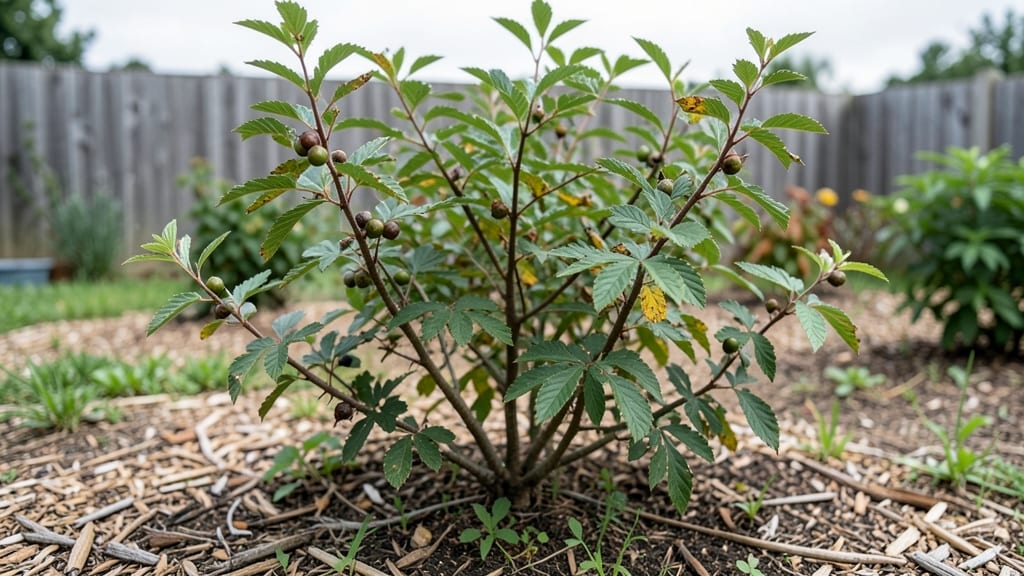
Growing a Sichuan pepper flower means bringing a plant that packs both visual drama and culinary magic to your garden. 🌿 Its star-shaped leaves and delicate white flowers create a striking focal point, while the tiny red berries (the famous "flowering peppers") deliver that signature tingling heat.
I’ve grown mine for three seasons now, and the key to success lies in mimicking its native habitat—bright light, well-draining soil, and patience for its slow-but-steady growth.
The plant thrives in USDA zones 7-10, but even in cooler climates, it can survive outdoors if protected from harsh winters. Start with a 5-gallon container for young plants, then transplant to the ground once roots fill the pot—this prevents transplant shock.
Sichuan pepper loves full sun (6+ hours daily) and tolerates poor soil, but amending with compost ensures those signature berries form reliably. Water deeply once a week, letting the top inch dry between sessions to avoid root rot.
Flowering happens in late spring to early summer, with clusters of tiny white blooms that attract pollinators. To encourage more flowers and berries, prune lightly after flowering to shape the plant and remove dead growth. The real payoff?
Those fiery red berries ripen by fall, ready to harvest for cooking—or leave them on the plant for birds to enjoy. With the right care, your Sichuan pepper will reward you with years of bold flavor and garden interest.
Here’s the twist: this plant doubles as a living spice cabinet. Use the dried berries in stir-fries, marinades, or even cocktails, and watch your garden become both a sensory experience and a kitchen staple. Let’s get yours thriving!
📚 In This Guide
- What you need
- Instructions
- Tips and common mistakes
- Wrapping up and next steps
What you need
- ● Sichuan pepper seeds or seedlings: 1–3 plants (start with a single plant if space is limited). Opt for organic, non-GMO seeds for best results.
- ● Well-draining potting mix: 5–10 gallons (depending on pot size). Use a blend of cactus/succulent mix + perlite or pumice (ratio: 60% mix, 40% amendments).
- ● Containers: Seedlings: 4–6 inch pots (1–2 per seedling).
- ● Mature plants: 15–20 gallon pots or in-ground space (they thrive in USDA Zones 8–11 outdoors).
- ● Drainage trays or saucers: 1–2 (to catch excess water and prevent root rot).
- ● Slow-release fertilizer: 1–2 cups (look for a balanced 10-10-10 or low-nitrogen option like 5-10-10).
- ● Watering can with a narrow spout: 1 (for precise hydration—avoid overhead watering!).
- ● Pruning shears: 1 pair (sterilized with rubbing alcohol).
- ○ Gloves (optional but recommended): 1 pair (the plant’s resin can irritate skin!).
- ● Sunlight access: 6+ hours of direct sunlight daily (south-facing window or grow lights).
- ○ Humidity tray (optional): 1 (if your climate is dry, place a tray of water near the plant).
- ○ Support stake or trellis (optional): 1 (for taller varieties, as they can grow up to 10 feet!).
- ● 🌡️ Temperature: Keep soil temps above 55°F (13°C)—Sichuan pepper is tender and won’t tolerate frost.
- ● ✨ Soil pH: Aim for 6.0–7.0 (test with a kit if unsure).
- ● 🎯 Patience: Germination can take 2–4 weeks—stay consistent with moisture!
Step-by-step guide to growing Sichuan pepper flower
This fragrant evergreen thrives with minimal fuss once you nail its light and soil needs.
🌱 Step 1: Choose the Right Location and Soil Mix
Sichuan pepper flowers love bright, indirect light—think east or west windows, or under grow lights for 6-8 hours daily. Too much direct sun scorches the delicate leaves, while too little makes them stretch pitifully. I always place mine near a sheer curtain to diffuse harsh afternoon rays.
Use a well-draining potting mix that stays slightly moist but never soggy. I blend 1 part perlite with 3 parts high-quality potting soil to prevent root rot. The roots need oxygen, so avoid heavy garden soil that compacts easily. A 6-inch pot works for one plant, but if you're growing multiple, space them 12 inches apart for airflow.
☀️ Step 2: Plant and Provide Consistent Light
Plant your Sichuan pepper flower in the prepared mix, burying the root ball 1 inch deeper than it was in its nursery pot. This helps stabilize the plant and encourages stronger root growth. Water thoroughly right after planting to settle the soil and remove air pockets.
Within a week, you'll notice new growth if the light is right. If the plant starts leaning toward the window, it's begging for more brightness. Rotate the pot a quarter turn weekly so it grows evenly. Yellowing leaves usually mean too much water or poor drainage—check your pot's drainage holes immediately.
💧 Step 3: Water and Fertilize for Year-Round Growth
Water when the top inch of soil feels dry—about once a week in summer and every 10-14 days in winter. Overwatering is the fastest way to kill this plant, so always use a pot with drainage holes. I like to water from the bottom by placing the pot in a tray of water for 10 minutes, letting the roots drink what they need.
Feed with a balanced liquid fertilizer (10-10-10) every 4-6 weeks during spring and summer. Skip fertilizing in fall and winter—this plant grows slowly then, and extra nutrients just cause weak, leggy growth. You'll know it's happy when it produces those signature red berries (the spicy Sichuan peppercorns) in late summer.
✂️ Step 4: Prune and Train for Bushier Growth
Pinch back the tips of new growth in early spring to encourage a fuller shape. I always trim just above a leaf node where two leaves meet—this is where new branches will sprout. Avoid cutting into old wood, as this plant doesn't regrow well from mature stems.
If your plant gets too tall or leggy, prune back 1/3 of the longest stems in late winter. This jumpstarts fresh growth and keeps the plant compact. Deadhead spent flowers to redirect energy into new foliage and berries. Wear gloves when handling the leaves—they release a mild numbing sensation that can irritate sensitive skin.
🪴 Step 5: Overwinter and Maintain Year-Round
Sichuan pepper flowers are evergreens, but they slow down in winter. Reduce watering to every 2-3 weeks and move the plant to a cooler spot (around 60-65°F) if your home gets too dry from indoor heating. Mist the leaves occasionally to boost humidity, but avoid soggy soil.
This is also the time to check for pests like spider mites, which love dry air. Wipe leaves with a damp cloth weekly to remove dust and deter infestations. With proper care, your plant will reward you with bright red berries that turn into the fiery spice you know and love—just don't eat them raw! They need processing to release their signature numbing kick.
Tips & tricks for perfect Sichuan pepper flower care
Mastering this bold spice plant takes just a few simple adjustments that make all the difference in growth and berry production.
Lighting Strategy: The 6-8 hours of bright, indirect light are non-negotiable—this plant won't tolerate harsh afternoon sun, which can scorch those delicate leaves. I've found that placing it near a sheer curtain during peak sun hours (11am-3pm) creates the perfect diffused light environment. For indoor growers without good windows, a simple LED grow light on a timer works wonders.
Soil Mix Secret: That 1:3 ratio of perlite to potting soil isn't just about drainage—it's about creating an airy environment for roots. I've seen plants with heavy garden soil develop root rot within weeks. Pro tip: Add a handful of orchid bark to your mix for extra aeration, especially if you're growing multiple plants in one container.
Watering Wisdom: The 10-minute bottom-watering technique I mentioned isn't just efficient—it's a game-changer for preventing overwatering. You'll know you're doing it right when water starts draining from the bottom of the pot after about 5 minutes. In winter, when you're reducing to every 2-3 weeks, stick your finger in the soil first—if it's still damp an inch down, wait another week.
Pruning Precision: When you're pruning back 1/3 of those leggy stems in late winter, make your cuts at a 45-degree angle just above a leaf node. This creates a larger surface for new growth while preventing water from pooling on the cut. And remember—those leaves pack a numbing punch! I always wear gloves when handling them, especially if I have sensitive skin.
Pro Tips for Sichuan Pepper Flower
- Mastering this bold spice plant takes just a few simple adjustments that make all the difference in growth and berry production.
- Lighting Strategy: The 6-8 hours of bright, indirect light are non-negotiable—this plant won't tolerate harsh afternoon sun, which can scorch those delicate leaves.
- Soil Mix Secret: That 1:3 ratio of perlite to potting soil isn't just about drainage—it's about creating an airy environment for roots.
Frequently asked questions
Got questions about growing and caring for Sichuan pepper flower? You’re not alone!
Here are some of the most common queries from gardeners eager to cultivate this fiery, aromatic plant.
Can Sichuan pepper flower thrive indoors?
The Sichuan pepper flower (Zanthoxylum schinifolium) prefers outdoor conditions but can adapt to bright indoor spaces with south-facing windows or grow lights. Ensure it gets at least 6 hours of sunlight daily and maintain humidity with a pebble tray. Avoid drafts—this plant is finicky about temperature shifts!
How long does it take for Sichuan pepper flowers to produce spicy fruit?
Patience is key! If grown from seed, expect 3–5 years before your plant bears the signature red berries (which turn spicy when dried). Container-grown plants may take slightly longer. Grafted plants can fruit in 1–2 years, but they’re harder to find. Prune regularly to encourage bushier growth and faster fruiting.
Why are my Sichuan pepper leaves turning yellow or dropping?
Yellowing leaves usually signal overwatering, underwatering, or poor drainage. Check the soil—it should stay slightly moist but never soggy. Brown edges? Low humidity or fluoride in tap water may be the culprit. Move the plant to a shadier spot if leaves scorch, as direct sun can stress it. Adjust care and monitor for improvement!
Are there non-spicy alternatives to Sichuan pepper?
If you love the look but not the kick, consider these milder ornamentals:
- Chinese pistache (Pistacia chinensis) – Similar foliage, no spice.
- Golden rain tree (Koelreuteria paniculata) – Bright flowers, non-toxic.
- Dwarf yaupon holly (Ilex vomitoria ‘Nana’) – Compact, evergreen, and safe.
How do I protect Sichuan pepper flowers in winter?
Sichuan pepper is hardy to USDA Zone 7, but colder climates need extra care. Mulch the base with straw or leaves to insulate roots. Wrap young plants in burlap or use a cloche to shield from frost. If potted, move it to a garage or shed (not freezing!). Resume outdoor care in spring after the last frost.
Wrapping up and next steps
Growing Sichuan pepper flowers is a rewarding journey that brings bold flavor and stunning visuals to your garden year-round! With the right light, soil, and care, you’ll enjoy their unique tingling blooms and fragrant leaves—perfect for culinary adventures or ornamental displays.
Whether you’re a seasoned gardener or a beginner, these tips make it easy to nurture this resilient plant.
Ready to level up your green thumb? Start by planting your first Sichuan pepper or experimenting with flavorful recipes using its flowers. Your garden—and taste buds—will thank you! 🌱✨