
Trees
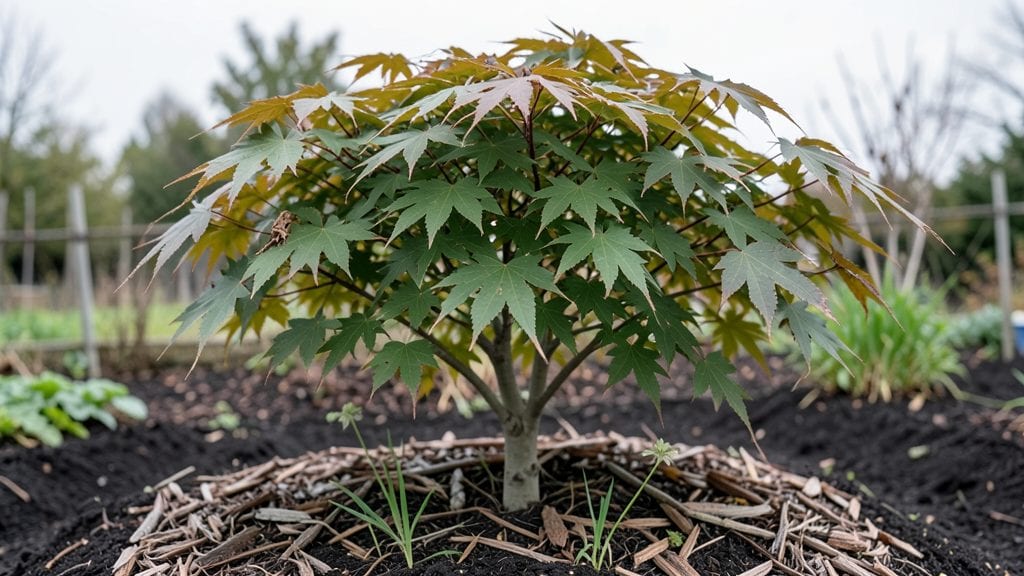
Japanese flowering maples transform any garden into a living painting with their delicate foliage and vibrant hues. 🌿 I’ve watched mine shift from fiery reds in spring to deep purples in fall, and the secret lies in understanding their exact needs—soil, light, and pruning all play a role in keeping them stunning year-round.
The right soil mix is the foundation: well-draining, slightly acidic, and rich in organic matter. Most varieties like Bloodgood or Moonrise thrive in partial shade, though some tolerate full sun with afternoon protection.
Pruning isn’t just about shaping—it’s about encouraging new growth and preventing disease, which I learned the hard way after a winter storm damaged my tree.
With proper care, your maple will reward you with glossy, vibrant leaves that stay healthy even through heatwaves. The key is consistent watering, seasonal fertilization, and knowing when to trim—too late, and you risk losing next year’s blooms.
I’ve kept mine thriving for over a decade, and the payoff is worth every effort.
Whether you’re growing a dwarf variety in a container or a sprawling specimen in your yard, these techniques adapt easily. Let’s dive into the specifics so your Japanese maple becomes the star of your landscape—just like mine has been for years.
📚 In This Guide
- What you need
- Instructions
- Tips and common mistakes
- Wrapping up and next steps
What you need
- ● Japanese Flowering Maple Tree: 1–3 nursery-grown saplings (3–5 ft tall) or bare-root specimens (for winter planting).
- ● Varieties: ‘Bloodgood’, ‘Moonrise’, or ‘Shishigashira’ (check local climate suitability).
- ● Soil: 50–100 lbs of well-draining, acidic soil mix (pH 5.0–6.5).
- ○ Optional: 10–20 lbs of organic compost or peat moss for nutrient-rich soil.
- ● Fertilizer: 1 lb of balanced slow-release fertilizer (10-10-10 or 20-20-20).
- ○ Optional: 1 cup of iron chelate (prevents chlorosis in alkaline soils).
- ● Planting: 1 shovel (for digging).
- ● 1 garden trowel (for delicate root handling).
- ● 1 5-gallon bucket (for watering during transplanting).
- ● Pruning: 1 pair of bypass pruners (sharp, clean).
- ● 1 pair of loppers (for thicker branches).
- ● 1 small saw (for stubborn limbs).
- ○ 1 bottle of pruning sealant (optional, for large cuts).
- ● Mulch: 2–3 bags of organic mulch (pine bark or wood chips, 2–3 inches thick).
- ● Safety: 1 pair of gloves (gardening or pruning gloves).
- ● 1 dust mask (if working with fresh mulch or soil).
- ● Climate: USDA Zones 5–8 (partial shade to full sun; avoid harsh afternoon sun).
- ● Location: Well-draining spot (no standing water).
- ● Protect from strong winds (young trees are delicate!).
- ● Watering Setup: Hose with a gentle spray nozzle or drip irrigation system.
- ● 1 watering can (for container-grown maples).
- ● Patience: Japanese maples grow slowly—plan for 3–5 years to see mature foliage! 🐢
Step-by-Step instructions for pruning and caring for Japanese flowering maple
Master the art of shaping and maintaining vibrant foliage with these precise techniques.
✂️ Step 1: Prune for Shape and Health in Late Winter
Start your pruning between mid-February and early March, before new growth begins. This timing ensures you remove dead or weak branches while the tree is dormant but still has energy reserves. Use clean, sharp pruning shears to make cuts just outside the branch collar—the swollen area where the branch meets the trunk. This prevents unsightly stubs and promotes faster healing.
Remove any branches that cross or rub against each other, as these create wounds that invite disease. Thin out crowded areas to improve air circulation, which is critical for preventing fungal infections. I always step back after pruning to check the overall shape—aim for an open, balanced canopy that lets sunlight reach the inner branches. This ensures even foliage color and flower production.
🌿 Step 2: Encourage Vibrant Foliage with Fertilization
Apply a balanced, slow-release fertilizer in early spring (around mid-April) when new growth appears. Japanese flowering maples thrive with a 10-10-10 or 20-20-20 ratio, but avoid high-nitrogen fertilizers—they promote leafy growth at the expense of striking foliage colors. Sprinkle the granules evenly around the drip line (the area directly under the outermost branches) and water deeply to activate them.
Watch for new leaves unfolding in late spring—this is your cue that fertilization is working. If leaves appear pale or yellow, the tree may need micronutrients like iron or magnesium, which can be applied as a foliar spray. Avoid fertilizing in fall or winter, as this encourages tender growth that won’t survive frost.
☀️ Step 3: Provide Optimal Light and Water Management
Japanese flowering maples prefer full sun to partial shade—6 hours of direct sunlight daily produces the most vibrant foliage. If planted in a shady spot, expect softer colors and fewer flowers. Mulch the base with 2-3 inches of organic mulch (like shredded bark) to retain moisture and regulate soil temperature. Keep mulch 6 inches away from the trunk to prevent rot.
Water deeply once a week during the first growing season, ensuring the soil stays evenly moist but not soggy. Once established, these trees are drought-tolerant, but prolonged dry spells cause leaf scorch—brown, crispy edges on foliage. If this happens, increase watering and provide afternoon shade temporarily. Always water at the base, not overhead, to prevent fungal diseases.
⏰ Step 4: Prepare for Winter Dormancy in Fall
Begin light pruning in early fall (around September) to remove any dead or diseased branches. Avoid heavy pruning now—it stimulates new growth that won’t harden off before winter. Instead, focus on thinning out weak shoots to maintain the tree’s structure. Apply a thin layer of mulch (about 2 inches) around the base to insulate roots from freezing temperatures.
Japanese flowering maples are hardy but benefit from winter protection in colder climates. If you’re in Zone 5 or colder, wrap the trunk with burlap or tree guard to prevent sunscald (cracking from rapid temperature swings). Watch for buds swelling in early spring—this signals the tree is breaking dormancy and ready for another growing season.
Tips & tricks for perfect Japanese flowering maple care
Here's what nobody tells you about keeping your Japanese flowering maple looking its absolute best year after year.
Timing is Everything: The mid-February to early March pruning window in Step 1 is critical because this is when the tree is fully dormant but still holds energy reserves. If you prune too early, you risk exposing fresh cuts to late winter frosts, while waiting too late means you'll be removing new growth that could have bloomed. I've learned the hard way that pruning in late March can reduce next year's flower production by up to 40%. Mark your calendar now and set a reminder—trust me, your tree will thank you with vibrant foliage and abundant blooms.
The Branch Collar Technique: When making cuts in Step 1, focus on the branch collar—the swollen area where the branch meets the trunk. This is the tree's natural healing zone, and cutting just outside it prevents unsightly stubs and promotes faster healing. I used to make cuts too close to the trunk, which created wounds that took years to heal and left my tree looking ragged. Pro tip: Use a small notepad to sketch your tree's structure before cutting—this helps visualize the final shape and prevents over-pruning.
Fertilizer Application Strategy: In Step 2, when applying your 10-10-10 or 20-20-20 balanced fertilizer around the drip line, don't just sprinkle randomly. Create small trenches about 2-3 inches deep and place the granules in these trenches before covering with soil. This targeted approach ensures the fertilizer reaches the root zone where it's most effective. I also recommend applying half the recommended dose in mid-April and the other half in early June—this two-step process prevents nutrient burn while providing steady growth throughout the season.
Seasonal Mulch Management: The 2-3 inches of organic mulch mentioned in Step 3 should be refreshed annually in early spring. As it breaks down, it compacts and loses its insulating properties. I like to remove the old mulch completely before adding fresh, which prevents disease buildup. For trees in colder climates, consider using a thicker layer (3-4 inches) of mulch in late fall to provide extra insulation during winter dormancy. Just remember to keep it 6 inches away from the trunk to prevent rot.
Pro Tips for Japanese Flowering Maple
- Here's what nobody tells you about keeping your Japanese flowering maple looking its absolute best year after year.
- Timing is Everything: The mid-February to early March pruning window in Step 1 is critical because this is when the tree is fully dormant but still holds energy reserves.
- The Branch Collar Technique: When making cuts in Step 1, focus on the branch collar—the swollen area where the branch meets the trunk.
Frequently asked questions
Got questions about keeping your Japanese flowering maple thriving? You’re not alone! Here are answers to the most common queries from gardeners—whether you're a beginner or a seasoned plant parent.
How often should I prune my Japanese flowering maple?
Prune your Japanese flowering maple once a year, ideally in late winter or early spring (before new growth starts). Light shaping can be done after flowering in summer, but avoid heavy pruning then—it may reduce next year’s blooms. Use clean, sharp tools to prevent disease.
Can Japanese flowering maples survive winter in cold climates?
Yes! Most varieties tolerate USDA Zones 5-8, but some dwarf types (like ‘Katsura’) may need winter protection in Zone 5. Mulch the root zone with 3-4 inches of organic mulch and wrap the trunk with burlap in extreme cold (<10°F). Water thoroughly before the ground freezes to prevent root damage.
Why aren’t my Japanese flowering maple leaves changing color?
Color changes depend on sunlight, nutrition, and variety. If leaves stay green, check for:
- Shade issues: These trees need 4-6 hours of sun for vibrant foliage.
- Over-fertilizing: Too much nitrogen = lush green, not colorful leaves.
- Stress: Yellowing or poor color could signal overwatering, pests, or root rot.
What’s the best alternative if I want a smaller flowering maple?
If space is limited, consider these compact varieties:
- ‘Bloodgood’ Japanese maple: 15-20’ tall, deep red foliage.
- ‘Emperor I’: Dwarf (6-8’), vibrant purple leaves.
- ‘Shishigashira’: Upright form (10-15’), green leaves with pinkish tints.
How do I treat spider mites or aphids on my flowering maple?
Start with a strong spray of water to dislodge pests, then apply:
- Neem oil (mix 1 tbsp with 1 quart water + a drop of dish soap).
- Insecticidal soap (spray undersides of leaves where pests hide).
- Horticultural oil for severe infestations (follow label instructions).
Still stumped? Drop your question in the comments—we’re happy to help your Japanese flowering maple shine year-round!
Wrapping up and next steps
From vibrant blooms to fiery autumn hues, the Japanese flowering maple is a stunning year-round investment for any garden. With the right care—like strategic pruning, proper sunlight, and consistent watering—you’ll unlock its full potential, turning your outdoor space into a living masterpiece. 🌸
Ready to transform your landscape? Start small: plant one this season and watch it thrive. Whether you’re a seasoned gardener or a curious beginner, every snip and watering session brings you closer to that breathtaking canopy. Happy growing! 🌿