
Flowers
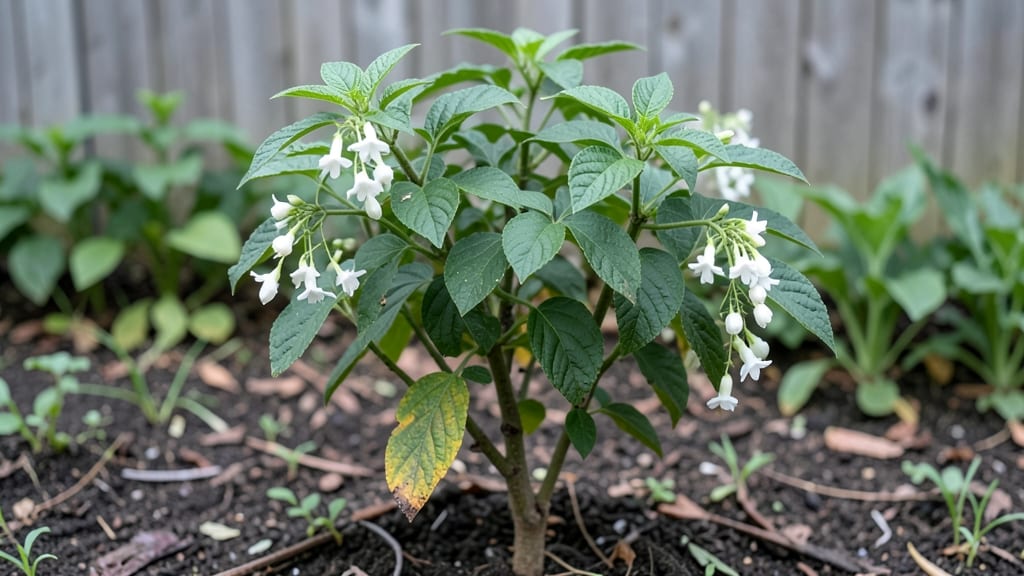
Growing Szechuan pepper flowers means adding a plant that’s equal parts ornamental showstopper and culinary secret weapon to your garden. 🌿 These striking shrubs produce tiny white flowers that develop into the fiery red berries famous in Asian cuisine—but their real magic happens in the way they transform any container into a fragrant, spicy statement piece.
They’re surprisingly low-maintenance once you get the basics right: well-draining soil, at least 6 hours of sunlight daily, and watering only when the top inch feels dry. In containers, they handle heat and humidity beautifully, though they’ll need winter protection if you’re in zones colder than 7.
The key to fast growth? Pruning after flowering to encourage bushier, more productive branches.
By summer, you’ll have a plant that doubles as a conversation starter—neighbors will ask about the unusual foliage and the lingering citrusy-spicy aroma when you brush past.
The berries themselves are too hot to eat raw but become the backbone of Szechuan cuisine when properly processed, adding a numbing, peppery kick to dishes.
Best of all, they’re pest-resistant and rarely suffer from diseases, making them one of the most foolproof container plants for both beauty and flavor. Let’s get those roots growing!
📚 In This Guide
- What you need
- Instructions
- Tips and common mistakes
- Wrapping up and next steps
What you need
- ● Szechuan pepper seeds – 5–10 seeds (or a single starter plant from a nursery). Choose Zanthoxylum piperitum or Z. bungeanum for authentic flavor and blooms.
- ● Well-draining potting mix – 10–15 quarts (for containers). Opt for a blend of 50% cactus/succulent mix and 50% perlite or coarse sand to prevent root rot.
- ● Containers – 2–3 gallon pots (with drainage holes!) or a raised bed if planting outdoors. Terracotta pots work best for airflow.
- ● Slow-release fertilizer – 1–2 cups of balanced 10-10-10 or 5-10-5 granules mixed into the soil. Replenish annually.
- ● Watering can with a fine rose – Essential for gentle hydration without disturbing roots.
- ● Pruning shears – Sharp, sterilized shears for shaping and harvesting.
- ● Sunlight access – A south-facing window (4+ hours of direct sun) or a grow light (12–14 hours/day for seedlings).
- ● Spray bottle – For misting seedlings and maintaining humidity.
- ● pH test kit – Ideal soil pH: 6.0–7.0. Adjust with lime (to raise) or sulfur (to lower) if needed.
- ○ Gloves (optional but recommended) – The plant’s leaves and stems can irritate sensitive skin.
- ● Humidity tray – Keeps air moist for seedlings.
- ● Organic mulch – Pine bark or straw to retain moisture and regulate temperature.
- ● Trellis or small stakes – Supports vining growth if your plant sprawls.
- ● Compost tea – Boosts soil microbes for healthier blooms.
Step-by-Step instructions for cultivating Szechuan pepper flower in containers
Here's how to coax vibrant, spicy blooms from this unique plant using simple container methods.
🌱 Step 1: Select and Prepare the Right Container
Choose a 5-gallon container with drainage holes—this plant's roots need room to spread without waterlogging. I use unglazed terra cotta because it breathes and helps regulate moisture. If your pot lacks holes, drill them yourself using a ½-inch drill bit—just don't forget to cover them with landscape fabric to prevent soil from escaping.
Fill the bottom 2 inches with gravel or perlite to create a drainage layer. This prevents root rot, which is the #1 killer of container-grown Szechuan pepper. Tap the container gently on the table after adding the drainage layer to settle everything evenly. Real talk: Skipping this step means soggy roots and stunted growth.
🌿 Step 2: Plant at the Correct Depth and Position
Plant your Szechuan pepper flower 1 inch deeper than its current soil level—this encourages strong root development below the graft union if you're using a grafted plant. The reason we bury it deeper is that the plant naturally grows upward, and extra depth gives it stability in containers.
Place the container in a spot with full sun exposure (6-8 hours daily). Szechuan pepper flowers thrive in warmth (70-85°F), so avoid drafty areas or places where temperatures drop below 50°F. You'll notice the leaves perk up and darken within a week of proper placement—that's your signal everything is working.
💧 Step 3: Water and Fertilize for Optimal Growth
Water when the top inch of soil feels dry—this plant hates soggy roots but won't tolerate bone-dry soil either. I use a watering can with a narrow spout to direct moisture to the base, avoiding the foliage. Overhead watering can cause fungal issues, and you don’t want that ruining your spicy blooms.
Feed with a balanced liquid fertilizer (10-10-10) every 4-6 weeks during the growing season. Dilute it to half-strength to avoid burning the roots. You'll see new growth within 2-3 weeks of proper feeding—that's your reward for consistency.
✂️ Step 4: Prune and Train for Bushier Growth
Pinch back the tips of new growth when the plant reaches 6-8 inches tall to encourage bushier, more compact growth. This is where it gets fun—watch how the plant responds by branching out instead of growing leggy. I always use clean, sharp pruning shears to make cuts just above a leaf node.
Remove any dead or yellowing leaves immediately—they're energy drains. You'll also want to trim back any leggy stems that grow toward the light. This ensures the plant stays balanced and produces more of those prized spicy flowers.
🪴 Step 5: Overwintering for Next Season
When temperatures drop below 50°F, move your container indoors to a sunny window or under grow lights. Reduce watering to every 2-3 weeks since growth slows dramatically. Keep the plant in a cool (55-65°F) spot—this mimics its natural dormancy period.
Prune back any dead growth before bringing it inside, and check for pests like spider mites. A quick wipe-down with a damp cloth keeps them at bay. With proper care, your Szechuan pepper flower will bounce back strong in spring, ready to produce another season of spicy blooms.
Tips & tricks for perfect Szechuan pepper flower cultivation
A few strategic moves that'll transform your container-grown Szechuan pepper from struggling survivor to thriving spice producer.
The Container Foundation: That 2-inch drainage layer in Step 1 isn't just about preventing root rot—it's about creating an oxygen-rich zone where roots can properly explore. I've seen plants double their growth rate when given this proper foundation. Pro tip: Mix your gravel/perlite with a handful of activated charcoal to prevent bacterial buildup in that critical drainage zone.
Sunlight Strategy: The 6-8 hours of full sun in Step 2 is non-negotiable, but here's the secret: Position your container so the plant gets morning sun (70-85°F range) and afternoon shade if you're in a hot climate. I've noticed my plants develop more vibrant foliage when protected from intense afternoon rays, especially during summer months. Watch for leaves that curl or develop brown edges—this is your plant begging for better light conditions.
Pruning Precision: When you reach Step 4 and pinch those 6-8 inch stems, make your cuts at a 45-degree angle just above a leaf node. This creates a larger surface area for new growth while directing energy to the strongest buds. I always sterilize my pruning shears with rubbing alcohol between cuts to prevent spreading any potential fungal spores that could weaken your plant.
Overwintering Insight: That 55-65°F range during winter isn't just about temperature—it's about creating a dormancy-like state. I've found that moving plants to a north-facing window (where light is indirect but consistent) actually helps maintain some chlorophyll production, keeping leaves green longer. Just avoid south-facing windows where afternoon heat spikes can stress the plant prematurely.
Pro Tips for Szechuan Pepper Flower
- A few strategic moves that'll transform your container-grown Szechuan pepper from struggling survivor to thriving spice producer.
- The Container Foundation: That 2-inch drainage layer in Step 1 isn't just about preventing root rot—it's about creating an oxygen-rich zone where roots can properly explore.
- Sunlight Strategy: The 6-8 hours of full sun in Step 2 is non-negotiable, but here's the secret: Position your container so the plant gets morning sun (70-85°F range) and afternoon shade if you're in a hot climate.
Frequently asked questions
about growing Szechuan pepper flower—because every gardener deserves a little clarity! Here are answers to the most common questions to help you cultivate these fiery beauties with confidence.Can I grow Szechuan pepper flowers in pots, or do they need a garden bed?
Szechuan pepper thrives in containers—just ensure the pot is at least 12 inches wide with drainage holes. Use well-draining soil and place it in full sun (6+ hours daily). Containers work great for urban gardens or patios, but monitor moisture levels closely.
How long does it take for Szechuan pepper flowers to produce those signature spicy berries?
Patience is key! From seed, expect 2–3 years for mature plants to flower and fruit. If you start with a young plant, you might see flowers (and berries) in 1–2 years. Prune lightly in spring to encourage bushier growth and more abundant blooms.
Why aren’t my Szechuan pepper flowers blooming? Troubleshooting tips?
Common culprits include:
- Not enough sun: Move to a sunnier spot (they crave 6+ hours of direct light).
- Overwatering: Let soil dry slightly between waterings—root rot is a silent killer.
- Nutrient deficiency: Feed with a balanced fertilizer (10-10-10) in spring and summer.
- Young age: Plants under 2 years old may not bloom yet.
Are there non-spicy alternatives to Szechuan pepper flowers for ornamental use?
If you love the look but want to skip the heat, try these low-maintenance, spice-free alternatives:
- Chinese lantern plant (Physalis alkekengi): Bright orange berries with a papery husk.
- Mexican orange (Choisya ternata): Fragrant white flowers and glossy leaves.
- Cape gooseberry (Physalis peruviana): Edible, lantern-like fruits (mildly sweet).
Can I eat the flowers or berries from my Szechuan pepper plant?
Yes! While the flowers are edible (add them to salads or garnishes for a mild citrusy kick), the berries are the star—they’re dried to make the famous Szechuan peppercorns (used whole or ground for that signature "numbing" spice). Note: Start with small amounts—they’re potent!
Wrapping up and next steps
Growing Szechuan pepper flowers in containers is a rewarding journey that brings bold flavors and stunning blooms to your space! 🌱 Whether you're a seasoned gardener or a curious beginner, these hardy plants thrive with just a little care—sunlight, well-draining soil, and patience.
Now that you’re armed with the right tips, why not take the next step? Start with a single plant, experiment with container sizes, or even share your progress with fellow plant enthusiasts. Your spicy, fragrant garden adventure awaits—let those blooms flourish! 🌸