
Flowers
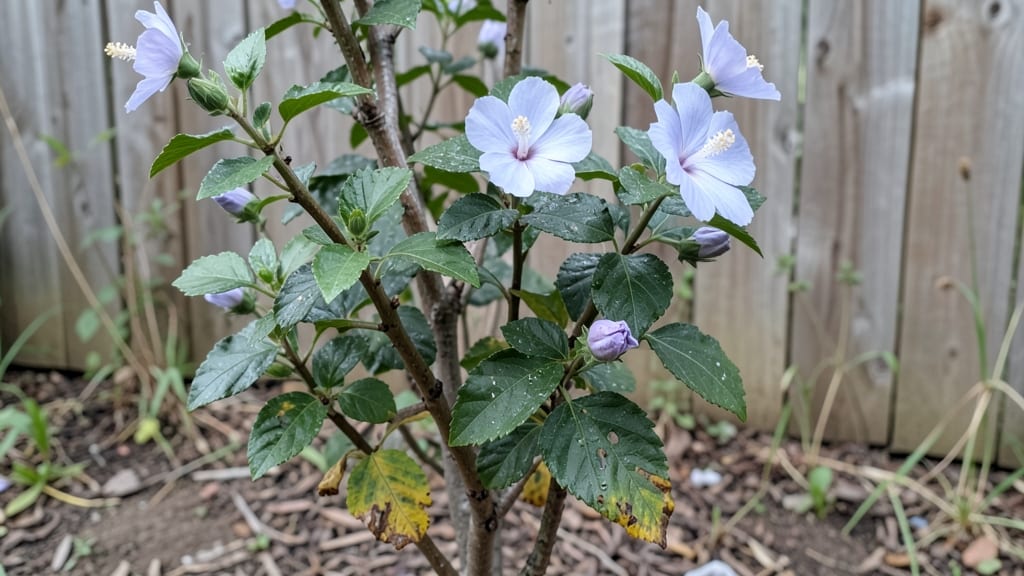
Shrub althea flowers bring that old-fashioned charm back to modern gardens with their velvety blooms and honey-scented perfume. 🌿 I remember the first time I saw one in bloom—it looked like a living piece of history, yet it’s shockingly easy to grow once you know the basics.
This hardy shrub thrives where many perennials struggle, making it perfect for gardeners who want low-maintenance beauty without sacrificing impact.
The secret to growing shrub althea lies in its adaptability. Plant it in full sun where it gets at least 6 hours of light daily, and it’ll reward you with 3-5 foot tall shrubs bursting with pink, purple, or white blooms from midsummer through fall.
Well-draining soil is key—amend heavy clay with compost to prevent root rot, and avoid soggy spots. Once established, it handles drought surprisingly well, making it ideal for busy gardeners or dry climates.
With proper care, your shrub althea will become the fragrant centerpiece of your garden. The blooms attract butterflies and hummingbirds, while the glossy foliage stays lush even in heat waves. Pruning in late winter keeps it compact and encourages fresh growth.
The best part? It’s disease-resistant and rarely bothered by pests, so you won’t spend summers battling garden woes. Let’s get yours planted for next season’s showstopper display.
Works beautifully as a standalone specimen, hedge, or mixed border. Whether you’re a beginner or a seasoned gardener, this shrub delivers old-world elegance with modern resilience. The only mistake you can make is waiting too long to plant one!
📚 In This Guide
- What you need
- Instructions
- Tips and common mistakes
- Wrapping up and next steps
What you need
- ● Shrub Althea Plants: 1–3 nursery-grown Hibiscus syriacus shrubs (3–5 ft tall, hardy in Zones 5–9)
- ● OR seeds (slower to establish; needs stratification for best results)
- ● Planting Site: Full sun (6+ hours daily) or partial shade (morning sun, afternoon shade in hot climates)
- ● Well-draining soil (amend heavy clay with compost or sand)
- ● Space: 6–10 ft apart (allow for mature spread)
- ● Tools: Garden trowel or shovel
- ● Pruning shears (sterilized with rubbing alcohol)
- ○ Gloves (optional but recommended)
- ● Soil Amendments: 5–10 lbs of compost or aged manure per plant
- ● Balanced fertilizer (10-10-10 or rose-specific, applied in spring)
- ● Mulch (2–3 inches of shredded bark or pine straw to retain moisture)
- ● Stakes or cages (for young plants in windy areas)
- ● Slow-release osmocote fertilizer (for low-maintenance growth)
- ● Organic pest control (neem oil or insecticidal soap if aphids appear)
- ● Watering can or hose with soaker hose attachment
Step-by-step instructions for planting and caring for shrub althea flowers
Here's the straightforward approach I use to grow these fragrant, hardy perennials that reward you with blooms all season long.
🪴 Step 1: Choose the Perfect Planting Location
Shrub althea thrives in full sun to partial shade, so pick a spot that gets at least 6 hours of sunlight daily. I always check the afternoon sun pattern first—these plants handle heat well but can scorch if exposed to intense midday rays without some afternoon shade. Look for an area with well-draining soil, as they hate soggy roots.
If your yard has heavy clay soil, amend it with 2-3 inches of compost mixed into the top 12 inches of soil. You'll know it's ready when the soil crumbles easily between your fingers. Avoid low spots where water pools after rain—althea roots need oxygen to grow strong.
🌱 Step 2: Plant Bare-Root or Container-Grown Althea
For bare-root plants, soak the roots in lukewarm water for 1-2 hours before planting to revive them. Dig a hole twice as wide as the root ball and 1-2 inches deeper than the plant's current depth. This gives roots room to spread without bending.
Place the plant in the hole, then backfill with native soil mixed with 1 part compost. Water deeply to settle the soil and eliminate air pockets. I always press down gently around the base with my hands to ensure good contact—this prevents future wind rock. Space plants 3-5 feet apart to allow for mature growth.
💧 Step 3: Water and Mulch for First-Year Establishment
Water newly planted althea deeply once a week during the first growing season, providing 1-1.5 gallons per plant. You'll know it's enough when water drains through to 6 inches deep. Overwatering causes root rot, so always check soil moisture by sticking your finger 2 inches down—water only when dry.
Apply 2-3 inches of mulch around the base, keeping it 4 inches away from the trunk. I use shredded bark or pine needles because they break down slowly while suppressing weeds. This mulch layer also helps maintain even soil moisture and temperature—critical for young plants adjusting to their new home.
☀️ Step 4: Prune and Fertilize for Long-Term Health
Prune althea in early spring before new growth begins. Remove any dead, damaged, or crossing branches first, then cut back last year's growth by one-third to encourage bushier growth. I always sterilize my pruners with rubbing alcohol between cuts to prevent disease spread.
Fertilize lightly in early spring with a balanced 10-10-10 fertilizer applied at half strength. You'll see new growth within 3-4 weeks if the plant is healthy. Avoid high-nitrogen fertilizers—they promote leafy growth at the expense of flowers. Established plants rarely need additional feeding beyond what your soil provides.
✂️ Step 5: Deadhead and Enjoy Year-Round Blooms
Deadhead spent blooms regularly throughout the growing season to encourage continuous flowering. Simply pinch off the faded flowers with your fingers or snip them with clean pruners. I do this every 2-3 weeks during peak bloom periods, and it keeps the plant looking tidy while stimulating new flower production.
Althea flowers are prized for their fragrance, so I always plant them near seating areas or walkways where you can enjoy their sweet scent. With proper care, these shrubs will reward you with pink, purple, or white blooms from late spring through fall, and sometimes even into winter in mild climates.
Tips & tricks for perfect shrub althea flower planting
Here's what I've learned from years of growing these fragrant beauties—simple tricks that make all the difference between a struggling plant and one that thrives.
Soil Prep Secret: Before planting, I always do a quick soil test by squeezing a handful of your native soil. If it forms a tight ball that doesn't crumble when you tap it, you definitely need that 2-3 inches of compost mixed into the top 12 inches. For clay-heavy soils, I add a handful of perlite to the planting hole—it helps with drainage without changing the soil structure too much. The goal is soil that feels like a damp sponge, not concrete.
Root Revival Hack: When soaking bare-root plants for those crucial 1-2 hours, I use lukewarm water—not cold tap water. Cold water can shock the roots, while warm water mimics spring temperatures and gets them ready to grow. Pro tip: Add a pinch of seaweed fertilizer to the water—it gives the roots a little boost right from the start.
Watering Wisdom: That once-a-week watering schedule works best when you really soak the soil to 6 inches deep. I use a long screwdriver to check—push it into the soil after watering. If it comes out clean, you've watered enough. For container-grown althea, I water until it drains from the bottom, then wait until the top inch is dry before watering again. Overwatering is the #1 reason these plants fail.
Pruning Pro Tip: When you're cutting back last year's growth by one-third in early spring, focus on opening up the center of the plant. This improves airflow, which prevents fungal diseases. I always make my cuts just above a leaf node or bud—this is where new growth will emerge. And that rubbing alcohol sterilization? It's worth the 30 seconds it takes to prevent spreading any potential diseases between cuts.
Pro Tips for Shrub Althea Flower
- Here's what I've learned from years of growing these fragrant beauties—simple tricks that make all the difference between a struggling plant and one that thrives.
- Soil Prep Secret: Before planting, I always do a quick soil test by squeezing a handful of your native soil.
- Root Revival Hack: When soaking bare-root plants for those crucial 1-2 hours, I use lukewarm water—not cold tap water.
Frequently asked questions
Got questions about growing shrub althea (Hibiscus syriacus)? You’re not alone! Here are answers to the most common concerns—from planting tips to troubleshooting—so you can keep your fragrant blooms thriving year after year.
When is the best time to plant shrub althea flowers?
Plant shrub althea in early spring or fall when soil temperatures are mild (50–70°F). This gives roots time to establish before extreme heat or cold. Avoid planting in summer—heat stress can stunt growth. If planting in fall, do it at least 6 weeks before frost for best results.
How often should I water my althea shrubs?
Water deeply once a week during the first growing season to encourage root development. Once established (after 1–2 years), althea is drought-tolerant and needs water only during prolonged dry spells. Overwatering can lead to root rot, so ensure well-draining soil.
Do I need to prune shrub althea, and how?
Yes! Prune in late winter or early spring to shape the shrub and encourage bushier growth. Remove dead, crossing, or weak branches first, then trim back any overgrowth by 1/3 of the plant’s height. Avoid heavy pruning in fall—it can stimulate new growth that won’t harden off before winter.
What pests or diseases should I watch for?
Althea is generally low-maintenance, but keep an eye out for aphids, spider mites, or whiteflies (common on new growth). Treat with neem oil or insecticidal soap if infestations occur. Powdery mildew can appear in humid conditions—improve airflow and avoid overhead watering to prevent it.
Can shrub althea grow in containers, or is it only for gardens?
Shrub althea thrives in large containers (at least 18–24 inches wide) with well-draining potting mix. Choose a pot with drainage holes and place it in full sun. Container-grown althea may need more frequent watering and winter protection (move to a sheltered spot or insulate with burlap).
Wrapping up and next steps
The shrub althea flower is a fragrant, low-maintenance perennial that brings timeless beauty to any garden with its delicate blooms and easy care. Whether you're a seasoned gardener or just starting out, its resilience and year-round appeal make it a perfect addition to your outdoor space.
Ready to transform your garden? Start with a sunny spot, well-draining soil, and a little patience—your blooming oasis is just a few steps away! 🌸