
Flowers
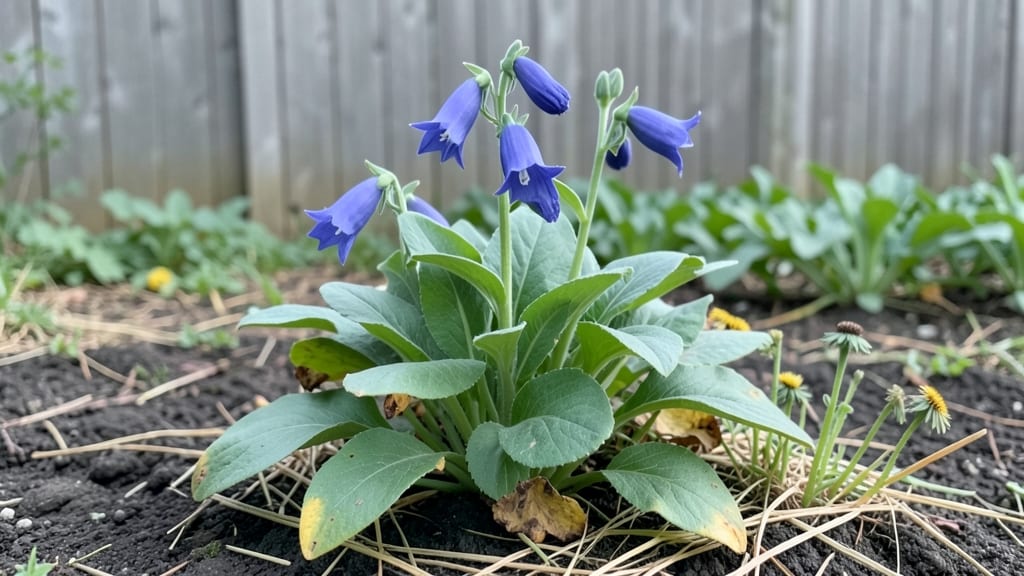
Growing June bell flowers transforms your yard into a buzzing, blooming paradise that never takes a summer break. 🌟 I learned the hard way that these drought-resistant beauties thrive when planted in well-draining soil and full sun, but once established, they reward you with vibrant orange trumpet-shaped flowers that attract hummingbirds and bees from spring through fall—and sometimes even winter in warmer climates.
The secret to their year-round color lies in their care: water deeply but infrequently, prune back leggy growth in late winter, and feed them lightly in early spring.
My first June bell struggled until I stopped overwatering and let it dry out between drinks—now it’s the showstopper of my front yard with minimal effort.
The key is patience; these plants take about two years to reach full bloom potential but make up for it with decades of reliable color.
You’ll end up with a plant that’s not just pretty but practically indestructible—drought-tolerant, pest-resistant, and capable of handling heat waves that would kill other flowers. The flowers themselves are stunning in cut arrangements or left on the plant to feed pollinators, while the glossy green foliage adds texture year-round.
Once you see how little they need to stay vibrant, you’ll wonder why you didn’t plant one sooner.
Perfect for borders, containers, or as a focal point in dry gardens, June bells adapt to almost any sunny spot. Here’s how to get yours growing strong from day one—no green thumb required, just a little sunshine and space to stretch.
📚 In This Guide
- What you need
- Instructions
- Tips and common mistakes
- Wrapping up and next steps
What you need
- ● June Bell flower seeds or bulbs: Choose Campanula medium (common June Bell) or Campanula persicifolia (peach-leaved bellflower) for best results.
- ● Quantity: 10–20 seeds/bulbs per plant (or 1–2 plants per 1 sq. ft. for clusters).
- ● Well-draining potting mix: 1–2 bags (1–2 cubic feet each) of organic garden soil mixed with perlite or sand (1:4 ratio).
- ● Containers or garden bed: Containers: 6–8" pots with drainage holes (1–2 per plant).
- ● Garden beds: Full sun to partial shade (4+ hours of sunlight daily).
- ● Slow-release fertilizer: Balanced 10-10-10 or compost (1 cup per plant at planting).
- ● Basic gardening tools: Trowel or hand shovel
- ○ Gloves (optional but recommended)
- ● Watering can or hose with gentle spray nozzle
- ○ Optional (but helpful!): Mulch (straw or shredded bark) to retain moisture.
- ● Stakes or supports for taller varieties (e.g., Campanula persicifolia).
- ● Pruning shears for deadheading spent blooms.
- ● 🌡️ Climate note: June Bells thrive in USDA Zones 3–8. If you’re in a hotter zone, opt for partial shade.
- ● ✨ Pollinator boost: Plant near lavender, salvia, or catmint to attract bees and butterflies!
Step-by-Step guide to planting June bell flowers
Here's how I transform my garden into a buzzing, colorful haven—June bells thrive with minimal fuss.
🌱 Step 1: Choose the Perfect Planting Spot
June bell flowers adore partial shade to full sun—think dappled light under trees or morning sun with afternoon shade. I always check the spot for at least 4-6 hours of sunlight daily, but they tolerate less if the soil stays consistently moist. These beauties love well-draining soil too, so avoid low-lying areas where water pools.
Dig a hole twice as wide as the root ball to encourage root spread. Loosen the sides of the hole with your hands or a trowel—this prevents compacting roots as they settle. If your soil is heavy clay, mix in a handful of compost to improve drainage. I like to add a thin layer of mulch around the base after planting to retain moisture and keep roots cool.
☀️ Step 2: Plant at the Right Depth and Spacing
Place the June bell flower so the top of the root ball sits level with the surrounding soil—burying too deep suffocates the plant, while planting too high leaves roots exposed. For 4 plants, space them 18-24 inches apart in rows 2-3 feet apart to allow airflow and prevent disease. Crowding leads to weak stems and fewer blooms.
Fill the hole halfway with soil, then gently remove the plant from its container and place it in the hole. Backfill with soil, pressing lightly around the edges to eliminate air pockets. Water deeply right after planting to help soil settle and encourage roots to spread. You'll see new growth within 2-3 weeks if conditions are right.
💧 Step 3: Water Consistently Without Overdoing It
June bell flowers need 1 inch of water per week, either from rain or irrigation. I water deeply once a week rather than daily shallow watering—this encourages deep root growth. Check soil moisture by sticking your finger 1 inch down; if it feels dry, it's time to water. Overwatering causes root rot, so always ensure pots or beds have proper drainage.
Mulch helps retain moisture and reduces evaporation. Apply a 2-3 inch layer of mulch around the base, keeping it 2 inches away from the stem to prevent rot. In hot climates, mulch also protects roots from temperature swings. You'll know your watering is spot-on when leaves stay deep green and crisp, not yellow or wilting.
✂️ Step 4: Prune and Deadhead for Longer Blooms
Pinch back new growth in early spring by cutting the stems just above a leaf node. This encourages bushier growth and more blooms. Throughout the season, deadhead spent flowers by snipping the stem just below the faded bloom. I do this every 2-3 weeks—it keeps the plant focused on producing new flowers instead of seeds.
After the first flush of blooms, you might notice leggy stems. Trim these back by one-third to promote compact growth. June bell flowers are forgiving, but never cut more than 25% of the plant at once—this prevents shock. You'll see fresh, vibrant blooms within 3-4 weeks of pruning, often lasting well into fall.
🪴 Step 5: Overwinter for Year-Round Color
In colder climates, cut back stems to 4-6 inches tall in late fall. Apply a 3-inch layer of mulch around the base to insulate roots from freezing temperatures. June bell flowers are surprisingly hardy and often resprout in spring with minimal care. In milder climates, they may bloom year-round with regular watering and occasional pruning.
If you notice yellowing leaves in winter, it’s usually a sign of overwatering or poor drainage. Adjust your watering schedule to once every 2-3 weeks unless the soil is exceptionally dry. With proper care, your June bell flowers will reward you with vibrant blooms for years, attracting pollinators and adding color to every season.
Tips & tricks for perfect June bell flower planting
Here's what nobody tells you about growing these vibrant pollinator magnets—details that make all the difference between a struggling plant and a thriving garden showstopper.
Soil Preparation Secret: Before planting, mix a handful of compost into the bottom of each hole—this gives roots a nutrient boost right where they need it most. I also recommend adding a slow-release organic fertilizer like bone meal to the planting hole. This step is especially important if your soil is sandy or poor in nutrients. The roots will thank you with stronger growth and more blooms throughout the season.
Planting Depth Visual: When checking depth in Step 2, think of the root ball like a pancake—you want the top of the pancake (root ball) to sit flush with the pancake (ground level). If you bury it too deep, the plant will suffocate; if too shallow, roots will dry out. I like to use a small stick to mark the original soil line on the root ball before planting as a reference.
Watering Wisdom: The 1-inch weekly watering guideline works best with deep watering—not just a quick sprinkle. Use your finger to check moisture 1 inch down; if it's dry, give a thorough soaking that penetrates at least 6 inches deep. Early morning watering (before 10am) prevents fungal issues and lets leaves dry quickly, which is crucial for these moisture-loving but rot-prone beauties.
Pruning Pro Tip: For deadheading in Step 4, I use clean, sharp pruners and make cuts at a 45-degree angle just below the faded bloom. This angled cut helps water run off the stem, reducing rot risk. When trimming leggy stems, focus on the lower third—this redirects energy to bushier growth at the base where new blooms emerge. I've found that plants pruned this way often produce a second flush of blooms in late summer.
Pro Tips for June Bell Flower
- Here's what nobody tells you about growing these vibrant pollinator magnets—details that make all the difference between a struggling plant and a thriving garden showstopper.
- Soil Preparation Secret: Before planting, mix a handful of compost into the bottom of each hole—this gives roots a nutrient boost right where they need it most.
- Planting Depth Visual: When checking depth in Step 2, think of the root ball like a pancake—you want the top of the pancake (root ball) to sit flush with the pancake (ground level).
Frequently asked questions
Got questions about growing June bell flowers (Tecoma stans)? You’re not alone! Here are the answers to the most common queries from gardeners and pollinator enthusiasts.
When is the best time to plant June bell flowers?
Plant Tecoma stans in early spring after the last frost, or in late summer (August-September) for a head start. They thrive in warm climates and can even be grown as annuals in cooler zones. Avoid planting in winter—they’re frost-sensitive!
How long does it take for June bell flowers to bloom?
With proper care, you’ll see bright orange or yellow blooms in 6–12 months after planting. Prune spent flowers regularly to encourage continuous blooming from spring through fall—and sometimes even winter in mild climates! Patience pays off with year-round color.
Are June bell flowers really great for pollinators?
Absolutely!
These flowers are a magnet for bees, hummingbirds, and butterflies. Their tubular shape and nectar-rich blooms make them a top pollinator plant. For extra buzz, pair them with native milkweed or coneflowers.
How much water do June bell flowers need?
Once established, they’re drought-tolerant but appreciate moderate watering (about 1 inch per week). New plants need regular watering to root well. Overwatering can cause root rot, so ensure well-draining soil—sandy or loamy works best.
What if my June bell flower isn’t blooming?
Check these fixes:
- Light: Ensure it gets full sun (6+ hours/day)—partial shade can reduce blooms.
- Pruning: Trim back 1/3 of the plant in early spring to encourage new growth.
- Fertilizer: Use a balanced, low-nitrogen fertilizer (like 10-10-10) in spring.
- Age: Young plants may take a year to bloom—be patient!
Can June bell flowers survive winter?
In USDA Zones 8–11, they’re perennial and winter-hardy. In colder zones (below 20°F), grow them as annuals or container plants you can bring indoors. Mulch the base in fall for extra protection.
Wrapping up and next steps
The June bell flower isn’t just a stunning addition to your garden—it’s a lifeline for pollinators and a burst of color that keeps giving, even in winter! With the right care, you’ll enjoy its delicate blooms, fragrant foliage, and low-maintenance charm.
Whether you’re a seasoned gardener or just starting, this resilient plant makes it easy to create a thriving, pollinator-friendly space.
Ready to transform your garden? Start small—plant a few June bells this season and watch your outdoor oasis bloom with beauty and purpose! 🌸✨