
Flowers
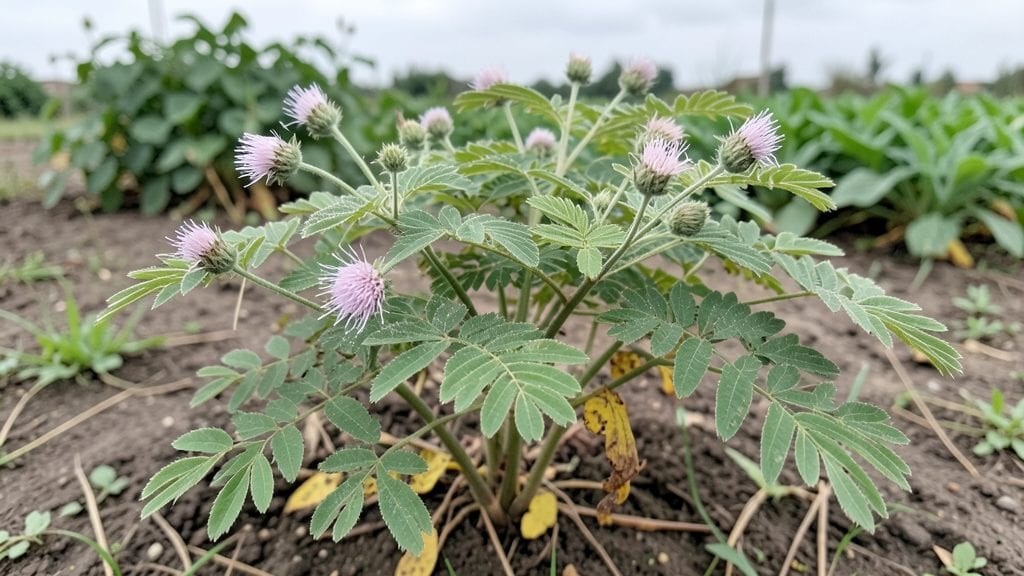
The fragrant mimosa tree flowers—those delicate pink puffballs—aren’t just pretty; they’re showy, surprisingly easy to grow, and they’ll bloom for you from late spring through summer with just the right sunlight and soil. 🌸 and knowing when to step back.
Mimosa trees reward patience with vibrant flowers that turn heads and fill the air with a sweet scent—no fancy pruning required.
The real magic happens when you match their needs: full sun, well-draining soil, and just enough water to keep roots happy without soggy soil. I’ve seen gardeners overwater these trees, thinking they need more moisture, but mimosas actually thrive on neglect once established.
The flowers themselves are sensitive to frost, so timing matters—plant in early spring after the last frost date in your zone.
By late summer, you’ll see those iconic fuzzy blossoms appearing, and they’ll keep coming back if you avoid heavy pruning. The tree’s natural shape is elegant, and the flowers attract pollinators like crazy.
Even in urban settings, mimosas adapt well, making them a low-maintenance star for any landscape. Let’s get those blooms going strong!
One thing to watch for? Over-pruning can stress the tree and reduce flowers, so focus on shaping only when necessary. With the right care, your mimosa will be the talk of the neighborhood—and the bees will thank you too. Ready to grow one that steals the show?
📚 In This Guide
- What you need
- Instructions
- Tips and common mistakes
- Wrapping up and next steps
What you need
- ● Mimosa tree (Albizia julibrissin): Seeds (10–20, collected fresh or purchased from a nursery)
- ● OR
- ● Young sapling (1–2 years old, 1–3 feet tall)
- ● OR
- ● Hardwood cuttings (6–12 inches long, ½-inch thick, taken in late winter)
- ● Soil: Well-draining, slightly acidic to neutral soil (pH 6.0–7.5)
- ● Garden loam or a mix of 60% topsoil, 30% compost, and 10% perlite/sand (for potted plants)
- ● Sunlight: Full sun (6+ hours of direct sunlight daily)
- ● Watering supplies: Garden hose with adjustable nozzle or watering can (1–2 gallons capacity)
- ○ Drip irrigation system (optional for established trees)
- ● Planting tools: Trowel or shovel (for digging holes)
- ● Garden gloves (to protect hands from thorns)
- ● Pruning shears (sharp, sterilized)
- ● Containers (if growing in pots): Large pots (15–20 gallons, with drainage holes)
- ● Potting mix (as specified above)
- ● Fertilizer: Balanced, slow-release fertilizer (10-10-10 or 20-20-20, 1–2 tbsp per plant)
- ○ Optional: Organic options like composted manure or worm castings
- ● Mulch: Organic mulch (2–3 inches of wood chips or straw)
- ● Pest control (preventative): Neem oil (for aphids or spider mites)
- ● Insecticidal soap (mild, non-toxic option)
- ● Soil moisture meter (to monitor watering needs)
- ● Tree support stakes (for young saplings in windy areas)
- ● Epsom salt (for magnesium boost, 1 tbsp per foot of tree height)
- ● Drought-resistant ground cover (e.g., clover or creeping thyme)
How to cultivate mimosa tree flowers for fragrant year-round blooms
Mimosa trees reward patience with delicate, fragrant blooms—here's how to coax their beauty with minimal fuss.
🌱 Step 1: Select the Right Location for Planting
Mimosa trees thrive in full sun, needing at least 6-8 hours daily. Choose a spot with well-draining soil—they hate soggy roots. I dig a hole twice as wide as the root ball but only as deep, placing the tree slightly higher than its container to prevent water pooling.
Test your soil's drainage by digging a 12-inch hole and filling it with water. If it drains in under an hour, your spot is perfect. If water lingers, amend the soil with 1 part sand to 3 parts native soil before planting. Mimosa trees also tolerate heat and drought once established, making them ideal for hot climates.
☀️ Step 2: Plant at the Correct Time and Depth
Spring is the best time to plant mimosa trees, after the last frost but before summer heat sets in. Handle the root ball gently—wrap it in burlap if it's bare-rooted to protect delicate roots. Position the tree so the top of the root ball sits 1-2 inches above ground level.
Backfill the hole with native soil, tamping lightly every 6 inches to remove air pockets. Water deeply to settle the soil around roots. Mulch with 2-3 inches of organic mulch (like wood chips), keeping it 6 inches away from the trunk to prevent rot. This mimics their natural, well-drained habitat and encourages strong root growth.
💧 Step 3: Water Deeply but Infrequently
Young mimosa trees need 1-2 inches of water weekly, but deep watering is key. Water slowly at the base until the soil is moist 12 inches down. Avoid overhead watering—it can spread fungal diseases. You'll know watering is right when the top inch of soil feels damp but not saturated.
Once established (after 2-3 years), mimosa trees are drought-tolerant. Cut back to watering only when the soil feels dry 4 inches down. Overwatering is the biggest mistake—it leads to root rot and stunted growth. I check soil moisture by sticking my finger in; if it's dry at 2 inches, it's time to water.
✂️ Step 4: Prune for Shape and Blooms
Prune mimosa trees lightly in late winter or early spring before new growth begins. Remove dead, diseased, or crossing branches first—this improves airflow and prevents pests. Cut back any suckers growing from the base to redirect energy to the main tree.
For shaping, I prune branches back to a bud or side branch rather than cutting into old wood. Mimosa trees bloom on new growth, so pruning encourages more flowers. Avoid heavy pruning—it can reduce flowering. Watch for pinkish buds in spring; these signal the tree is ready for light shaping to maintain its natural, airy form.
🌿 Step 5: Fertilize for Lush Growth and Blooms
Feed mimosa trees in early spring with a balanced, slow-release fertilizer (10-10-10 ratio). Sprinkle ½ cup around the drip line, then water deeply to activate the granules. Avoid high-nitrogen fertilizers—they promote leafy growth at the expense of flowers.
I also top-dress with 2 inches of compost in fall to replenish nutrients naturally. Mimosa trees are light feeders, so over-fertilizing causes weak, leggy growth. Look for dark green leaves and abundant buds—these are signs your tree is getting the right nutrients without excess.
Tips & tricks for mimosa tree flowers
Between us, these little details make all the difference between a mimosa tree that just survives and one that thrives with glorious, fragrant blooms all year.
Sunlight Strategy: Mimosa trees need those 6-8 hours of full sun daily—no shortcuts here. If your yard has afternoon shade, consider planting near a south-facing wall or fence that reflects sunlight. I've seen trees in partial shade still bloom, but the flowers are sparse and less fragrant. Trust me on this: the more sun, the better the blooms.
Soil Test Hack: Before planting, do that 12-inch hole test—it's worth the effort. If water pools instead of draining, mix in 1 part sand to 3 parts native soil to create that perfect well-draining environment. I've had to replant mimosa trees twice because I skipped this step and ended up with soggy roots. The second time, I tested and amended, and now it's a blooming beauty.
Watering Wisdom: The 1-2 inches weekly guideline is perfect for young trees, but here's the thing: use a rain gauge or measuring cup to track it accurately. Overwatering is the silent killer—it causes root rot and weakens the tree. I water mine when the top 2 inches of soil feel dry, and I've never had better blooms. Deep watering also encourages those strong roots that support abundant flowers.
Pruning Pro Tip: When you see those pinkish buds in spring, that's your cue to prune lightly. Cut back to a bud or side branch rather than hacking into old wood. I learned this the hard way after pruning too aggressively and losing half my blooms that season. Mimosa trees bloom on new growth, so pruning at the right time encourages more flowers—not fewer.
Pro Tips for Mimosa Tree Flowers
- Between us, these little details make all the difference between a mimosa tree that just survives and one that thrives with glorious, fragrant blooms all year.
- Sunlight Strategy: Mimosa trees need those 6-8 hours of full sun daily—no shortcuts here.
- Soil Test Hack: Before planting, do that 12-inch hole test—it's worth the effort.
Frequently asked questions
When do mimosa tree flowers bloom, and how long do they last?
Mimosa trees typically bloom in early spring (March–April in most regions), though some varieties may flower sporadically into summer. Each cluster lasts 3–7 days at peak freshness, but the tree produces new blooms in waves for weeks. For year-round interest, plant alongside other seasonal flowers like crape myrtle or wisteria.
How do I encourage my mimosa tree to flower more?
Mimosa trees thrive with full sun (6+ hours/day) and well-draining soil. Prune lightly after blooming to shape the tree, but avoid heavy cuts—this can reduce flowering. Use a balanced fertilizer (10-10-10) in early spring and water deeply but infrequently (drought-tolerant once established!). Pro tip: Avoid over-fertilizing with nitrogen, which promotes leafy growth over flowers.
Why aren’t my mimosa tree flowers opening, or are they falling off?
Common culprits include overwatering (root rot), poor drainage, or lack of sunlight. Check for pests like aphids or scale insects, which can stress the tree. If buds form but drop, it may signal temperature shock (mimosas hate frost). Try moving potted trees to a sheltered spot or mulching to regulate soil temps.
Are there non-invasive mimosa tree alternatives with similar flowers?
If you love mimosa’s fuzzy pink blooms but want low-maintenance options, consider:
- Silky Oak (Grevillea) – Drought-resistant, fragrant, and bird-friendly.
- Coral Tree (Erythrina) – Bright red flowers, fast-growing, and cold-hardy.
- Wisteria – Vigorous climber with cascading blooms (needs pruning!).
Are mimosa tree flowers toxic to pets or humans?
Mimosa tree flowers and pods are non-toxic to humans and pets, but the seed pods can cause mild stomach upset if ingested in large quantities. The fuzzy petals are safe for bouquets, though they shed easily—enjoy their scent while it lasts! Always supervise pets around new plants to avoid nibbling.
Wrapping up and next steps
Growing mimosa tree flowers is a rewarding journey that brings beauty, fragrance, and year-round blooms with minimal effort! Whether you're a seasoned gardener or just starting, these resilient trees thrive with the right care—sunlight, well-draining soil, and occasional pruning.
Their delicate, fragrant petals and low-maintenance nature make them a perfect addition to any garden or landscape.
Ready to transform your outdoor space? Start by choosing the right variety for your climate, then plant and nurture your mimosa tree with confidence. Watch as it flourishes into a stunning, fragrant centerpiece—your garden will thank you! 🌸✨