Pruning
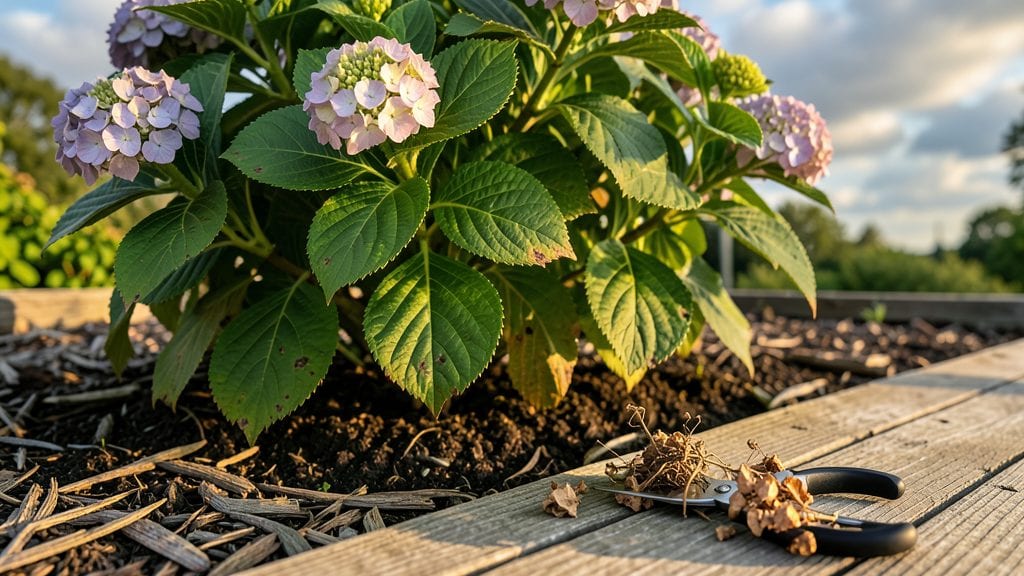
You should deadhead hydrangea flowers for reblooming varieties like mopheads and lacecaps to encourage new blooms, but skip it for bigleaf types (e.g., Endless Summer) until after flowering. The best time is late summer for rebloomers or spring for dormant types, using sterilized shears to prevent disease.
Deadheading isn't a one-size-fits-all practice—it's all about your hydrangea's bloom cycle. 🌸 For varieties that flower on old wood (like bigleaf types), removing spent blooms too early can actually rob you of next year's flowers.
These plants store energy in last year's stems, so let those faded blooms stay until spring. Rebloomers, however, produce flowers on both old and new wood, so trimming back spent blooms after their first flush gives them a second chance to bloom later in the season.
Timing and technique are everything. I always recommend using clean, sharp pruners—not only to make clean cuts but also to prevent spreading disease between plants.
For rebloomers, wait until after the first flush of flowers has faded (usually late summer) before pruning, while dormant types like bigleaf hydrangeas should only be trimmed in late winter or early spring before new growth appears.
💡 In This Article
- How Deadheading Impacts Hydrangea Bloom Cycles
- Step-by-Step Deadheading Guide by Hydrangea Type
How deadheading impacts hydrangea bloom cycles
The key difference between hydrangea types lies in their flower bud formation. Reblooming varieties like mopheads and lacecaps produce buds on both old wood (last year's stems) and new wood (current year's growth).
When you deadhead these types after their first flush, you're essentially giving the plant a second chance to develop new flower buds from the fresh growth. This process works because removing spent blooms redirects the plant's energy from seed production to new flower formation.
Here's what's actually happening biologically: Hydrangeas produce auxin, a plant hormone that regulates growth. When you remove spent blooms, you reduce auxin concentration in those stems, which signals the plant to produce new shoots and flowers.
For rebloomers, this means you can expect a second round of blooms in late summer or fall. The timing is critical because if you prune too early, you might remove next year's flower buds that formed on last year's stems.
Once-blooming types, like bigleaf hydrangeas, are different. These plants form their flower buds on old wood during the previous growing season. Deadheading them too early removes these buds, leaving nothing for next year's blooms.
The buds are typically visible as small, green swellings near the stem ends in late winter—these are your future flowers. For these varieties, deadheading should only happen after they've finished blooming for the season, usually in late fall or winter.
Improper timing can have dramatic effects. For example, if you prune a bigleaf hydrangea in late summer to encourage reblooming, you might end up with no flowers at all the following year. The plant will focus its energy on new growth instead of developing flower buds.
Conversely, rebloomers that aren't deadheaded properly may produce fewer flowers overall, as the plant wastes energy on seed production from the spent blooms.
Consider the visual cues: Reblooming hydrangeas often have two distinct flower phases—large, showy blooms in spring followed by smaller flowers later in the season. Once-bloomers produce their dramatic display all at once in summer.
The flower color also gives clues—rebloomers often change color as they age, while once-bloomers maintain their hue until they fade completely. This color shift can help you determine when it's safe to prune.
What most people don't realize is that deadheading also affects leaf production. When you remove spent blooms, the plant may produce more leaves to compensate, which can dilute the floral display.
This is why many gardeners prefer to leave some blooms intact on rebloomers—it creates a more balanced appearance while still encouraging new growth. The ideal approach is to remove only the most faded blooms, leaving some healthy flowers to maintain the plant's aesthetic while still stimulating new growth. 🌿