
Light Requirements
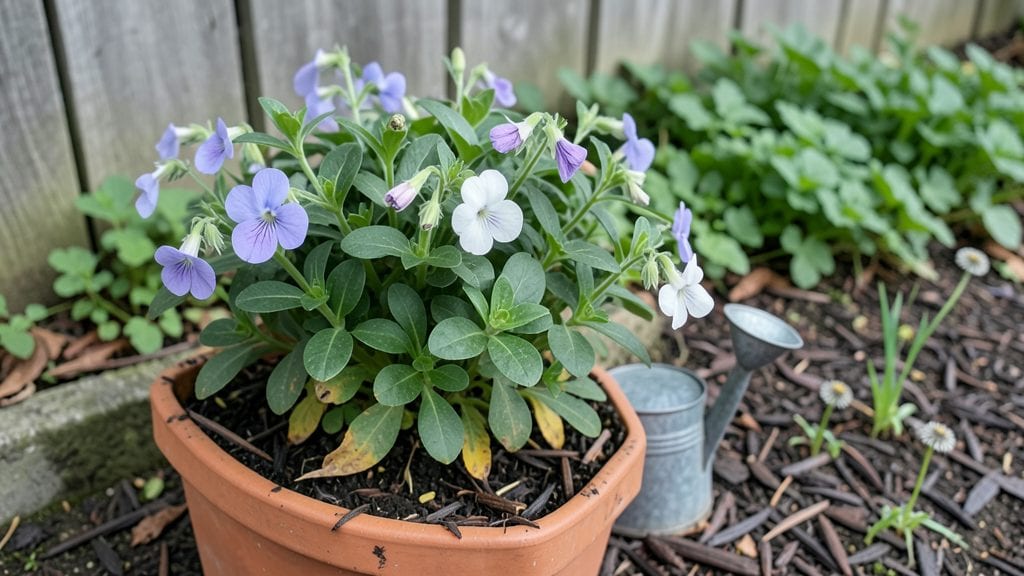
Shade-loving summer flowers transform dull corners into vibrant displays. ✨ I’ve designed this collection to bring bold color and texture to areas where sunlight barely reaches, using plants that bloom reliably from June through September.
The key is choosing varieties that tolerate moisture and compete with tree roots—no weak, leggy stems here.
Think deep jewel tones like burgundy impatiens, creamy white astilbes, and cobalt-blue lobelias layered with taller hellebores and ferns. These plants thrive in 3-6 hours of dappled light, making them perfect for woodland gardens, north-facing borders, or even container gardens under large trees.
Their care is straightforward: consistent moisture and rich, well-draining soil keep them flourishing.
By pairing these flowers strategically, you’ll create a lush, layered effect that feels intentional yet effortless. The tall hellebores anchor the back, mid-height astilbes add movement, and trailing lobelias spill over edges. Even in the shadiest spots, your garden will feel alive with color and texture that lasts all summer.
This approach works for both formal borders and wild, naturalistic plantings. Whether you’re filling a shady patio corner or reviving a neglected woodland edge, these flowers deliver bold results with minimal fuss. Let’s bring your darkest corners to life.
📚 In This Guide
- What you need
- Instructions
- Tips and common mistakes
- Wrapping up and next steps
What you need
- ● Shade-loving flower plants: Choose from 3–5 varieties (e.g., impatiens, ferns, hostas, astilbes, or heucheras). Aim for 5–10 plants per square yard for a lush look.
- ● Well-draining potting mix: 2–3 bags (10–12 cubic feet each) for in-ground planting or containers. Opt for a blend with peat moss or compost for moisture retention.
- ○ Containers (optional): 5–10 pots (8–12 inches in diameter) if planting in pots. Ensure they have drainage holes!
- ● Organic mulch: 1–2 bags (straw, shredded bark, or pine needles) to retain moisture and suppress weeds.
- ● Garden trowel or hand shovel for planting.
- ○ Gloves (optional but recommended for messy soil).
- ● Watering can or hose with a gentle spray nozzle (avoid overwatering!).
- ● Pruning shears for trimming dead foliage or spent blooms.
- ○ Sunlight meter (optional) to confirm your garden’s light levels (ideal: 2–6 hours of indirect light).
- ● Test your soil’s moisture—shade plants hate soggy roots! Amend clay soil with sand or perlite if needed.
- ● For containers, use a self-watering pot to reduce maintenance.
- ● Add a slow-release fertilizer (like 10-10-10) at planting time for a nutrient boost.
Step-by-Step instructions for planting shade-loving summer flowers
Here's how to create a vibrant, low-maintenance shade garden that bursts with color all season long.
🌱 Step 1: Prepare the Planting Site for Optimal Drainage
Clear the area of weeds and debris, then loosen the soil to a depth of 6-8 inches using a garden fork. Shade gardens often have compacted soil, so this step is critical for root health. Amend the soil with 3 inches of compost—this improves moisture retention while preventing waterlogging, which shade plants dislike.
Test the soil's moisture level by squeezing a handful. If it clumps tightly, add 1 inch of perlite or coarse sand to improve drainage. Avoid garden soil from your lawn, which can be too dense and nutrient-poor for container or in-ground shade plantings.
🌿 Step 2: Select and Plant Shade-Tolerant Varieties
Choose from 4-6 shade-loving perennials like impatiens, ferns, astilbes, or heucheras—these thrive in dappled light to full shade. Dig holes twice as wide as the root ball and same depth as the container. Gently remove plants from their pots and tease apart any circling roots to encourage outward growth.
Place each plant in its hole, ensuring the top of the root ball sits level with the surrounding soil. Fill gaps with the amended soil mix, pressing lightly to eliminate air pockets. Water deeply to settle the soil and eliminate gaps that could dry out roots.
💧 Step 3: Establish a Consistent Watering Routine
Water newly planted shade flowers twice weekly for the first 4 weeks, providing 1 inch of water per session. Shade gardens dry out more slowly than sunny ones, but consistent moisture is key—especially for tender foliage. Use a soaker hose or watering wand to deliver water at the base, avoiding wetting leaves to prevent fungal diseases.
Check soil moisture by inserting your finger 1 inch deep. If it feels dry, water again. Mulch with 2 inches of shredded bark around each plant (keeping it 2 inches away from stems) to retain moisture and suppress weeds. This layer also insulates roots from temperature swings.
☀️ Step 4: Monitor Light Conditions and Adjust Care
Observe your garden’s light patterns over 2-3 weeks. If leaves yellow or growth stalls, the area may receive more light than expected. Move plants to deeper shade if needed, or supplement with morning sun exposure—most shade flowers tolerate brief sun periods better than afternoon heat.
Fertilize lightly in early summer with a balanced, slow-release fertilizer (10-10-10) applied at half-strength. Shade plants grow slower and need fewer nutrients than sun-lovers. Deadhead spent blooms regularly to encourage continuous flowering—pinch off faded flowers with your fingers or small pruners.
✂️ Step 5: Prune and Maintain for Long-Term Health
In late summer, trim back any leggy stems or overcrowded foliage to improve airflow. Use clean, sharp pruners to make cuts just above a leaf node. This encourages bushier growth and prevents fungal issues. Divide clumping perennials like hostas or astilbes every 3-4 years to rejuvenate their vigor.
As fall approaches, reduce watering gradually to harden off plants. Remove dead foliage in early spring, but leave seed heads if you want winter interest. This simple maintenance keeps your shade garden thriving year after year with minimal effort.
Tips & tricks for perfect shade-loving summer gardens
Creating a thriving shade garden takes more than just planting—it's about understanding the subtle nuances that make these plants flourish. Here's what I've learned after years of trial and error in my own low-light spaces.
The Soil Factor: In Step 1, when loosening soil to 6-8 inches, I can't stress enough how critical this is for shade plants. Use a garden fork to break up compacted layers gently—don't pulverize the soil completely. The goal is to create channels for roots while preserving the natural soil structure. After amending with 3 inches of compost, mix in a handful of worm castings for extra microbial activity that shade plants adore.
Planting Precision: Step 2's advice about planting depth is crucial, but here's the detail nobody mentions: when placing your plants, press the surrounding soil firmly around the root ball to eliminate air pockets. I learned this the hard way—loose soil around roots leads to drying out during those first critical weeks. Also, if you're planting in containers, choose pots with drainage holes that are at least 2 inches larger in diameter than the root ball to prevent root binding.
Watering Wisdom: The twice-weekly watering routine in Step 3 works beautifully, but timing matters just as much as quantity. Water in the early morning to allow foliage to dry completely before evening—this prevents fungal diseases that plague shade gardens. I also recommend using a rain gauge to measure your 1 inch per session rather than eyeballing it. Shade plants are particularly sensitive to both underwatering and overwatering.
Light Monitoring Hack: For Step 4's light observation period, I've found that using a simple light meter (or even a smartphone app) for 2-3 weeks gives you precise data. Most shade plants thrive with 20-50% sunlight exposure. If your meter shows higher numbers, gradually acclimate plants to deeper shade by moving them incrementally over several days rather than all at once.
Pro Tips for Shade Loving Summer Flowers
- Creating a thriving shade garden takes more than just planting—it's about understanding the subtle nuances that make these plants flourish.
- The Soil Factor: In Step 1, when loosening soil to 6-8 inches, I can't stress enough how critical this is for shade plants.
- Planting Precision: Step 2's advice about planting depth is crucial, but here's the detail nobody mentions: when placing your plants, press the surrounding soil firmly around the root ball to eliminate air pockets.
Frequently asked questions
Got questions about growing shade-loving summer flowers? You’re not alone! Here are some of the most common concerns—and their easy solutions—to help you create a vibrant, low-light garden with confidence.
What are the best shade-loving flowers for full shade (less than 3 hours of sunlight)?
If your garden gets very little light, opt for impatiens, ferns, hostas, or astilbes. These thrive in deep shade (under trees or north-facing walls). For partial shade (3–6 hours of light), try coleus, caladiums, or begonias—they’re forgiving and packed with color!
When is the best time to plant shade-loving summer flowers?
For most shade plants, spring (after the last frost) or early fall is ideal. This gives roots time to establish before extreme heat or cold. Pro tip: If planting in summer, water deeply and mulch to retain moisture—these flowers hate drying out!
Can shade-loving flowers handle a little morning sun?
Many shade plants, like heucheras or lobelias, tolerate gentle morning sun (especially in cooler climates). Just avoid harsh afternoon rays, which can scorch leaves. Monitor your plants—if leaves yellow, they might need more shade.
Why are my shade flowers wilting or turning yellow?
Yellowing leaves often signal overwatering, poor drainage, or too much light. Check soil moisture (it should stay evenly damp, not soggy) and ensure pots/containers have drainage holes. If leaves crisp in the sun, move them to a shadier spot immediately.
Are there any shade-loving flowers that attract pollinators?
Yes! While shade gardens may seem pollinator-unfriendly, cleome, nicotiana, or shade-tolerant lavender draw bees and butterflies. Even impatiens can attract hummingbirds if planted near a water source. Pair them with sun-loving pollinator plants at garden edges for a balanced ecosystem.
What can I plant instead if my shade area is very dry?
Drought-tolerant shade plants like sedum, sempervivum, or drought-resistant ferns are your best bets. These store water in their leaves and thrive with minimal irrigation. Mulch heavily (2–3 inches) to lock in moisture and reduce evaporation.
Wrapping up and next steps
Transforming your shady garden into a vibrant summer paradise is easier than you think! With the right shade-loving flowers—like impatiens, ferns, and hydrangeas—you’ll create a lush, low-maintenance oasis that blooms effortlessly. These bold beauties prove that shade doesn’t mean dull; it just means strategic! 🌿
Ready to dive in? Start small—pick one or two varieties to test your space, then expand as you gain confidence. Happy gardening, and may your garden shine (even in the shade)! 🌸