
Pruning
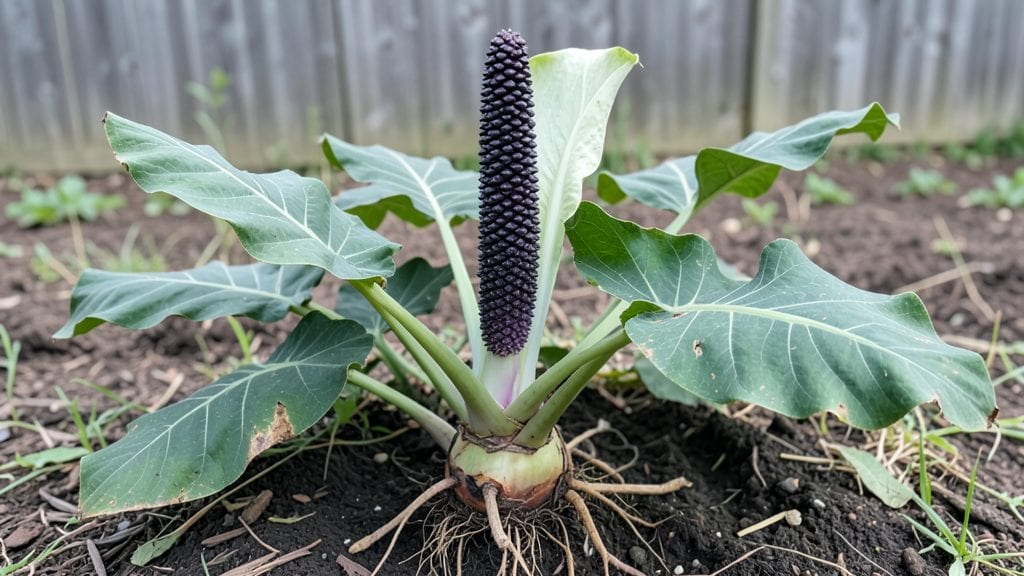
The corpse flower tree’s stench and spectacle make it the most dramatic plant you’ll ever grow. ✨ I’ve wrestled with mine for years, and I’ll tell you exactly how to coax this rare giant into blooming—without losing your sanity (or your neighbors’ respect).
This plant demands patience, not just because it takes 5-10 years to bloom, but because it thrives on neglect—just not too much. Too little light and it sulks; too much water and it rots.
The key is mimicking its swampy Southeast Asian roots: 60-80% humidity, temperatures above 65°F, and soil that stays damp but never soggy.
When it finally blooms, you’ll know—your house will smell like rotting meat, and the flower will swell to 3 feet tall in days. The experience is worth every failed season.
Pruning is minimal (just dead leaves), but timing matters: wait until spring to trim, when new growth signals the plant’s ready to rebound.
Perfect for greenhouse growers or those with sunny, humid basements. Here’s how to avoid the pitfalls that kill most corpse flower attempts—starting with the soil mix that keeps roots happy without drowning them.
📚 In This Guide
- What you need
- Instructions
- Tips and common mistakes
- Wrapping up and next steps
What you need
- ● Potting soil: 10–15 gallons of well-draining, peat-based mix (e.g., 50% peat moss, 30% perlite, 20% compost).
- ● Large container: A 20–30 gallon pot with drainage holes (or a ground plot in warm climates).
- ● Pruning tools: Sharp bypass pruners (for clean cuts).
- ● Sterilized pruning saw (for thick stems).
- ● Rubbing alcohol (to disinfect tools between cuts).
- ● Gloves: Heavy-duty gardening gloves (the sap can irritate skin!).
- ● Mulch: Wood chips or straw (to retain moisture and regulate temperature).
- ● Root stimulator: A fungal inoculant (e.g., Mycorrhizal fungi) to boost root health.
- ● Humidity tray: A shallow tray with pebbles and water (to mimic tropical conditions).
- ● Support stake: A bamboo stake (for young, top-heavy plants).
- ● Growth regulator: A diluted seaweed extract (to encourage blooming).
Step-by-Step guide to pruning your corpse flower tree
Here’s how to keep your rare Amorphophallus titanum thriving with minimal fuss.
✂️ Step 1: Identify the Right Time to Prune
Prune your corpse flower tree right after flowering, when the blooms begin to wilt and the spathe turns brown. This is your signal that the plant is entering its dormant phase. I always wait until the flower stalk collapses naturally—never cut it prematurely, as this stresses the plant and can delay its next bloom cycle.
Use clean, sharp pruners to avoid tearing the stem. The goal is to remove the spent flower stalk at its base, just above a leaf node. If you miss this spot, the plant may develop weak regrowth. I like to mark the cut line with a pencil first to ensure precision—this helps avoid accidental damage to the tuber below.
🌱 Step 2: Remove Dead or Damaged Leaves
After the main bloom is gone, inspect the remaining foliage. Yellowed, brown, or mushy leaves should be trimmed back to the healthy green tissue. Use your pruners to make clean cuts at a 45-degree angle, about ¼ inch above a leaf node. This encourages new growth from the correct spot and prevents disease from spreading.
Don’t overdo it—remove only what’s clearly dead. A corpse flower tree stores energy in its tuber, and too much pruning can weaken it. I usually leave at least half the healthy leaves intact to ensure the plant has enough energy for its next growth cycle. If you’re unsure, leave it—you can always trim more later.
💧 Step 3: Adjust Watering After Pruning
For the first 2-3 weeks after pruning, reduce watering to every 7-10 days instead of weekly. The plant is entering a semi-dormant phase, and overwatering now can cause root rot. Press your finger 1 inch into the soil—if it feels damp, wait before watering again.
I use a moisture meter to check soil conditions, especially in winter when the plant’s needs change. If the soil stays too wet, the tuber can rot, and if it dries out completely, the plant may struggle to recover. Balance is key—this is where most growers go wrong with corpse flowers.
☀️ Step 4: Provide Optimal Light and Warmth
Move your corpse flower to a spot with bright, indirect light after pruning. Direct sunlight can scorch the leaves, while too little light slows recovery. A north-facing window or a grow light 12 inches away works best. You’ll notice new growth emerging within 4-6 weeks if conditions are right.
Keep the temperature between 65-75°F during the day and no lower than 60°F at night. A heat mat can help maintain consistent warmth if your home runs cool. Avoid drafts—this plant hates sudden temperature swings, which can stress it and delay blooming.
⏰ Step 5: Monitor for New Growth and Fertilize Lightly
Once new leaves begin to unfurl, it’s time to resume normal care. Start fertilizing again with a balanced, water-soluble fertilizer diluted to half strength. Apply it every 4-6 weeks during the growing season (spring and summer). Over-fertilizing now can burn the roots, so less is more.
Watch for signs of regrowth—new leaves will emerge from the center of the plant. This is your cue that the pruning was successful. If no new growth appears after 8 weeks, check for root rot or pests. A healthy corpse flower should show steady progress toward its next bloom cycle.
Tips & tricks for pruning your corpse flower tree
Mastering the art of corpse flower pruning takes patience—and these insights will help you avoid common pitfalls while maximizing your plant's next spectacular bloom.
Timing is Everything: I can't stress this enough—the moment the spathe turns brown and the flower stalk collapses is your cue to prune. Waiting too long can lead to weak regrowth, while cutting too early stresses the tuber. Mark your calendar when you first notice wilting—this is your 2-3 week countdown to dormancy. The plant's natural cycle is what triggers its next bloom, so don't rush it.
Precision Cuts Prevent Weak Growth: When removing the spent flower stalk in Step 1, make your cut just above a leaf node—this is where new growth will emerge. I've seen growers accidentally cut too low, damaging the tuber, which can take years to recover. If you're unsure where the node is, gently peel back the outer leaves to reveal the stem structure. A small pencil mark on the stalk helps guide your cut without damaging the plant.
Light and Temperature Balance: The 65-75°F range during the day and 60°F minimum at night isn't just arbitrary—it mimics the tropical conditions this rare plant thrives in. I've noticed that even slight dips below 60°F can stall new growth for weeks. A simple heat mat under the pot during winter months makes all the difference. And remember, bright but indirect light is key—direct sun will scorch those delicate leaves you're working so hard to preserve.
Watering Wisdom After Pruning: The 2-3 week watering adjustment in Step 3 is where most growers go wrong. I've seen tubers rot from overwatering during this critical period, but I've also seen plants struggle from underwatering. The finger test is your best friend—if the top inch of soil feels damp, wait one more day. In winter, I reduce watering to every 10-14 days to prevent soggy soil that invites root rot.
Pro Tips for Corpse Flower Tree
- Mastering the art of corpse flower pruning takes patience—and these insights will help you avoid common pitfalls while maximizing your plant's next spectacular bloom.
- Timing is Everything: I can't stress this enough—the moment the spathe turns brown and the flower stalk collapses is your cue to prune.
- Precision Cuts Prevent Weak Growth: When removing the spent flower stalk in Step 1, make your cut just above a leaf node—this is where new growth will emerge.
Frequently asked questions
about the corpse flower tree—your go-to guide for growing, pruning, and admiring this rare botanical marvel.How often does a corpse flower bloom, and when can I expect it?
A corpse flower (Amorphophallus titanum) blooms only every 7–10 years—so patience is key! Timing depends on maturity (10+ years old) and ideal conditions (warmth, humidity). Some blooms occur in spring/summer, but they’re unpredictable. Set up alerts for local gardens like L.A. County Arboretum to witness one in person!
Can I prune a corpse flower tree after it blooms? If so, how?
Yes! After the bloom wilts, prune the spent spathe and spadix down to the base to redirect energy to the corm (underground stem). Avoid cutting healthy leaves—they photosynthesize for the plant’s survival. Use sterilized tools and wait until the corm enters dormancy (fall/winter) for the safest trim.
Is a corpse flower safe to grow indoors? What’s the catch?
Indoor growth is possible but challenging due to its tropical needs—think 70°F+ temps, 80% humidity, and bright (indirect) light. A greenhouse or sunroom with a humidity tray works best. Outdoor pots in zones 9–11 are far easier—just protect from frost!
Why does it smell so bad? Is the odor harmful?
The corpse flower’s rotten-meat stench (caused by dimethyl disulfide) attracts carrion flies for pollination—it’s not toxic but can be overwhelming! Ventilate your space if growing indoors, and avoid planting near patios or bedrooms. The smell peaks at night during bloom.
What’s a good alternative if I can’t grow a corpse flower?
For dramatic, low-frequency blooms, try:
- Titan arum’s cousins: Amorphophallus paeoniifolius (smaller, easier to grow).
- Giant water lilies (Victoria amazonica) for aquatic spectacle.
- Bamboo palms (Chamaedorea) for tropical vibes without the odor.
Wrapping up and next steps
The corpse flower tree is a breathtaking yet demanding plant that rewards patience and precision. With the right tools, timing, and care—especially during pruning—you can nurture its rare, otherworldly blooms.
Whether you're a seasoned grower or just starting, every snip and observation brings you closer to witnessing nature’s most dramatic spectacle.
Ready to take the next step? Start small: monitor your plant’s growth, document its progress, and join plant communities to swap tips. Your dedication could soon turn your garden into a stage for the Amorphophallus titanum’s legendary show! 🌱✨