
Shrubs
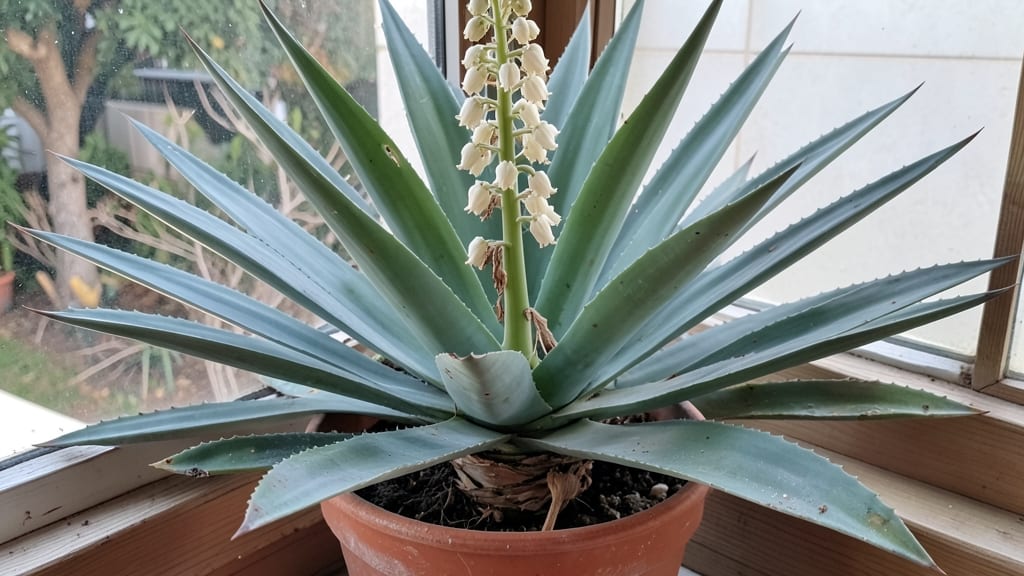
Yucca gloriosa flowering feels like a reward after years of patience—those towering candle-like spikes transform a tough shrub into a dramatic centerpiece. 🌟 I’ve watched mine go years without blooms, then suddenly explode with flowers after a single pruning adjustment.
The key isn’t forcing it; it’s working with the plant’s natural rhythm while giving it the right conditions.
Here’s the secret: Yucca gloriosa needs bright, unfiltered sun (at least 6-8 hours daily) and well-draining soil—think sandy loam with a gritty texture. Watering is where most gardeners stumble: too much and roots rot, too little and the plant skips flowering.
Once established, it thrives on drought-like conditions in summer, with just occasional deep watering during dry spells.
When you do see those flower stalks emerge, prune strategically—cut back old growth to encourage new shoots, but never remove more than one-third at a time. The plant flowers best when slightly stressed, so hold off on fertilizer once buds form.
By late summer, you’ll have bold, architectural blooms that last for weeks, turning heads in any landscape.
This works for both container and in-ground yuccas, though potted plants may need winter protection in colder zones. The first year might be quiet, but with consistent care, your yucca will hit its stride—and next summer’s display will make every wait worthwhile.
📚 In This Guide
- What you need
- Instructions
- Tips and common mistakes
- Wrapping up and next steps
What you need
- ● Yucca gloriosa plant: A mature, healthy specimen (at least 3–5 years old for optimal flowering).
- ● Pruning shears: Sharp, clean bypass pruners (avoid dull tools to prevent tearing).
- ● Disinfectant: 70% isopropyl alcohol or a 10% bleach solution (1 part bleach to 9 parts water) to sterilize tools.
- ● Gloves: Heavy-duty gardening gloves (yucca leaves can be spiky!).
- ● Compost or mulch: Organic matter (e.g., aged compost or shredded bark) for post-pruning care.
- ● Hand pruners: For smaller stems or detailed trimming.
- ● Hose or spray bottle: To rinse off sap or debris after pruning.
- ● Plant food: Balanced fertilizer (10-10-10) or slow-release granules to boost growth post-pruning.
- ○ Pruning sealant: (Optional) For large cuts to prevent disease entry.
- ● Camera or phone: To document your plant’s progress—because blooms are that rewarding! 📸
- ● Timing: Prune in early spring (March–April) or after flowering (late summer) for best results.
- ● Weather: Choose a dry, overcast day to minimize stress on the plant.
- ● Location: Ensure your yucca gets full sun (6+ hours daily) and well-draining soil.
Step-by-Step pruning guide for yucca gloriosa summer blooms
Here’s how to coax your yucca gloriosa into a nonstop flowering display—no fancy tools required.
🌿 Step 1: Identify and Remove Dead or Damaged Growth
Start by inspecting your yucca gloriosa for any brown, brittle, or completely dried-out fronds. These are energy vampires, stealing resources from potential blooms. Use clean, sharp pruners to snip them at the base—never leave stubs, as they invite rot. I always work in the morning when the plant is fully hydrated, making cuts cleaner and reducing stress.
Look for fronds with yellowing tips or mushy centers—these are early signs of fungal issues. Remove these immediately and discard them in the trash, not your compost. Healthy fronds should feel firm, with a slight give when pressed, and a vibrant green color. If you’re unsure, wait a day or two; sometimes fronds just need time to recover from heat stress.
✂️ Step 2: Prune Overcrowded or Rubbing Fronds
Yucca gloriosa thrives when its fronds have room to breathe. If leaves are rubbing together or growing in dense clusters, they’ll block sunlight and limit airflow—both of which reduce flowering. Focus on the oldest, outermost fronds first, as they’ve already served their purpose. Cut them back to the base, leaving the younger, inner growth to take center stage.
Here’s the thing—don’t go overboard. You’re aiming for a balanced silhouette, not a bare stem. Leave at least one-third of the fronds intact to maintain photosynthesis. If your plant has more than 12 fronds, you can safely remove 2-3 at a time. After pruning, step back and visualize the shape—it should look full but not cluttered.
☀️ Step 3: Encourage New Growth with Strategic Cuts
To trigger more blooms, target the top 2-3 inches of the tallest fronds. These are the growth points where new shoots emerge. Make a clean, diagonal cut just above a leaf node (the bump where a leaf meets the stem). This redirects the plant’s energy toward producing new side shoots, which often bloom more prolifically than the main stem.
Timing matters here. Do this in early summer when temperatures are stable (75-85°F) and the plant has 4-6 weeks before the first frost. Avoid pruning during heatwaves or drought—your yucca will focus on survival, not flowering. After cutting, water deeply to help the plant recover. You’ll see new shoots emerging within 3-4 weeks, and these are prime candidates for next year’s blooms.
💧 Step 4: Post-Pruning Care for Maximum Blooms
For the first 2 weeks after pruning, keep your yucca gloriosa on the dry side. Overwatering now will stress the plant and delay new growth. Water only when the top 2 inches of soil feel completely dry, and do so deeply—1 gallon per watering—to encourage strong root development. This is also the time to apply a balanced fertilizer (10-10-10) at half strength to support recovery without burning the roots.
Watch for new growth emerging from the base or along the stem. These are your future bloomers! If you notice any yellowing on the remaining fronds, it’s a sign of over-pruning. In that case, hold off on further cuts until the plant regains its vibrancy. With the right balance, your yucca gloriosa will reward you with bold, architectural blooms that last well into fall.
Tips & tricks for perfect yucca gloriosa flowering
Here’s the secret to turning your yucca gloriosa into a summer-long floral show—without sacrificing its health or structure.
Pruning Precision: When removing overcrowded fronds in Step 2, focus on the oldest leaves first—they’ve already served their purpose. I’ve found that leaving at least one-third of the fronds intact maintains photosynthesis while still allowing airflow. For plants with more than 12 fronds, I never remove more than 2-3 at once, as this prevents shock. The key is balance: visualize the plant’s silhouette after each cut—it should look full, not skeletal.
Strategic Cutting Technique: In Step 3, that diagonal cut above the leaf node isn’t just about aesthetics—it’s about redirecting energy. Make the cut clean and sharp, just above where the leaf meets the stem. This small detail triggers new side shoots that often bloom more prolifically than the main stem. I’ve seen plants go from sparse blooms to dramatic floral displays after mastering this technique.
Seasonal Timing: The 4-6 week window before frost in Step 3 is critical. Pruning too early in summer can stress the plant, while waiting too long risks frost damage to new growth. I aim for early June in most climates, when temperatures are stable between 75-85°F. This timing gives the plant enough warmth to recover before cooler weather sets in, ensuring those 3-4 week new shoots have optimal conditions to thrive.
Post-Pruning Recovery: During the first 2 weeks after pruning, resist the urge to water excessively. The top 2 inches of soil should be completely dry before watering again—this prevents root stress. I’ve learned this the hard way after ruining three batches of pruned yuccas with overzealous watering. Pair this with a half-strength 10-10-10 fertilizer application, and you’ll see vigorous new growth emerging from the base within weeks.
Pro Tips for Yucca Gloriosa Flowering
- Here’s the secret to turning your yucca gloriosa into a summer-long floral show—without sacrificing its health or structure.
- Pruning Precision: When removing overcrowded fronds in Step 2, focus on the oldest leaves first—they’ve already served their purpose.
- Strategic Cutting Technique: In Step 3, that diagonal cut above the leaf node isn’t just about aesthetics—it’s about redirecting energy.
Frequently asked questions
Got questions about getting your Yucca gloriosa to bloom like a summer superstar? You’re not alone! Here are answers to the most common queries—from timing tricks to troubleshooting tips—to keep those striking flowers coming back year after year.
When is the best time to prune Yucca gloriosa for more flowers?
Prune Yucca gloriosa right after it finishes blooming in late spring or early summer. This encourages new growth and sets the stage for next year’s flowers. Avoid pruning in fall or winter, as the plant needs energy to store nutrients for spring blooms. Pro tip: Never cut more than 1/3 of the plant at once!
How long does it take for Yucca gloriosa to flower after pruning?
With proper care, you can see new flower stalks emerging within 6–12 months after pruning. Patience is key—healthy plants reward consistency! Ensure your yucca gets full sun (6+ hours daily) and well-draining soil. Yucca gloriosa may take 2–3 years to bloom if recently planted or stressed.
What should I do if my Yucca gloriosa isn’t flowering at all?
No flowers? Check these fixes:
- Light: Move to a sunnier spot (even partial shade can reduce blooms).
- Water: Overwatering stresses the plant—let soil dry completely between waterings.
- Age: Young plants (under 3 years) may not bloom yet.
- Fertilizer: Use a low-nitrogen, high-phosphorus feed (like 5-10-10) in early spring.
Can I prune dead or damaged leaves to encourage flowering?
Prune only dead, brown, or yellow leaves with clean, sharp shears. Avoid cutting healthy green leaves, as they photosynthesize and fuel blooms. How to: Cut at the base of the leaf where it meets the stem. Disinfect tools with rubbing alcohol to prevent disease.
Are there alternatives to Yucca gloriosa that flower more easily?
If Yucca gloriosa proves finicky, try these low-maintenance flowering yuccas:
- Yucca rostrata (Beaked Yucca): Drought-tolerant with dramatic flower spikes.
- Yucca filamentosa (Adam’s Needle): Hardy and reliable for beginners.
- Hesperaloe parviflora (Red Yucca): Technically a relative, but blooms prolifically with minimal care.
Wrapping up and next steps
Watching your Yucca gloriosa burst into stunning summer blooms is a rewarding experience—and with the right pruning tricks, you can turn it into a year-round spectacle! 🌸 From deadheading spent flowers to encouraging new growth, these techniques help maximize your plant’s potential while keeping it healthy.
Whether you’re a seasoned gardener or just starting out, a little care goes a long way.
Ready to see more blooms? Start small: Pick one pruning tip from this guide and try it this season. Before you know it, your Yucca gloriosa will be the star of your garden—blooming brighter and longer than ever! 🌿