
Flowers
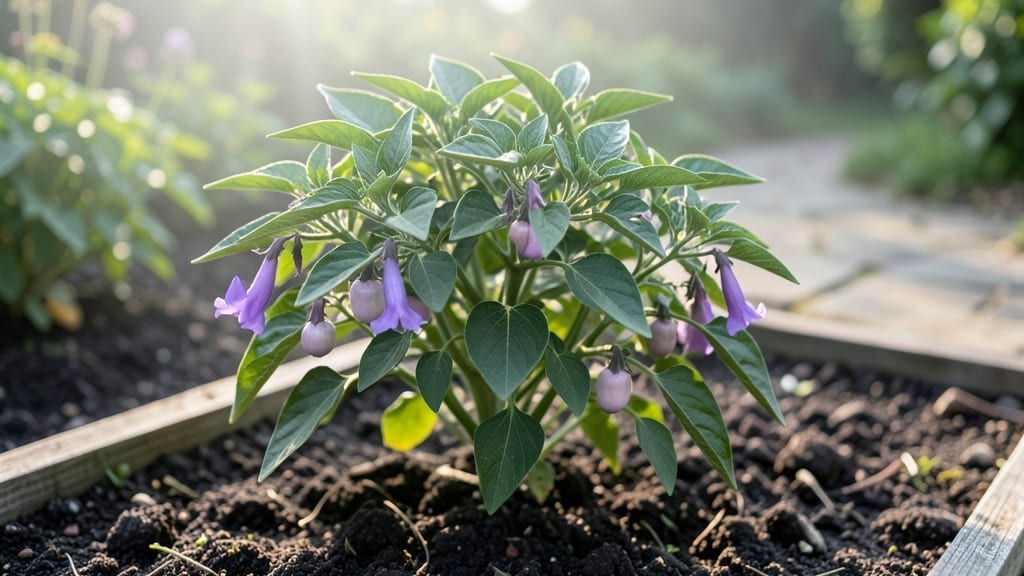
Growing purple pepper flowers transforms your garden into a jewel-toned dream. 🌿 These striking blooms aren’t just pretty—they’re edible, fragrant, and packed with personality, turning ordinary beds into showstoppers that last from summer through fall.
I’ve grown ornamental peppers for years, and the secret to their vibrant purple flowers lies in the right balance of sun, soil, and a little patience.
The key starts with well-draining soil rich in organic matter—think compost mixed into the top 12 inches of your bed.
Purple pepper flowers thrive in full sun (at least 6-8 hours daily), but they’ll reward you with deeper colors and more blooms if you plant them where afternoon shade cools their roots in hot climates.
Varieties like ‘Purple Beauty’ or ‘Black Pearl’ produce the boldest flowers, but even standard bell peppers can develop purple hues when grown in cooler conditions.
By mid-summer, you’ll be snipping fresh blooms for garnishes or letting them self-seed into next year’s garden. The flowers attract pollinators, and the peppers that follow often develop unique flavors—sweet, slightly tangy, or even a mild heat.
Prune spent blooms to encourage more flowers, and watch as your plants become the neighborhood’s most talked-about feature.
Works in containers, raised beds, or in-ground gardens—just ensure good airflow to prevent fungal issues. Whether you’re growing for beauty, flavor, or both, these purple pepper flowers deliver year after year with minimal fuss. Let’s get those seeds in the ground!
📚 In This Guide
- What you need
- Instructions
- Tips and common mistakes
- Wrapping up and next steps
What you need
- ● Purple pepper flower seeds or seedlings: Choose a variety like ‘Purple Beauty’ or ‘Purple Flash’ for vibrant blooms. Quantity: 3–5 seeds or 1–2 seedlings per pot.
- ● Well-draining potting mix: A blend of 60% peat or coco coir, 30% perlite or vermiculite, and 10% compost (pH 6.0–6.8). Quantity: 1–2 gallons per plant.
- ● Containers or garden bed: For containers: 5–7 gallon pots with drainage holes (1 plant per container).
- ● For in-ground planting: Full sun spot (6+ hours/day) with loose, fertile soil.
- ● Slow-release fertilizer: Balanced (10-10-10 or 5-5-5) or organic options like worm castings. Quantity: 1–2 tbsp per plant at planting.
- ● Watering can or hose with gentle spray: Avoid soggy soil—peppers hate wet feet!
- ● Pruning shears: Sharp, sterilized shears for trimming spent blooms or leggy stems.
- ● Grow lights: If starting indoors, use LED grow lights (12–16 hours/day) until seedlings are hardened off.
- ● Cage or trellis: For compact varieties (e.g., ‘Purple Flash’) to support growth.
- ● Mulch (straw or shredded leaves): Retains moisture and regulates soil temp.
- ● Compost tea or liquid fertilizer: For a mid-season nutrient boost (e.g., fish emulsion or seaweed extract).
- ● Pest control: Neem oil or insecticidal soap (prevents aphids/spider mites).
Step-by-Step instructions for growing purple pepper flowers
Here's how to cultivate these stunning edible blooms that thrive year-round with minimal fuss.
🌱 Step 1: Choose the Right Variety and Planting Time
Start with a purple pepper flower variety like 'Purple Beauty' or 'Jalapeño Purple'—these produce striking blooms and fruit. Purple peppers need warm soil to germinate well, so wait until after your last frost date when soil reaches at least 65°F. If you're in a cooler climate, begin seeds indoors 8-10 weeks before transplanting to give them a head start.
I always plant mine in early spring for a summer-long display of blooms. Purple pepper flowers are sensitive to cold snaps, so avoid planting until nighttime temperatures stay above 55°F. If you're in a tropical zone, you can plant year-round, but aim for spring or fall to avoid extreme heat stress.
☀️ Step 2: Select a Sunny Spot and Prepare the Soil
Purple pepper flowers crave full sun—6-8 hours daily—so pick the sunniest spot in your garden or balcony. They thrive in well-draining soil with a slightly acidic to neutral pH (6.0-7.0). Before planting, mix 2-3 inches of compost into the top 6 inches of soil to enrich it without compacting.
If you're growing in containers, use a lightweight potting mix combined with perlite or vermiculite for drainage. Purple peppers hate soggy roots, so ensure your pots have drainage holes and avoid saucers that trap excess water. Amend the soil with a balanced fertilizer (10-10-10) at planting time to give them a nutrient boost.
🌿 Step 3: Plant and Water for Strong Starts
Dig a hole twice as wide as the pepper plant's root ball but only as deep as the container it came in. Gently place the plant in, then fill the hole with soil, pressing lightly to remove air pockets. Space plants 18-24 inches apart to allow airflow and prevent disease. Purple pepper flowers grow bushy, so give them room to spread.
Water deeply right after planting—soak the soil until it’s 2-3 inches damp—but avoid waterlogging. Let the top 1 inch of soil dry out between waterings once established. Mulch around the base with 2-3 inches of organic mulch (like straw or shredded leaves) to retain moisture and suppress weeds. This keeps roots cool and consistent, which purple peppers love.
✂️ Step 4: Prune and Fertilize for Continuous Blooms
Purple pepper flowers benefit from light pruning to encourage bushier growth and more blooms. Pinch off the tip of each stem when plants are 6-8 inches tall to promote branching. Remove any yellow or diseased leaves immediately—they spread problems fast. I also trim back overly leggy stems to redirect energy into flower production.
Feed plants every 4-6 weeks with a low-nitrogen, high-phosphorus fertilizer (5-10-5) to boost flowering. Purple peppers are heavy feeders, so don’t skimp! Stop fertilizing 6-8 weeks before your first frost to let the plants harden off naturally. Deadhead spent blooms by snipping them off just above a leaf node—this tricks the plant into producing more flowers.
💧 Step 5: Protect and Harvest for Year-Round Enjoyment
Purple pepper flowers are tender perennials in warm climates but usually grown as annuals in cooler zones. If frost threatens, cover plants with frost cloth or move containers indoors to a sunny window (they’ll need grow lights for 12+ hours daily). In mild winters, they may rebloom if protected.
Harvest blooms in the morning when they’re fully open for peak flavor and color. Use clean scissors to snip stems just above a leaf. You can eat the flowers fresh in salads or dry them for later use. Watch for aphids or spider mites—spray plants with neem oil at the first sign of pests. With proper care, your purple pepper flowers will reward you with bold blooms and delicious peppers all season long.
Tips & tricks for perfect purple pepper flowers
Between us, these vibrant purple pepper flowers are easier to grow than you think—but a few small tweaks make all the difference between decent blooms and showstopping displays.
Soil Temperature is Everything: Don't rush planting until your soil hits that 65°F minimum mentioned in Step 1. I learned this the hard way after planting too early in cool spring soil—my seeds just sat there for weeks. Use a soil thermometer to check, especially in unpredictable climates. If your soil stays below 55°F at night, wait longer or use a cold frame to warm it up.
Sunlight Strategy for Balconies: If you're growing in containers, maximize those 6-8 hours of daily sun by rotating pots every few days. This ensures even growth and prevents lopsided plants. I place mine on a wheeled cart so I can easily move them to follow the sun's path across my balcony.
Pruning Like a Pro: When you're pinching those tips at 6-8 inches tall in Step 4, don't be shy—cut back about 1/3 of the stem to encourage branching. I also recommend using clean, sharp scissors rather than your fingers to avoid spreading disease. The key is to make these cuts just above a leaf node where new growth can emerge.
Fertilizer Timing Matters: That 5-10-5 fertilizer you're adding every 4-6 weeks should be applied in the morning so it has time to absorb before evening watering. I've found that splitting the recommended dose into two smaller applications—half in spring and half in early summer—prevents over-fertilizing while still giving plants that flowering boost.
Pro Tips for Purple Pepper Flowers
- Between us, these vibrant purple pepper flowers are easier to grow than you think—but a few small tweaks make all the difference between decent blooms and showstopping displays.
- Soil Temperature is Everything: Don't rush planting until your soil hits that 65°F minimum mentioned in Step 1.
- Sunlight Strategy for Balconies: If you're growing in containers, maximize those 6-8 hours of daily sun by rotating pots every few days.
Frequently asked questions
Can purple pepper flowers grow indoors?
Yes! These vibrant blooms thrive indoors with bright, indirect light (like a south-facing window) and a warm spot (65–75°F). Use a well-draining potting mix and a small pot—just ensure good airflow to prevent fungal issues. A grow light can extend their growing season year-round.
How long does it take for purple pepper flowers to bloom?
With proper care, expect blooms 6–12 weeks after planting seeds or transplanting seedlings. For faster results, start with young plants (3–4 inches tall) and provide consistent warmth and sunlight. Patience pays off—these flowers reward dedication with bold, edible beauty!
Are there non-edible alternatives to purple pepper flowers?
If you love the look but not the taste, try cleome (spider flower) or celosia for striking purple hues. For edible options, consider nasturtiums (mild peppery flavor) or borage (cucumber-like taste). All three are low-maintenance and equally stunning.
Why are my purple pepper flowers wilting or dropping buds?
Wilting or bud drop usually signals stress—check for these fixes:
- Underwatering: Soil should stay lightly moist (not soggy). Water at the base to avoid fungal issues.
- Overwatering: Root rot can kill plants. Let the top inch of soil dry out between waterings.
- Pests: Inspect for aphids or spider mites (spray with neem oil if needed).
- Temperature shock: Keep plants away from drafts or sudden cold snaps (below 50°F).
Can I eat the flowers after frost?
Frost kills the plant, but if you harvest before temperatures drop below 32°F, the flowers are still safe to eat. Store them in the fridge for up to 5 days or dry them for later use. Just avoid frost-bitten blooms—they lose flavor and texture. For winter growing, try a greenhouse or container gardening indoors!
Wrapping up and next steps
Growing purple pepper flowers isn’t just about adding a pop of color to your garden—it’s a rewarding journey that brings edible beauty and unexpected flavors to your plate. 🌸 Whether you’re a seasoned gardener or just starting out, these vibrant blooms prove that bold choices pay off in both aesthetics and harvest.
Now that you’re armed with the right knowledge, why not take the next step? Start small with a single plant, experiment with varieties, or even share your newfound passion by gifting blooms to fellow plant lovers!
- Ready to grow? Grab your seeds, find a sunny spot, and let nature do the rest.
- Want more inspiration? Explore other edible flowers or dive into creative recipes featuring your purple pepper blooms!