
Container Gardens
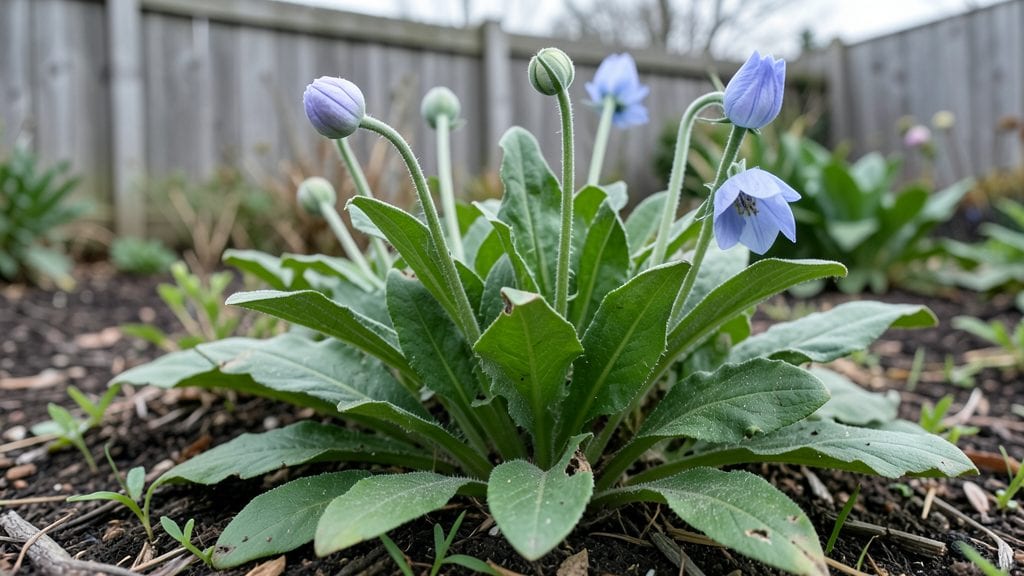
Growing balloon flower transforms your garden into a purple dream with their striking, spiky blooms that keep coming back all season—just as mine did after my first year with these hardy perennials. 🌿 plant that thrives with minimal fuss while still looking showstopping.
Their unique flower buds resemble little balloons before popping open into star-shaped blooms, and they’re tough enough to handle everything from full sun to light shade.
These beauties do best in well-draining soil with a pH between 6.0 and 7.0, and they’re happy in zones 3 through 8, making them versatile for most climates. Plant them in spring or early fall, spacing them 18 to 24 inches apart for full, lush growth.
They’re perfect for borders, containers, or even cutting gardens—their long stems hold up beautifully in arrangements. The key is giving them room to spread and enough water to keep the soil consistently moist but not soggy.
Once established, balloon flowers are low-maintenance stars. Deadhead spent blooms to encourage more flowers, and cut back the foliage in late fall to protect the crown from harsh winters. They’ll bounce back stronger in spring, often producing two waves of blooms—one in early summer and another in fall.
If you notice yellowing leaves, it’s usually a sign of overwatering, while powdery mildew can appear in humid conditions (just spray with neem oil to keep it in check).
For even more blooms, divide clumps every 3 to 4 years in early spring—they’ll reward you with fresh, vigorous growth. And if you’re feeling adventurous, you can grow them from seed, though it takes a little patience (they may take up to two years to bloom).
These flowers are the kind that make gardening feel like magic—just plant them, watch them grow, and enjoy the show.
📚 In This Guide
- What you need
- Instructions
- Tips and common mistakes
- Wrapping up and next steps
What you need
- ● Balloon Flower Seeds (Platycodon grandiflorus): 1–2 seed packets (20–50 seeds per packet)
- ● Choose ‘Astra Double’ or ‘Mariesii’ for vibrant colors
- ● Container: 1–2 5–7 gallon pots with drainage holes (terracotta or fabric preferred)
- ○ Optional: Self-watering planters for low-maintenance care
- ● Potting Mix: 1 bag high-quality, well-draining mix (e.g., 50% peat/coir, 30% perlite, 20% compost)
- ● Fertilizer: Balanced 10-10-10 or 20-20-20 granular fertilizer (1 tbsp per pot)
- ○ Optional: Slow-release pellets for convenience
- ● Basic Gardening Tools: Trowel or small shovel
- ● Gloves (to protect hands from prickly stems)
- ● Watering can with a rose nozzle (for gentle watering)
- ● Sunlight & Space: Full sun to partial shade (6+ hours of sunlight daily)
- ● Space 12–18 inches apart between plants (or stagger in containers)
- ○ Mulch (Optional): 1–2 inches of organic mulch (e.g., straw or shredded bark) to retain moisture
Step-by-step instructions for growing balloon flower
Here's how to coax those striking purple spikes into your garden with minimal fuss.
🌱 Step 1: Choose the Perfect Planting Spot
Balloon flowers thrive in full sun—at least 6 hours daily—but they tolerate light shade in hot climates. I always pick a spot with well-draining soil because these plants despise soggy roots. Amend heavy soil with 1-2 inches of compost before planting to improve drainage and fertility.
Dig a hole twice as wide as the root ball but only as deep. The crown (where roots meet stems) should sit just ½ inch below soil level. If planted too deep, stems may rot; too shallow, and they'll dry out. Gently firm the soil around the roots to eliminate air pockets.
💧 Step 2: Water Deeply and Establish a Routine
Water immediately after planting to help roots settle. Aim for 1 inch of water per week, but check soil moisture first—balloon flowers prefer slightly dry conditions. I water deeply once a week rather than frequent shallow watering to encourage strong root growth.
Once established, these plants are drought-tolerant, but young plants need consistent moisture. You'll know you're watering right when the top 1-2 inches of soil feel dry to touch. Overwatering causes yellow leaves, while underwatering makes buds drop before opening.
☀️ Step 3: Feed for Continuous Blooms
Apply a balanced 10-10-10 fertilizer at planting, then again in early spring and midsummer. I use about ½ teaspoon per plant mixed into the soil. Balloon flowers reward consistent feeding with nonstop blooms from summer through fall.
After the first flush of flowers, trim spent spikes to 2 inches above ground level. This encourages bushier growth and more blooms. Deadheading isn't necessary, but it keeps the plant looking tidy and promotes continuous flowering. Watch for new buds forming at the base within 2-3 weeks.
✂️ Step 4: Prune for Shape and Health
Prune leggy stems in early spring to encourage compact growth. Cut back ⅓ of the plant's height just above a leaf node. This hard pruning stimulates new shoots and prevents the plant from becoming top-heavy. Balloon flowers respond well to pruning, so don't be shy with the shears.
Remove any yellow or diseased leaves immediately to prevent spread. I also snip off any stems that flop over, redirecting the plant's energy toward upright growth. A light pruning every 4-6 weeks keeps the plant looking its best and blooming prolifically.
🪴 Step 5: Overwinter for Next Year's Blooms
Balloon flowers are hardy perennials in zones 3-9. In colder regions, mulch the base with 2-3 inches of straw or leaves after the first frost to protect roots. I wait until the ground freezes to apply mulch, which prevents rot while insulating roots.
In spring, remove the old mulch and trim back any dead foliage. New growth will appear within 2-3 weeks of warm soil temperatures. Balloon flowers are low-maintenance perennials that reward patience with years of vibrant blooms.
Tips & tricks for perfect balloon flower blooms
A few simple strategies can transform your balloon flowers from ordinary to show-stopping. Here's what I've learned after years of growing these striking purple beauties.
Soil Prep Secret: Before planting, mix in 1-2 inches of compost to create the ideal well-draining soil. I like to add a handful of perlite or coarse sand to clay-heavy soils to prevent waterlogging. Balloon flowers hate soggy roots, so this extra step prevents rot and encourages strong root growth from the start. The crown should sit just ½ inch below soil level—this is non-negotiable for preventing stem rot or drying out.
Watering Wisdom: The 1 inch per week guideline works best when you water deeply rather than frequently. I use a rain gauge to track rainfall and only water when the top 1-2 inches of soil feel dry. Young plants need consistent moisture, but once established, these drought-tolerant beauties can handle dry spells. Yellow leaves usually mean overwatering, while dropped buds signal underwatering—both are easy to fix once you recognize the signs.
Fertilizer Timing: That ½ teaspoon of 10-10-10 fertilizer at planting sets the foundation, but the real magic happens with spring and midsummer feedings. I mix it into the soil rather than using liquid fertilizer to avoid burning the roots. After the first flush of blooms, trim spent spikes to 2 inches above ground level—this encourages bushier growth and triggers new buds to form within 2-3 weeks. Don't skip this step if you want continuous blooms all season.
Pruning Pro Tip: The ⅓ height reduction in early spring might seem drastic, but it works wonders. Cut just above a leaf node to stimulate new shoots from the base. For ongoing maintenance, I prune every 4-6 weeks to remove leggy stems and floppy growth. This redirects the plant's energy toward upright, vigorous stems that produce more blooms. Always use clean, sharp shears to prevent disease spread.
Pro Tips for Growing Balloon Flower
- A few simple strategies can transform your balloon flowers from ordinary to show-stopping.
- Soil Prep Secret: Before planting, mix in 1-2 inches of compost to create the ideal well-draining soil.
- Watering Wisdom: The 1 inch per week guideline works best when you water deeply rather than frequently.
Frequently asked questions
Got questions about growing balloon flowers?
You’re not alone! Here are answers to the most common queries from gardeners just like you.
How long does it take for balloon flowers to bloom after planting?
Balloon flowers (Platycodon grandiflorus) typically take 60–90 days to bloom after planting from seed. If you’re growing from nursery starts, expect flowers in 4–8 weeks under ideal conditions. Patience pays off—these beauties reward consistency with months of vibrant blooms!
Can balloon flowers survive winter in containers?
Yes, but with care! Balloon flowers are hardy to USDA Zones 3–8, but potted plants need protection. Move containers to a sheltered spot (like a garage or under eaves) before first frost, or wrap them in burlap or frost cloth. In extreme cold (<10°F), add a layer of mulch or straw around the base.
Why aren’t my balloon flowers blooming?
Common culprits include over-fertilizing (too much nitrogen = leafy growth, no flowers), poor sunlight (they need full sun, 6+ hours/day), or crowded roots. Try deadheading spent blooms and feeding with a low-nitrogen, high-phosphorus fertilizer (like 5-10-10) to encourage flowering.
What’s a good alternative if balloon flowers don’t thrive in my climate?
If your zone is warmer than 8 or summers are humid, try these drought-tolerant, long-blooming swaps:
Divide every 3–4 years in early spring or fall to prevent overcrowding. Dig up clumps, separate roots with a sharp knife, and replant sections 12–18 inches apart. This rejuvenates growth and boosts next year’s blooms. Pro tip: Water deeply after dividing to reduce shock!
All three handle containers well and offer similar vertical interest!
How often should I divide my balloon flower plants?
Wrapping up and next steps
Growing balloon flower is a rewarding journey that brings vibrant purple spikes to your garden with minimal fuss! With the right soil, sunlight, and care, these hardy perennials will thrive and reward you with months of blooms.
Whether you're a beginner or a seasoned gardener, their resilience and striking beauty make them a must-have for containers or borders.
Ready to dive in? Start small—plant a few in pots or your garden this spring, and watch your space transform! For even more tips, explore companion plants or creative container ideas to elevate your balloon flower display. Happy gardening! 🌸