
Trees
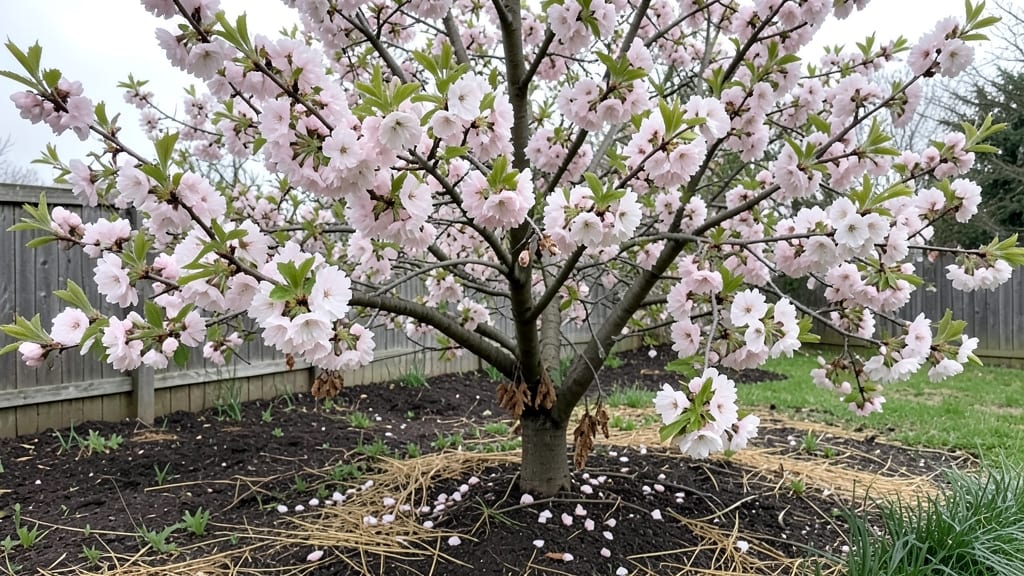
The profusion flowering crabapple transforms any yard into a springtime dream with clouds of fragrant blossoms. 🌸 I planted mine three years ago, and every March, the branches explode with pink-and-white blooms that last for weeks—long after store-bought flowers have wilted.
The secret isn’t just luck; it’s choosing the right site, soil, and care routine that keeps this tree flowering like crazy year after year.
This tree thrives in full sun to partial shade, making it perfect for small yards or urban spaces where big shade trees won’t fit. The soil needs good drainage—rocky or clay-heavy spots will stress it—but once established, it handles drought surprisingly well.
Most nurseries carry the ‘Profusion’ variety, but if yours doesn’t, look for ‘Royalty’ or ‘Dolgo’ as equally reliable alternatives. The key to that showstopping bloom? Pruning in late winter to open the canopy and encourage new growth.
By summer, you’ll have glossy green leaves and a canopy that birds adore, followed by tiny, edible apples that squirrels will love (or you can harvest for jelly). The real magic happens in fall when the foliage turns golden-yellow, and winter brings silvery bark that adds texture to bare branches.
With the right care, this tree keeps giving beauty for decades—no other small tree delivers this much seasonal interest.
Fair warning: Japanese beetles adore these flowers, so watch for them in late summer. A quick spray of neem oil or handpicking keeps them in check. Once you’ve planted one, you’ll understand why neighbors ask where you got it—it’s that good. Let’s get yours growing strong!
📚 In This Guide
- What you need
- Instructions
- Tips and common mistakes
- Wrapping up and next steps
What you need
- ● Profusion Flowering Crabapple Tree: 1 healthy, 3–5 gallon container-grown sapling (or 1–2" caliper bare-root tree for faster growth).
- ● Planting Hole: 3x wider and just as deep as the root ball.
- ● High-Quality Soil: 50% native soil + 50% organic compost or well-draining potting mix (2–3 cubic feet).
- ● Mulch: 2–3 inches of wood chips or shredded bark (keep 6" away from the trunk).
- ● Fertilizer: 10-10-10 balanced granular fertilizer (½ cup per tree) or slow-release organic option.
- ● Watering Can or Hose: With a gentle spray nozzle for post-planting hydration.
- ● Garden Gloves & Trowel: For digging and handling roots.
- ○ Staking Supplies (Optional): 2 stakes + tree tie straps if planting in windy areas.
- ● Epsom salt (1 tbsp dissolved in water) for magnesium boost during early growth.
- ● Tree guard or protective wrap for young trunks (prevents rodent damage).
- ● Pruning shears (sterilized) for shaping or removing dead branches.
- ● Soil pH tester (ideal range: 5.5–6.5 for crabapples).
- ● Drip irrigation system for consistent moisture (especially in drought-prone areas).
Step-by-Step guide to planting and caring for profusion flowering crabapple trees
Here's how to plant and nurture these showstopping trees for decades of blooms and seasonal interest.
🌱 Step 1: Choose the Perfect Planting Spot
Profusion crabapples thrive in full sun to partial shade, with at least 6 hours of direct sunlight daily. I always look for a location with good air circulation to prevent fungal diseases that can plague these trees. The soil should drain well—these trees hate soggy roots, so avoid low spots where water pools after rain.
Test your soil by digging a hole about 12 inches deep. If water sits in the bottom after 30 minutes, amend with 2-3 inches of compost or a 50/50 mix of garden soil and coarse sand. The ideal planting spot also considers mature size—these trees grow 20-25 feet tall and wide, so leave 15 feet of clearance from structures, sidewalks, and other plants.
🪴 Step 2: Dig and Prepare the Planting Hole
Dig a hole twice as wide as the root ball but only as deep as the container. This prevents burying the trunk too deep, which can cause girdling and rot. Gently loosen the roots at the bottom of the hole with your fingers—this encourages them to spread outward instead of circling.
Place the tree in the hole so the top of the root ball sits 1-2 inches above ground level. This ensures proper drainage while allowing for soil settling. Backfill with the native soil you removed, tamping lightly every 2-3 inches to eliminate air pockets. Water deeply to settle the soil around the roots, then create a 3-foot diameter watering basin around the base.
☀️ Step 3: Water and Mulch for Establishment
Water the tree immediately after planting with 10-15 gallons of water, enough to soak the root ball completely. Check moisture by sticking your finger 2 inches into the soil—it should feel damp but not soggy. During the first year, water deeply once a week unless you receive 1 inch of rain, which is your cue to skip watering that week.
Apply 3-4 inches of mulch around the base, keeping it 3 inches away from the trunk to prevent rot. I use shredded bark or wood chips because they break down slowly and improve soil structure over time. Replenish mulch annually to maintain the 3-inch layer, which helps regulate soil temperature and retain moisture.
✂️ Step 4: Prune for Shape and Health
Prune your Profusion crabapple in late winter or early spring, just before buds swell but before new growth begins. Remove any dead, diseased, or crossing branches first—these compete with healthy growth and can spread problems. Then shape the tree by thinning out 20-25% of the canopy to improve airflow and light penetration.
Make clean cuts just outside the branch collar (the swollen area where the branch meets the trunk) using sharp pruners. Avoid leaving stubs, which invite decay. For larger branches over ½ inch thick, make a second cut 12 inches away from the first to prevent tearing. After pruning, water the tree deeply to help it recover and reduce stress.
🌿 Step 5: Year-Round Maintenance for Long-Term Beauty
In spring, fertilize with a 10-10-10 balanced fertilizer applied in three equal doses—once when buds swell, again when flowers appear, and a final time after petal fall. Water deeply after each application to move nutrients into the soil. Avoid high-nitrogen fertilizers, which promote leafy growth at the expense of flowers.
During fall, remove any fallen fruit before it rots on the ground, which can harbor pests and diseases. Rake up leaves regularly, especially if they show signs of fungal spots. In winter, protect young trees from salt spray if planted near roads by wrapping the trunk with burlap or using an anti-desiccant spray. Mature trees handle winter well but benefit from a 2-inch layer of mulch to insulate roots.
Tips & tricks for perfect profusion flowering crabapple trees
These simple yet game-changing tips will help you establish a thriving, disease-resistant tree that lives up to its showstopping reputation.
Sunlight Secret: That 6-hour minimum of sunlight is non-negotiable for vibrant blooms, but here's what nobody tells you—Profusion crabapples actually tolerate light shade better than most varieties. If you're planting in a partially shaded area, position the tree where it gets the morning sun (when UV is gentler) and afternoon shade. This prevents leaf scorch while still delivering those fragrant petals you're dreaming of.
Soil Test Hack: The 30-minute water test in Step 1 reveals more than just drainage. If water disappears completely within 15 minutes, your soil drains too fast and needs organic matter. If it's still standing after 45 minutes, you're dealing with clay soil that needs the sand amendment. I've seen this difference make all the difference between a struggling tree and one that thrives—don't skip this step!
Pruning Precision: When you're thinning that 20-25% of the canopy in Step 4, focus on removing branches that cross or rub against each other. These are the ones that create wounds where diseases like apple scab can enter. I also recommend pruning on a dry day—wet branches are more prone to splitting when you make those clean cuts. The result? Fewer disease issues and a more open canopy for better airflow.
Mulch Maintenance: That 3-inch layer of mulch isn't just about moisture retention—it's also a disease prevention strategy. Keep the mulch pulled back 3 inches from the trunk to prevent rot, but don't be afraid to go a bit thicker (up to 4 inches) in hot climates. The key is replenishing it annually, especially in spring when new growth is most vulnerable to temperature swings. Think of it as giving your tree a cozy blanket that protects its roots year-round.
Pro Tips for Profusion Flowering Crabapple
- These simple yet game-changing tips will help you establish a thriving, disease-resistant tree that lives up to its showstopping reputation.
- Sunlight Secret: That 6-hour minimum of sunlight is non-negotiable for vibrant blooms, but here's what nobody tells you—Profusion crabapples actually tolerate light shade better than most varieties.
- Soil Test Hack: The 30-minute water test in Step 1 reveals more than just drainage.
Frequently asked questions
Got questions about nurturing your profusion flowering crabapple? You’re not alone! Here are answers to the most common queries—from planting to pruning—to keep your tree thriving with stunning, fragrant blooms year after year.
How often should I water a newly planted profusion flowering crabapple?
Water deeply 2-3 times per week for the first year to encourage root growth. After that, aim for 1 inch of water weekly (more in extreme heat). Mulch around the base to retain moisture—just keep it 3-4 inches away from the trunk to avoid rot.
When is the best time to plant a profusion flowering crabapple?
Plant in early spring or fall when temperatures are mild. Avoid extreme heat or frost, which can stress the tree. Spring planting gives roots time to establish before summer, while fall allows them to settle before winter dormancy.
How do I prune a profusion flowering crabapple for maximum blooms?
Prune late winter or early spring (before buds swell) to shape the tree and remove dead/diseased branches. Avoid heavy pruning—stick to light trimming (10-20%) to preserve flowering wood. Use clean, sharp tools to prevent damage.
What pests or diseases should I watch for in profusion flowering crabapples?
Common issues include apple scab (fungus), fire blight (bacterial), and aphids. Monitor for black spots, oozing cankers, or sticky sap. Treat with copper fungicide (scab) or horticultural oil (aphids). Prune infected branches immediately to contain spread.
Can profusion flowering crabapples grow in containers or small yards?
Yes! Choose a dwarf variety (like ‘Sargent’) and plant in a large container (20+ gallons) with well-draining soil. Ensure it gets 6+ hours of sunlight daily and repot every 2-3 years. Just avoid root-bound stress—these trees thrive with space!
Wrapping up and next steps
Transforming your outdoor space with a profusion flowering crabapple isn’t just about adding beauty—it’s about creating a vibrant, fragrant haven that thrives year-round. 🌸 From their stunning blossoms to their low-maintenance charm, these trees are a dream for gardeners and nature lovers alike.
Whether you’re a seasoned green thumb or just starting your gardening journey, now is the perfect time to plant one and enjoy the rewards for decades to come!
Next steps:
- 🌱 Pick your spot—sunny and spacious is ideal!
- 🛒 Gather your supplies (soil, mulch, and a young sapling).
- 💡 Check local nurseries for the best varieties.