
Flowers
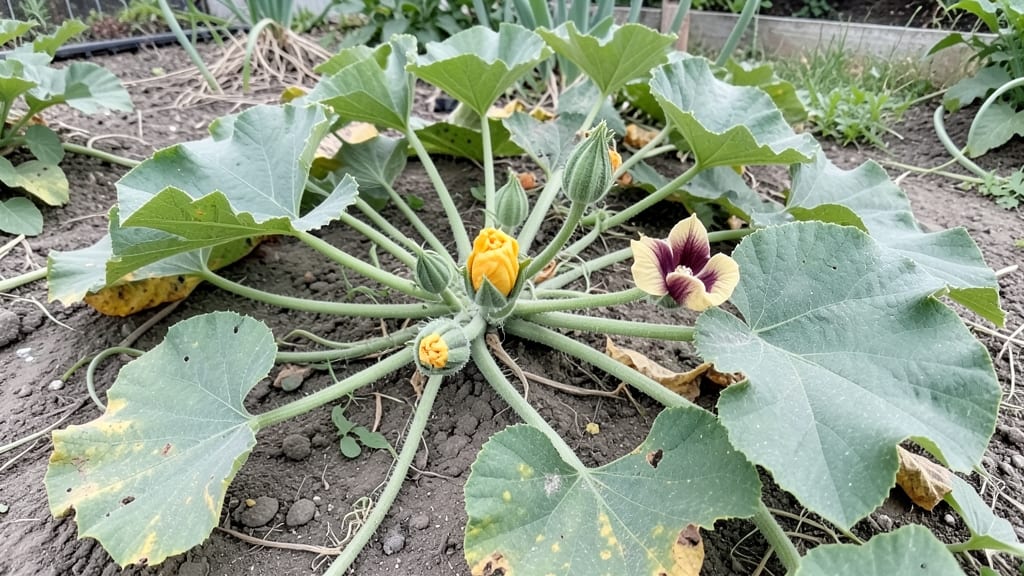
Those delicate pumpkin flower buds are the secret to your harvest—and they’re easier to coax than you think. 🌱 I’ve grown pumpkins in everything from sprawling backyards to tiny balcony containers, and the trick to success starts with understanding how to spot healthy buds, what they need to thrive, and how to avoid the pitfalls that leave you with flowers but no fruit.
The best part? You don’t need acres of space to grow them.
Healthy buds begin with the right conditions: 6+ hours of sunlight daily, soil rich in phosphorus (the "fruit" nutrient), and consistent moisture without soggy roots. Male flowers appear first—they’re long-stemmed with no swelling at the base—while female buds show up later with a tiny pumpkin bump behind the blossom.
Stress from overwatering or nutrient deficiencies turns buds yellow or stunted, so balance is key.
With proper care, you’ll watch those buds swell into vibrant blooms that attract bees and eventually transform into sweet, edible pumpkins or gourds. Prune aggressively to direct energy to fruit-bearing females, hand-pollinate if bees are scarce, and harvest before the first frost.
The payoff? Fresh pumpkin flowers for salads, seeds for roasting, and a garden that keeps giving all season.
This works for bush varieties, vining types, and even container-grown pumpkins—just adjust spacing and support. Let’s turn those buds into a bountiful harvest, no matter how small your garden.
📚 In This Guide
- What you need
- Instructions
- Tips and common mistakes
- Wrapping up and next steps
What you need
- ● Pumpkin seeds (choose heirloom varieties like Cucurbita pepo or Cucurbita moschata for edible buds): Quantity: 3–5 seeds per plant (start with 3 plants for a small harvest)
- ● Specification: Organic, non-GMO seeds (if possible)
- ● Growing containers or garden bed: Option 1: Containers (5-gallon buckets or large pots with drainage holes, minimum 12–18 inches deep)
- ● Option 2: Garden bed (full sun, well-draining soil, 6+ feet in diameter for vining space)
- ● Potting mix or garden soil: Well-draining, rich in organic matter (add compost or aged manure)
- ● For containers: 1 part perlite/sand to improve aeration
- ● Fertilizer: Balanced organic fertilizer (e.g., 5-5-5 or 10-10-10) or compost tea
- ● Slow-release granules (follow package instructions)
- ○ Trellis or sturdy stakes (optional but recommended): Height: 4–6 feet tall to support vines
- ● Material: Wooden stakes, metal cages, or A-frame trellises
- ● Hand trowel (for planting seeds)
- ● Watering can or hose with gentle spray nozzle
- ● Pruning shears (for trimming excess vines or buds)
- ● Gloves (to protect hands from prickly vines)
- ● Sunlight access: 6–8 hours of direct sunlight daily
- ● Water source: Consistent moisture (1–2 inches per week)
- ● Patience! 🌱 Pumpkin buds take 60–90 days to mature.
- ● Mulch (straw or shredded leaves to retain moisture)
- ● Epsom salt (for magnesium boost, 1 tbsp per gallon of water every 2 weeks)
- ● Row covers (to protect young plants from pests)
- ● Food-safe spray (neem oil or insecticidal soap for organic pest control)
- ● Harvesting basket or scissors (for clean cuts)
Step-by-step guide to cultivating edible pumpkin flower buds
Turn your smallest balcony or windowsill into a harvest of delicate, edible blooms with this space-smart approach.
🌱 Step 1: Select Compact Pumpkin Varieties for Small Spaces
Choose bush-type pumpkin varieties like 'Jack Be Little' or 'Wee-B-Little'—they stay under 3 feet tall and produce edible buds without sprawling vines. I always opt for container-friendly types because they mature faster and don’t need the same space as giant pumpkins. Start with 4 plants to ensure you get enough buds for harvesting.
Plant seeds directly in 5-gallon containers filled with well-draining potting mix. The key here is depth—pumpkins need 12-18 inches of root space to support their flowering. I press each seed 1 inch deep and space them 2 inches apart in the same pot, since they’ll self-thin later. Water gently until the soil feels damp but not soggy.
☀️ Step 2: Provide Warmth and Sunlight for Vigorous Growth
Pumpkin buds thrive in full sun (6-8 hours daily), so place containers on a south-facing balcony or under grow lights if indoors. I’ve found that a simple LED grow light on a timer works wonders for indoor setups—just position it 6 inches above the plants and run it for 12-14 hours daily.
Keep soil temperatures above 70°F for best germination. If your space runs cooler, use a seedling heat mat until sprouts appear in 7-10 days. Watch for the first true leaves—they’ll be deep green and slightly lobed, signaling it’s time to reduce watering slightly. Overwatering at this stage can drown tender roots.
💧 Step 3: Encourage Bud Formation with Proper Care
Once plants have 4-5 leaves, feed them with a balanced 10-10-10 fertilizer diluted to half strength. I apply it every 2 weeks to promote flowering without burning the plants. The goal is to coax those delicate buds—look for the small, fuzzy green bumps forming along the vines.
Pinch off the first few male flowers (they have long stems) to redirect energy to the female buds, which appear later near the base of the plant. You’ll know you’re on track when you see yellow blooms opening in 6-8 weeks. Harvest buds when they’re still tightly closed—this ensures the best flavor and texture.
✂️ Step 4: Harvest and Preserve Your Edible Blooms
Pick buds in the morning when they’re firm and closed, using clean scissors to avoid damaging the plant. I always leave a few flowers to bloom and pollinate—this ensures future harvests. Store buds in the fridge for up to 5 days or dry them for later use by tying stems with twine and hanging upside down in a dark, dry place.
For a continuous harvest, prune back any overgrown vines after picking buds. This keeps the plant compact and encourages more flowering. With proper care, one 5-gallon container can yield enough buds for 4 servings throughout the season—perfect for garnishes, salads, or even fritters.
Tips & tricks for perfect pumpkin flower bud cultivation
Here's what I've learned from growing these delicate edible blooms in tight spaces—tricks that'll help you avoid common pitfalls and get the best harvest possible.
Container Depth Matters: The 12-18 inches of root space in your 5-gallon containers is non-negotiable. I've tried shallower pots, and while they might work for a few weeks, the plants struggle to support flowering. If you're using fabric grow bags, make sure they're at least 12 inches deep—this gives roots room to spread and anchor the plant properly.
Lighting is Everything: That 6-8 hours of full sun is crucial, but don't overlook the quality of light. If you're using grow lights, position them just 6 inches above the plants and run them for the full 12-14 hours daily. I've found that LED grow lights with a full spectrum (especially red/blue) produce better results than basic white bulbs. For indoor setups, rotate containers weekly so all sides get even light exposure.
Fertilizing Strategy: When you start fertilizing at the 4-5 leaf stage, use that half-strength 10-10-10 solution—but here's the thing: alternate between feeding and watering only. After each fertilizer application, give the plants a week of plain water to prevent salt buildup. I've seen plants get scorched when people fertilize too frequently without this break.
Harvesting Timing: Those 6-8 weeks until first blooms might seem long, but patience pays off. Harvest buds when they're still tightly closed—this is when they're most tender and flavorful. I like to pick in the morning when they're firmest, and always use clean scissors to avoid damaging the plant. Leave at least 3-4 buds per plant to ensure future harvests, as each bud you pick encourages more to form.
Pro Tips for Pumpkin Flower Buds
- Here's what I've learned from growing these delicate edible blooms in tight spaces—tricks that'll help you avoid common pitfalls and get the best harvest possible.
- Container Depth Matters: The 12-18 inches of root space in your 5-gallon containers is non-negotiable.
- Lighting is Everything: That 6-8 hours of full sun is crucial, but don't overlook the quality of light.
Frequently asked questions
Got questions about growing and enjoying pumpkin flower buds? You’re not alone! Here are answers to the most common queries—from timing to troubleshooting—so you can savor these edible blooms with confidence.
When is the best time to harvest pumpkin flower buds?
Harvest your pumpkin flower buds when they’re just starting to open—typically in the morning for freshness. Look for buds that are firm, vibrant, and about 2–3 inches long. If left unharvested, they’ll bloom into flowers (still edible but less tender). Pro tip: Pick them young for the best flavor and texture!
How long does it take for pumpkin flower buds to grow?
Pumpkin flower buds usually appear 4–6 weeks after planting, depending on your climate and variety. Warmth and sunlight speed up growth, while cooler weather may delay bud formation. Monitor your plants closely—buds can sprout quickly once the vines mature!
Can I eat pumpkin flower buds if they’ve already bloomed?
Yes! While tight buds are the most tender, fully bloomed pumpkin flowers are still edible. The petals and stamens are mild and slightly sweet, perfect for garnishes or infusions. Just remove the center (which can be bitter) before using. Think of them as a bonus harvest!
What should I do if my pumpkin buds aren’t forming?
If your pumpkin plants aren’t producing buds, check these common issues:
- Insufficient sunlight: Pumpkins need 6–8 hours of direct sun daily.
- Poor pollination: Hand-pollinate with a paintbrush if bees aren’t visiting.
- Overcrowding: Give vines 3–5 feet of space to thrive.
- Nutrient deficiency: Feed with compost or a balanced fertilizer.
What’s the best way to store harvested pumpkin flower buds?
Store buds in the fridge for up to 3 days, wrapped in a damp paper towel to retain moisture. For longer storage, blanch and freeze them (like green beans) to preserve texture. Use them fresh in recipes for the best flavor—think tempura, salads, or teas!
Wrapping up and next steps
Growing pumpkin flower buds is a rewarding way to enjoy edible blooms with minimal effort—whether you’re a seasoned gardener or just starting out! These delicate, flavorful treats add a unique twist to meals and drinks, proving that even small spaces can yield big flavors. 🌱
Ready to take the next step? Start by experimenting with a few buds in your garden or even a container—you’ll be savoring their sweet, nutty taste in no time. Happy growing, and may your harvest be as abundant as it is delicious! 🎉