
Flowers
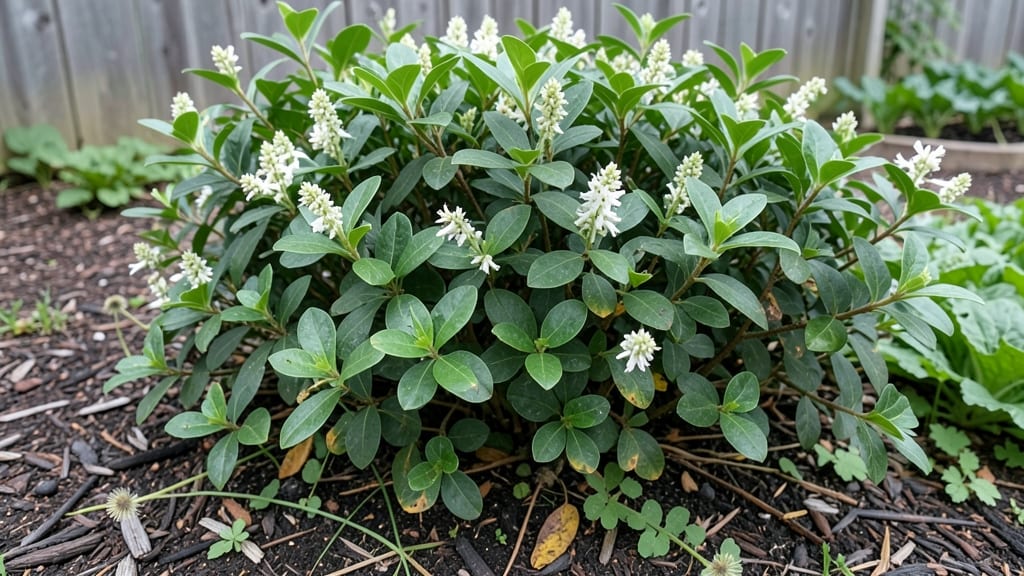
Privet in flower transforms your garden into a fragrant sanctuary where evergreen structure meets delicate, creamy blooms. 🌿 I’ve watched my own privet hedge go from a simple green backdrop to a showstopper—especially when those clusters of tiny white flowers appear in spring, filling the air with a sweet, honey-like scent that lasts for weeks.
The real magic happens when you pair privet with complementary plants. Its glossy foliage plays beautifully against the soft pink of azaleas or the bold purple of lavender, while its height makes it perfect for borders or topiary focal points.
Even in winter, the dark green leaves add texture, so you’re never without interest.
You’ll love how easy it is to highlight those blooms—just trim back overgrown branches in early spring to encourage fresh growth, and watch the flowers pop against the vibrant new leaves. The fragrance alone makes it worth growing, but the year-round elegance seals the deal.
Works equally well in formal hedges, mixed borders, or even as a standalone specimen. Here’s how to make the most of its natural beauty without the fuss.
📚 In This Guide
- What you need
- Instructions
- Tips and common mistakes
- Wrapping up and next steps
What you need
- ● Privet plants: Choose between Ligustrum vulgare (Common Privet), Ligustrum japonicum (Japanese Privet), or Ligustrum × vicaryi (Hybrid Privet). Buy 3–5 healthy nursery-grown plants (1–3 ft tall) for a fuller hedge or border.
- ● Well-draining soil: Test your soil’s pH (ideal range: 6.0–7.0). Amend with compost or organic matter if needed (1–2 bags per planting site).
- ● Mulch: 2–3 inches of wood chips or pine straw to retain moisture and suppress weeds.
- ● Watering can or hose: With a gentle spray nozzle (1–2 gallons capacity) for deep watering.
- ● Fertilizer: Slow-release balanced fertilizer (10-10-10) (1 lb per 100 sq ft) or organic options like fish emulsion.
- ● Garden trowel or spade: For planting and transplanting.
- ● Pruning shears: Bypass pruners (sharp, 6–8 inch blades) for shaping and deadheading.
- ● Gloves: Heavy-duty gardening gloves to protect against thorns (especially on Ligustrum japonicum).
- ● Measuring tape: To space plants 3–6 ft apart (depending on variety and desired hedge height).
- ○ Staking (optional): Bamboo stakes (6–12 inches tall) for young plants in windy areas.
- ● Sunlight: Full sun to partial shade (6+ hours of sunlight daily for best blooms).
- ● Climate zone: Hardy in USDA Zones 5–9 (check your local hardiness zone here).
- ● Spacing: Plan for mature size—privet can grow 10–15 ft tall if unpruned!
- ● Pest control: Monitor for aphids or scale insects; keep a neem oil spray on hand if needed.
- ● ✨ Choose fragrant varieties: Opt for Ligustrum × vicaryi ‘Loddon Pink’ for sweetly scented blooms in spring!
- ● 🌡️ Water deeply but infrequently: Privet is drought-tolerant once established—water 1–2 times per week in dry spells.
- ● 🎯 Prune for shape & fragrance: Trim after flowering to encourage denser, bushier growth and more blooms next season.
How to care for privet when it blooms
Privet’s fragrant flowers transform your garden into a year-round retreat—here’s how to keep it thriving.
🌿 Step 1: Prune for Better Blooms and Shape
Prune your privet in late winter or early spring, just before new growth begins. This timing ensures you don’t cut off next year’s flowers. Use clean, sharp pruners to make cuts at a 45-degree angle, about ¼ inch above a leaf node—this encourages healthy regrowth and more abundant blooms.
Focus on removing dead, diseased, or crossing branches first. Then, shape the plant by trimming back any overgrown sections to maintain its natural form. Privet responds well to pruning, so don’t be afraid to cut back up to ⅓ of the plant if needed. Just avoid heavy pruning in fall, as it can stress the plant before winter.
☀️ Step 2: Provide the Right Light and Soil Conditions
Privet thrives in full sun to partial shade, with at least 4-6 hours of direct sunlight daily. If your plant isn’t blooming as much as you’d like, check its light exposure—too much shade can reduce flowering. If you’re in a hot climate, afternoon shade helps prevent leaf scorch while still allowing enough light for blooms.
The soil should be well-draining but moist, with a slightly acidic to neutral pH (6.0-7.0). Privet tolerates a variety of soil types, but it performs best in loamy, fertile soil. If your soil is heavy clay or very sandy, amend it with 2-3 inches of compost before planting to improve drainage and nutrient retention.
💧 Step 3: Water Consistently During the Growing Season
Water your privet deeply once a week during the growing season, ensuring the top 6 inches of soil stay evenly moist. Overwatering can lead to root rot, while underwatering causes stress and fewer blooms. Check soil moisture by sticking your finger 1-2 inches deep—if it feels dry, it’s time to water.
Once established, privet is drought-tolerant, so reduce watering in late summer and fall to encourage stronger root growth. Mulch around the base with 2-3 inches of organic mulch (like shredded bark or wood chips) to retain moisture and regulate soil temperature. Avoid piling mulch directly against the trunk, though—keep it 2-3 inches away to prevent rot.
✂️ Step 4: Fertilize for Vibrant Blooms and Healthy Growth
Apply a balanced, slow-release fertilizer (like 10-10-10) in early spring, just as new growth begins. Follow the package instructions for application rates—typically, ½ pound per 100 square feet is sufficient. This gives your privet the nutrients it needs for strong stems and abundant flowers.
If your privet isn’t blooming as much as you’d like, switch to a low-nitrogen, high-phosphorus fertilizer (like 5-10-5) in late spring or early summer. Phosphorus encourages flowering, while nitrogen promotes leafy growth. Avoid fertilizing in fall or winter, as privet goes semi-dormant and doesn’t need extra nutrients during this time.
🪴 Step 5: Protect Against Pests and Diseases
Privet is generally low-maintenance, but it can attract aphids, scale, or spider mites, especially if stressed. Inspect the leaves regularly for signs of pests—sticky residue, yellowing leaves, or tiny webs are red flags. If you spot pests, spray the plant with neem oil or insecticidal soap for a natural solution.
Fungal diseases like powdery mildew can also appear in humid conditions. Improve airflow by pruning crowded branches and avoid overhead watering to keep leaves dry. If you notice white powdery spots on the leaves, treat with a fungicide and remove any heavily infected foliage promptly to prevent spread.
Tips & tricks for perfect privet care and blooms
Here's what I've learned from years of keeping privet bushes thriving with stunning year-round fragrance.
Pruning Precision: When you're shaping your privet in late winter or early spring, look for those small buds where leaves meet branches—those are your leaf nodes. Cutting just ¼ inch above these nodes (at a 45-degree angle) makes all the difference in how quickly new growth appears. I always clean my pruners with rubbing alcohol between cuts to prevent spreading disease. The key is patience—don't rush the shaping process, especially if you're cutting back more than ⅓ of the plant.
Light and Soil Secrets: That 4-6 hours of sunlight recommendation isn't just about blooms—it's about the plant's overall health. I've noticed my privet bushes in full sun produce flowers that last nearly twice as long as those in partial shade. For soil, if you're unsure about your pH, grab a simple soil test kit from your garden center. The 6.0-7.0 range is ideal, but privet is forgiving—it'll still bloom at 5.5 or 7.5, though you might need to fertilize more frequently to compensate.
Watering Wisdom: The 1-2 inch deep moisture check is your best friend during the growing season. I've made the mistake of watering based on a schedule rather than soil conditions, and that's when I've seen root rot develop. Pro tip: Water in the morning so leaves have time to dry before nightfall—this prevents fungal issues. And that 2-3 inches of mulch isn't just for looks—it's a natural insulator that keeps roots cool in summer and warm in winter.
Fertilizer Timing: I always mark my calendar for early spring fertilization because that's when privet really wakes up. The ½ pound per 100 square feet guideline is perfect for established bushes, but if you've just planted yours, cut that in half for the first year. For those struggling with blooms, I've had great success with a 5-10-5 fertilizer in late spring—just be prepared for some leafy growth as the plant responds to the phosphorus boost.
Pro Tips for Privet In Flower
- Here's what I've learned from years of keeping privet bushes thriving with stunning year-round fragrance.
- Pruning Precision: When you're shaping your privet in late winter or early spring, look for those small buds where leaves meet branches—those are your leaf nodes.
- Light and Soil Secrets: That 4-6 hours of sunlight recommendation isn't just about blooms—it's about the plant's overall health.
Frequently asked questions
Got questions about growing and enjoying privet in flower? You’re not alone—this fragrant evergreen has plenty of admirers but also a few quirks! Here are answers to the most common queries to help you nurture your own blooming beauty.
When does privet typically bloom, and how long do the flowers last?
Privet usually blooms in late spring to early summer (May–June), though some varieties may produce sporadic flowers in fall. Clusters of small, fragrant white or pale pink flowers last 2–4 weeks per bloom cycle. For year-round fragrance, opt for varieties like Ligustrum × vicaryi, which can rebloom lightly.
Can privet in flower thrive in full shade, or does it need sunlight?
While privet is adaptable, it prefers partial shade to full sun for best flowering and fragrance. In hot climates, afternoon shade protects leaves from scorching. If planted in deep shade, expect fewer blooms but still lush, evergreen foliage. Test your spot: 4–6 hours of sunlight daily is ideal!
Are privet flowers toxic to bees or other pollinators?
Great news! Privet flowers are not toxic to bees, butterflies, or hummingbirds and are a pollinator-friendly choice. Their nectar attracts beneficial insects, making them a low-maintenance addition to wildlife gardens. Just avoid Ligustrum sinense (Chinese privet), which can be invasive in some regions.
How do I prune privet to encourage more flowers?
Prune right after flowering (late summer) to shape the plant and stimulate new growth for next year’s blooms. Use clean, sharp shears to cut back overgrown branches by 1/3. Avoid heavy pruning in spring, as it removes potential flower buds. Pro tip: Fertilize lightly in early spring with balanced 10-10-10 for a fragrant boost!
Why aren’t my privet flowers fragrant this year?
Several factors can dull fragrance: over-fertilizing with high nitrogen (promotes leaves over flowers), poor air circulation (leading to fungal issues), or stress from drought/transplant shock. Try reducing water slightly, spacing plants for airflow, and using a low-nitrogen, high-phosphorus fertilizer (like 5-10-5) to encourage blooms.
What’s a good alternative if I want fragrance but hate privet’s invasiveness?
Consider these non-invasive, fragrant evergreens:
- Daphne (sweetly scented, shade-tolerant)
- Pieris japonica (early spring blooms, lush foliage)
- Abelia (reblooming, heat-resistant)
- Osmanthus (olive-family shrub with citrusy flowers)
Wrapping up and next steps
Watching your privet in flower bloom with its delicate, fragrant blossoms is a rewarding experience that brings nature’s beauty right to your doorstep.
Whether you’re a seasoned gardener or just starting out, this evergreen shrub offers year-round charm and low-maintenance elegance—perfect for adding a touch of sophistication to any landscape. 🌸
Now that you’re equipped with the know-how to care for it, why not take the next step? Share your privet’s blooming journey with fellow plant lovers on social media, or experiment with companion plants to create an even more stunning garden display!
Your green thumb is ready—let’s make your outdoor space shine. 🌿✨