Shrubs
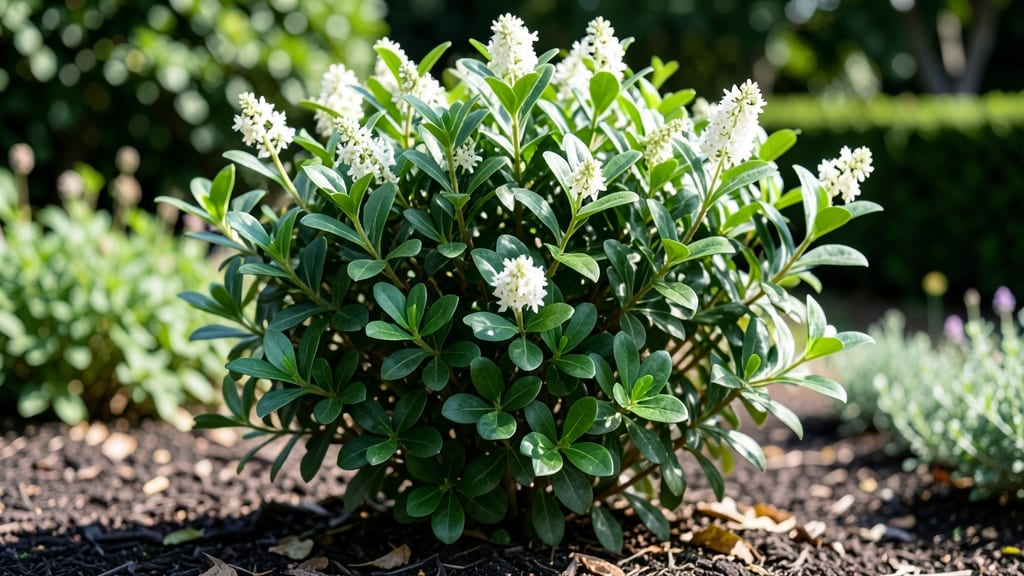
Your privet hedge can burst into fragrant white blooms from spring to fall—if you know how to coax it. ✨ I’ve transformed my once-sparse privet from a boring privacy screen into a fragrant, flowering showpiece, and the secret isn’t complicated: it’s all about timing, light, and a few key pruning tweaks.
The real game-changer? Pruning right after flowering. Most people cut back in late winter, but that removes next year’s blooms. Instead, shape your hedge in early summer when flowers fade—you’ll get a second flush of blooms later in the season.
Pair that with regular watering during dry spells, and you’ll have a hedge that’s both lush and fragrant.
By summer’s end, your hedge won’t just block nosy neighbors—it’ll smell like a spring meadow. The flowers may be small, but they’re packed with fragrance, and bees will love them too. With the right care, your privet becomes the star of the garden, not just the background.
Works for both formal hedges and informal screens, and thrives in full sun to partial shade. Here’s how to keep those blooms coming every season without the guesswork.
📚 In This Guide
- What you need
- Instructions
- Tips and common mistakes
- Wrapping up and next steps
What you need
- ● Privet plants: 10–20 Ligustrum varieties (e.g., Ligustrum × vicaryi or Ligustrum ovalifolium), depending on hedge width (spaced 2–3 ft apart).
- ● Note: Choose disease-resistant cultivars like ‘Vicaryi’ or ‘Golden Privet’ for low-maintenance blooms.
- ● Soil amendments: 5 lbs compost or well-rotted manure per plant (improves drainage and fertility).
- ● 1 lb balanced fertilizer (10-10-10 or 20-20-20) per plant (spring and early summer).
- ● Tools: Garden trowel or spade (for planting).
- ● Pruning shears or hedge trimmer (sharp, bypass-style for clean cuts).
- ● Measuring tape (to ensure even spacing).
- ● Garden hose with nozzle (for watering).
- ● Gloves and knee pads (because comfort matters!).
- ● Mulch: 2–3 inches of pine bark or shredded leaves to retain moisture and suppress weeds.
- ● Epsom salt: 1 tbsp per plant (occasional magnesium boost for vibrant blooms).
- ● Drip irrigation system: For automated watering (lazy gardener’s dream!).
- ● Plant support: Stakes or twine for young hedges in windy areas.
- ● Pest control: Neem oil or insecticidal soap (if aphids or scale creep in).
Step-by-step guide to encouraging privet hedge flowering
Here’s how to coax those fragrant white blooms from your privet hedge—spring through fall.
☀️ Step 1: Ensure Full Sun Exposure
Privet thrives in 6-8 hours of direct sunlight daily, and that’s non-negotiable for flowering. I’ve seen hedges in partial shade produce sparse blooms, while those in full sun burst with fragrant clusters. If your hedge is in a shaded spot, consider transplanting or pruning nearby trees to open up the canopy.
Watch for leaves that look pale or stretched—these are signs your hedge isn’t getting enough light. A south- or west-facing location is ideal, but even east-facing hedges can perform well if they receive morning sun. Avoid deep shade; privet flowers best when basking in full sunlight.
💧 Step 2: Water Deeply and Consistently
Privet hedges need 1-1.5 inches of water per week, either from rain or irrigation. I water mine deeply 2-3 times per week during dry spells, ensuring the soil is moist 6 inches down. A soaker hose or drip irrigation system works best—it delivers water directly to the roots without wetting the foliage, which can invite fungal diseases.
Check moisture by sticking your finger into the soil. If it feels dry to the touch at 2 inches deep, it’s time to water. Overwatering is just as harmful as underwatering; privet roots rot easily in soggy soil. Mulch around the base with 2-3 inches of organic mulch to retain moisture and regulate soil temperature.
✂️ Step 3: Prune Strategically for Flowering
Pruning is where most people go wrong—cutting at the wrong time or too aggressively stunts flowering. I prune my hedge twice a year: once in late winter or early spring before new growth begins and again lightly after flowering in early summer. This timing ensures the hedge has energy to produce blooms.
Use clean, sharp shears to trim back 1/3 of the current season’s growth at each pruning. Avoid heavy pruning in fall or winter, as this can stress the plant and reduce next year’s flowers. Shape the hedge evenly to encourage uniform growth and flowering along the entire length.
🌿 Step 4: Feed for Vibrant Blooms
Privet hedges benefit from balanced, slow-release fertilizer applied in early spring, just as new growth emerges. I use a 10-10-10 or 20-20-20 formula, spreading ½ cup per 10 feet of hedge length. Work the fertilizer into the top 2-3 inches of soil and water deeply to help it dissolve and reach the roots.
Avoid over-fertilizing, especially with high-nitrogen products—these promote leafy growth at the expense of flowers. If your hedge is established (3+ years old), you can reduce feeding to once every 2-3 years. Always water after fertilizing to prevent root burn.
🪴 Step 5: Monitor for Pests and Diseases
Healthy privet hedges rarely have pest issues, but aphids, scale, and spider mites can appear if the plant is stressed. I inspect my hedge weekly during growing season, looking for sticky residue (aphids), white cottony patches (scale), or fine webbing (spider mites). Early detection is key—treat infestations with neem oil or insecticidal soap as soon as you spot them.
Fungal diseases like powdery mildew can also reduce flowering. Improve air circulation by spacing plants 3-4 feet apart and avoiding overhead watering. If you notice white powdery spots on leaves, treat with a fungicide** and prune affected branches immediately to prevent spread.
Tips & tricks for privet hedge flowering
Between us, I’ve watched privet hedges go from sparse blooms to fragrant floral displays—here’s what actually makes the difference.
Sunlight Secret: That 6-8 hours of direct sunlight isn’t just a suggestion—it’s the foundation. I’ve seen hedges in east-facing spots with morning sun only produce half the flowers of their south-facing counterparts. If your hedge is in partial shade, consider pruning nearby trees gradually over a few seasons to give it more light. Trust me, the difference in fragrance is night and day.
Watering Wisdom: The 1-1.5 inches of water per week is about consistency, not quantity. I use a rain gauge to track rainfall and supplement with irrigation during dry spells. The key is keeping that soil moist 6 inches down—think of it like giving your hedge a steady drink rather than occasional gulps. Overwatering is just as bad as underwatering, so always check that 2-inch moisture level before adding more.
Pruning Precision: Timing matters more than you’d think with privet. I prune twice a year—once before new growth in late winter/early spring, and again lightly after flowering in early summer. This two-step approach prevents the hedge from getting over-stressed. When you trim back that 1/3 of current growth, do it evenly all along the hedge to keep the shape balanced. Uneven pruning leads to patchy flowering.
Fertilizer Strategy: That ½ cup of 10-10-10 per 10 feet of hedge? Don’t skimp! I’ve seen people use too much nitrogen-heavy fertilizer and end up with leafy monsters instead of fragrant blooms. For established hedges (3+ years old), you can actually reduce feeding to once every 2-3 years—but only if you’ve been consistent with the right balance. And always water after fertilizing to prevent root burn.
Pro Tips for Privet Hedge Flowering
- Between us, I’ve watched privet hedges go from sparse blooms to fragrant floral displays—here’s what actually makes t...
- Sunlight Secret: That 6-8 hours of direct sunlight isn’t just a suggestion—it’s the foundation. I’ve seen hedges in e...
- Watering Wisdom: The 1-1.5 inches of water per week is about consistency, not quantity. I use a rain gauge to track r...
Frequently asked questions
When do privet hedges flower, and how long does it last?
Privet hedges typically bloom in late spring to early summer, with some varieties offering sporadic blooms into fall. Expect clusters of small, fragrant white or pale pink flowers for 4–6 weeks, though well-maintained hedges may rebloom lightly. Pruning after flowering encourages healthier growth and prolongs the display.
Can I prune my privet hedge during flowering season?
Pruning while in bloom removes flower buds, cutting short the show. Wait until after flowering (late summer) to shape your hedge. For year-round privacy, focus on light trimming in early spring to promote dense foliage. Avoid heavy pruning—it stresses the plant!
Are privet hedge flowers toxic to bees or pets?
The flowers are safe for bees (they’re a great pollinator source!), but all parts of the privet plant are toxic to pets and humans if ingested. Keep pets away from chewed leaves or berries. If you’re concerned, opt for pet-friendly alternatives like boxwood or holly.
Why isn’t my privet hedge flowering this year?
Lack of flowers often stems from poor sunlight, over-pruning, or nutrient deficiencies. Ensure your hedge gets 6+ hours of sun daily and feeds it with balanced fertilizer in early spring. If it’s young (<3 years old), it may still be maturing—patience is key!
What’s a good flowering alternative to privet hedges?
If you want colorful blooms + privacy, consider:
- Abelia – Fragrant flowers + vibrant foliage
- Weigela – Bold pink/red blooms in spring
- Dwarf Lilac – Sweetly scented clusters
- Hydrangea – Large, showy flowers (great for shade)
Wrapping up and next steps
A privet hedge flowering isn’t just a practical privacy solution—it’s a fragrant, year-round beauty that brings life to your landscape. With the right care, your hedge can thrive, offering seasonal blooms, lush greenery, and even wildlife benefits.
Whether you’re a seasoned gardener or just starting, the key is patience, consistency, and a little love.
Ready to transform your space? Start small—plant a single privet shrub or expand your hedge gradually—and watch as it grows into a stunning, fragrant privacy screen. Your future self (and your neighbors!) will thank you! 🌸🌿