Planting
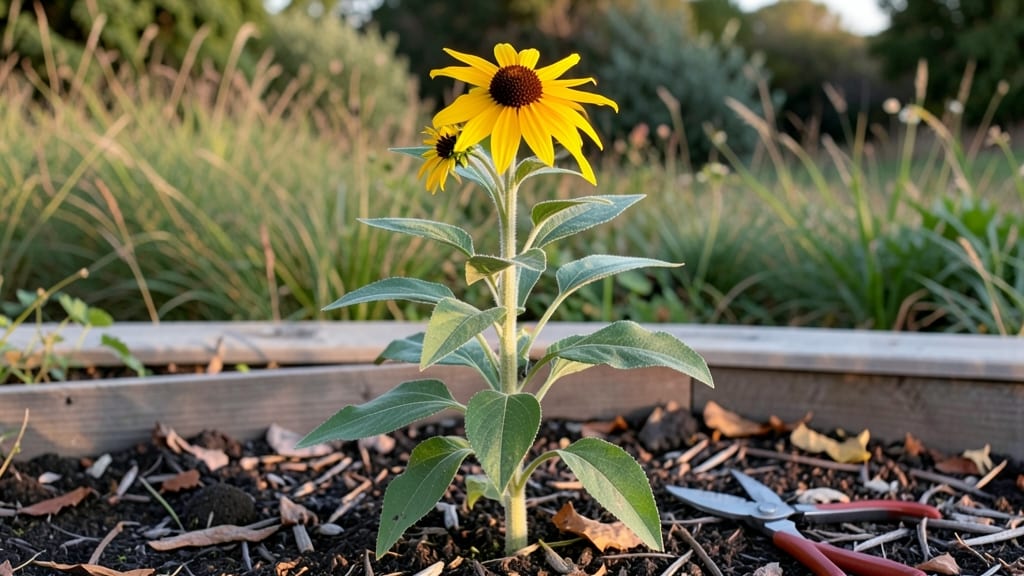
Growing a plant with yellow flowers can turn your garden into a sunlit oasis that brightens every season. 🌻 I’ve grown everything from towering sunflowers to delicate coreopsis, and the secret to their vibrant blooms isn’t complicated—it’s about matching the right plant to your sunlight, soil, and patience.
Some thrive in scorching summer heat, while others prefer cooler springs or autumns, so choosing wisely makes all the difference.
The best yellow bloomers—like marigolds, black-eyed Susans, and coreopsis—ask for simple care: well-draining soil, 6+ hours of sun daily, and watering that keeps roots moist but never soggy. Prune spent blooms regularly, and you’ll trigger nonstop reblooming all season long.
Even my first attempt with sunflowers produced 6-foot stems by midsummer, proving how rewarding these plants can be when given the basics.
You’ll love the way these flowers attract pollinators while adding cheerful pops of color to borders, containers, or cutting gardens. The key is starting with healthy plants—whether from seed or nursery—and sticking to a consistent routine.
Once established, they’ll reward you with bold, sun-drenched blooms that last from early summer through fall.
Works for beginner gardeners and seasoned growers alike, whether you’re filling a sunny patch, brightening a balcony, or adding height to a mixed border. Let’s get those yellow blooms growing!
📚 In This Guide
- What you need
- Instructions
- Tips and common mistakes
- Wrapping up and next steps
What you need
- ● Seeds or seedlings: Choose your favorite yellow-flowering plant (e.g., Tagetes, Rudbeckia, or Coreopsis). Start with 5–10 seeds or 3–5 seedlings for a vibrant display.
- ● Well-draining potting mix: 5–10 gallons, depending on pot size. Opt for a blend with perlite or compost (e.g., 60% garden soil, 30% perlite, 10% compost).
- ● Containers or garden bed: For pots: 5–7-inch diameter containers with drainage holes (1 per plant).
- ● For garden beds: Ensure 6+ hours of sunlight and loose, fertile soil.
- ● Watering can or hose: With a gentle spray nozzle for even moisture.
- ● Fertilizer: Balanced 10-10-10 or organic compost tea (apply every 4–6 weeks).
- ● Garden gloves (to protect hands from thorns or soil).
- ● Trowel or transplanting spade (for digging and relocating seedlings).
- ● Mulch (e.g., straw or shredded bark) to retain moisture and suppress weeds.
- ● Pruning shears (for trimming dead blooms and encouraging new growth).
- ● pH test kit (ideal soil pH: 6.0–7.0 for most yellow flowers).
- ● Sunlight: Full sun (6+ hours/day) for most varieties (e.g., marigolds, coreopsis). Black-eyed Susans tolerate partial shade.
- ● Temperature: Plant after the last frost (50°F/10°C minimum soil temp for seeds).
- ● Patience: Germination takes 7–21 days, depending on the plant!
Step-by-step instructions for cultivating vibrant yellow flowers
Here’s the foolproof method I’ve used to coax brilliant yellow blooms from seed to full season—no matter your climate.
🌱 Step 1: Select the Right Variety for Your Climate
Yellow flowers thrive in full sun but vary wildly in hardiness. For cool seasons, Black-Eyed Susan or Goldenrod handle frost well, while Marigolds or Coreopsis prefer warmer climates. I always check the USDA zone range on the seed packet—planting outside those limits guarantees weak stems and sparse blooms.
If you’re starting from seed, begin indoors 8-12 weeks before last frost for annuals like Sunflowers or Zinnias. Perennials like Daylilies can go straight into the ground in early spring, but wait until soil warms to 60°F—cold roots slow germination.
🪴 Step 2: Prepare Soil and Plant at the Right Depth
Amend your soil with 2-3 inches of compost mixed into the top 6 inches—yellow flowers need loose, well-draining soil to prevent root rot. I test drainage by digging a hole, filling it with water, and watching how fast it drains. If it pools after 30 minutes, add sand or perlite to improve aeration.
Sow seeds ¼ inch deep for small varieties like Calendula or ½ inch deep for larger seeds like Sunflowers. Space rows 12-18 inches apart—crowding leads to leggy stems and fewer blooms. Water gently after planting, but don’t oversaturate; yellow flower seeds rot if smothered.
☀️ Step 3: Provide Consistent Sun and Water
Most yellow flowers demand 6+ hours of direct sunlight daily. If your garden gets afternoon shade, opt for Rudbeckia or Blanket Flower, which tolerate partial shade better than Marigolds or Zinnias. I always stake taller varieties like Sunflowers early—waiting until they lean wastes time and risks breakage.
Water deeply 2-3 times per week once established, but adjust for rain. Yellow flowers wilt dramatically when thirsty, but soggy soil invites fungal diseases. Check soil 1 inch below the surface—if it’s dry, water; if damp, wait. Mulch with 2 inches of straw to retain moisture and deter weeds.
✂️ Step 4: Deadhead and Fertilize for Continuous Blooms
Snip spent blooms just above the next set of leaves to encourage new flowers. I use clean pruners and sterilize them with rubbing alcohol between cuts—this prevents spreading disease from old stems. For perennials like Daylilies, cut back ¼ of the foliage in early spring to stimulate fresh growth.
Feed every 4-6 weeks with a balanced 10-10-10 fertilizer during the growing season. Yellow flowers respond well to fish emulsion for extra phosphorus, which boosts bloom production. Avoid high-nitrogen fertilizers—they produce lush leaves but few flowers.
⏰ Step 5: Overwinter Perennials Properly
For perennials like Black-Eyed Susan or Goldenrod, cut back stems to 2 inches in late fall and mulch with 4-6 inches of straw. This protects roots from freezing and insulates against temperature swings. I label perennial beds so I don’t accidentally dig them up in spring—yellow flowers often send up new shoots early, and I’ve mistaken them for weeds!
Annuals like Marigolds or Zinnias die back with frost, but you can save seeds from healthy plants. Let a few flowers mature completely, then harvest seeds in dry paper bags. Store them in a cool, dark place until next season—properly dried seeds stay viable for 2-3 years.
Tips & tricks for perfect yellow flower cultivation
These game-changing tips will help you cultivate vibrant yellow blooms that stand out in any garden—no matter your growing conditions.
Variety Selection Insight: The 8-12 week indoor starting window for annuals like Sunflowers or Zinnias is non-negotiable if you want robust plants by summer. I've learned the hard way that rushing this process leads to leggy, weak seedlings that struggle to flower. For perennials like Daylilies, that 60°F soil temperature threshold is your green light—cold roots literally stall germination until conditions improve. Use a soil thermometer if you're unsure; it's the only way to get this right every time.
Soil Preparation Technique: The 30-minute drainage test is your best friend when preparing soil for yellow flowers. If water pools after 30 minutes, you're dealing with compacted soil that will strangle roots. I always mix in 2-3 inches of compost into the top 6 inches—this creates the perfect loose, well-draining environment these flowers crave. For heavy clay soils, consider building raised beds where you have complete control over drainage.
Planting Depth Strategy: Those ¼ inch and ½ inch depth guidelines aren't arbitrary—they ensure proper seed-to-soil contact while preventing burial that can suffocate seeds. For larger seeds like Sunflowers, press them gently into the soil rather than covering with more than ½ inch. I've found that using a small ruler marked with these measurements makes planting a breeze and ensures consistency across your entire garden.
Watering Wisdom: The 2-3 times per week watering schedule only applies once plants are established. New seedlings need daily moisture to prevent wilting, but be careful—soggy soil is just as deadly as dry soil. I check moisture by sticking my finger 1 inch below the surface; if it's dry, water deeply until it runs out the bottom of the pot. This encourages deep root growth that supports those vibrant yellow blooms we're all after.
Pro Tips for Plant Yellow Flower
- These game-changing tips will help you cultivate vibrant yellow blooms that stand out in any garden—no matter your gr...
- Variety Selection Insight: The 8-12 week indoor starting window for annuals like Sunflowers or Zinnias is non-negotia...
- Soil Preparation Technique: The 30-minute drainage test is your best friend when preparing soil for yellow flowers. I...
Frequently asked questions
Got questions about nurturing your plant with yellow flowers? You’re not alone! Here are some of the most common queries—and their simple solutions—to help you grow a vibrant, blooming beauty.
What’s the best sunlight for a yellow-flowering plant?
Most yellow-flowering plants, like Marigolds or Coreopsis, thrive in full sun (6+ hours daily). However, varieties like Calendula or Rudbeckia tolerate partial shade (4–6 hours). Always check your plant’s tag—overlooking light needs is a fast track to droopy blooms!
How often should I water my yellow-flowering plant?
Watering depends on your climate, but aim for 1–1.5 inches per week. Let the top inch of soil dry out between waterings to prevent root rot. Dahlias and Sunflowers love deep soaks, while Pansies prefer consistent moisture. Morning watering is ideal—it reduces fungal risks and keeps blooms dry.
Why are my yellow flowers wilting or dropping?
Wilting or dropped blooms often signal underwatering, overwatering, or stress. Check the soil moisture first—if it’s bone-dry or soggy, adjust your routine. Heat stress or pests (like aphids) can also cause drooping. Trim affected stems and boost care with mulch or shade cloth if needed.
Can I grow yellow flowers in containers?
Compact varieties like Dwarf Marigolds or Potted Calendula thrive in containers. Use a well-draining mix with 20% perlite, and choose pots with drainage holes. Rotate containers weekly for even sunlight exposure. Just ensure your container is at least 12 inches deep for root growth.
What’s a low-maintenance yellow flower for beginners?
Start with Black-Eyed Susans (Rudbeckia) or Zinnias—they’re drought-tolerant, pest-resistant, and bloom nonstop with minimal fuss. Coreopsis is another winner: it spreads easily and loves poor soil. All three attract pollinators and add cheerful pops of color with almost zero effort!
Do yellow flowers come back every year?
It depends! Perennials like Dahlias or Daylilies return yearly, but annuals (e.g., Marigolds) need replanting. For perennials, cut back dead foliage in fall and mulch to protect roots. Annuals? Save seeds or buy fresh plants each spring for a fresh burst of yellow!
Wrapping up and next steps
Growing plant yellow flower varieties is a rewarding journey that brings vibrant color and life to your garden year-round! Whether you’re drawn to cheerful marigolds, delicate coreopsis, or bold sunflowers, these sun-loving blooms thrive with the right care—and you’ve got all the tools to make it happen. 🌻
Now that you’re equipped with the knowledge, roll up your sleeves and get planting! Start small with a single pot or bed, experiment with different yellow varieties, and watch your garden transform into a cheerful haven. Happy growing—your future blooms are waiting! 🌱