Companion Plants
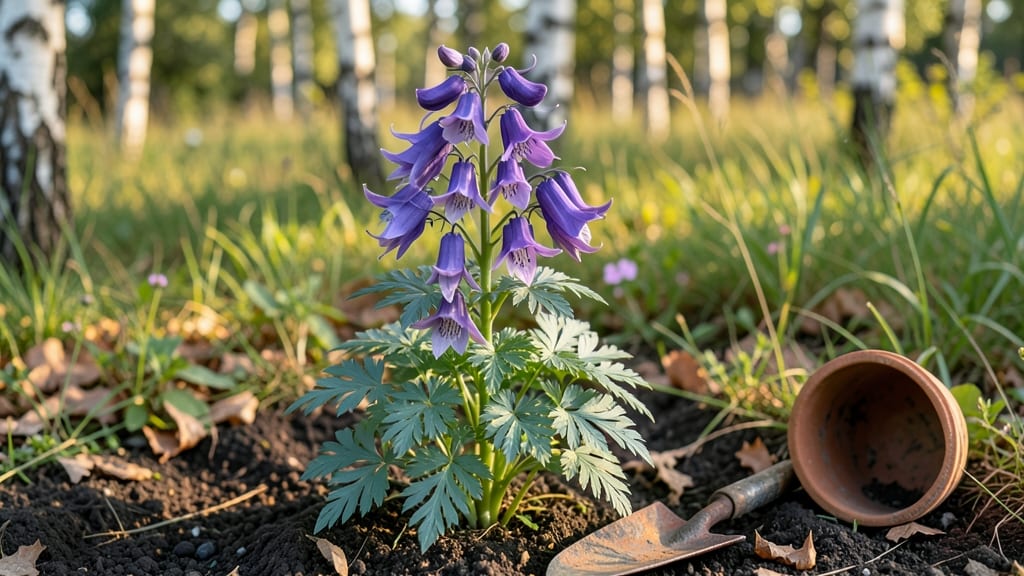
Growing columbine flower plants means welcoming hummingbirds, bees, and butterflies into your garden with their delicate, nodding blooms. 🌿 I learned the hard way that these perennials thrive with minimal fuss—just the right spot, some patience, and a light touch when it comes to pruning.
Their spiky, bell-shaped flowers appear in late spring to early summer, and once established, they multiply like crazy, creating natural drifts that look like they belong in a storybook.
The secret to happy columbines starts with well-draining soil and partial shade—morning sun with afternoon relief works best in hotter climates. They’re drought-tolerant once rooted, but young plants need consistent moisture to prevent those pretty blooms from wilting.
Plant them in fall or early spring for the best start, and resist the urge to overcrowd them; they spread slowly but steadily, forming clumps over time.
By midsummer, your garden will buzz with activity as pollinators dive into the tubular flowers, and you’ll have cut flowers that last for days in a vase. The foliage stays attractive even after blooming, adding texture to your garden long after the flowers fade.
Just snip spent blooms to encourage more flowers and keep the plants tidy—no heavy pruning needed.
They pair beautifully with other shade-loving perennials like astilbes and ferns, or even in woodland gardens where they’ll naturalize over time. Once you’ve got a few plants, you’ll never want to dig them up—though you might need to share with neighbors who see how well they thrive in your garden.
📚 In This Guide
- What you need
- Instructions
- Tips and common mistakes
- Wrapping up and next steps
What you need
- ● Columbine seeds or seedlings: Choose native varieties (e.g., Aquilegia canadensis or Aquilegia formosa) for local pollinators. 10–20 seeds for a small patch or 3–5 seedlings for quick blooms.
- ● Well-draining potting mix or garden soil: 3–5 gallons per plant (or 1 cubic yard for bulk planting). Amend with compost (20–30%) for nutrients.
- ○ Organic fertilizer (optional but recommended): Balanced 10-10-10 or bone meal (5–10 lbs per 100 sq ft) for phosphorus-rich blooms.
- ● Mulch: 2–3 inches of shredded bark or straw to retain moisture and suppress weeds.
- ● Garden trowel or transplant spade (for digging holes 6–12 inches deep).
- ● Watering can or hose with a gentle spray nozzle (columbines hate soggy roots!).
- ● Pruning shears (for deadheading spent blooms and shaping plants).
- ○ Gloves (optional but handy for handling thorny stems).
- ● Sunlight: Partial shade to full sun (6+ hours/day in cooler climates; afternoon shade in hot regions).
- ● Water source: Consistent moisture (especially for seedlings), but avoid waterlogging.
- ● Pollinator-friendly location: Plant near bee balm, lavender, or milkweed to attract hummingbirds and butterflies! 🐝
- ● Time commitment: 10–15 minutes/day for watering and maintenance during the growing season.
- ● 🌡️ Best planting time: Early spring (March–April) or fall (September–October) in mild climates.
- ● ✨ Soil pH: Slightly acidic to neutral (6.0–7.0)—test your soil if unsure!
- ● 🎯 Container gardening? Use 5–7 inch pots with drainage holes for patio columbines.
Step-by-Step guide to planting and caring for columbine flower plants
These delicate beauties thrive with minimal fuss—just follow my straightforward approach.
🌱 Step 1: Choose the Right Location and Prepare the Soil
Columbine flowers love partial shade, so pick a spot that gets 3-5 hours of morning sun followed by afternoon shade. They tolerate full shade in hotter climates but may produce fewer blooms. Avoid heavy, compacted soil—they prefer well-draining, slightly rocky ground that mimics their natural woodland habitat.
If your soil is dense, mix in 1-2 inches of coarse sand or grit to improve drainage. Columbine roots are shallow but spread wide, so dig a hole that's twice as wide as the root ball but only as deep as the container it came in. This prevents burying the crown too deep, which can cause rot.
🪴 Step 2: Plant Columbine Seeds or Transplants Correctly
For seeds, scatter them lightly on the soil surface since they need light to germinate—don't bury them. Press them in gently with your fingers, then cover with a thin layer of fine mulch or sand (no more than ¼ inch). Water lightly to settle the soil without displacing seeds. Germination can take 2-4 weeks, so be patient.
For transplants, remove the plant from its container and loosen any circling roots. Place it in the hole so the top of the root ball sits just below soil level. Fill around it with native soil, pressing gently to eliminate air pockets. Water deeply right after planting to help roots establish contact with the soil.
💧 Step 3: Water and Mulch for Optimal Growth
Columbine plants are drought-tolerant once established, but young plants need consistent moisture. Water 1-2 times per week during the first growing season, keeping the soil evenly moist but never soggy. You'll know it's right when the top 1-2 inches of soil feel slightly damp to the touch.
Apply a 2-inch layer of organic mulch around the base, keeping it 3 inches away from the stem to prevent rot. Mulch helps retain moisture, regulates soil temperature, and suppresses weeds. Replenish mulch annually in early spring to maintain its protective benefits.
☀️ Step 4: Provide Light and Support for Healthy Blooms
Columbine flowers need bright, indirect light to produce their signature nodding blooms. If grown in full sun, their leaves may scorch, so provide afternoon shade during peak summer months. You'll notice healthier foliage and more abundant blooms when plants receive morning sun and afternoon shade.
These plants are self-supporting but may need occasional staking if they grow taller than 18-24 inches. Use slender stakes or place them near a fence where they can lean naturally. Deadhead spent blooms to encourage continuous flowering throughout the summer. Just pinch off the faded flowers with your fingers—no tools needed.
✂️ Step 5: Divide and Maintain for Long-Term Beauty
Columbine plants can live for years with minimal care, but they benefit from division every 3-4 years to prevent overcrowding. Dig up the entire clump in early spring or fall, then separate it into smaller sections with a clean knife. Each section should have 3-5 stems and a portion of the root system.
Replant the divisions immediately in prepared soil, water thoroughly, and apply a light layer of mulch. You'll see vigorous new growth within 2-3 weeks, signaling the plant is re-establishing itself. This simple step keeps your columbine blooming abundantly for seasons to come.
Tips & tricks for perfect columbine flower plant care
A few simple tricks will help your columbine plants thrive and reward you with stunning summer blooms.
Soil Preparation Secret: When amending dense soil with 1-2 inches of coarse sand or grit in Step 1, don't overdo it—columbine roots prefer a slightly rocky texture, not sandy soil. Mix the amendment into the top 6 inches of soil to ensure proper drainage throughout the root zone. I always test drainage by digging a small hole, filling it with water, and checking if it drains within 30 minutes—if not, add more grit.
Seed Germination Hack: In Step 2, after scattering seeds and covering with ¼ inch of mulch or sand, place a clear plastic dome or plastic wrap over the area to create a mini greenhouse effect. This maintains consistent moisture and can speed up germination from the standard 2-4 weeks to as little as 10-14 days. Remove the cover once seedlings appear to prevent mold.
Watering Wisdom: The 1-2 times per week watering guideline in Step 3 works best when done in the morning. Water deeply enough to moisten the soil 2-3 inches down—this encourages deep root growth. I check moisture by inserting my finger into the soil; if it feels dry at 1-2 inches deep, it's time to water. Overwatering is the most common mistake with columbine plants.
Light Management Tip: For the 3-5 hours of morning sun recommendation in Step 1, I suggest using a simple shade cloth (30-50% block) if your garden gets intense morning sun. This prevents leaf scorch while still allowing the light columbine needs for flowering. In hot climates, afternoon shade is more critical—even dappled shade from trees works perfectly.
Pro Tips for Columbine Flower Plants
- A few simple tricks will help your columbine plants thrive and reward you with stunning summer blooms.
- Soil Preparation Secret: When amending dense soil with 1-2 inches of coarse sand or grit in Step 1, don't overdo it—c...
- Seed Germination Hack: In Step 2, after scattering seeds and covering with ¼ inch of mulch or sand, place a clear pla...
Frequently asked questions
Got questions about growing and caring for columbine flower plants? You’re not alone! Here are some of the most common queries—plus quick, practical answers to help you cultivate a thriving pollinator-friendly garden.
How do I encourage columbines to rebloom after the first flush of flowers?
Columbines often produce one main bloom cycle, but you can extend their season by deadheading spent flowers (snip just above the next set of leaves). For repeat blooms, fertilize lightly with a balanced, water-soluble fertilizer after the first flush. Pro tip: Plant in partial shade to prevent stress from intense afternoon sun, which can shorten their lifespan.
When is the best time to plant columbine seeds or seedlings?
For seeds, sow them outdoors in early fall (6–8 weeks before your first frost) or in spring as soon as the soil is workable. Columbines thrive when cold-stratified, so fall planting mimics their natural cycle. Seedlings can be planted in early spring or fall, ensuring they have at least 6–8 weeks to establish roots before winter.
Why are my columbine leaves turning yellow or spotted?
Yellowing leaves often signal overwatering or fungal issues. Ensure well-draining soil and water at the base (avoid wetting foliage). Spots or holes? Slugs or aphids might be the culprits—handpick pests or use organic sprays like neem oil. Troubleshoot: Improve airflow by spacing plants 12–18 inches apart.
Yes! Columbines adapt well to containers with 5+ gallons of space and drainage holes. Use a light, well-draining mix (like 60% potting soil + 30% perlite + 10% compost). Place pots in partial shade and water when the top inch of soil dries. Bonus: Pair them with catmint or lavender for a pollinator powerhouse combo! If columbines seem finicky, try these pollinator magnets:
Can columbines grow in containers, and what’s the best setup?
What are some low-maintenance alternatives to columbines for pollinators?
All are perennials, so they’ll return year after year!
Wrapping up and next steps
Growing columbine flower plants is a rewarding way to attract pollinators, brighten your garden, and enjoy fragrant summer blooms! 🌸 Whether you’re a seasoned gardener or just starting, these versatile plants thrive with minimal fuss—just provide well-drained soil, partial shade, and a little patience.
Their unique charm and ecological benefits make them a must-have for any garden.
Ready to transform your outdoor space? Start by selecting your favorite columbine varieties and plant them this season. Watch as your garden becomes a buzzing haven for bees, hummingbirds, and butterflies—nature’s way of saying thank you! 🐝