
Pruning
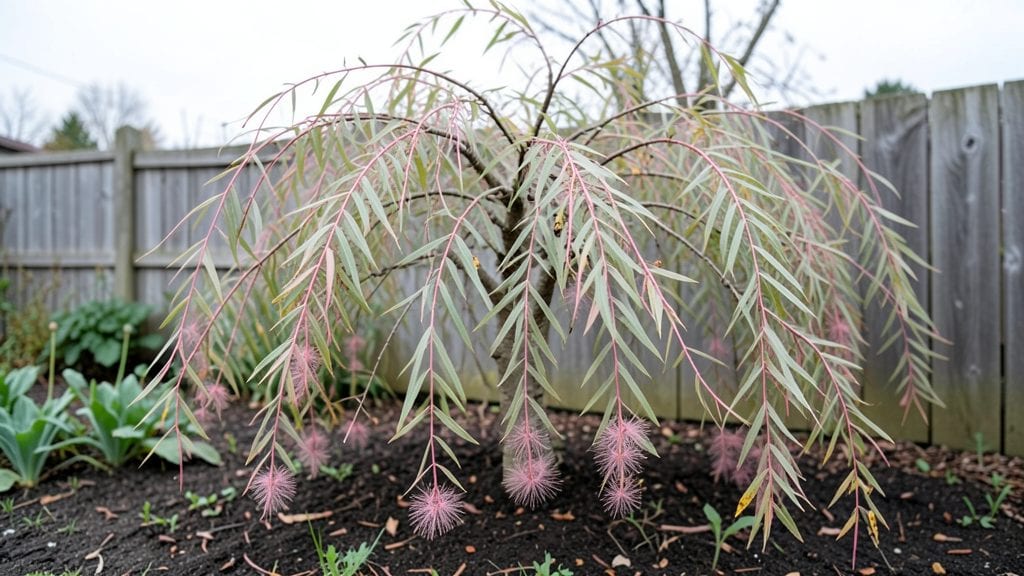
The pink-flowering willow tree (Salix integra 'Flame') turns any garden into a dreamy pink cloud. Its cascading pink blooms in spring are like nature’s own waterfall, drawing hummingbirds and bees while filling the air with a sweet, honeyed scent.
This isn’t just a tree—it’s a living centerpiece that transforms even the smallest yard into a pollinator paradise.
Placing it near a patio or garden entrance creates instant curb appeal, while its graceful, arching branches work beautifully as a border or focal point. Pair it with lavender for a fragrant hedge, or let it spill over a retaining wall for a soft, romantic edge.
The tree’s delicate foliage stays lush all season, offering year-round texture even after the blooms fade.
For maximum impact, prune lightly after flowering to encourage bushier growth—just a few strategic cuts keeps its natural, airy shape. The result? A tree that looks effortlessly elegant while buzzing with life.
Whether you’re designing a cottage garden or a modern landscape, this willow adds a touch of whimsy and movement that’s impossible to resist.
Works equally well in containers for small spaces or as a standalone specimen in larger gardens. The secret to its charm? It thrives with minimal fuss, making it the perfect low-maintenance star for any outdoor design.
📚 In This Guide
- What you need
- Instructions
- Tips and common mistakes
- Wrapping up and next steps
What you need
- ● Pruning shears: Bypass pruners (sharp, clean, and sterilized to prevent disease) – 1 pair (for small branches).
- ● Loppers: Heavy-duty, 24–32-inch (for medium branches up to 2 inches thick) – 1 pair.
- ○ Pruning saw: Curved-tooth saw for branches 2+ inches thick – 1 (optional but helpful for thick willow branches).
- ● Gloves: Heavy-duty, cut-resistant (willow branches can be thorny!) – 1 pair.
- ● Disinfectant: 70% isopropyl alcohol or bleach solution (1:9 ratio) (to sterilize tools between cuts).
- ○ Pruning sealant: Tree wound paint (optional, for cuts larger than ½ inch).
- ● Ladder or step stool: Sturdy, extension ladder (16+ ft) if your tree is tall (safety first!).
- ● Trash bags or bucket: For collecting pruned branches – 2–3 large bags.
- ● Hand saw: For stubborn, thick branches that won’t yield to loppers.
- ● Pole pruner: Extendable tool for high branches (avoids ladder use).
- ● Work apron: With pockets to keep tools handy.
- ● Safety goggles: Protects eyes from debris (especially if sawing).
- ● Notebook & pen: To sketch a pruning map of your tree’s structure.
Step-by-Step instructions for planting a pink flower willow tree
Planting a pink flower willow tree transforms any landscape into a fragrant, buzzing haven for pollinators.
Choose the Perfect Planting Location
Pink flower willow thrives near water sources—streams, ponds, or even moist garden beds—but never in standing water. The ideal spot gets full sun to partial shade, with at least 6 hours of sunlight daily. I always check the soil first: dig a hole and feel for moisture. If it stays damp for a few hours, it’s perfect.
Willows spread aggressively, so plant at least 20 feet away from structures, driveways, or sidewalks. The roots will eventually reach far, and you don’t want them cracking foundations or lifting paving stones. If space is tight, consider a dwarf variety, but expect it to still grow 15-25 feet wide over time.
Prepare the Soil and Dig the Planting Hole
Willows tolerate a wide range of soil types, but they grow best in moist, well-draining soil. If your soil is heavy clay, mix in 2-3 inches of compost to improve drainage and fertility. Avoid amending with sand—it can make the soil too dry and stress the roots.
Dig a hole twice as wide as the root ball and just as deep. Gently loosen the roots if they’re circling tightly—this prevents girdling as the tree matures. Place the tree in the hole so the top of the root ball sits 1-2 inches above ground level. Willows hate having their roots buried too deep, which can lead to rot.
Plant and Water Thoroughly
Backfill the hole with native soil, pressing gently to remove air pockets but not compacting too firmly. Water deeply right away—5 gallons at planting—to settle the soil and encourage root contact. The soil should feel moist 6 inches down after watering.
Mulch around the base with 2-3 inches of organic mulch, keeping it 6 inches away from the trunk to prevent rot. Mulch retains moisture and suppresses weeds, but avoid piling it against the bark. Water again lightly to help the mulch settle and stay in place.
Provide Ongoing Care for Healthy Growth
Young willows need consistent moisture, especially in their first growing season. Water once a week if rainfall is light, aiming for 1-2 inches of water per week. You’ll know it’s enough when the top 6 inches of soil stay damp but not soggy. Overwatering can suffocate roots, while underwatering stresses the tree.
Fertilize lightly in early spring with a balanced, slow-release fertilizer (10-10-10 ratio). Willows grow fast but don’t need heavy feeding. Too much fertilizer can lead to weak, leggy growth. Prune in late winter or early spring to shape the tree and remove any dead or crossing branches. Always use clean, sharp pruners to make clean cuts just above a bud.
Encourage Pollinators and Enjoy the Blooms
The pink flower willow’s fragrant blooms appear in early spring, attracting bees, butterflies, and hummingbirds. To maximize pollinator visits, avoid pesticides—willows rely on these visitors for fruit production. If you notice yellowing leaves, it’s often a sign of overwatering or nutrient deficiency, not disease.
In autumn, the foliage turns golden-yellow, adding seasonal interest. Prune lightly after leaf drop to maintain shape and remove any weak growth. With proper care, your willow will thrive for decades, providing shade, beauty, and a lifeline for local pollinators.
Tips & tricks for planting a pink flower willow tree
Planting a pink flower willow tree is a rewarding project that brings color and life to your landscape, but there are a few key tricks to ensure your tree thrives from the start.
These insights will help you avoid common mistakes and set your willow up for decades of beauty and pollinator support.
Location is Everything: The 6 hours of daily sunlight mentioned in Step 1 is non-negotiable for vibrant blooms and healthy growth. If your yard has areas with less sun, consider planting near a south-facing wall or fence that reflects sunlight. I’ve seen willows planted in partial shade still thrive, but they’ll produce fewer flowers and grow more slowly. Also, avoid planting near septic systems—the roots can cause damage over time.
Soil Preparation Matters: When amending heavy clay soil with 2-3 inches of compost in Step 2, mix it thoroughly into the native soil, not just layer it on top. This ensures even moisture distribution and prevents compaction. If your soil is sandy, you can add a bit of peat moss to help retain moisture without risking the dryness issues that sand alone can cause. The goal is to mimic the moist, well-draining conditions willows love near natural water sources.
Watering Wisdom: The 5 gallons of water you use at planting in Step 3 should be a deep soak, not just a quick sprinkle. After planting, check the moisture level 6 inches down by inserting your finger—it should feel like a wrung-out sponge. If it’s dry, add more water. During the first growing season, I recommend using a soaker hose set to deliver 1-2 inches of water per week, as mentioned in Step 4. This method ensures water goes directly to the roots without wetting the leaves, reducing the risk of fungal diseases.
Pruning for Pollinators: When pruning in late winter or early spring, as noted in Step 4, focus on removing branches that cross or rub against each other. These create wounds that can invite pests. Also, avoid pruning in fall—this can stimulate new growth that won’t harden off before winter, making the tree more susceptible to cold damage. Always use clean, sharp pruners to make cuts just above a bud, which encourages healthy regrowth and supports the tree’s natural shape.
Pro Tips for Pink Flower Willow Tree
- Planting a pink flower willow tree is a rewarding project that brings color and life to your landscape, but there are a few key tricks to ensure your tree thrives from the start.
- Location is Everything: The 6 hours of daily sunlight mentioned in Step 1 is non-negotiable for vibrant blooms and healthy growth.
- Soil Preparation Matters: When amending heavy clay soil with 2-3 inches of compost in Step 2, mix it thoroughly into the native soil, not just layer it on top.
Frequently asked questions
Got questions about nurturing your pink flower willow tree? You’re not alone! Here are answers to the most common queries—from planting to pruning—so you can keep your fragrant pollinator haven thriving.
When is the best time to plant a pink flower willow tree?
The ideal time to plant is early spring (just as new leaves emerge) or fall (6 weeks before your first frost). This gives roots time to establish before extreme heat or cold. Avoid planting in summer—young trees struggle with drought stress. If you’re in a mild climate, fall is perfect!
How often should I prune my pink willow tree?
Prune once a year in late winter or early spring (before buds swell) to shape the tree and encourage dense blooms. Remove dead, crossing, or overcrowded branches first. Avoid heavy pruning—willows resprout vigorously but may lose their elegant form if over-pruned.
Why aren’t my pink willow flowers attracting pollinators?
Pollinators love willows, but if yours is quiet, check these fixes:
- Timing: Blooms peak in spring—ensure you’re planting at the right season.
- Location: Place it in full sun (6+ hours/day) for abundant flowers.
- Water: Keep soil moist but not soggy—drought stress reduces blooms.
- Pesticides: Avoid chemicals; willows rely on native bees and butterflies!
Can pink flower willows survive in cold climates?
Yes! Most varieties (like Salix caprea ‘Pendula’) tolerate USDA Zones 3–8. In harsh winters, mulch the base with 3–4 inches of organic mulch (like wood chips) to protect roots. Young trees may need winter wrapping in Zone 3 for extra insulation.
What’s a good alternative if my willow tree isn’t thriving?
If your willow struggles with wet soil, pests, or weak growth, consider these pollinator-friendly alternatives:
Tree
Why It Works
Crabapple (Malus spp.)
Drought-tolerant, spring blooms, and attracts bees.
Serviceberry (Amelanchier)
Edible berries, pink flowers, and shade-tolerant.
Redbud (Cercis canadensis)
Fast-growing, early spring pink blooms, and low-maintenance.
Pro Tip:
For extra fragrance, plant your pink willow near a bee balm (Monarda) or lavender. The combined scents create a pollinator paradise!
Wrapping up and next steps
The pink flower willow tree isn’t just a stunning addition to your garden—it’s a pollinator paradise, offering fragrant blooms and year-round beauty with minimal effort. With the right tools and techniques, pruning becomes a breeze, ensuring your tree thrives for seasons to come. 🌸
Ready to transform your outdoor space? Start by observing your tree’s growth and scheduling your first pruning session—whether it’s late winter or early spring. Your garden (and the bees!) will thank you.