
Pruning
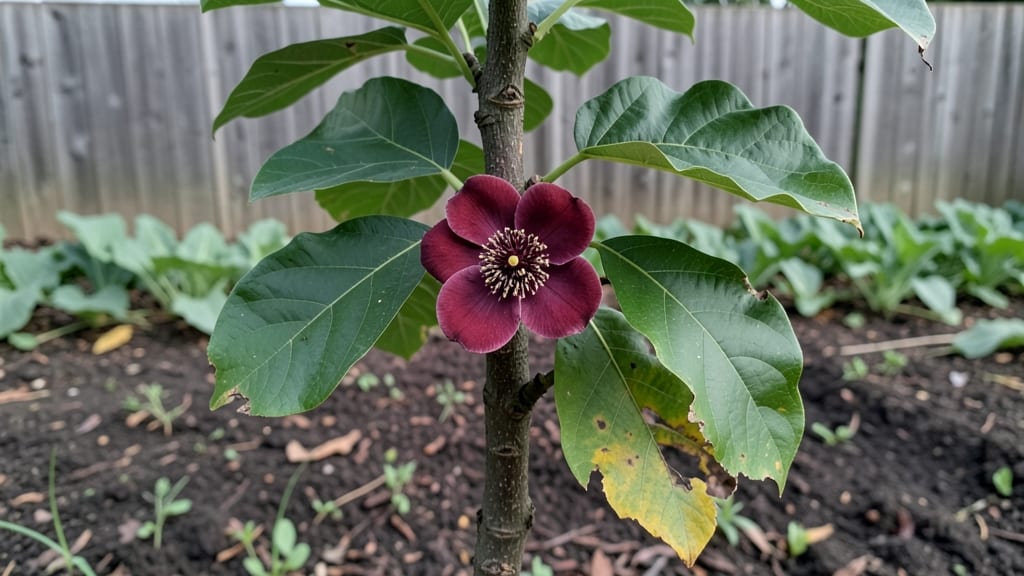
The pawpaw tree flower transforms your yard into a fragrant springtime wonderland with its maroon-and-green blooms that hum with pollinators. 🌿 I’ve watched these delicate, banana-scented flowers turn a shady corner into a magnet for bees and butterflies—something most trees can’t compete with.
The secret? Understanding how to nurture them through proper pruning, soil care, and timing.
Those striking flowers don’t just smell amazing—they’re the lifeblood of your pawpaw’s fruit production. The tree’s blooming window is short (late spring to early summer), so encouraging strong, healthy flowers means planning ahead.
Start with well-draining soil rich in organic matter, and prune strategically in late winter to open the canopy for better light penetration.
With the right care, you’ll see clusters of those unique, tropical-looking flowers return year after year, leading to sweet, custard-like fruit by fall. The key is balancing pruning to maintain airflow while preserving the tree’s natural shape—no drastic cuts needed.
Even in partial shade, these flowers thrive when given the right support.
Once you master the flowering cycle, you’ll unlock pawpaw’s full potential—from pollinator-friendly blooms to homegrown fruit. The tree rewards patience, and the process becomes second nature after your first successful harvest. Ready to turn those blossoms into bounty?
📚 In This Guide
- What you need
- Instructions
- Tips and common mistakes
- Wrapping up and next steps
What you need
- ● Pruning shears: Bypass pruners (sharp, 6–8" blades) for small branches (1/4"–3/4" diameter). Pro tip: Choose bypass-style over anvil pruners to avoid crushing branches.
- ● Loppers: 1 pair (18–24" blades) for medium branches (3/4"–2" diameter). Look for ratcheting loppers for extra leverage.
- ● Pruning saw: 1 handheld saw (8–10" blade) for thick branches (2"–4" diameter). A bow saw or pruning saw with a curved blade works best.
- ● Gloves: 1 pair of cut-resistant, breathable gloves (gardening or pruning-specific) to protect hands from thorns and sap.
- ● Disinfectant: 70% isopropyl alcohol or a pruning sealant (e.g., tree wound dressing) to sterilize tools and prevent disease spread.
- ● Ladder or step stool: Adjustable height (6–10 ft) for reaching higher branches safely. ⚠️ Safety first: Use a stable, 3-legged ladder and avoid overreaching.
- ● Heavy-duty trash bags: 2–3 bags (13-gallon size) for collecting pruned branches and debris.
- ○ Sharpie or masking tape: For marking branches to remove (optional but helpful for planning).
- ● Pruning rope: 50–100 ft of nylon or polyester rope (1/4" diameter) to support heavy branches or guide growth.
- ● Extension pole: For loppers or pruners (10–12 ft) to avoid ladder use.
- ● Work gloves with wrist straps: Extra protection for longer sessions.
- ● Safety glasses: To shield eyes from debris.
- ● Notebook & pen: For tracking pruning notes (e.g., branch sizes, dates, growth patterns).
- ● Tree growth regulator: (e.g., dormant oil or copper fungicide) to treat cuts and promote healing.
- ● Weather check: Prune on a dry, cloudy day (avoid windy or rainy conditions). Early morning or late afternoon is ideal.
- ● Tool sharpening: Ensure all blades are razor-sharp before starting. Dull tools cause tearing, which stresses the tree.
- ● Tree health assessment: Inspect the pawpaw tree for diseased, dead, or pest-infested branches before pruning. 💡 Pro tip: Look for discolored leaves, holes, or sawdust-like frass (signs of borers).
- ● Clear workspace: Remove rocks, tools, or obstacles from the pruning area to avoid trips or injuries.
How to encourage year-round pawpaw tree blooms
Strategic pruning transforms pawpaw trees into reliable bloomers—here’s how to keep flowers coming.
🪴 Step 1: Prune in Late Winter for Spring Blooms
Use sharp bypass pruners to remove dead, diseased, or crossing branches first. Pawpaws bloom on new wood, so avoid heavy cuts that remove flower buds. Focus on opening the canopy to improve airflow—this reduces fungal issues that can kill blooms before they open.
Look for branches with swollen buds along the stems; these are next year’s flowers. Cut just above a bud that faces outward to encourage an open growth habit. I prune in February when the tree is dormant but before new growth begins. This timing ensures flowers appear by April or May.
☀️ Step 2: Thin Canopy for Summer Flower Maintenance
After spring blooms fade, assess the tree’s density. Pawpaws need sunlight to produce flowers, so remove any branches that block light from reaching the center. I target branches growing inward or rubbing against others—these compete for resources and often produce fewer blooms.
Use hand pruners to make clean cuts at a 45-degree angle, about ¼ inch above a bud. Avoid leaving stubs, which invite disease. Thin to 15-20% of the canopy—this keeps the tree healthy without stressing it. You’ll see more flowers in late summer if the tree isn’t overcrowded.
✂️ Step 3: Light Pruning in Fall to Stimulate Winter Flowers
Pawpaws can produce a second flush of blooms if given the right signal. In October or November, remove only sucker growth (vigorous shoots at the base) and any dead branches. Avoid heavy pruning—this stresses the tree and reduces winter blooms.
Focus on shaping the tree to maintain an open center. I prune just enough to let light reach the lower branches, where many winter flowers appear. If your tree is young, skip this step entirely—focus on establishing strong structure first. You’ll spot small green buds forming by December if conditions are right.
💧 Step 4: Water and Fertilize for Consistent Blooms
Pawpaws need deep watering every 10-14 days during dry spells to support flower production. Water at the base, avoiding the canopy to prevent fungal diseases. I use a soaker hose for 15-20 minutes per session—this mimics natural rainfall and encourages deep root growth.
Apply a balanced 10-10-10 fertilizer in early spring and again after summer blooms fade. Follow package rates—over-fertilizing leads to lush foliage but fewer flowers. You’ll notice more blooms if the tree stays consistently moist but never soggy.
Tips & tricks for perfect pawpaw tree blooms
These simple strategies will help you coax the most flowers from your pawpaw tree year after year.
Timing is Everything: The February pruning window in Step 1 is critical for spring blooms. If you miss this timing, don't worry—just focus on maintaining the tree's health. I've found that pruning too early (January) can expose buds to cold snaps, while waiting until March risks removing new growth. Look for the first signs of bud swelling as your cue to prune.
Visual Cues for Flower Buds: When identifying flower buds in Step 1, look for small, rounded swellings along the branches—these are next year's blooms. They'll appear slightly larger than leaf buds and have a smoother surface. In Step 3, those tiny green buds appearing in December are your winter blooms forming! This visual check helps you prune with precision without removing potential flowers.
Pruning Technique Matters: The 45-degree angle cuts in Step 2 aren't just about aesthetics—they help water run off the branch, reducing fungal diseases that can kill blooms. Always cut just above a bud facing outward to encourage an open growth habit. I've learned the hard way that leaving stubs creates perfect entry points for infections, so take your time with clean cuts. This attention to detail makes all the difference in flower production.
Seasonal Watering Strategy: The 15-20 minute soaker hose sessions in Step 4 should deliver water slowly to the base, not the leaves. I've seen trees with beautiful blooms ruined by fungal infections from overhead watering. Aim for deep, infrequent watering—this encourages strong root development that supports more flowers. You'll notice healthier foliage and more blooms when you maintain this consistent moisture level.
Pro Tips for Pawpaw Tree Flower
- These simple strategies will help you coax the most flowers from your pawpaw tree year after year.
- Timing is Everything: The February pruning window in Step 1 is critical for spring blooms.
- Visual Cues for Flower Buds: When identifying flower buds in Step 1, look for small, rounded swellings along the branches—these are next year's blooms.
Frequently asked questions
Got questions about pawpaw tree flowers? You’re not alone! Here are some of the most common inquiries—plus quick, practical answers to keep your tree thriving.
When do pawpaw tree flowers bloom, and how long do they last?
Pawpaw flowers typically bloom in late spring to early summer (May–June in most regions), just before the leaves fully unfurl. Each flower lasts 1–3 days, but the tree produces waves of blooms over 2–3 weeks. For year-round interest, strategic pruning can encourage secondary flowering in fall.
Why aren’t my pawpaw tree flowers opening, even though buds are forming?
Bud failure often stems from temperature stress (late frosts or heatwaves) or poor pollination. Pawpaws need humidity and warm days (70°F+) to open. If buds drop, check for:
- Frost damage: Prune damaged buds early in the season.
- Pollinator shortage: Hand-pollinate with a soft brush if bees are scarce.
- Water stress: Deep-water trees weekly during bud formation.
Can I prune pawpaw flowers off to encourage more fruit later?
Yes! Selective pruning of early flowers can redirect energy to fruit production. Focus on:
- Thin crowded clusters to improve air circulation.
- Prioritize flowers on mature wood (3+ years old) for better fruit set.
- Avoid heavy pruning in fall—save it for dormant seasons (late winter).
Are there pawpaw tree alternatives with easier flowers or fruit?
If pawpaws seem high-maintenance, consider these low-fuss alternatives with showy flowers or edible fruit:
- Serviceberry (Amelanchier): White spring blooms + edible berries.
- Loquat (Eriobotrya japonica): Fragrant winter flowers + tropical fruit.
- Peach/Peach-Leaf Willow (Gevuina avellana): Ornamental AND edible (if you’re patient!).
What pests or diseases attack pawpaw flowers, and how do I stop them?
Watch for:
- Pawpaw bud moths: Tiny larvae burrow into buds. Solution: Prune infested buds in late winter before moths emerge.
- Powdery mildew: White fungal coating on buds. Solution: Spray with neem oil or improve airflow.
- Japanese beetles: Skewer flowers. Solution: Handpick or use milky spore treatment.
Wrapping up and next steps
Discovering the beauty of pawpaw tree flowers is a rewarding journey—especially when you unlock their year-round potential with thoughtful pruning! By understanding the right techniques, timing, and tools, you can transform your tree into a stunning, low-maintenance centerpiece that thrives season after season. 🌿✨
Now that you’re equipped with the knowledge, roll up your sleeves and get pruning! Start small—even a single branch can make a difference—and watch your pawpaw tree flourish. Happy gardening! 🌸💚