
Pruning
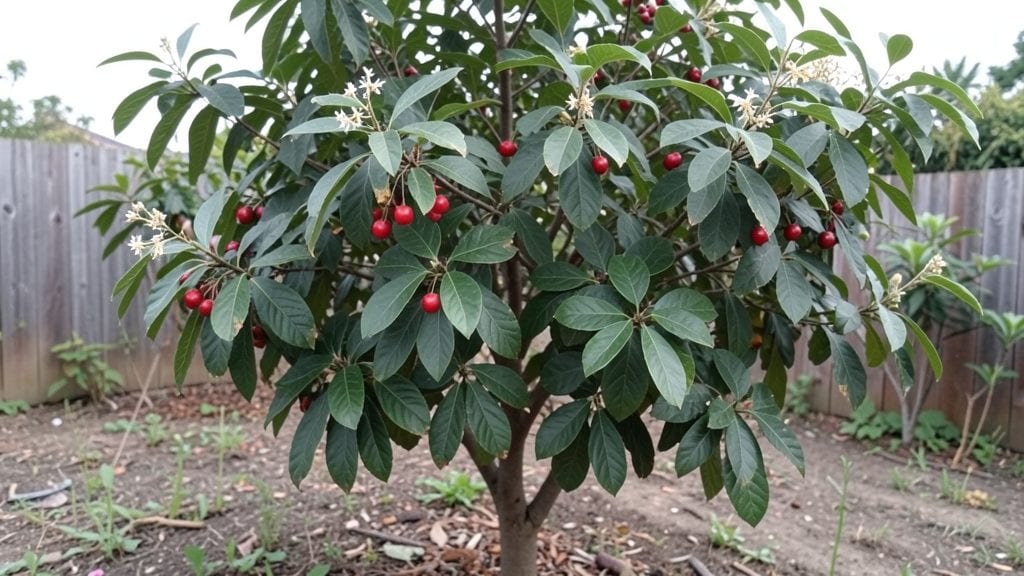
The Brazilian pepper tree flower transforms your yard into a fragrant cloud of pinkish-white blooms—if you prune it right. ✨ I’ve seen these trees go from scraggly to showstopping in just one season by following a simple pruning rhythm, and the key is understanding when to cut for maximum flowering.
These trees bloom best when they get 6+ hours of sunlight daily and aren’t overcrowded. The flowers appear in spring and summer, but consistent pruning keeps them producing all year.
You’ll need sharp pruners, a ladder (for taller branches), and a plan to shape the tree while encouraging new growth at the tips—where the flowers form.
With the right cuts, you’ll end up with a tree covered in clusters of tiny, fragrant blooms that attract bees and hummingbirds. The berries that follow are edible (though bitter raw), and the tree’s glossy foliage stays vibrant even in heat.
Just be warned—this one spreads aggressively in warm climates, so keep it contained if you’re not in a controlled landscape.
Whether you’re trimming for shape or encouraging more flowers, the same principles apply. Let’s get those blooms going strong—without turning your yard into an invasive jungle.
📚 In This Guide
- What you need
- Instructions
- Tips and common mistakes
- Wrapping up and next steps
What you need
- ● Pruning shears: Sharp, bypass-style shears (4–6 inches) for small branches.
- ● Loppers: Heavy-duty bypass or anvil loppers (8–12 inches) for thicker branches (½–1.5 inches).
- ● Pruning saw: Curved-tooth saw for branches ≥1.5 inches in diameter.
- ● Gloves: Leather or heavy-duty gardening gloves (thorn-resistant if your tree has them!).
- ● Disinfectant: 70% isopropyl alcohol or rubbing alcohol (for sterilizing tools between cuts).
- ○ Pruning sealant (optional): Tree wound sealant (only for large cuts >2 inches).
- ● Ladder or step stool: Sturdy, extension ladder (if tree exceeds 6 feet).
- ● Trash bags or bucket: For collecting pruned branches (3–5 gallon size).
- ● Weather check: Prune on a dry, overcast day (avoid midday heat or wind).
- ● Safety glasses: Protect your eyes from debris.
- ● Long sleeves/pants: Lightweight, breathable fabric to guard against thorns or sap.
- ● First-aid kit: Bandages, antiseptic wipes (just in case!).
- ○ Water hose (optional): For rinsing tools post-pruning.
Step-by-step pruning blueprint for Brazilian pepper tree flowers
Here's how to transform your tree into a blooming powerhouse with strategic cuts and seasonal timing.
✂️ Step 1: Identify and Remove Dead or Diseased Wood
Start your pruning with a thorough inspection of the tree. Look for branches that are brown, brittle, or showing signs of disease—these won't produce vibrant blooms and can spread problems to healthy growth. Use sharp, clean pruning shears to make your cuts just outside the branch collar, where the branch meets the trunk. This ensures a clean wound that heals faster and reduces the risk of infection.
I always prune these branches first because they’re the easiest to spot and remove. Think of it like giving your tree a fresh start—you’re clearing out the clutter so energy can focus on new, healthy growth. If you’re unsure whether a branch is dead, scratch the bark with your fingernail. Healthy wood will have a greenish layer underneath, while dead wood will be dry and papery.
✂️ Step 2: Thin the Canopy for Better Airflow and Light
Brazilian pepper trees thrive when they receive plenty of sunlight and airflow, both of which are essential for vibrant blooms. Focus on thinning out the canopy by removing about 20-30% of the interior branches. This isn’t about cutting back length—it’s about creating space between branches so light can penetrate to the inner parts of the tree. Use your pruning shears to make angled cuts just above a bud or lateral branch.
Real talk: This step can feel counterintuitive because you’re essentially "opening up" the tree, but trust me—it encourages denser, healthier growth on the remaining branches. You’ll see new shoots emerge from the areas where you’ve thinned out, and those will be the spots where your flowers will shine brightest. Avoid cutting more than one-third of the canopy in a single session, as this can stress the tree.
✂️ Step 3: Shape the Tree for Optimal Bloom Display
Now it’s time to shape the tree to highlight its natural form while encouraging an abundance of flowers. Brazilian pepper trees respond well to a more natural, open shape rather than a tight, formal look. Start by removing any branches that are growing inward or crossing over others—these compete for sunlight and can rub against each other, creating wounds. Cut these back to a lateral branch or bud that’s growing outward.
I like to step back every few cuts to visualize the tree’s shape. The goal is to create a balanced silhouette where light can reach all parts of the canopy. For a more dramatic display of flowers, you can also prune to encourage a slightly rounded or vase-like shape, which is ideal for showcasing blooms. Avoid heavy pruning at the tips of branches, as this can reduce flowering potential.
⏰ Step 4: Time Your Pruning for Seasonal Blooms
The best time to prune your Brazilian pepper tree for vibrant blooms is late winter or early spring, just as new growth begins to emerge. This timing ensures that the tree has plenty of time to recover and produce new shoots before the flowering season. If you notice any overgrowth or unruly branches during the growing season, you can do light pruning to maintain shape, but avoid heavy cuts that could stress the tree.
Here’s the thing—Brazilian pepper trees can bloom year-round in warm climates, but they produce the most vibrant and abundant flowers when pruned correctly in the off-season. After your late winter pruning, keep an eye out for new growth and buds. Within 6-8 weeks, you should see fresh shoots and, eventually, clusters of bright flowers. If you live in a cooler climate, prune in early spring to give the tree enough time to establish new growth before summer heat sets in.
💧 Step 5: Post-Pruning Care for Stronger Growth
After pruning, give your Brazilian pepper tree a little extra care to help it recover and encourage strong, healthy growth. Water the tree deeply right after pruning to help it absorb nutrients and reduce stress. Avoid fertilizing immediately, as this can encourage soft, new growth that’s more susceptible to damage. Instead, wait 4-6 weeks and then apply a balanced, slow-release fertilizer to support new growth and flowering.
Keep an eye on the tree in the weeks following pruning. You’ll notice new shoots emerging from the areas where you made cuts—these are your tree’s way of telling you it’s healing and preparing for a burst of growth. If you see any signs of stress, like yellowing leaves or wilting, adjust your watering or provide some shade until the tree stabilizes. With the right care, your Brazilian pepper tree will reward you with a stunning display of vibrant blooms all year long.
Tips & tricks for perfect Brazilian pepper tree pruning
A few strategic adjustments can transform your pruning from routine maintenance to a bloom-boosting masterpiece. Here's what I've learned after years of working with these vibrant trees.
Tool Prep is Non-Negotiable: Before you make a single cut, sterilize your pruning shears with rubbing alcohol. I've seen too many cases where old tools introduced fungal infections that ruined entire branches. Sharp tools also make cleaner cuts that heal faster—dull blades tear wood, creating larger wounds that take longer to recover. For larger branches over 1 inch thick, use a pruning saw with a fine-toothed blade to avoid crushing the wood.
Visualize the Sunlight Path: In Step 2, when thinning the canopy by 20-30%, I recommend marking your cuts with a piece of chalk before making them. This helps you visualize how light will penetrate after pruning. Focus on removing branches that cast shade on other parts of the tree. The goal is to create an open, airy structure where sunlight can reach all branches—this is what triggers those vibrant blooms. Think of it like designing a sculpture where every branch gets equal exposure.
Seasonal Timing Secrets: The late winter/early spring window mentioned in Step 4 is critical because it coincides with the tree's natural dormancy period. In warmer climates, you can do a second light pruning in late summer to encourage another round of blooms before winter. Just remember to avoid heavy cuts during flowering season—this is when the tree is already diverting energy to produce those stunning flowers. If you live in a cooler climate, wait until after the last frost before your spring pruning.
Post-Pruning Observation System: After your cuts, establish a simple observation routine: check the tree weekly for the first 6-8 weeks. Look for new growth emerging from the branch collars—this is your tree's way of telling you it's healing well. If you notice any yellowing leaves or wilting, it's often a sign of over-pruning or stress. In this case, provide some afternoon shade and adjust your watering schedule to deeper, less frequent waterings. The key is to let the tree tell you what it needs through its growth patterns.
Pro Tips for Brazilian Pepper Tree Flower
- A few strategic adjustments can transform your pruning from routine maintenance to a bloom-boosting masterpiece.
- Tool Prep is Non-Negotiable: Before you make a single cut, sterilize your pruning shears with rubbing alcohol.
- Visualize the Sunlight Path: In Step 2, when thinning the canopy by 20-30%, I recommend marking your cuts with a piece of chalk before making them.
Frequently asked questions
about Brazilian pepper tree flowers—because even the most vibrant blooms come with a few common curiosities! Here’s what you need to know to keep your tree thriving.When do Brazilian pepper tree flowers bloom?
The Schinus terebinthifolius typically blooms in late spring to early summer (May–July in most U.S. regions), producing small, fragrant white flowers. However, with proper pruning (like the techniques in this guide), you can encourage secondary blooms in fall or even winter!
Can I prune my Brazilian pepper tree while it’s flowering?
Yes, but strategically! Light pruning to shape the tree or remove dead branches won’t harm blooms. Avoid heavy cuts during peak flowering (May–June) to preserve energy for fruit production. Post-bloom (July–August) is ideal for major pruning to stimulate new growth and future flowers.
What if my Brazilian pepper tree isn’t flowering?
Lack of flowers could stem from over-pruning, poor sunlight (needs 6+ hours of sun daily), or nutrient deficiencies. Try fertilizing with a balanced 10-10-10 formula in early spring and ensure it’s planted in well-draining soil. If it’s young (<3 years), be patient—mature trees (10+ years) bloom more reliably!
Are Brazilian pepper tree flowers toxic to pets or humans?
While the flowers themselves aren’t highly toxic, the tree’s berries and sap can cause mild stomach upset in pets (especially dogs) if ingested. Keep pets away from chewing branches, and wash hands after handling. Humans generally have no adverse reactions, but avoid burning branches indoors—smoke can irritate lungs.
What’s a good alternative if I want a non-invasive flowering tree?
If Brazilian pepper’s invasiveness is a concern, consider native alternatives like the Texas Ebony (Ebenopsis ebano) or Mexican Sycamore (Platanus mexicana). Both produce beautiful flowers, support local wildlife, and stay contained. For a fragrant option, Cape May Magnolia (Magnolia virginiana) is a stellar choice!
Wrapping up and next steps
The Brazilian pepper tree flower is a stunning addition to any landscape, and with the right pruning techniques, you can enjoy its vibrant blooms year-round! 🌸 By following this blueprint—using the proper tools, timing, and methods—you’ll keep your tree healthy, encourage lush growth, and maintain its natural beauty.
Now that you’re armed with knowledge, grab your pruners and get ready to transform your garden into a flourishing paradise! Start with a single branch or section, and soon, your Brazilian pepper tree will be thriving with nonstop color.