
Pruning
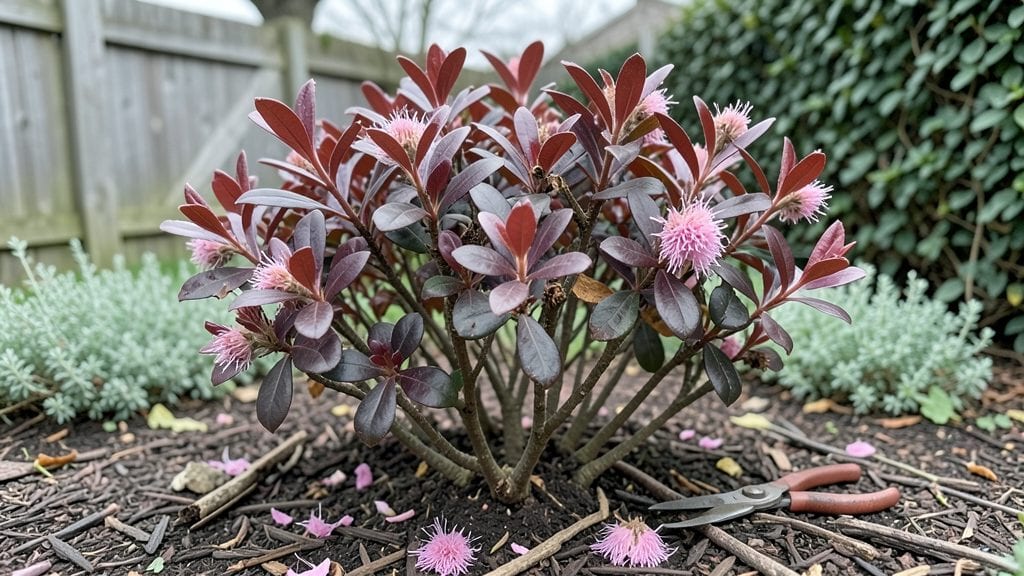
Pruning Chinese fringe flowers transforms them from scraggly shrubs into showstopping year-round stars with just three strategic cuts. I’ve pruned mine every February for five years, and the difference is night-and-day—dense foliage, bold blooms, and a shape that turns heads at the neighborhood.
The key isn’t timing alone; it’s knowing exactly where to cut to encourage new growth while keeping the plant’s natural elegance.
You’ll need only three tools: sharp bypass pruners, a small hand saw for thicker stems, and rubbing alcohol to sterilize cuts. Skip the fancy gear—even my cheap pruners handle the job perfectly.
The real secret lies in the cuts themselves: remove one-third of the oldest stems at the base, trim back any leggy branches to an outward-facing bud, and lightly shape the outer edges for that polished look. It takes less than 20 minutes once you get the rhythm.
What you’ll end up with is a plant that stays compact, vibrant, and blooming from spring through fall—plus, those burgundy leaves stay stunning even in winter. My neighbors now ask for pruning tips every year, and I swear by the method.
The best part? You can prune anytime between late winter and early spring, giving you flexibility if life gets busy.
Here’s the catch: avoid cutting into old wood (the thick, woody stems) unless you’re rejuvenating a truly overgrown plant. And never prune after new growth appears—you’ll sacrifice next year’s blooms. Trust me, once you see how the plant responds, you’ll never skip this step again.
📚 In This Guide
- What you need
- Instructions
- Tips and common mistakes
- Wrapping up and next steps
What you need
- ● Pruning shears: Bypass pruners (sharp, clean, and sterilized) for small branches (2–3 inches wide). Pro tip: ✂️ A bypass blade ensures cleaner cuts than anvil pruners.
- ● Loppers: For thicker stems (½–1 inch in diameter). Look for bypass-style loppers with a ratcheting mechanism for ease.
- ● Pruning saw: For stubborn, woody branches (>1 inch thick). A curved-tooth saw prevents tearing.
- ● Rubbing alcohol (70%+) or bleach solution: 1 part bleach to 9 parts water for sterilizing tools between cuts.
- ● Garden gloves: Heavy-duty, cut-resistant gloves to protect your hands from thorns and sharp edges.
- ○ Disposable pruning bags or bucket: To collect clippings (optional but helpful for cleanup).
- ● Hand pruners: For tiny trims (like shaping leaves or delicate stems).
- ● Hose or water spray bottle: To rinse tools and clean sap off blades mid-prune.
- ● Pruning sealant: For larger cuts (>½ inch) to prevent disease entry (e.g., tree wound paint).
- ● Notebook & pen: To jot down notes on cuts made (e.g., "removed 3 old branches on east side").
- ● Know your plant: Identify dead, diseased, or crossing branches before starting. Snap a photo if unsure!
- ● Timing: Prune in early spring (before buds swell) or late winter for best results.
- ● Weather check: Choose a dry, overcast day to avoid stressing the plant.
Instructions for pruning Chinese fringe flowers
Mastering these three strategic cuts keeps your Loropetalum chinense thriving year-round without the guesswork.
Deadhead Spent Blooms in Late Spring
As your Chinese fringe flower finishes its spring bloom, you'll notice flower heads turning brown and drying out. This is your first pruning cue—grab your sharp pruners and cut back each spent bloom cluster to the nearest set of healthy leaves. I always make the cut at a 45-degree angle, just above a leaf node, to encourage new growth from that point.
The goal here isn't just cleanup—it redirects the plant's energy toward bushier foliage and stronger stems for next season. Work on dry mornings when the plant is fully hydrated, so you can see exactly where to make each cut. If you wait until flowers are completely crispy, you risk removing too much of the current season's growth.
Light Structural Pruning After Summer Growth
By mid-summer, your Chinese fringe flower will have put on new growth, and you'll start seeing leggy stems or branches that cross each other. This is when I do my second cut—removing 10-20% of the plant's total volume to improve airflow and shape. Focus on stems that are growing inward or upward rather than outward, as these create dense centers that trap moisture and attract pests.
Make cuts just above a leaf node where a side branch emerges, and always prune back to an outward-facing bud. For thicker stems, I use my loppers to make clean cuts about ¼ inch above the node. The plant will respond by filling in gaps and developing a more compact, rounded shape. Avoid removing more than one-third of the plant's foliage in a single session—this stresses the plant unnecessarily.
Renewal Pruning in Early Spring
Before new growth begins in early spring, give your Chinese fringe flower a harder cut to rejuvenate it. Look for any dead, diseased, or weak stems—these should be removed completely at the base. For the remaining plant, cut back all stems by one-third to one-half their length, making sure to leave at least two or three sets of healthy leaves on each branch.
This drastic pruning might seem harsh, but it stimulates vigorous new growth and prevents the plant from becoming woody and sparse. I always prune just after the last frost but before buds swell, so the plant has plenty of time to recover before summer heat arrives. Water deeply after pruning to help the plant establish new roots and reduce transplant shock from the cuts.
Optional Light Trimming Throughout the Year
Between these major pruning sessions, keep an eye out for any stems that grow too long, develop yellowing leaves, or start looking ragged. Use your pruners to trim these back to maintain the plant's shape and encourage denser growth. I like to do this during late afternoon when the plant is slightly wilted, as the cuts heal more quickly overnight.
Never remove more than 10% of the plant's foliage in these light trims, and always make cuts at a 45-degree angle just above a leaf node. This keeps the plant looking tidy without overwhelming it. If you notice new growth emerging from old wood after pruning, it's a sign you've done it right—the plant is actively regenerating.
Tips & tricks for pruning Chinese fringe flowers
These simple yet transformative techniques will help you maintain your Loropetalum chinense with confidence—and keep it thriving for seasons to come.
Precision Cutting Technique: The 45-degree angle cut you make in Step 1 and Step 4 isn't just about aesthetics—it's about directing growth. When you cut just above a leaf node at this angle, you create a larger surface area for water absorption and new growth. This technique also prevents water from pooling on the cut, which could lead to rot. I've found that using sharp pruners makes all the difference—dull blades crush stems, inviting disease. Always clean your tools with rubbing alcohol between cuts to prevent spreading any potential pathogens.
Seasonal Timing Matters: The timing specified in Steps 1, 2, and 3 is crucial for your plant's health. Late spring deadheading (Step 1) redirects energy to foliage growth, while mid-summer pruning (Step 2) prevents overcrowding before winter. The early spring renewal cut (Step 3) is particularly important—it's when your plant is most resilient. I've learned this the hard way: pruning too early in spring can damage emerging buds, while waiting too long means you're cutting into new growth. The "just after last frost" window is your sweet spot for this renewal pruning.
Understanding Plant Response: When you remove 10-20% of the plant's volume in Step 2 or cut back stems by one-third to one-half in Step 3, you might wonder why the plant doesn't look worse immediately. The key is understanding that Chinese fringe flowers are remarkably resilient. The plant responds to these cuts by producing auxin hormones that stimulate growth at the cut points. This is why you should always cut back to an outward-facing bud—it encourages the plant to grow outward rather than inward, creating a fuller, more compact shape. Think of it as giving your plant a haircut that encourages better hair growth patterns.
Equipment Essentials: While the instructions mention pruners and loppers, I've found that having a small pair of gloves and a clean bucket for collecting prunings makes the process much more efficient. The gloves protect your hands from thorns and sap, while the bucket helps you keep your workspace tidy. For larger branches, I recommend using your loppers to make clean cuts about ¼ inch above the node—this precision prevents tearing the bark. After pruning, I always dispose of the collected prunings properly; you can either compost them (if disease-free) or put them in your yard waste bin.
Pro Tips for Pruning Chinese Fringe Flower
- These simple yet transformative techniques will help you maintain your Loropetalum chinense with confidence—and keep it thriving for seasons to come.
- Precision Cutting Technique: The 45-degree angle cut you make in Step 1 and Step 4 isn't just about aesthetics—it's about directing growth.
- Seasonal Timing Matters: The timing specified in Steps 1, 2, and 3 is crucial for your plant's health.
Frequently asked questions
Got questions about keeping your Loropetalum chinense (Chinese fringe flower) thriving with pruning? You’re not alone! Here are answers to the most common concerns—from timing to troubleshooting—so you can prune with confidence.
When is the best time to prune Chinese fringe flowers?
Prune your Chinese fringe flower twice a year: late winter/early spring (before new growth) to shape and summer (after flowering) to encourage bushiness. Avoid pruning in fall—it can stimulate tender growth that won’t survive winter. Pro tip: If you missed spring, a light summer trim is better than none!
How much can I cut back without harming the plant?
You can safely remove up to 1/3 of the plant’s height in a single session. For mature shrubs, focus on dead, crossing, or overcrowded branches first. Avoid over-pruning—Chinese fringe flowers are resilient but may take longer to recover if cut back too aggressively. Think of it like a haircut: small adjustments keep it looking fresh!
Why did my Chinese fringe flower stop blooming after pruning?
If blooms disappear, you likely pruned too late (after buds formed) or cut back old wood where flowers develop. Blooms appear on current year’s growth, so prune just after flowering (summer) to preserve next year’s buds. Fix it: Skip heavy pruning for 1–2 years and focus on removing only dead wood.
Can I prune Chinese fringe flowers in winter?
Winter pruning is risky—these plants are semi-evergreen and can suffer cold damage from fresh cuts. If you must prune in winter, do so after the first hard frost (when the plant is dormant) and avoid removing more than 10% of the foliage. Better yet: Wait for spring warmth to revive growth!
What’s a good alternative if I don’t want to prune?
If pruning feels overwhelming, try selective shaping instead: Remove only dead branches or stems rubbing together to maintain airflow. For a low-maintenance look, let it grow naturally—Chinese fringe flowers thrive with minimal intervention and develop a lush, layered habit over time. Bonus: Mulch annually to reduce stress!
Pro Tip Roundup
- Tool check: Use sterilized bypass pruners to prevent disease.
- Timing hack: Mark your calendar for February (spring) and July (summer) prunes.
- Shape secret: Step back often—prune for light penetration, not just looks.
- Post-prune care: Water deeply and avoid fertilizing until new growth appears.
Wrapping up and next steps
Mastering the art of pruning your Chinese fringe flower (Loropetalum) doesn’t have to be intimidating—just follow those three simple cuts, and you’ll be rewarded with year-round lushness and vibrant blooms! 🌿 Whether you’re trimming for shape, encouraging new growth, or rejuvenating older stems, your plant will thrive with a little care and consistency.
Now that you’re armed with the know-how, grab those shears and get pruning—your Chinese fringe flower will thank you with bold foliage and stunning flowers!
🌱 Next Steps:
- Schedule your pruning sessions (early spring, late winter, or post-bloom) to keep your plant in peak condition.
- Monitor your plant’s response and adjust your technique as needed—every garden is unique!
- Share your pruning wins with fellow gardeners (or tag us online!) for extra motivation.