
Blooming
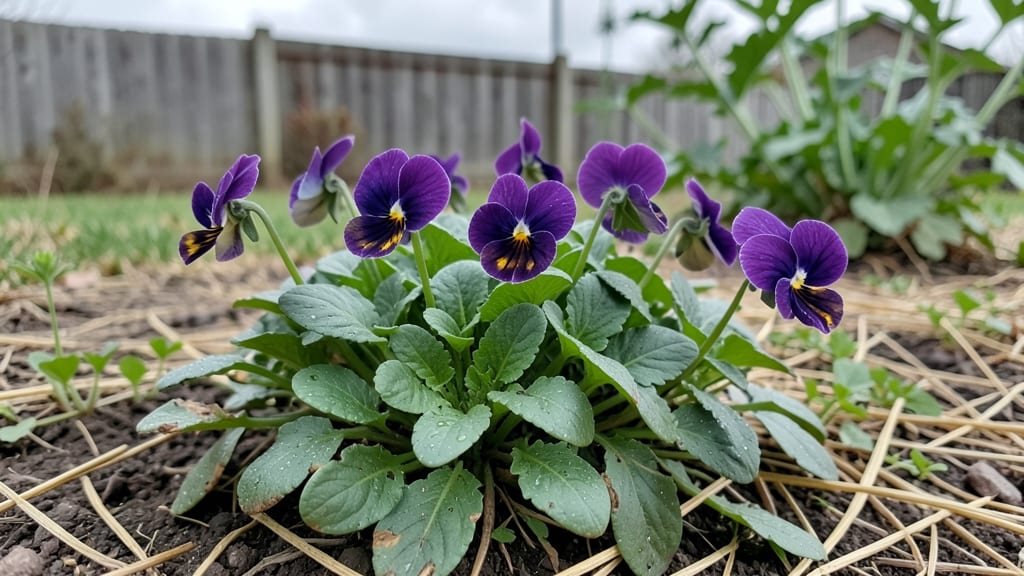
Timing the pansy flowering season right means your garden could burst into color as early as March—or keep blooming through fall if you choose the right varieties 🌸.
Pansies burst into vibrant blooms year after year, but timing their flowering season is key to unlocking their full potential—whether you want spring color, fall charm, or winter interest. The secret? Planting 4-6 weeks before frost and picking varieties that match your climate.
In USDA Zone 6a, most pansies start flowering in early spring, but some hardy types can handle light frosts and even rebloom in fall. The trick to keeping them going? Deadheading spent blooms, feeding them lightly, and protecting them from heavy rain.
Here’s how to stretch their bloom time from a few weeks to months—plus the best varieties for your garden’s personality, whether you love bold colors or delicate pastels.
Pansy flowering season timeline: when to plant for peak blooms
Pansies are versatile annuals that thrive in both spring and fall, offering continuous color when planted strategically. Their flowering season varies by variety and climate, but understanding these patterns lets you enjoy blooms from early spring through winter in mild regions.
The key is matching your USDA hardiness zone with the right planting window.
Spring-blooming pansies typically start flowering 6-8 weeks after planting, while fall varieties bloom 4-6 weeks post-transplant. In cooler climates (zones 3-6), pansies often flower from late winter through spring, while warmer zones (7-10) can enjoy fall and winter blooms. Microclimates—like shaded areas or coastal regions—can extend these windows significantly.
Here’s how to align your planting schedule with pansy flowering seasons for maximum impact in your garden:
| Season | Planting Window | Flowering Window | USDA Zones | Pro Tip |
|---|---|---|---|---|
| Spring | 4-6 weeks before last frost (Feb-Mar) | Late winter to early summer | 3-8 | Choose cold-hardy varieties like 'Cool Wave' for early blooms. |
| Fall | 8-10 weeks before first frost (Aug-Sept) | Autumn to early winter | 4-9 | Plant heat-tolerant varieties like 'Majesty' for late-season color. |
| Year-Round (Mild Climates) | Spring & Fall (Sept & March) | Winter to spring | 7-10 | Use mulch to protect roots in winter. |
| Extended Season (Microclimates) | Spring + Fall (with shade) | Spring + Fall (delayed summer) | All zones | Plant in partial shade to avoid summer heat stress. |
For USDA zones 3-6, focus on spring planting (March-April) to catch the first wave of blooms. In these cooler regions, pansies often bolting (producing seed pods) by mid-summer, so treat them as short-lived annuals. To extend their season, succession plant every 2-3 weeks for a staggered bloom display.
In zones 7-10, fall planting (August-September) is ideal for autumn and winter interest. Some varieties, like 'Soraya', tolerate light frosts and continue blooming until spring. Use shade cloth in summer to protect plants from heat stress, which can cause them to go dormant prematurely.
Regional adjustments are crucial. For example, Pacific Northwest gardeners can plant pansies in late summer for winter blooms, while Southern gardeners may need to plant in early spring and fall to avoid summer heat. Always check your local frost dates and adjust planting times accordingly.
Microclimates play a huge role in extending pansy seasons. A north-facing bed stays cooler in summer, allowing pansies to bloom later. Conversely, a south-facing spot warms up faster in spring, triggering earlier flowering. Experiment with container gardening to move pansies to optimal light conditions as seasons shift.
To ensure peak blooms, pair your planting schedule with proper soil prep. Pansies thrive in well-draining, slightly acidic soil (pH 6.0-7.0). Amend heavy clay with compost and use mulch to retain moisture. Avoid over-fertilizing with nitrogen, which promotes leafy growth over flowers.
Finally, don’t overlook fall planting for winter color. In many regions, pansies become the star of the winter garden, especially when paired with evergreens and ornamental grasses. With the right timing and care, you can enjoy nonstop pansy blooms from early spring through late winter.
🌸
How long do pansies bloom? Extending flowering season with pro techniques
Pansies typically bloom for 6-8 weeks per season, but with the right care, they can keep producing vibrant flowers for 3-4 months or even longer. The key lies in understanding their natural growth cycle and how to nudge them into continuous blooming.
Unlike some annuals, pansies are biennials that often perform like perennials in cooler climates, making them perfect for extending your garden's color palette.
Most gardeners assume pansies bloom only in spring or fall, but with proper techniques, you can coax them into flowering throughout three seasons. The secret? Combining deadheading, strategic fertilization, and optimal light conditions.
Let's break down the science-backed methods that will transform your pansies from seasonal stars to year-round performers.
- 🌸 Deadhead daily - Remove spent blooms every 2-3 days to prevent seed formation and redirect energy to new flowers. Use clean bypass pruners or pinch flowers off by hand.
- ☀️ Provide 6+ hours of sun - Pansies need full morning sun and afternoon shade in hot climates. South-facing beds with afternoon shade perform best.
- 💧 Water consistently - Maintain even moisture (1 inch per week) but avoid soggy soil. Mulch with 2-3 inches of straw to retain moisture.
- 🌱 Fertilize monthly - Use balanced 10-10-10 fertilizer every 4 weeks during active growth. Switch to low-nitrogen in late summer to prevent leggy growth.
- 🌿 Companion plant wisely - Pair with salad greens or calendula to deter pests. Avoid planting near tomatoes or potatoes, which compete for nutrients.
One common mistake that shortens pansy blooms is overcrowding. When plants compete for nutrients and light, they produce fewer flowers. Space your pansies 8-12 inches apart to give each plant room to thrive.
I once had a garden where I planted pansies too closely, and their blooming season was cut by nearly 3 weeks compared to properly spaced plants.
Light requirements are often misunderstood. While pansies tolerate partial shade, they bloom most prolifically with 4-6 hours of direct sunlight daily. In hot summer months, afternoon shade helps prevent heat stress, which can cause flowers to drop prematurely.
I've found that east-facing beds with morning sun work exceptionally well for extended blooming.
Fertilizer timing is another critical factor. Many gardeners make the mistake of fertilizing too heavily in late summer, which encourages leafy growth over flowers. Instead, use a low-nitrogen fertilizer (like 5-10-10) in late summer to maintain blooms without excessive foliage.
I recommend applying fertilizer in the early morning when plants are actively photosynthesizing.
For year-round color, consider planting two varieties - one for spring and another for fall. 'Cool Wave' series performs exceptionally well in cooler months, while 'Majesty' varieties handle heat better.
By staggering your planting, you can create a continuous bloom cycle from early spring through late fall in most climates. 🌷