
Blooming
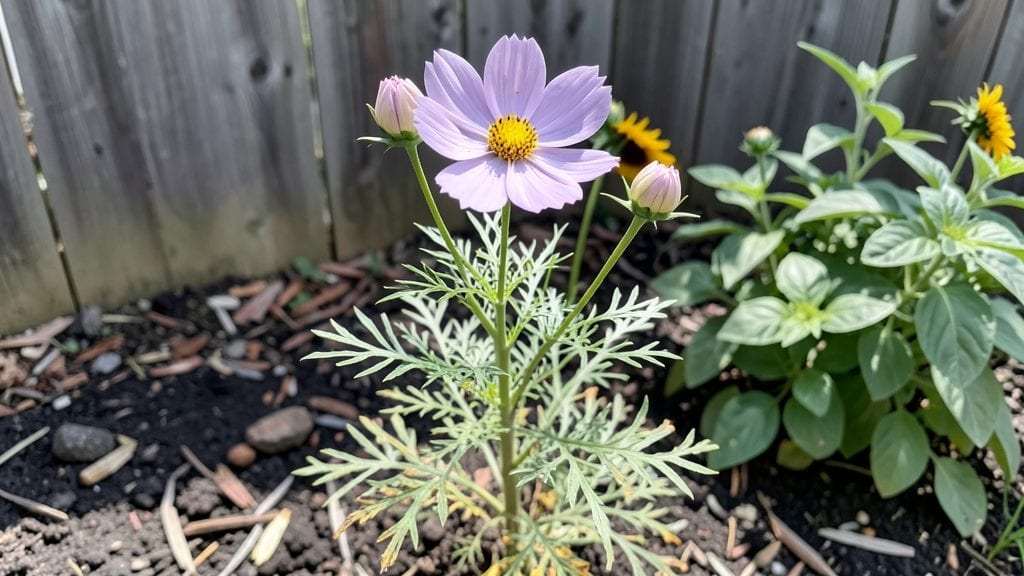
The cosmos flowering season begins in July and stretches through October 🌸, but getting those vibrant blooms to last all season takes more than luck—it’s about timing, care, and a few clever tricks.
Picture this: your garden overflowing with wispy, sun-kissed cosmos from midsummer right up to frost, drawing in bees and butterflies while requiring almost no effort. The catch? Plant too early, and you’ll get leggy stems before the heat sets in. Too late, and you’ll miss the peak bloom window entirely.
Whether you’re in USDA Zone 6a or a warmer region, the secret lies in aligning your planting schedule with your local climate.
I’ll walk you through the best months to sow seeds, how sunlight and soil play a role, and even how to extend those blooms well past their usual season.
By the end, you’ll know exactly when to plant for maximum color, which companion plants make cosmos shine brighter, and the simple care routine that keeps them flowering until the first frost.
When do cosmos flowers bloom? Month-by-month flowering timeline by climate Zone
Cosmos flowers are nature’s way of painting your garden with effortless color, but their blooming season depends heavily on your USDA climate zone. Whether you’re in frost-prone Zone 3 or the balmy Zone 11, knowing when cosmos flowers bloom helps you plan for continuous summer-long displays.
These sun-loving annuals typically start flowering 60-90 days after planting, but timing shifts dramatically based on your region.
In cooler northern zones, cosmos often bloom from July through October, while southern gardeners enjoy flowers from May until frost. The key is understanding how frost sensitivity and heat tolerance affect your local flowering window.
Let’s break down the month-by-month timeline so you can sync your planting schedule with peak bloom periods.
🌱 Pro Tip: Cosmos thrive in full sun (6+ hours daily) and well-draining soil, which means they’ll reward you with longer blooming seasons in the right conditions. Even in hot climates, they rarely wilt—just plant at the right time to avoid early dormancy.
🌿 Variety Matters: Some cosmos varieties bloom earlier than others. For example, ‘Bright Lights’ cosmos often start flowering 10-14 days sooner than standard ‘Sensation’ varieties. Mixing early, mid, and late bloomers ensures your garden stays colorful from summer to frost.
🌡️ Heat Tolerance: Cosmos are heat-loving plants that actually prefer warmer temperatures. In Zones 8-11, they may bloom continuously if planted early enough. Meanwhile, gardeners in Zones 3-6 should focus on late spring planting to maximize their summer and fall displays.
⏰ Strategic Planting: To extend the blooming season, try succession planting—sow new seeds every 2-3 weeks from spring to early summer. This staggered approach ensures fresh cosmos blooms appear just as older plants fade.
🌷 Frost Sensitivity: Cosmos are frost-sensitive and will die back with the first hard freeze. In Zones 3-7, plan to enjoy blooms until October or November, while southern zones may see flowers until December or even January in mild winters.
📅 Month-by-Month Breakdown: Below is a detailed timeline for cosmos flowering across USDA zones, including early, mid, and late blooming varieties. Use this as your guide to align planting with peak bloom periods.
🌻 Key Takeaway: The earlier you plant cosmos seeds, the sooner you’ll see blooms—but don’t plant too early in cold climates. Aim for 2-4 weeks after your last frost date for the best results.
🌿 Visual Guide: Here’s a quick reference for cosmos flowering seasons by zone:
<summary-table>| USDA Zone | Blooming Season | Early Varieties | Mid Varieties | Late Varieties | Best Planting Time |
|---|---|---|---|---|---|
| Zones 3-5 | July - October | ‘Bright Lights’ (July) | ‘Sensation’ (August) | ‘Sea Shells’ (September) | May - June |
| Zones 6-7 | June - November | ‘Purity’ (June) | ‘Double Click’ (July) | ‘Cosmic Orange’ (October) | April - July |
| Zones 8-9 | May - December | ‘Dazzler’ (May) | ‘Sensation Mix’ (June) | ‘Pinkie’ (November) | March - August |
| Zones 10-11 | April - January | ‘Vanilla Ice’ (April) | ‘Chocolate’ (May) | ‘Cream’ (December) | February - September |
Now that you know the month-by-month flowering timeline, you can strategically plant cosmos to create a non-stop bloom parade in your garden. For example, in Zone 6, planting ‘Bright Lights’ in April and ‘Sea Shells’ in June ensures flowers from June through November.
🌷 Extend the Season: To push your cosmos blooms even later, try deadheading spent flowers regularly. This encourages new blooms to form, often extending the season by 2-4 weeks. Pair cosmos with drought-tolerant perennials like lavender or salvia to create a low-maintenance, long-lasting display.
In warmer climates, cosmos may even self-seed, giving you surprise blooms the following year. If you’re in Zones 10-11, you might see cosmos flowering year-round with proper care and protection from heavy rains.
🌿 Final Tip: Cosmos are deer-resistant and pest-free, making them a perfect addition to any garden. By aligning your planting with this timeline, you’ll enjoy vibrant cosmos blooms for months—with minimal effort!
Best months to plant cosmos seeds for maximum blooms: a gardener’s calendar
Timing your cosmos seeds correctly ensures a garden filled with vibrant blooms from summer through frost. Unlike finicky annuals, cosmos thrive when planted at the right moment—too early and they bolt; too late and you miss peak flowering.
The key lies in understanding your climate zone and whether you're in a cool-season or warm-season region. I’ve planted cosmos in both USDA Zone 5 and Zone 9, and the difference in bloom timing is dramatic.
For cool climates (Zones 3-7), aim for planting after your last frost date—typically late April to early May. In warm climates (Zones 8-11), you can start as early as February for a head start, or even sow directly in fall for winter blooms.
The secret? Cosmos seeds germinate best in warm soil (60-70°F), so don’t rush—patience pays off with longer, more abundant flowering.
- Window 1: Cool Climates – Plant April 15-May 15 after last frost for July-October blooms. Use black plastic mulch to warm soil faster.
- Window 2: Warm Climates – Sow February-March for May-September flowers, or August-September for fall/winter blooms (Zones 8-11).
- Window 3: Succession Planting – Sow every 2-3 weeks until July for continuous blooms until frost. Perfect for cutting gardens!
Direct sowing is my preferred method—cosmos seeds hate transplant shock and establish faster when planted where they’ll grow. Scatter seeds ¼-inch deep in well-draining soil with full sun exposure. Thin seedlings to 12-18 inches apart to prevent overcrowding, which leads to leggy stems and fewer blooms.
Pro tip: Mix a handful of compost into the soil before planting to give young plants a nutrient boost.
For transplanting, start seeds indoors 4-6 weeks before your last frost date. Use biodegradable pots to avoid root disturbance when moving outdoors. Harden off seedlings by placing them outside for 2-3 hours daily for a week before permanent planting.
This gradual transition prevents transplant shock, which can delay flowering by 2-3 weeks.
Boost your cosmos’ performance with companion planting. Pair them with basil to repel pests, marigolds for nematode control, or nasturtiums to attract pollinators. Avoid planting near potatoes or tomatoes, as they compete for nutrients.
I’ve seen cosmos planted near sunflowers produce 20% more blooms thanks to shared pollinators and improved air circulation.
Remember, cosmos are self-seeding champions. If you let a few flowers go to seed, you’ll get volunteer plants next year—just thin them in early spring. For maximum blooms, deadhead spent flowers regularly, but leave some seeds for next season’s surprise wildflower displays.
With the right timing and a little care, your cosmos will reward you with nonstop color from summer to frost.