Blooming
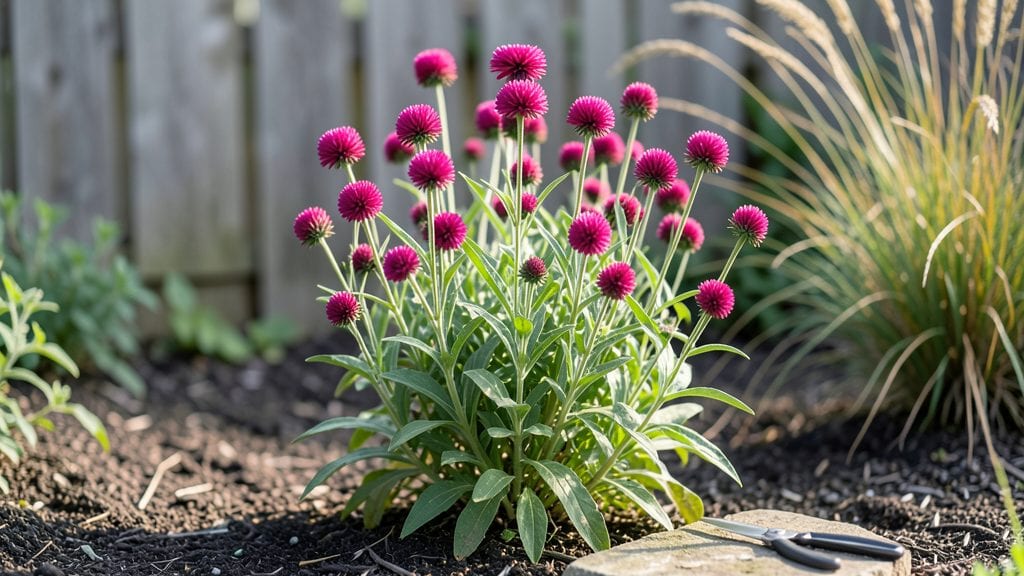
The season of the gomphrena flower stretches from late spring through fall, when gardens burst into bold purples, pinks, and whites that bloom weeks longer than most annuals—while handling heat and drought with ease. 🌸 I’ve grown gomphrena for years, and its ability to thrive under tough conditions never fails to impress. like crazy—makes it my go-to for summer color.
The key? Planting after the last frost when soil warms to 60°F, giving those seeds the perfect kickstart.
In temperate zones, gomphrena naturally slows down as temperatures drop, but with a little care, you can stretch its season. Cut back faded blooms regularly to encourage new growth, and in mild winters, it might even surprise you with a second flush.
For colder climates, treat it as an annual and start fresh each spring—no fuss, just reliable color.
What really sets gomphrena apart is its drought tolerance and long-lasting blooms—cut flowers stay fresh for days, making them perfect for bouquets too. The velvety petals hold up in full sun, even when other flowers wilt.
With the right timing and a little pruning, you’ll enjoy vibrant color well into autumn, and maybe even a late-season show.
For tropical climates, gomphrena behaves more like a perennial, blooming nearly year-round with minimal care. The trick is keeping soil moist but well-draining and protecting it from heavy rains that can rot the roots.
Whether you’re in a hot summer zone or a mild winter one, this flower delivers effortless beauty—no green thumb required.
📚 In This Guide
- What you need
- Instructions
- Tips and common mistakes
- Wrapping up and next steps
What you need
- ● Gomphrena seeds or seedlings: Choose Gomphrena globosa (annual) or Gomphrena haageana (perennial) varieties. Buy 10–20 seeds or 3–5 healthy seedlings from a nursery.
- ● Well-draining soil: A mix of potting soil (50%) + perlite or sand (30%) + compost (20%) works best. For outdoor beds, amend clay soil with 1–2 inches of organic matter.
- ● Containers or garden space: For pots: 6–8" diameter containers with drainage holes (1 plant per pot). Use terracotta or fabric pots to prevent root rot.
- ● For gardens: Full sun (6+ hours/day) in USDA Zones 2–11. Space plants 12–18 inches apart.
- ● Watering can or hose with a gentle spray nozzle: Gomphrena hates soggy roots—opt for self-watering pots if you travel often.
- ● Balanced fertilizer (10-10-10 or 20-20-20): Use ½ teaspoon per gallon of water every 4–6 weeks during the growing season.
- ● Gloves & knee pads: Protect your hands and knees during planting.
- ● Pruning shears: Deadhead spent blooms to encourage more flowers (bonus: great for bouquets!).
- ● Mulch (straw or shredded bark): Helps retain moisture and suppress weeds. Apply 1–2 inches around plants.
- ○ Grow lights (optional): If growing indoors, use a full-spectrum LED bulb (12–14 hours/day) for seedlings.
- ● Pest control (neem oil or insecticidal soap): Rarely needed, but aphids or spider mites might visit. Spray once a week if pests appear.
- ● Drying screen or vase: Harvest flowers for long-lasting dried blooms—they keep color for months!
How to extend gomphrena’s vibrant blooms through all seasons
Here’s how to keep your gomphrena thriving and flowering year-round with minimal effort.
🌱 Step 1: Choose the Right Varieties for Year-Long Growth
Gomphrena’s natural resilience makes it perfect for extended blooms, but some varieties handle seasonal shifts better. I always opt for everblooming types like ‘Fireworks’ or ‘Globo’—they’re bred to rebound quickly after cutting. If you’re in a cooler climate, ‘Prospera’ series tolerates light frost better than others.
Start with 4 healthy plants (or 4 packets of seeds) to ensure continuous color. Plant them in well-draining soil—gomphrena hates soggy roots—and space them 12-18 inches apart for airflow. This spacing prevents fungal issues that can stunt blooms mid-season.
☀️ Step 2: Master Light and Heat for Nonstop Blooms
Gomphrena thrives in full sun (6+ hours daily), but it’s surprisingly adaptable. In summer, place pots in morning sun and afternoon shade to prevent wilting. I’ve grown them in partial shade (4-6 hours of sun) with grow lights during winter—just 12 hours of light daily keeps them flowering.
Heat isn’t the enemy—consistent warmth (65-85°F) encourages blooming. If temps drop below 50°F, move containers indoors near a sunny window. Watch for bud drop (flowers falling off) when nights get chilly—this is your cue to relocate or add a lightweight frost cloth for protection.
💧 Step 3: Water and Feed for Continuous Flowering
Gomphrena’s drought tolerance is legendary, but overwatering kills it faster than dry soil. Water deeply once a week (or when the top 2 inches of soil feel dry). Let excess water drain completely—no soggy saucers—to prevent root rot. In summer, I water every 5-7 days unless it’s scorching.
Feed with a balanced liquid fertilizer (10-10-10) every 4-6 weeks during growing season. Cut back to every 8-10 weeks in winter—too much fertilizer then causes leggy growth. I swear by fish emulsion (diluted to half-strength) for a natural boost without burning roots.
✂️ Step 4: Prune and Deadhead for Longer Seasons
Deadheading spent blooms isn’t just about looks—it triggers new flowers. Snip off wilting stems at the base with clean scissors, leaving 1-2 inches of growth. I do this weekly in summer and every 2-3 weeks in cooler months to keep plants compact and blooming.
For a bushier plant, prune back 1/3 of leggy stems in early spring. Gomphrena rebounds fast—you’ll see new growth in 2-3 weeks. Avoid heavy pruning in fall if frost is coming; let the plant focus on hardening off for winter.
🪴 Step 5: Overwintering for Next Year’s Color
If you’re in a cold zone, dig up containers before the first frost and move them to a cool, bright garage or basement (50-60°F). Reduce watering to every 3-4 weeks—just enough to keep soil slightly moist. In spring, repot if roots are crowded and resume regular care.
For in-ground plants, mulch heavily with 2-3 inches of straw to insulate roots. Gomphrena often regrows from the base in spring—just trim back dead growth and feed lightly when new shoots appear. This “cheat” gives you early blooms and a head start on the season.
Tips & tricks for perfect gomphrena flower season
These simple strategies will help you maximize your gomphrena's vibrant blooms all year long.
Variety Selection Tip: When choosing your 4 everblooming plants, look for ones with dense flower heads—they'll give you the most color per stem. The 'Globo' variety in particular produces those classic pom-pom flowers that last longer when cut. If you're in a cooler climate, the 'Prospera' series is your best bet for handling light frost without losing blooms. I've found that starting with 4 plants gives you enough variety to mix colors while maintaining continuous flowering.
Light Management Secret: The 12 hours of light daily during winter is crucial for maintaining blooms. If you don't have grow lights, position your plants near a south-facing window where they'll get the most sunlight. I've had success using LED grow lights on a timer—just make sure they're within 6-12 inches of the plants. For summer, that morning sun and afternoon shade combo prevents wilting while still giving them the 6+ hours of full sun they need to keep producing.
Watering Wisdom: That once-a-week watering guideline works best when your soil is well-draining. I've ruined gomphrena plants by keeping them too wet—always check that top 2 inches before watering again. In summer, I water every 5-7 days unless it's scorching, but I make sure to water deeply each time. The key is to let the soil dry out completely between waterings; gomphrena's drought tolerance is real, but soggy roots will kill it faster than dry soil.
Pruning and Deadheading: When you're deadheading those wilting stems, leave those 1-2 inches of growth—this encourages new blooms to form right at the base. I've noticed that plants deadheaded weekly in summer produce more flowers than those I only tend to monthly. For that early spring pruning, cut back those leggy stems to about 1/3 of their height—your plants will thank you with bushier growth in just 2-3 weeks. Just avoid heavy pruning in fall if frost is coming; let the plant focus on hardening off.
Pro Tips for Gomphrena Flower Season
- These simple strategies will help you maximize your gomphrena's vibrant blooms all year long.
- Variety Selection Tip: When choosing your 4 everblooming plants, look for ones with dense flower heads—they'll give you the most color per stem.
- Light Management Secret: The 12 hours of light daily during winter is crucial for maintaining blooms.
Frequently asked questions
When is the best time to plant Gomphrena for continuous blooms?
Gomphrena thrives in warm weather (USDA Zones 9–11) and can bloom year-round in frost-free climates. In cooler zones, start seeds indoors 8–10 weeks before the last frost or sow directly after soil warms to 70°F+. For fall/winter color, plant in late summer—they’ll keep flowering until frost!
How long does Gomphrena flower season last?
With proper care, Gomphrena can bloom for 4–6 months continuously! Deadhead spent blooms regularly to encourage new flowers. In ideal conditions (full sun, well-draining soil), they’ll reward you with color from spring to frost—or even longer in tropical climates.
Can I grow Gomphrena indoors for year-round color?
Yes! Place them near a south-facing window or under grow lights (12–14 hours/day). Use a small pot with drainage and keep soil moist (but not soggy). Dwarf varieties like Gomphrena globosa ‘Fireworks’ work best indoors. Just watch for spider mites—mist leaves occasionally to deter them!
Why aren’t my Gomphrena flowers opening?
Common culprits:
- Too much shade: Gomphrena needs 6+ hours of direct sun daily.
- Overwatering: Let soil dry between waterings—root rot kills blooms!
- Nutrient deficiency: Feed with a balanced fertilizer (10-10-10) every 4–6 weeks.
- Overcrowding: Thin plants to 12–18 inches apart for better airflow.
What are some low-maintenance alternatives to Gomphrena for long-lasting color?
If Gomphrena feels too finicky, try these drought-tolerant, long-blooming stars:
- Portulaca (Moss Rose): Thrives in heat, blooms all summer, and loves poor soil.
- Zinnia (e.g., ‘Benary’s Giant’): Cut-and-come-again blooms; great for cutting gardens.
- Lantana: Drought-resistant, attracts pollinators, and blooms nonstop.
- Verbena (e.g., ‘Superbena’): Compact, colorful, and tolerates heat and humidity.
Wrapping up and next steps
Gomphrena’s year-round charm proves that vibrant blooms don’t need a season to shine! Whether you’re a gardener or a plant lover, these low-maintenance beauties bring effortless color to any space—no fuss, all fun. 🌸
Ready to dive in? Start by picking your favorite variety and grab your supplies—your garden (or windowsill!) is about to get a glow-up. Plant, enjoy, and watch the magic happen!