
Flowers
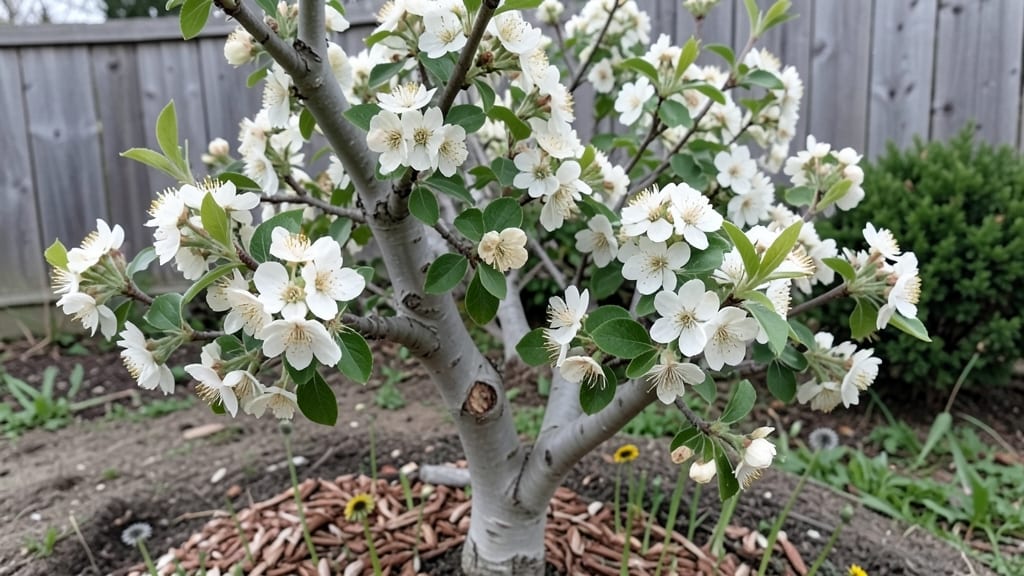
Ornamental pear flowers transform any yard into a fragrant, showstopping display—especially when you pick the right variety. 🌸 I planted my first 'Chanticleer' pear tree three years ago, and it’s now the star of my spring garden, blooming so heavily the scent lingers on warm evenings.
The key to that kind of performance? Matching the plant to your climate and giving it the right care from day one.
These trees thrive in full sun but tolerate partial shade, making them versatile for small yards or urban spaces. Well-draining soil is a must—heavy clay will leave you fighting root rot.
Varieties like 'Bradford' offer dramatic height, while 'Chanticleer' stays compact with clusters of delicate white blooms. Pruning in late winter keeps them healthy and encourages even more flowers next season.
What you’ll love most is how low-maintenance they are once established. The blooms attract pollinators, the leaves stay lush all summer, and the disease resistance means fewer headaches than roses or hydrangeas. With proper placement and an occasional deep watering, you’ll enjoy their beauty for decades—no fancy tricks required.
Perfect for gardeners who want impact without the fuss. Whether you’re planting a single specimen or lining a driveway, these trees deliver year-round interest with minimal effort. Here’s how to make yours thrive from start to finish.
📚 In This Guide
- What you need
- Instructions
- Tips and common mistakes
- Wrapping up and next steps
What you need
- ● Ornamental pear plant: 1–3 nursery-grown saplings (3–6 ft tall, disease-resistant varieties like 'Chanticleer' or 'Aristocrat' recommended)
- ● OR seeds (if starting from scratch—germination takes patience!)
- ● Planting site: Full sun to partial shade (6+ hours of sunlight daily)
- ● Well-draining soil (amend with compost if clay-heavy)
- ● Space: 20–30 ft apart for mature trees (or 10–15 ft for dwarf varieties)
- ● Tools: Garden trowel or shovel
- ● Pruning shears (sterilized with rubbing alcohol)
- ● Garden gloves (to protect from thorns)
- ● Measuring tape (for spacing)
- ○ Soil amendments (optional but helpful): 5–10 lbs of organic compost or aged manure
- ● Slow-release fertilizer (10-10-10 or balanced formula)
- ● Mulch (2–3 inches of wood chips or pine straw to retain moisture)
- ● Drip irrigation system (for consistent watering)
- ● Tree stakes and ties (for young saplings in windy areas)
- ● Pest control: Neem oil or horticultural oil (preventative measure for aphids)
- ● Seasonal pruning saw (for larger branches later on)
Step-by-Step guide to planting and caring for ornamental pear flowers
Here's how to establish these fragrant, low-maintenance bloomers in your landscape.
🪴 Step 1: Choose the Perfect Planting Site
Ornamental pear trees thrive in full sun—at least 6-8 hours daily. I always pick a spot with morning sunlight and afternoon shade if your climate runs hot, as the blooms can scorch in intense afternoon sun. The soil should drain well; these trees hate soggy roots.
Test your soil by digging a 12-inch hole—if water pools after 30 minutes, amend with 1-2 inches of compost mixed into the top 6 inches of soil. Avoid low areas where water collects after rain. A slight slope ensures excess water runs away from the root zone.
🌱 Step 2: Plant at the Right Time and Depth
Plant bare-root trees in early spring when soil temperatures reach 45°F, or container-grown specimens anytime the ground isn't frozen. Dig a hole twice as wide as the root ball but only as deep—the top of the root flare should sit 1-2 inches above ground level.
Loosen the roots gently if they're circling, then place the tree in the hole. Backfill with native soil, tamping lightly every 4 inches to remove air pockets. Water deeply to settle the soil, then add a 2-inch layer of mulch (but keep it 3 inches away from the trunk to prevent rot).
☀️ Step 3: Water Deeply and Establish a Routine
Water newly planted trees once weekly with 10-15 gallons during the first growing season, soaking the root zone to 12 inches deep. Check moisture by sticking your finger 2 inches down—if it feels dry, water again. Mature trees need 1 inch of water weekly during dry spells.
I always water in the early morning to reduce evaporation and fungal risks. Avoid overhead sprinklers once blooms appear—they can stain petals and attract pests. Instead, use a soaker hose at the base for targeted hydration.
✂️ Step 4: Prune for Shape and Health
Prune ornamental pears in late winter or early spring, before buds swell, to shape the tree and remove dead wood. Use clean, sharp pruners to make cuts at a 45-degree angle just above an outward-facing bud. Never remove more than 25% of the canopy in one season.
Thin out crowded branches to improve airflow, which reduces disease risk. I also remove any suckers growing from the base—they drain energy from the main tree. After pruning, apply a copper fungicide spray if your area has a history of fire blight.
🌿 Step 5: Fertilize for Vibrant Blooms
Apply a balanced 10-10-10 fertilizer in early spring when new growth appears, using ½ cup per inch of trunk diameter. Repeat in late summer to encourage next year's buds. Avoid high-nitrogen fertilizers—they promote leafy growth at the expense of flowers.
I also top-dress with 2 inches of compost in fall to improve soil structure and provide slow-release nutrients. Water the area thoroughly after applying to help nutrients penetrate the soil. If your tree shows yellowing leaves, it may need iron—use a chelated iron supplement as directed.
Tips & tricks for perfect ornamental pear flower planting
A few simple tricks will help you establish these fragrant bloomers with confidence—and avoid the common pitfalls that trip up new gardeners.
Soil Test Smart: Before planting, I recommend doing a simple soil test kit (available at garden centers) to check your pH. Ornamental pears prefer slightly acidic to neutral soil (pH 6.0-7.0). If your test shows pH below 6.0, mix in 1-2 pounds of lime per 100 square feet of planting area and water thoroughly. This adjustment prevents nutrient deficiencies that can stress young trees.
Root Ball Prep: When planting bare-root trees in Step 2, soak the roots in water for 1-2 hours before handling. This prevents shock from dried-out roots. For container-grown specimens, gently squeeze the root ball to check moisture—if it feels completely dry, water it thoroughly before planting. I also make two vertical slits in the root ball with a knife to encourage root growth into surrounding soil.
Watering Wisdom: In Step 3, those 10-15 gallons weekly might seem like a lot, but remember—you're soaking the roots 12 inches deep. Use a moisture meter or your finger to check actual soil moisture. In hot climates, you might need to water every 3-4 days instead of weekly, especially during the first growing season. The key is consistent moisture without waterlogging.
Pruning Pro Tip: When pruning in Step 4, I always sterilize my pruners with rubbing alcohol between cuts to prevent spreading disease. For larger branches, make your 45-degree cut just outside the branch collar (the swollen area where the branch meets the trunk). This helps wounds heal faster. Save any healthy pruned branches—you can root them in water for new trees!
Pro Tips for Ornamental Pear Flower
- A few simple tricks will help you establish these fragrant bloomers with confidence—and avoid the common pitfalls that trip up new gardeners.
- Soil Test Smart: Before planting, I recommend doing a simple soil test kit (available at garden centers) to check your pH.
- Root Ball Prep: When planting bare-root trees in Step 2, soak the roots in water for 1-2 hours before handling.
Frequently asked questions
Got questions about growing and enjoying ornamental pear flowers? You’re not alone! Here are some of the most common queries—plus expert answers to help you cultivate these stunning blooms with confidence.
How do I encourage more blooms on my ornamental pear tree?
Prune in late winter or early spring to remove dead or crossing branches. Avoid heavy pruning—focus on shaping rather than cutting back drastically. Ornamental pears thrive with full sun (6+ hours daily) and well-drained soil. Pro tip: A balanced fertilizer in early spring can boost flowering!
Why aren’t my ornamental pear flowers lasting long?
These blooms are famously short-lived (1–2 weeks), but you can extend their beauty with these tricks:
- Plant in a spot sheltered from strong winds.
- Water deeply but avoid soggy soil.
- Choose disease-resistant varieties like Pyrus calleryana ‘Chanticleer’.
When is the best time to plant an ornamental pear tree?
Fall (September–November) is ideal—cooler temps help roots establish before winter. Spring planting (March–April) works too, but water regularly to prevent drought stress. Avoid planting in extreme heat or frost. Bonus: Container-grown trees transplant more easily!
Can I grow ornamental pears in containers?
Yes! Dwarf varieties (like ‘Cleveland Select’) thrive in large containers (15+ gallons) with drainage holes. Use a high-quality potting mix and repot every 2–3 years. Place in full sun and water consistently. Warning: Containers dry out faster—check soil moisture weekly!
What pests or diseases should I watch for?
Ornamental pears are disease-resistant, but watch for:
- Fire blight (bacterial): Prune infected branches 6+ inches below damage.
- Aphids: Spray with water or use insecticidal soap.
- Scale insects: Scrape off manually or apply horticultural oil.
Are there fragrant ornamental pear varieties?
Most ornamental pears have minimal fragrance, but a few stand out:
- ‘Capital’: Lightly sweet scent.
- ‘Aristocrat’: Subtle floral notes.
- ‘Chanticleer’: Mild, fresh aroma.
Wrapping up and next steps
The ornamental pear flower is a standout choice for gardeners seeking year-round beauty, fragrance, and resilience—all while requiring minimal fuss. 🌸 From its stunning blooms and lush foliage to its disease-resistant nature, this tree delivers effortless elegance that brightens any landscape.
Whether you're a seasoned gardener or just starting, adding one to your yard is a rewarding step toward a vibrant, low-maintenance garden.
Ready to transform your outdoor space? Start by selecting the perfect variety for your climate, then gather your supplies and follow the planting tips shared above. With a little care, you’ll soon enjoy the fragrant, picturesque charm of ornamental pears for years to come!