
Shrubs
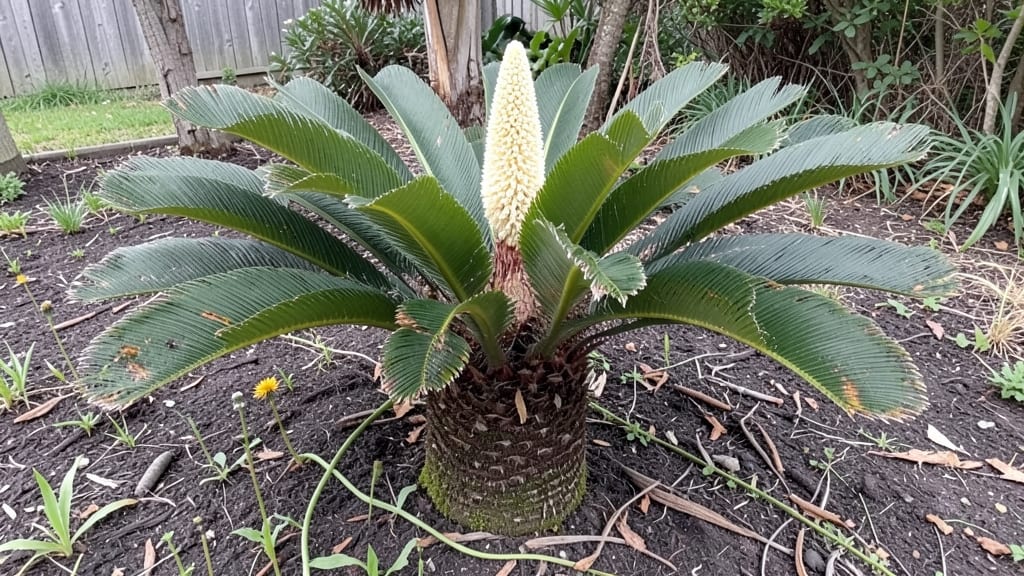
Growing a flowering sago palm brings prehistoric charm to your landscape with its striking fronds and drought-defying nature. 🌿 I’ve nurtured mine through scorching summers and forgotten waterings, and it’s still thriving—proof that this plant is as tough as it is beautiful.
The key lies in mimicking its native habitat: bright light, well-draining soil, and minimal fuss once established.
The real magic happens when you get the basics right: a sunny spot, sandy or gravelly soil, and water only when the top inch feels dry. Overwatering is the fastest way to kill it, but once settled, this plant handles heat and neglect like a champ.
Fertilize lightly in spring with a palm-specific mix, and you’ll reward yourself with occasional cone blooms that look like something from a Jurassic landscape.
By summer’s end, your sago palm will reward you with glossy, fan-shaped fronds that sway in the breeze—no dead spots, no wilting, just steady, reliable growth. Even in winter, it stays evergreen, making it the ultimate low-maintenance stunner for borders, containers, or as a focal point in dry climates.
Fair warning: These plants grow slowly but live for decades, so choose your spot wisely. If you’ve ever struggled with finicky tropicals, this is your chance to finally find a plant that outlasts your gardening enthusiasm. Let’s get yours thriving!
📚 In This Guide
- What you need
- Instructions
- Tips and common mistakes
- Wrapping up and next steps
What you need
- ● Flowering Sago Palm (Cycas revoluta) – 1 mature plant (3–5 ft tall) or 3–5 young pups (for faster growth). Pro tip: Choose a healthy specimen with vibrant green fronds and no brown patches!
- ● Well-draining soil mix: 50% cactus/succulent soil (or sandy loam)
- ● 30% perlite or pumice (for aeration)
- ● 20% organic matter (compost or peat moss)
- ● Pot (if container-grown): 15–20 gallon terracotta or fiberglass pot with drainage holes (or a raised bed for outdoor planting).
- ● Drainage layer: 2–3 inches of gravel or coarse sand (prevents root rot!).
- ● Slow-release fertilizer: Balanced 10-10-10 or palm-specific fertilizer (1–2 tbsp per plant).
- ● Watering can or hose with a gentle spray nozzle (avoid soaking the crown).
- ● Pruning shears (sterilized with rubbing alcohol for clean cuts).
- ● Mulch: Pine bark or gravel (keeps roots cool and retains moisture).
- ● Liquid fertilizer: Diluted fish emulsion or seaweed extract (monthly during growing season).
- ● Shade cloth (30–50%) (for young plants in harsh afternoon sun).
- ● Humidity tray or pebble tray (if growing indoors in dry climates).
- ● Support stake (for tall outdoor plants in windy areas).
How to grow and care for a flowering sago palm
This striking plant thrives with minimal fuss—here's how to coax vibrant blooms year after year.
🪴 Step 1: Choose the Right Container and Soil Mix
Sago palms love well-draining soil and containers with drainage holes to prevent soggy roots. I use a 12-inch diameter pot for each plant, since their roots spread wider than you'd expect. Fill the bottom third with orchid bark mix—this ensures excess water drains quickly and prevents root rot, which is the #1 killer of sago palms.
Next, add a 2-inch layer of coarse sand or perlite over the bark. This creates a gritty base that mimics their native sandy soils. Then fill the remaining space with a mix of 50% potting soil and 50% orchid bark. The bark keeps the mix airy while retaining just enough moisture. Tap the pot gently to settle the soil without compacting it too much—you want it loose enough for those fibrous roots to explore.
☀️ Step 2: Position for Maximum Sunlight and Airflow
Sago palms need bright, indirect light for at least 6 hours daily to produce their signature red-orange blooms. I place mine near an east-facing window where they get morning sun and gentle afternoon light. If your space is low-light, supplement with a grow light kept 12-18 inches away—too close will scorch the fronds.
Here's the thing—these plants hate humidity. Place them in a spot with good airflow, like near an open window or fan. I notice the fronds stay crisp and upright when air circulates freely. Avoid cramped corners where moisture lingers—this is how fungal issues start. You'll see healthy growth when new fronds unfurl with a vibrant green color and no brown tips.
💧 Step 3: Water Deeply but Infrequently
Water only when the top 2 inches of soil feel completely dry—stick your finger in to check. When it's dry at that depth, give the plant a deep watering until water runs out the drainage holes. This encourages roots to grow deeper in search of moisture, making your sago more drought-resistant over time.
I use room-temperature water to avoid shocking the roots, and I always empty the saucer 30 minutes later. Sago palms are notorious for developing root rot if they sit in wet soil. If you notice the fronds yellowing or the pot feeling heavy, you're probably overwatering. Let the soil dry out more between waterings—these plants store moisture in their thick stems, so they're built to handle dry spells.
✂️ Step 4: Prune and Fertilize for Blooms
Remove any brown or yellow fronds at the base with clean, sharp pruners. Cut just above the stem where it meets the trunk—this keeps the plant looking tidy and prevents disease from spreading. I do this in early spring before new growth starts, and again after blooming to refresh the plant.
Feed your sago palm once in spring with a balanced 10-10-10 fertilizer diluted to half strength. Too much fertilizer causes salt buildup in the soil, which burns the roots. After fertilizing, water deeply to help distribute nutrients. You'll see the difference in vibrant new fronds and, with patience, those stunning red-orange flower spikes emerging from the center of the plant.
⏰ Step 5: Overwinter Care for Year-Round Color
Sago palms are cold-hardy but prefer temperatures above 20°F. If you're in a colder climate, move pots indoors near a bright window before frost. Reduce watering to once every 3-4 weeks during winter—the plant goes semi-dormant and needs less moisture.
Watch for new growth in late winter as a sign it's time to resume regular care. I bring mine back outside in early spring after the last frost, gradually reintroducing sunlight over a week. This transition prevents leaf scorch. With proper winter care, your sago palm will reward you with year-round color and those prized blooms, even in winter.
Tips & tricks for perfect flowering sago palm care
These simple strategies will help you coax vibrant blooms and keep your sago palm thriving with minimal effort.
Soil Mix Secret: In Step 1, when creating that 50% potting soil and 50% orchid bark mix, I like to add a handful of worm castings to the potting soil for extra nutrients. This gives your sago palm a gentle nutrient boost without risking salt buildup from fertilizer. The castings also improve soil structure, helping those fibrous roots spread more effectively through the loose mix.
Lighting Hack: For Step 2's 6 hours of bright, indirect light, I've found that rotating the pot quarter-turn every 2 weeks prevents lopsided growth. Sago palms naturally grow toward the light, and this simple rotation keeps them symmetrical. If you notice one side leaning toward the window, that's your cue to move it slightly.
Watering Wisdom: The 30-minute rule for emptying saucers after watering in Step 3 is critical—don't skip it! I've seen root rot develop within weeks when people ignore this step. For extra insurance, I place my pots on elevated trays with pebbles underneath. This creates airflow around the drainage holes while catching any excess water that might drip through.
Fertilizer Timing: When fertilizing in Step 4, I always do it on a cloudy day or in the evening to prevent leaf burn from the sun's intensity. The diluted 10-10-10 fertilizer should be mixed with water first, then applied evenly to the soil surface. Water thoroughly afterward to help distribute nutrients downward where the roots can access them.
Pro Tips for Flowering Sago Palm
- These simple strategies will help you coax vibrant blooms and keep your sago palm thriving with minimal effort.
- Soil Mix Secret: In Step 1, when creating that 50% potting soil and 50% orchid bark mix, I like to add a handful of worm castings to the potting soil for extra nutrients.
- Lighting Hack: For Step 2's 6 hours of bright, indirect light, I've found that rotating the pot quarter-turn every 2 weeks prevents lopsided growth.
Frequently asked questions
Got questions about your flowering sago palm? You’re not alone! This stunning, low-maintenance plant has a few quirks, but we’ve got answers to the most common ones—so you can keep your palm thriving all year long.
How do I encourage my sago palm to flower?
The Cycas revoluta (flowering sago palm) produces cone-like flowers (technically called strobili) when mature—usually after 5–10 years of growth. To boost your chances:
- Provide full sun (6+ hours daily)—partial shade may delay flowering.
- Use well-draining soil (sandy or rocky mixes work best).
- Avoid over-fertilizing—balanced, low-nitrogen fertilizer (like 8-3-9) in spring is key.
- Be patient! Stress (like drought or repotting) can sometimes trigger flowering in established plants.
When is the best time to prune my flowering sago palm?
Prune after flowering (late winter or early spring) to avoid disturbing new growth. Here’s how:
- Remove dead or brown fronds at the base with sterilized pruners.
- Cut back yellowing leaves—they won’t regrow, but they can harbor pests.
- Avoid heavy pruning—sago palms don’t regrow fronds like true palms.
Why is my sago palm turning yellow or brown?
Yellowing or browning fronds usually signal overwatering, underwatering, or sunburn. Here’s how to troubleshoot:
Issue
Cause
Fix
Yellow fronds (soft, mushy)
Overwatering or poor drainage
Let soil dry completely between waterings. Repot if soil stays soggy.
Brown, crispy edges
Underwatering or low humidity
Water deeply when top 2–3 inches of soil are dry. Mist leaves occasionally in dry climates.
Sunburn (white/yellow patches)
Sudden full-sun exposure
Gradually acclimate to sun or provide afternoon shade.
Can I grow a flowering sago palm indoors?
Yes, but with limitations! Sago palms thrive outdoors in USDA Zones 8–11, but you can grow them indoors if:
- You provide a bright, sunny window (south or west-facing) or grow lights (12+ hours/day).
- You use a large pot with drainage (at least 12 inches wide).
- You keep humidity moderate (they dislike dry air). A pebble tray or humidifier helps.
- You avoid cold drafts—they hate temps below 40°F.
What pests should I watch for on my sago palm?
Sago palms are pest-resistant, but keep an eye out for:
- Scale insects: Tiny bumps on stems/leaves. Treat with neem oil or insecticidal soap.
- Spider mites: Fine webbing on undersides of leaves. Spray with water or miticide.
- Mealybugs: Cottony white clusters. Wipe off with rubbing alcohol on a cotton swab.
Wrapping up and next steps
The flowering sago palm is a stunning, low-maintenance addition to any garden, offering year-round color and drought resistance with minimal effort. Whether you’re drawn to its vibrant blooms, easy care, or adaptability, this plant proves that beauty and resilience go hand in hand. 🌿
Ready to bring this tropical charm to your outdoor space? Start by gathering your supplies, choosing the perfect spot, and following the simple steps outlined above. With just a little patience, you’ll soon be enjoying a thriving sago palm that turns heads—and requires almost none of yours!