
Orchid Care
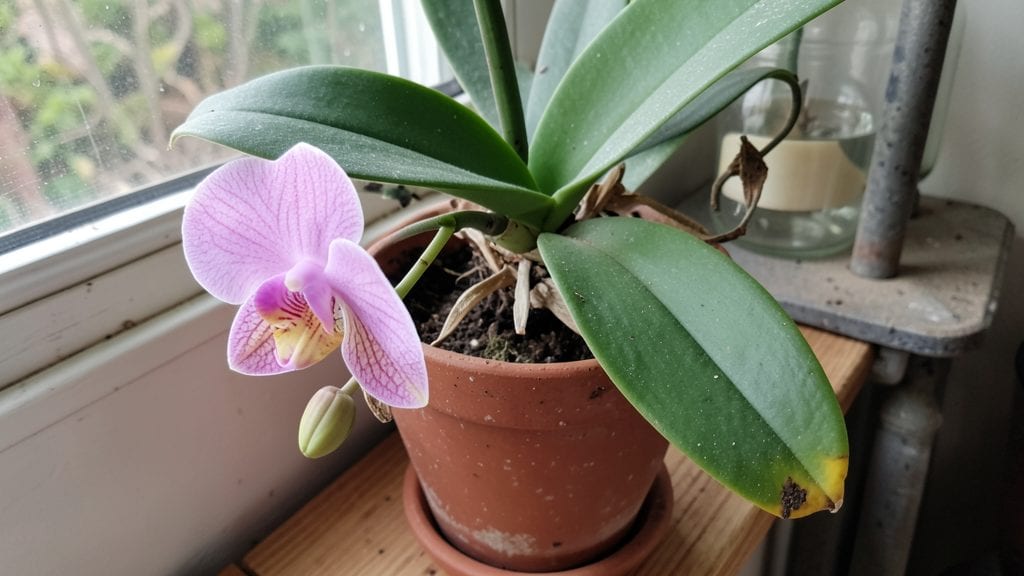
Pink orchid flowers aren’t just pretty—they can bloom for three to six months if you nail the light, water, and humidity balance. 🌸 I’ve had mine rebloom twice a year since I stopped guessing and started measuring, and the difference is night and day.
The key isn’t complicated, but it is precise: too much sun bleaches the petals, too little water starves the roots, and the wrong pot mix turns your orchid into a sad, wilted souvenir.
Start with the right setup—a 6-inch pot with chunky bark mix (never regular soil), a clear plastic grow bag for humidity, and a south-facing window or grow light that mimics morning sunlight.
Phalaenopsis orchids (the pink ones you see everywhere) are the most forgiving, but Dendrobiums need cooler nights and more airflow. My first mistake? Overwatering. Now I stick my finger in the mix—if it’s damp after 24 hours, wait another day.
By month three, you’ll see those signature pink spikes emerge, and with the right fertilizer (a balanced 20-20-20 diluted to half-strength every other week), they’ll stay vibrant for months.
The blooms won’t just survive—they’ll thrive, turning heads at parties and proving orchids aren’t just for greenhouses. Here’s how to keep them looking like this all year.
This works for Phalaenopsis, Cattleya, and even Oncidium—just tweak the light and water based on the variety. The biggest secret? Consistency. Orchids don’t like drama, but they do reward patience with blooms that last longer than most cut flowers. Let’s get yours flowering like a pro.
📚 In This Guide
- What you need
- Instructions
- Tips and common mistakes
- Wrapping up and next steps
What you need
- ● Orchid plant: A Phalaenopsis (moth orchid) in pink hues—check for healthy roots and vibrant blooms! 🌸
- ● 6-inch orchid pot: With drainage holes (terracotta or plastic with slits). Quantity: 1 per plant.
- ● Orchid bark mix: A fine-to-medium bark blend (e.g., 50% bark, 30% perlite, 20% charcoal). Quantity: 1–2 cups per repotting.
- ● Balanced orchid fertilizer: 20-20-20 or 10-10-10 (diluted to ½ strength). Quantity: 1 bottle (32 oz).
- ● Watering can or spray bottle: With a fine rose attachment for gentle watering.
- ● Scissors or pruning shears: Sterilized (rubbing alcohol wipe) for trimming.
- ○ Moss (optional):strong> Sphagnum moss for humidity-loving varieties. Quantity: Small handful.
- ● Grow lights (LED, 5000K–6500K) for low-light spots.
- ● Humidity tray or pebble tray to boost moisture (especially in dry climates).
- ● Orchid-specific bloom booster (e.g., high-phosphorus fertilizer).
- ● Decorative pot cover or cache pot for aesthetic appeal.
Step-by-Step instructions for growing a stunning pink orchid
Here's how to coax those long-lasting pink blooms from your orchid—no green thumb required.
🪴 Step 1: Select the Right Orchid and Pot
Start with a Phalaenopsis orchid, the classic pink bloomer that thrives indoors. Choose a clear plastic pot with multiple drainage holes—this lets you check root health without disturbing the plant. I always pick pots just slightly larger than the current root ball; orchids hate too much loose mix around their roots.
Fill the pot with orchid-specific bark mix (not regular potting soil). This chunky, airy medium mimics the orchid's natural epiphytic habitat. Moisten the mix lightly before planting—just enough to dampen it, not soak it. You'll know it's right when water drips through the holes but doesn't pool at the bottom.
💧 Step 2: Position for Bright, Indirect Light
Place your orchid within 2-3 feet of an east-facing window or under grow lights providing 12-14 hours of light daily. Pink orchids need bright light but will scorch in direct midday sun. You'll see the perfect spot when the leaves stay medium green—no yellowing (too little light) and no brown patches (too much).
Rotate the pot quarter turn weekly so all sides get even light exposure. This prevents lopsided growth and ensures those pink blooms develop symmetrically. If your home runs cool, a small grow light on a timer keeps the plant happy year-round.
☀️ Step 3: Water with Precision
Water your orchid only when the top inch of mix feels dry to touch. I use the soak-and-drain method: place the pot in a sink, run lukewarm water through the mix for 5-10 minutes, then let it drain completely. Never let it sit in water—orchids rot faster than they bloom in soggy conditions.
After watering, I always give the leaves a quick wipe with a damp cloth to remove dust. This mimics natural rain and helps the plant absorb light more efficiently. You'll know you're doing it right when the roots turn silver-green (healthy) instead of brown (rotting) or green (underwatered).
⏰ Step 4: Trigger Blooming with Temperature Fluctuations
Orchids bloom best with a 10°F nighttime drop. Place your plant near a window at night where temps dip to 60-65°F, then move it to a 70-80°F spot during the day. This temperature shift tells the plant it's time to bloom. I often use a small fan on low to create gentle airflow—this mimics outdoor breezes and strengthens the stems.
Watch for new growth spikes emerging from the base. These are your future blooms! Once you spot one, reduce fertilizer to half-strength. Too much food now will produce lush leaves but delay those pink flowers you're waiting for.
🌿 Step 5: Maintain and Encourage Reblooming
After blooms fade, cut the stem 1 inch above a node (the little bump where leaves grow). Many people make the mistake of cutting it all the way back, but those nodes hold dormant buds ready to sprout new blooms. I always keep my pruners clean with rubbing alcohol to prevent disease spread.
Continue your care routine, and you'll see new spikes in 8-12 weeks. For extra-long blooms, I add a bloom booster fertilizer every other watering during the growing season. The key is consistency—orchids remember good care, and they'll reward you with months of vibrant pink flowers.
Tips & tricks for perfect orchid care
Here's what I've learned after years of growing orchids—these simple tricks make all the difference between occasional blooms and months of vibrant pink flowers.
Lighting Secret: That 12-14 hours of light from Step 2 is critical, but timing matters just as much. Place your orchid in the east window in the morning when light is gentlest, then move it to a slightly brighter spot in the afternoon. I've found that morning sun prevents leaf burn while still giving enough light for those pink blooms to develop properly.
Temperature Matters: Don't just aim for the 60-65°F nighttime drop—watch for that 10°F difference consistently. I use a small thermometer near my orchid to track nighttime temps. If your home stays too warm at night (above 70°F), move the plant closer to a window or add a small fan to create that cooling breeze orchids crave.
Watering Wisdom: The 5-10 minute soak in Step 3 might seem long, but it's essential. I've ruined orchids by rushing this step—water needs time to penetrate that chunky bark mix. Place the pot in a sink and let water run until it drains freely from the bottom. This ensures even moisture without waterlogging, which is what causes those dreaded brown, mushy roots.
Reblooming Hack: When you see those new growth spikes in Step 5, here's my secret: I give my orchid a "bloom boost" by adding a pinch of cinnamon to the mix after watering. The cinnamon acts as a natural fungicide while the plant focuses on producing flowers. Just sprinkle a tiny amount (about ¼ teaspoon) and mix it in—your orchid will thank you with even longer-lasting pink blooms!
Pro Tips for Orchid Flower Pink
- Here's what I've learned after years of growing orchids—these simple tricks make all the difference between occasional blooms and months of vibrant pink flowers.
- Lighting Secret: That 12-14 hours of light from Step 2 is critical, but timing matters just as much.
- Temperature Matters: Don't just aim for the 60-65°F nighttime drop—watch for that 10°F difference consistently.
Frequently asked questions
How long do pink orchid flowers typically last?
Pink orchids, like Phalaenopsis (the most common type), can bloom for 2-3 months with proper care. Some varieties even last up to 4-6 months! The key is keeping them in bright, indirect light, avoiding drafts, and watering just right—not too much, not too little.
Why did my pink orchid’s blooms wilt so fast?
Wilting blooms often mean overwatering, underwatering, or stress from temperature swings. Check your orchid’s roots—healthy ones are green or silvery, while mushy or black roots signal rot. Also, avoid placing them near AC vents or heaters. If the stems are still firm, trim them above a node to encourage new blooms!
What’s the best temperature for a pink orchid to thrive?
Pink orchids love moderate temps: 60–80°F (15–27°C) during the day and a 10°F (5°C) drop at night to mimic their natural habitat. Avoid sudden changes—like opening a freezer door nearby! If your home gets too hot or cold, move the orchid to a stable spot, like a north or east-facing window.
Can I make my pink orchid rebloom faster?
Yes! After blooming, let the flower spike dry out (it’ll turn yellow or brown). Then, trim it just above a node (a little bump on the stem) to encourage a new bloom. Boost reblooming with:
- Bright, indirect light (no direct sunburn!)
- Balanced watering (once a week, soaking the roots)
- Cool nights (mimics seasonal changes)
Are there pink orchid alternatives that last even longer?
If you love pink orchids but want longer-lasting blooms, try:
- Dendrobium orchids: Bold pink blooms that last 3–6 weeks per stem (but rebloom annually with care!).
- Cymbidium orchids: Fragrant pink flowers that bloom for up to 8 weeks in winter.
- Oncidium orchids: "Dancing Lady" orchids with clusters of tiny pink blooms that last 4–6 weeks.
Wrapping up and next steps
The pink orchid flower isn’t just a stunning addition to your home—it’s a low-maintenance, long-lasting beauty that brings joy for months! With the right care, you’ll enjoy its vibrant blooms and even encourage reblooming.
Whether you’re a beginner or a seasoned plant parent, these tips make nurturing your orchid simple and rewarding.
Ready to level up your green thumb? Start by picking a healthy Phalaenopsis orchid and follow the care steps above. Before you know it, your space will be filled with pink orchid magic—and maybe even a few extra blooms to share with friends! 🌸✨