
Lawn
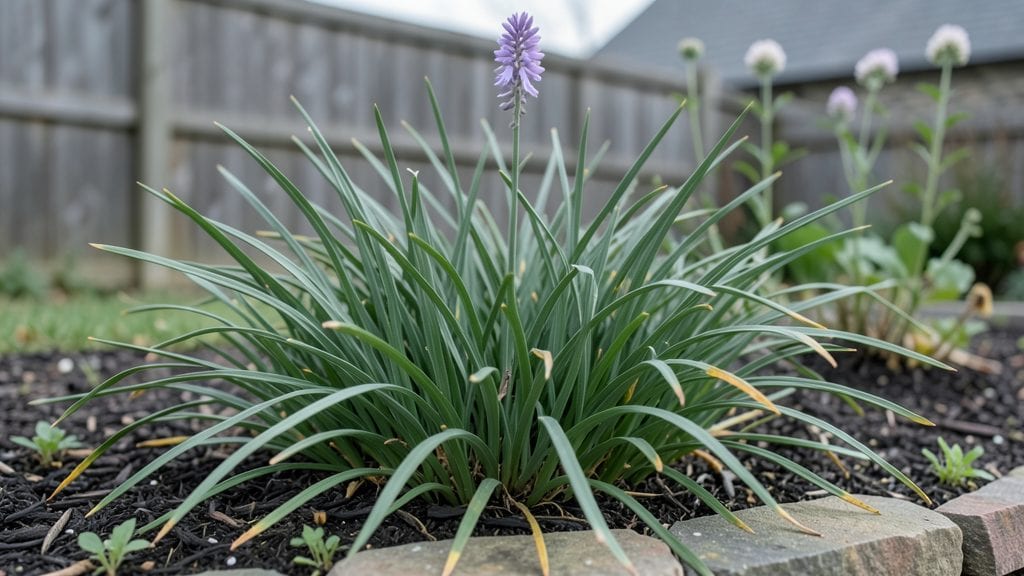
A monkey grass border transforms flower beds from messy to magazine-worthy with minimal effort. I’ve used it to frame my perennial beds, and the way it sways in the breeze while keeping weeds out is pure magic.
The key is spacing it right—too tight, and it crowds your flowers; too far apart, and weeds sneak in. This grass thrives in full sun to partial shade and handles drought better than most ornamental grasses.
Start with 3-inch tall clumps spaced 12–18 inches apart along the bed’s edge. Pair it with low-growing perennials like creeping thyme or ajuga to fill gaps and keep things tidy. The golden varieties add warm contrast to cool blues and purples, while the green types blend seamlessly.
Maintenance is easy—just trim back in early spring and cut back brown foliage in late winter to encourage fresh growth.
By summer, you’ll have a lush, defined edge that stays green even when other borders fade. The texture contrasts beautifully with blooms, and the movement adds life to still landscapes.
Once established, it’s nearly indestructible—no more fighting floppy mulch or invasive ground covers. This border works for formal gardens, cottage-style beds, or even modern minimalist designs.
Pro tip: Plant it 6–8 weeks before your last frost for the best root establishment. If your soil drains poorly, mix in compost to keep it thriving. The payoff? A border that looks intentional, not like an afterthought—every season.
📚 In This Guide
- What you need
- Instructions
- Tips and common mistakes
- Wrapping up and next steps
What you need
- ● Monkey Grass (Liriope muscari or Liriope spicata): 5–10 plants per linear foot (depending on desired density and mature width, typically 12–18 inches wide).
- ● Choose variegated or solid green varieties for contrast.
- ● Soil amendments: 2–3 inches of compost or well-rotted manure (per foot of border).
- ○ Optional: Slow-release fertilizer (10-10-10 ratio) for extra vigor.
- ● Mulch: 2–3 inches of pine bark nuggets or shredded bark (per foot of border).
- ● Garden spade or edging shovel (for digging trenches).
- ● Hand trowel (for planting individual clumps).
- ● Measuring tape (to mark border dimensions).
- ● String line & stakes (for straight borders).
- ● Pruners or shears (to trim grass or weeds before planting).
- ● Garden hose or watering can (for post-planting hydration).
- ● Knee pads or gardening stool (for comfort during planting).
- ● Edging material: Flexible metal or plastic edging to keep grass roots out.
- ● Pre-emergent herbicide: Apply after planting to prevent weeds (follow label instructions!).
- ● Slow-release plant food: For a nutrient boost in poor soil.
- ● Decorative border stones: For a polished, finished look (e.g., flat river rocks or pavers).
Step-by-Step instructions for creating a defined monkey grass border
This method delivers clean, natural-looking edges that require minimal maintenance once established.
Prepare the Border Area
Mark your desired border line using a garden hose or spray paint—monkey grass spreads aggressively, so measure carefully. Dig a trench along this line 4-6 inches wide and 6-8 inches deep, using a spade to keep the edges straight. The depth ensures roots establish firmly without competing with surrounding plants.
Remove any existing grass or weeds from the trench, then loosen the soil with a garden fork to improve drainage. If your soil is heavy clay, mix in 2-3 inches of coarse sand to prevent compaction. This step is critical: compacted soil will stunt root growth and create an uneven border over time.
Plant the Monkey Grass
Space the monkey grass clumps 12-18 inches apart along the trench edge, staggering them slightly for a natural look. Plant each clump so the top of the root ball sits 1 inch below soil level—this prevents exposure during dry spells. Press the surrounding soil firmly around each plant to eliminate air pockets.
Water immediately after planting to settle the soil and encourage root contact. Use a soaker hose to deliver moisture evenly without disturbing the newly placed grass. Over the next 7-10 days, keep the soil consistently moist—monkey grass establishes best when its roots can spread without drought stress.
Mulch and Maintain Initial Growth
Apply 2-3 inches of wood chips or shredded bark mulch along the trench, keeping it 2 inches away from the grass stems to prevent rot. Mulch suppresses weeds and retains moisture, but avoid piling it against the base where stems emerge. This border thrives with minimal care once established.
Monitor the grass for 3-4 weeks as it fills in. You’ll notice new shoots emerging from the base—this is normal and indicates healthy growth. If gaps appear, fill them by transplanting additional clumps. Avoid fertilizing during the first growing season; monkey grass grows slowly but steadily without extra nutrients.
Prune and Refine the Border
Once the grass reaches 12-18 inches tall, trim the edges with sharp pruning shears to create a clean line. Cut at a 45-degree angle for a natural taper, and remove any dead or leggy growth. This step prevents the border from becoming overgrown and maintains its defined shape.
After the first year, maintenance becomes effortless. Trim 2-3 times per season to control height and shape, and refresh the mulch annually in early spring. The grass will spread gradually, filling gaps naturally over time. With proper care, this border will remain lush and structured for 5-7 years without replacement.
Tips & tricks for perfect flower bed monkey grass border
A few strategic adjustments can transform your monkey grass border from ordinary to extraordinary—here's how to ensure your edges stay crisp and your maintenance stays minimal.
Soil Preparation is Everything: The 6-8 inch depth specified in Step 1 isn't arbitrary—it creates the perfect environment for root establishment. For heavy clay soils, I recommend adding 1 part coarse sand to 3 parts soil by volume, mixing thoroughly. This improves drainage dramatically while preventing compaction that would stunt growth. If your soil is sandy, skip the sand amendment but add 2 inches of compost to help retain moisture during the critical 7-10 day establishment period.
Planting Depth Matters More Than You Think: That 1-inch below soil level placement in Step 2 isn't just about aesthetics—it's about survival. Monkey grass has shallow roots that need consistent moisture. Planting too deep can cause rot, while planting too shallow exposes the crown to drying winds. Use a small marker or stick to create a reference point when digging holes, ensuring every clump sits at exactly the right depth. This small attention to detail prevents future maintenance headaches.
Watering Strategy for Success: The 7-10 day consistent moisture window is your plant's most vulnerable period. I've found that using a soaker hose set on a timer for 15 minutes twice daily creates the ideal conditions without overwatering. Monitor the soil—it should stay damp but not soggy. After the first two weeks, you can reduce to every other day, allowing roots to establish deeper. Overwatering here leads to root rot, while underwatering causes stunted growth that's nearly impossible to correct later.
Mulching Like a Pro: That 2-3 inch mulch layer in Step 3 isn't just decorative—it's a weed barrier, moisture retainer, and temperature regulator all in one. For maximum effectiveness, apply mulch in two 1.5-inch layers, letting it settle between applications. This prevents the dreaded "mulch volcano" effect that smothers stems. I also recommend using shredded hardwood mulch over pine bark—it breaks down more slowly and provides better weed suppression. Refresh this annually in early spring before new growth begins.
Pro Tips for Flower Bed Monkey Grass Border
- A few strategic adjustments can transform your monkey grass border from ordinary to extraordinary—here's how to ensure your edges stay crisp and your maintenance stays minimal.
- Soil Preparation is Everything: The 6-8 inch depth specified in Step 1 isn't arbitrary—it creates the perfect environment for root establishment.
- Planting Depth Matters More Than You Think: That 1-inch below soil level placement in Step 2 isn't just about aesthetics—it's about survival.
Frequently asked questions
What’s the best time of year to plant monkey grass as a border?
Plant monkey grass in early spring (after the last frost) or early fall for the best root establishment. Avoid extreme heat or cold—spring gives it time to grow before summer, while fall lets it settle before winter. If planting in summer, water deeply 2-3 times per week to help it recover.
How often should I water a monkey grass border?
Water deeply 1-2 times per week during the first growing season to encourage strong roots. Once established (after 1-2 years), monkey grass is drought-tolerant and needs watering only during prolonged dry spells. Pro tip: Water at the base (not overhead) to prevent fungal issues and keep leaves crisp.
Do I need to trim or prune monkey grass borders?
Minimal pruning is needed! Trim back brown or dead foliage in early spring to encourage fresh growth. If it spreads too much, cut it back to shape in late winter. Avoid heavy pruning—monkey grass thrives on its natural, wild texture. Warning: Never trim more than 1/3 of the plant at once!
Are monkey grass borders pest- or disease-prone?
Monkey grass is highly resistant to pests and diseases, but watch for spider mites in dry conditions (spray with water to deter them). Fungal issues can occur if overwatered—ensure good drainage. If leaves turn yellow, check for root rot (adjust watering habits immediately).
Can I replace monkey grass with another low-maintenance border plant?
Yes! Try sedum (succulent-like, drought-tolerant), Russian sage (silvery foliage, perennial), or ornamental grasses like fountain grass for similar texture. For a living edge, consider creeping thyme (ground cover) or liriope (tough, grassy look). Match your climate and sunlight needs!
Wrapping up and next steps
Creating a flower bed monkey grass border is a game-changer for your garden—it adds structure, reduces maintenance, and keeps weeds at bay without harsh chemicals. 🌿 Whether you're a seasoned gardener or just starting, this low-maintenance border brings year-round appeal with minimal effort.
Now that you’ve got the know-how, roll up your sleeves and transform your space into a lush, defined oasis!
Ready to take the next step? Sketch your design, gather your supplies, and start planting—your garden will thank you! For extra inspiration, browse before-and-after photos of monkey grass borders in action.