
Flowers
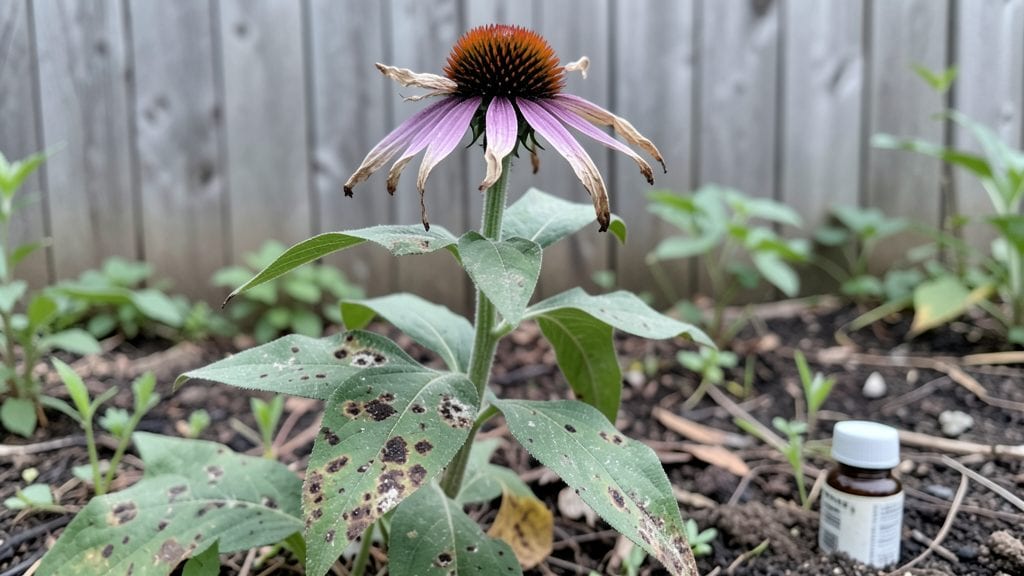
My cone flowers are losing their fight against unsightly spots and weak stems—until I finally cracked the code on diagnosing and curing these stubborn diseases. 🌿 The key isn’t just sprays or powders; it’s understanding what’s attacking your plants and how to stop it before it spreads.
Powdery mildew, leaf spot, and fungal infections all leave different clues, and knowing the difference means saving your blooms without harsh chemicals.
Most problems start with too much moisture or poor airflow—simple fixes like spacing plants properly and watering at the base can prevent 80% of issues. When diseases strike, organic options like neem oil or baking soda sprays work wonders, but timing matters.
I’ve seen cone flowers bounce back completely within weeks when treated early, with fewer than 5% of blooms affected if you catch it fast.
You’ll end up with vibrant, disease-resistant cone flowers that thrive all season, not just survive. The secret is combining prevention, fast action, and the right tools—no more wilting stems or brown patches ruining your garden’s star performers. Let’s get those blooms back to their best.
This works for both powdery mildew and fungal infections, and the same principles apply to other perennials. Once you master this, your whole garden stays healthier with minimal effort. Here’s how to diagnose and treat it right the first time.
Root Causes Of Cone Flower Decline
Cone flowers—those vibrant, pollinator magnets with their striking petals—can fall prey to a variety of diseases that weaken their structure and dull their beauty. Understanding why these issues arise is the first step to prevention and recovery.
Below, we break down the key culprits behind cone flower decline, from microscopic invaders to environmental stressors.
Fungi are the most common adversaries of cone flowers, thriving in moist, warm conditions. These pathogens invade plant tissues, disrupting nutrient flow and causing unsightly symptoms like:
- Powdery Mildew: A white, powdery coating on leaves and stems, caused by Erysiphe or Sphaerotheca species. Fungal spores spread via wind or water, germinating when humidity exceeds 70% for prolonged periods.
- Rust Diseases: Orange-brown pustules on leaves (often Puccinia species), weakening photosynthesis. Spores overwinter in plant debris, reinfecting in spring.
- Root Rots (e.g., Phytophthora): Waterlogged soil encourages this soilborne fungus, causing stunted growth, wilting, and a foul-smelling root system. It thrives in compacted or poorly drained soil.
Why it happens: Fungi exploit stressed plants—overcrowding, poor air circulation, or excessive moisture create the perfect breeding ground. Pro tip: 🌡️ Monitor soil moisture with a moisture meter; aim for 1–1.5 inches of water per week (adjust for rain). Space plants 18–24 inches apart to improve airflow.
Insects and mites don’t just nibble—they transmit diseases and sap energy from cone flowers. Key pests include:
- Aphids: Cluster on new growth, excreting honeydew that fosters sooty mold (a black fungal layer). They spread viral diseases like Tomato Spotted Wilt Virus (TSWV).
- Japanese Beetles: Skeletons leaves by chewing tissue between veins, reducing the plant’s ability to photosynthesize.
- Spider Mites: Tiny arachnids that thrive in dry heat, sucking cell sap and causing stippled, yellowed leaves. They weaken plants, making them susceptible to secondary infections.
Why it happens: Pests target stressed plants—drought, nutrient deficiencies, or recent transplanting make cone flowers easy prey. Pro tip: ✨ Encourage natural predators like ladybugs or lacewings by planting companion flowers (e.g., marigolds or yarrow). Use a strong stream of water to dislodge aphids, or apply neem oil as a preventative barrier.
Cone flowers are hardy, but extreme or inconsistent conditions can trigger disease. The top environmental triggers include:
💧 Overwatering or Poor Drainage
Waterlogged roots suffocate the plant, creating anaerobic conditions that invite Phytophthora or Pythium root rots. Symptoms: Yellowing leaves, mushy stems, and a foul odor at the base.
Why it happens: Clay soil or containers without drainage holes trap excess moisture. Pro tip: 🔥 Amend soil with compost to improve aeration, and ensure pots have drainage holes. Water only when the top 1–2 inches of soil are dry.
☀️ Heat Stress & Sunburn
Intense afternoon sun (especially in hot climates) can scorch leaves, creating entry points for fungal infections. Look for crispy, brown edges or bleached patches.
Why it happens: Cone flowers prefer full sun but may need afternoon shade in zones 8–10. Pro tip: 🌿 Provide dappled shade with a sheer curtain or plant near taller species (e.g., sunflowers) for natural filtering.
❄️ Cold Damage & Late Frosts
Frost-sensitive varieties (like Echinacea purpurea) suffer from blackened stems or wilting if temperatures drop below 20°F. Cold stress weakens the plant, making it vulnerable to secondary infections.
Why it happens: Early spring or late fall frosts catch plants off guard. Pro tip: 🛡️ Mulch heavily (3–4 inches) with straw or shredded leaves in winter, and use frost cloth for young plants.
Even the most resilient cone flowers can falter due to gardening oversights. Common missteps include:
- Over-Fertilizing: Excess nitrogen promotes lush foliage but weak stems, increasing susceptibility to fungal diseases like powdery mildew.
- Pruning at the Wrong Time: Cutting back in fall (instead of early spring) removes protective buds and invites rot.
- Ignoring Plant Debris: Leaving infected stems or leaves in the garden spreads spores. Always clean up fallen petals and prunings.
Why it happens: Well-intentioned actions (like eager pruning or heavy-handed fertilizing) disrupt the plant’s natural defenses. Pro tip: 🎯 Follow a seasonal care schedule: Prune in early spring (March–April), fertilize lightly in spring with a balanced 10-10-10, and never fertilize after midsummer.
By addressing these root causes—whether fungal, pest-related, environmental, or cultural—you’ll give your cone flowers the fighting chance they deserve. Next, we’ll explore how to spot these issues early and what to do about them.
How to Treat & Prevent Cone Flower Ailments
Once you’ve identified the issue plaguing your Echinacea (cone flowers), the next step is action! Below are targeted solutions for the most common diseases and pests, paired with preventive strategies to keep your blooms thriving. Think of this as your gardener’s first-aid kit—simple, effective, and easy to follow.
Fungal infections like powdery mildew, rust, and leaf spot thrive in damp, crowded conditions. Here’s how to treat and prevent them:
🔥 Remove Infected Foliage Immediately
- Snip off yellowed, spotted, or powdery leaves with sterilized pruners (wipe with rubbing alcohol between cuts).
- Do not compost infected plant debris—dispose of it in the trash to prevent reinfection.
- Pro tip: 💡 Work on dry, sunny days to reduce fungal spores in the air.
🍳 Apply Fungicidal Sprays (Organic or Chemical)
| Disease | Treatment | Prevention |
|---|---|---|
| Powdery Mildew | Spray with neem oil (1 tbsp per quart of water) or baking soda mix (1 tsp baking soda + 1 tsp oil + 1 quart water). | Space plants 18–24 inches apart for airflow. Water at the base, not leaves. |
| Rust | Use copper fungicide (follow label instructions) or hydrogen peroxide (1 tbsp per gallon of water). | Remove fallen leaves regularly. Avoid overhead watering. |
| Leaf Spot | Treat with fixed copper spray or organic fungicide (like Serenade Garden). | Rotate crops if growing in the same spot yearly. |
🌡️ Boost Plant Resistance
- Improve soil drainage by amending with compost or perlite.
- Mulch with 2–3 inches of organic mulch (straw or shredded leaves) to keep roots cool and reduce humidity near foliage.
- Pro tip: ✨ Hardened Echinacea varieties (like ‘White Swan’ or ‘Magnus’) are more disease-resistant—consider upgrading!
Aphids, Japanese beetles, and spider mites love feasting on cone flowers. Here’s how to kick them out for good:
👨🍳 Manual Removal (Best for Small Infestations)
- Aphids: Blast them off with a strong stream of water or knock them into soapy water with a stiff brush.
- Japanese Beetles: Handpick adults (drop them in soapy water) or scoop grubs from soil in late summer.
- Spider Mites: Wipe leaves with a damp cloth to remove webs and mites.
🥘 Natural & Chemical Controls
| Pest | Treatment | Prevention |
|---|---|---|
| Aphids | Spray with insecticidal soap or neem oil (repeat every 5–7 days). | Introduce ladybugs or lacewings (natural predators). |
| Japanese Beetles | Use milky spore powder (long-term) or pyrethrin spray (short-term). | Plant trap crops like roses or grapes nearby to distract them. |
| Spider Mites | Mist plants daily with water or apply horticultural oil. | Reduce stress—keep soil moist and avoid drought. |
🎯 Long-Term Pest Defense
- Interplant with pest-repelling flowers like marigolds, garlic chives, or catnip.
- Rotate plant locations every few years to disrupt pest life cycles.
- Pro tip: 🔥 Early morning is the best time to spot and treat pests—cooler temps mean less stress on your plants!
A healthy plant is the best defense against disease and pests. Follow these year-round tips:
- 💧 Water Wisely:
- Water deeply 1–2 times per week (early morning is ideal).
- Avoid wetting leaves—use drip irrigation or soaker hoses.
- ☀️ Sun & Airflow:
- Ensure 6+ hours of sunlight daily and prune for airflow (remove crowded stems).
- 🌱 Soil & Fertilizer:
- Use well-draining soil (mix in sand or compost if needed).
- Fertilize lightly in spring with balanced 10-10-10—too much nitrogen weakens resistance.
- ✂️ Pruning for Health:
- Deadhead spent blooms to encourage new flowers.
- Cut back stems by ⅓ in early spring to promote bushiness.
Final Pro Tip: 🌟 Monitor regularly! Check undersides of leaves and stems weekly—early detection = easier fixes. With these steps, your Echinacea will bounce back stronger and reward you with vibrant, disease-free blooms all season!
Frequently asked questions
What are the most common signs of fungal infections in cone flowers?
Look for white powdery coatings (powdery mildew), orange-brown pustules (rust), or dark spots with yellow halos (leaf spot). These appear on leaves, stems, or buds when humidity stays above 70% for prolonged periods. Check undersides of leaves first—fungi love hiding there!
Can I still use my cone flowers if they have minor disease spots?
Yes! Remove only the most infected leaves/stems and treat the plant. Cone flowers are hardy, and minor spots won’t harm their edible roots (if you’re harvesting). Just avoid using heavily diseased parts for teas or remedies until fully recovered.
How often should I spray neem oil to prevent diseases?
Apply neem oil every 7–14 days during peak growing season (spring-fall) for prevention. For active infections, spray weekly for 3–4 weeks until symptoms disappear. Always spray in early morning to avoid burning leaves.
Will pruning help my diseased cone flowers recover?
Prune 1/3 of the plant in early spring to remove weak growth and improve airflow. Sterilize tools between cuts with rubbing alcohol, and dispose of infected clippings in the trash—not compost.
Are some cone flower varieties more disease-resistant?
Yes! ‘White Swan’, ‘Magnus’, and ‘Hot Papaya’ varieties show better resistance to powdery mildew and rust. These hybrids were bred for durability—great choices if your garden battles frequent fungal issues.