
Shrubs
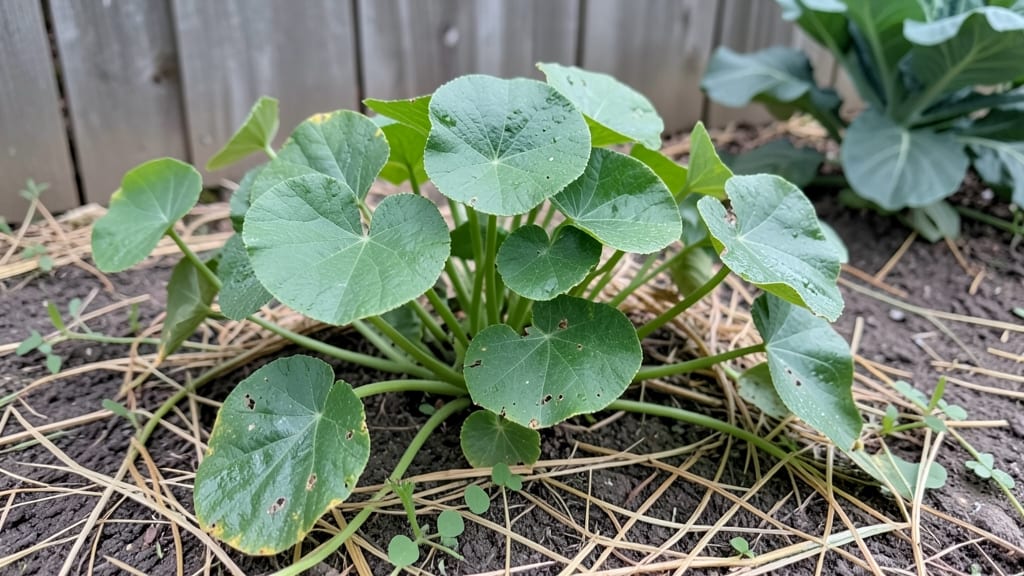
Nasturtiums not flowering can turn your bright garden edges into foliage-only zones. 🌿 I’ve seen this happen when plants get crowded or starved for sunlight, and the fix is simpler than you’d think—just a few tweaks to their growing conditions.
The good news? These plants bounce back fast once you address the root causes, and you’ll have those signature orange blooms in no time.
Overcrowding is the #1 culprit—nasturtiums need space to stretch and breathe. If they’re packed too tight, they’ll focus all their energy on leaves instead of flowers. Another common issue is too little sunlight; these plants thrive in full sun but will give up on blooms if stuck in shade.
Even nutrient deficiencies (especially nitrogen) can shift their priorities away from flowers.
Start by thinning out crowded plants to give them 6-12 inches of space. Move them to a sunnier spot if possible, and feed them with a balanced fertilizer—just a light dose every 4-6 weeks keeps them productive without overpowering the blooms.
Prune leggy stems back by a third to encourage bushier growth and more flowers.
The payoff comes fast—within 2-3 weeks of adjustments, you’ll see fresh buds forming. Even if your nasturtiums are already leafy, they’ll reward you with vibrant blooms all season long. Let’s get those flowers back where they belong!
Root Causes of Stalled Blooms
If your nasturtiums are putting out lush foliage but stubbornly refuse to flower, the issue likely stems from one (or more) of these key factors. Understanding the science behind each will help you diagnose—and fix—the problem before it’s too late.
Let’s dig into the real reasons your plants are holding back their vibrant blooms.
Nasturtiums (Tropaeolum spp.) are cool-season plants that thrive in moderate temperatures (50–75°F / 10–24°C). When conditions stray too far from this range, they prioritize survival over flowering.
- Too Hot or Cold? 🌡️
- Heat Stress (Above 80°F / 27°C): High temperatures trigger bolting (rapid stem elongation) instead of flower production. Nasturtiums may also stop flowering to conserve energy in extreme heat, especially in dry conditions.
- Cold Snaps (Below 40°F / 4°C): Frost-sensitive varieties (like Tropaeolum majus) may halt growth entirely, delaying or preventing blooms until conditions stabilize.
- Light Deficiency (Less Than 6 Hours of Sun Daily):
- Nasturtiums are sun-worshippers—they need full sun (6+ hours/day) to trigger flowering hormones (like florigen). In shade, they’ll focus on leafy growth to maximize photosynthesis, but skip the bloom phase.
- Solution Check: Are nearby trees, buildings, or other plants casting shade? Even partial shade can reduce flower production by up to 70%.
Water and soil nutrients play a direct role in flower initiation. Get it wrong, and your nasturtiums will stay green but flowerless.
- Overwatering or Poor Drainage:
- Root Rot Risk: Nasturtiums hate soggy soil. Excess moisture (especially in containers) leads to anaerobic conditions, where roots suffocate and can’t absorb nutrients efficiently. This triggers a stress response, delaying or preventing blooms.
- Signs: Yellowing leaves, mushy stems, or a foul smell at the base.
- Underwatering or Drought Stress:
- Flowering Trigger: Nasturtiums often require a slight moisture dip to signal it’s time to bloom (a process called stress-induced flowering). However, chronic drought forces them into survival mode, stunting growth and halting flowers.
- Solution: Aim for 1–1.5 inches (2.5–4 cm) of water per week, but let the top inch of soil dry out between waterings to encourage blooming.
- Nutrient Deficiencies (Especially Phosphorus):
- Phosphorus (P) is the "flower power" nutrient. Low P levels (common in over-fertilized nitrogen-heavy soils) delay blooming because the plant focuses on leafy growth instead.
- Test Your Soil: Use a DIY soil test kit (or send a sample to a lab) to check P levels. Ideal range: 30–50 ppm available phosphorus.
- Quick Fix: Apply a balanced fertilizer (10-10-10 or 5-10-5) at half-strength when planting, then again mid-season. Avoid high-nitrogen fertilizers (like lawn food), which promote foliage over flowers.
Nasturtiums are self-pruning plants, but if they’re too crowded or unmanaged, they’ll divert energy away from flowers.
- Competition for Resources:
- When plants are too close together, they fight for sunlight, water, and nutrients, leading to weak stems and fewer blooms.
- Ideal Spacing:
- Trailing varieties (e.g., Tropaeolum majus): 12–18 inches apart.
- Bush types (e.g., Tropaeolum nanum): 8–12 inches apart.
- Lack of Deadheading:
- Nasturtiums
- How to Deadhead: Pinch off wilting flowers at the base with your fingers or pruners. Do this every 2–3 days for peak production.
- If stems grow
Hidden pests or diseases can stress plants, diverting energy away from flowering.
- Aphids, Whiteflies, or Spider Mites:
- These
- Signs: Sticky residue (honeydew), curled leaves, or tiny webs.
- Fix: Spray with neem oil or insecticidal soap every 5–7 days until pests are gone.
Not all nasturtiums bloom the same—and some just take longer to get started.
- Young Plants (Under 6 Weeks Old):
- Nasturtiums
Now that you know the real culprits behind your nasturtiums’ flower drought, the next step is to diagnose your specific issue and apply the fixes. Stay tuned for our actionable solutions to get those blooms back in full force! 🌸
Revive your nasturtiums now
If your vibrant nasturtiums are throwing a "no-show" on the blooms, don’t panic! 🌸 With the right tweaks, you can coax those cheerful flowers back into action.
Below are practical, step-by-step solutions tailored to the most common causes—plus pro tips to keep your plants thriving long-term. Let’s get those flowers popping!
Nasturtiums are sun-worshippers, and skimpy light is a fast track to zero blooms. If your plants are languishing in shade, move them ASAP.
🔥 Fix It Fast:
- 📏 Relocate to full sun (6+ hours daily). Partial shade (3–4 hours) may work in hot climates, but blooms will suffer.
- 🏡 Use containers? Place them on a sunny patio, balcony, or windowsill (south-facing is ideal).
- 🌿 No moving options? Thin nearby plants or structures to improve airflow and light penetration.
💡 Prevention Tips:
- ⏳ Plant in spring after the last frost for optimal sunlight exposure.
- 🌡️ Monitor temperature: Nasturtiums need warmth (60°F+). If nights are chilly, use a cloche or row cover.
Soggy soil = stressed roots = no energy for flowers. Nasturtiums hate "wet feet" and will bolt or refuse to bloom if their roots suffocate.
🍳 Fix It Fast:
- 🔪 Check the soil: Stick your finger 1–2 inches deep. If damp, hold off on watering.
- 🚰 Improve drainage:
- Add perlite or coarse sand to heavy clay soil.
- 🏺 For pots: Ensure drainage holes are clear and use a well-draining mix (e.g., 60% potting soil + 30% perlite + 10% compost).
- 💦 Water deeply but less often: Let the top inch of soil dry out between waterings.
🔥 Prevention Tips:
- 🌧️ Mulch lightly (1–2 inches) with straw or shredded leaves to retain moisture without smothering roots.
- 🌡️ Avoid soggy seasons: Nasturtiums struggle in winter wetness—plant in raised beds if drainage is poor.
Too much nitrogen = leafy greens, zero flowers. Too little of anything = weak growth. Nasturtiums need a balanced diet with a dash of phosphorus for blooms.
👨🍳 Fix It Fast:
- 📊 Test your soil: A simple DIY kit (or lab test) can reveal deficiencies. Aim for:
- pH 5.5–7.0 (slightly acidic to neutral).
- Moderate phosphorus (P): If low, use a 5-10-5 fertilizer (e.g., bone meal or compost tea).
- 🥗 Skip high-nitrogen feeds (like lawn fertilizer). Instead, try:
- 🌿 Compost or worm castings (gentle, organic boost).
- 🍎 Coffee grounds (for acid-loving varieties, sparingly).
💡 Prevention Tips:
- ✨ Side-dress in spring: Sprinkle a handful of low-phosphorus fertilizer (like 3-4-6) around the base, then water in.
- 🌱 Rotate crops: Don’t plant nasturtiums in the same spot yearly—they deplete soil nutrients.
Cabbage worms, aphids, or powdery mildew can sap energy, leaving your nasturtiums too tired to bloom. Act fast to restore their vigor!
🔪 Fix It Fast:
- 🐜 Spot pests? Handpick chewers (like cabbage worms) or blast them off with a strong spray of water.
- 🧴 Use organic sprays:
- 🌿 Neem oil (for aphids/mildew—spray early morning/evening).
- 🍋 Soap spray (1 tbsp mild soap + 1 quart water) for soft-bodied bugs.
- 🚫 Prune infected leaves immediately to stop spread.
💡 Prevention Tips:
- 🌡️ Space plants 12–18 inches apart for airflow (deters mildew).
- 🌱 Interplant with herbs like basil or dill to repel pests naturally.
Nasturtiums bloom best in cool weather (spring/fall). Heatwaves or sudden stress (like transplant shock) can halt flowering.
🍳 Fix It Fast:
- 🌡️ Beat the heat:
- 🌿 Provide afternoon shade (use shade cloth if temps exceed 85°F).
- 💦 Increase watering slightly (but keep soil dry—see above!).
- 🌱 Transplant shock? Wait until roots establish (2–3 weeks) before fertilizing or pruning.
💡 Prevention Tips:
- ⏳ Plant in stages: Sow seeds every 2–3 weeks for continuous blooms.
- 🌱 Choose heat-tolerant varieties like ‘Alaska’ or ‘Jewel Mix’ for warmer climates.
With these fixes, your nasturtiums should be bursting with color in no time! 🎉 Remember: consistency is key—adjust one thing at a time (like sunlight or water) to pinpoint what’s working. Happy gardening!
Frequently asked questions
Why are my nasturtiums putting out leaves but no flowers?
Your plants are likely focusing energy on foliage due to overcrowding or insufficient sunlight. Nasturtiums need 6+ hours of direct sun daily and 6-12 inches of space to bloom properly. Check nearby plants blocking light and thin them if needed.
Can I fix my nasturtiums if they’ve been in shade too long?
Yes! Gradually move them to sunnier spots over 3-5 days to avoid shock. If they’re already established, you’ll see new buds form within 2-3 weeks of proper sunlight exposure. For containers, place them on a south-facing surface.
How often should I fertilize nasturtiums for blooms?
Use a balanced fertilizer (5-10-5) at half-strength every 4-6 weeks starting in spring. Avoid high-nitrogen feeds—they encourage leafy growth over flowers. A light application of compost in early spring works well too.
Why do my nasturtiums bloom heavily then stop suddenly?
This usually happens when they produce seeds. To encourage continuous blooming, deadhead spent flowers by pinching them off at the base every 2-3 days. This redirects energy to new flower production instead of seed development.
Are there nasturtium varieties that bloom more reliably?
Yes! Trailing varieties like 'Alaska' or 'Empress of India' bloom prolifically, while bush types like 'Jewel Mix' often take longer to establish but reward with continuous color. Check your seed packet for bloom duration information.